
Side-by-Side IQ Profile: Unpacking Cognitive Dimensions
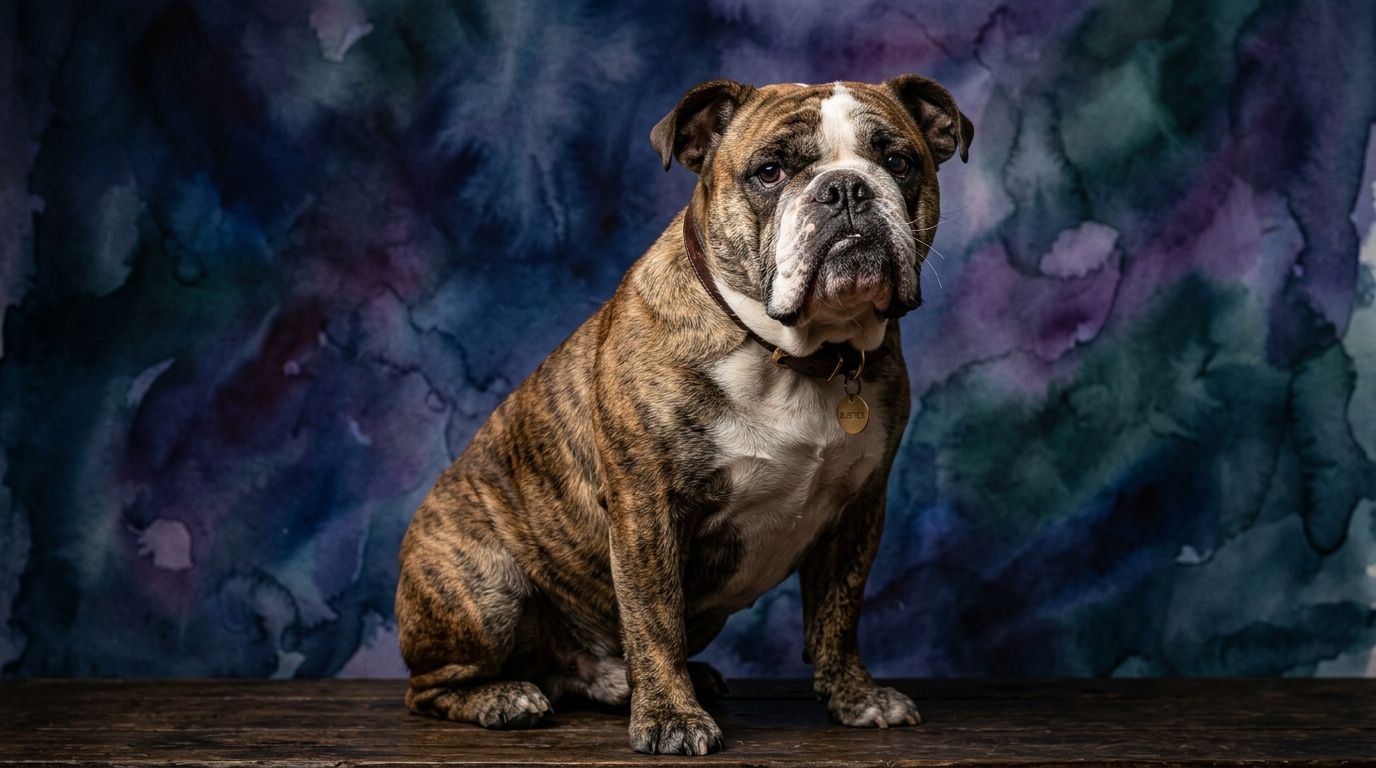
The English Bulldog, holding a Coren rank of #77, presents a unique cognitive blueprint. Their problem Solving capability scores 2/5, suggesting they prefer established routines over novel challenges and may not independently seek out complex solutions. Training Speed also registers at 2/5, indicating that mastering new commands requires significant patience and consistent repetition. However, their Social Intelligence shines at 4/5, demonstrating a profound capacity to understand and respond to human emotions and social cues, fostering deep bonds within their family. Instinctive Drive is moderate at 3/5, often manifesting as a desire for comfort and companionship rather than intense pursuit. Their Memory, at 2/5, implies that retention of intricate sequences or past experiences might require reinforcement.
In contrast, the Plott Hound, an unranked breed by Coren but with a distinct IQ profile, exhibits a different set of cognitive priorities. Their problem Solving ability is rated 3/5, indicating a greater aptitude for navigating new situations and devising solutions, particularly within their environment. Training Speed also sits at 3/5, suggesting they can learn new commands at a moderate pace, often motivated by engagement and purpose. Social Intelligence is 3/5; while they connect with their human companions, their focus can often be directed towards external stimuli or their primary drives rather than solely human interaction. A 3/5 Instinctive Drive is significant here, reflecting a powerful, scent-driven pursuit instinct that shapes much of their cognitive engagement. Their Memory also scores 3/5, supporting their ability to recall complex scent trails and learned behaviors over time.
Where the English Bulldog Wins Cognitively
The English Bulldog's most pronounced cognitive strength lies in its exceptional Social Intelligence, scoring a significant 4/5. This dimension highlights their innate ability to interpret human non-verbal cues, emotional states, and social dynamics within a household. They are masters of empathy, often anticipating their owner's moods and responding with comforting presence. This profound social understanding allows them to integrate seamlessly into family life, making them remarkably attuned companions who thrive on close, reciprocal relationships.
Beyond their social acumen, the Bulldog's lower scores in problem-solving and training speed can be a cognitive advantage for certain lifestyles. Their preference for routine and less inclination for independent exploration means they are typically content within familiar boundaries, less prone to devising complex escape routes or engaging in exploratory mischief. This cognitive predictability can be a boon for owners seeking a steadfast, low-drama companion who finds contentment in the simple, shared rhythms of home life.
Where the Plott Hound Wins Cognitively
The Plott Hound's cognitive strengths are deeply rooted in its heritage as a working scent hound, particularly evident in its balanced scores across problem Solving (3/5), Training Speed (3/5), and Memory (3/5). These dimensions converge to create a dog capable of sustained, focused work. Their problem-solving ability is geared towards practical application, such as navigating varied terrains or overcoming obstacles in pursuit of a scent. This is not abstract problem-solving, but a highly effective, persistent form of environmental engagement.
Their Instinctive Drive, also rated 3/5, is a powerful cognitive asset when channeled appropriately. This drive fuels their remarkable stamina, determination, and ability to follow a scent trail for extended periods, demanding significant cognitive processing to differentiate odors and track subtle changes in the environment. Coupled with their moderate memory, they can recall past training and successful tracking strategies, allowing them to adapt and improve their performance in complex, dynamic outdoor situations. This makes them highly capable partners for specific tasks requiring focused sensory input and persistent action.
Training Dynamics: Patience vs. Purpose
Training an English Bulldog requires a significant investment of patience and consistency, primarily due to their 2/5 Training Speed and 2/5 Problem Solving scores. While their high social intelligence means they genuinely desire to please their humans, their independent streak and slower processing of new commands can make the learning process protracted. They respond best to positive reinforcement, short, engaging sessions, and a clear, unwavering routine. Owners should anticipate that new behaviors will take longer to solidify and that motivation might stem more from affection and comfort than from a desire for complex mental tasks.
The Plott Hound, with 3/5 scores in both Training Speed and Problem Solving, is generally more receptive to learning new commands, particularly when training aligns with their natural drives. They can grasp concepts at a moderate pace, but their strong Instinctive Drive (3/5) can be a double-edged sword: highly motivating for scent work or active tasks, but also a potential distraction if a compelling scent overrides a command. Effective training for a Plott involves channeling their natural curiosity and drive into productive outlets, using their moderate memory to build upon past successes, and maintaining engagement to prevent their focus from wandering to the environment.
Lifestyle Match: Active Engagement vs. Calm Companionship
For owners with a more relaxed lifestyle, the English Bulldog often presents an ideal match. Their lower problem-solving and training speed, combined with their profound social intelligence, means they thrive on routine and human connection without demanding constant mental stimulation or intense physical exertion. They are content with moderate daily walks and ample snuggle time, preferring the comfort of home and the companionship of their people. They are not dogs that will invent complex games or require intricate puzzle toys; their happiness is found in shared presence and consistent affection.
Conversely, the Plott Hound is better suited for active owners who can provide consistent mental and physical engagement. Their moderate problem-solving, training speed, and strong instinctive drive necessitate outlets for their energy and cognitive capabilities. Activities like long hikes, scent work, trail running, or participation in dog sports can fulfill their innate desire to track and explore. An owner who understands and can channel their hound's persistent nature and moderate memory for tasks will find a dedicated and capable partner for outdoor adventures and engaged training.
The Verdict: When to Choose Each
The Verdict
Choose an English Bulldog if you seek a deeply affectionate, socially attuned companion who thrives on routine and close human connection, and if you are prepared to offer patient, consistent training within a calm household environment.
Opt for a Plott Hound if you are an active owner looking for a capable, adaptable dog for outdoor activities, scent work, or a more engaged training partner, and if you can productively channel their strong natural drives and curiosity.
🧠 Find Your Pet's IQ Score
Our Pet IQ Lab assessment covers 25+ tests across 5 cognitive dimensions — personalized to your breed.
Take the Full IQ Test →Frequently Asked Questions
Are English Bulldogs stubborn during training?
English Bulldogs can indeed appear stubborn, largely due to their 2/5 training speed and problem-solving scores. They require significant patience and positive reinforcement, as they process new commands at a slower pace and prefer to do things on their own terms rather than quickly adopting new tasks. Consistency is key to navigating their independent nature.
Do Plott Hounds need a lot of exercise?
Yes, Plott Hounds require substantial physical and mental exercise. Their 3/5 instinctive drive, combined with moderate problem-solving and training speed, means they thrive on activities like long walks, scent work, or running. Without adequate outlets, their energy and curiosity can lead to boredom and potentially destructive behaviors.
How do their social needs differ?
The English Bulldog, with a 4/5 social intelligence, craves close human companionship and is highly attuned to family dynamics, often preferring to be near their people. The Plott Hound, scoring 3/5 in social intelligence, is affectionate but often more independent, with their attention frequently drawn to external stimuli and their environment rather than solely focusing on human interaction.