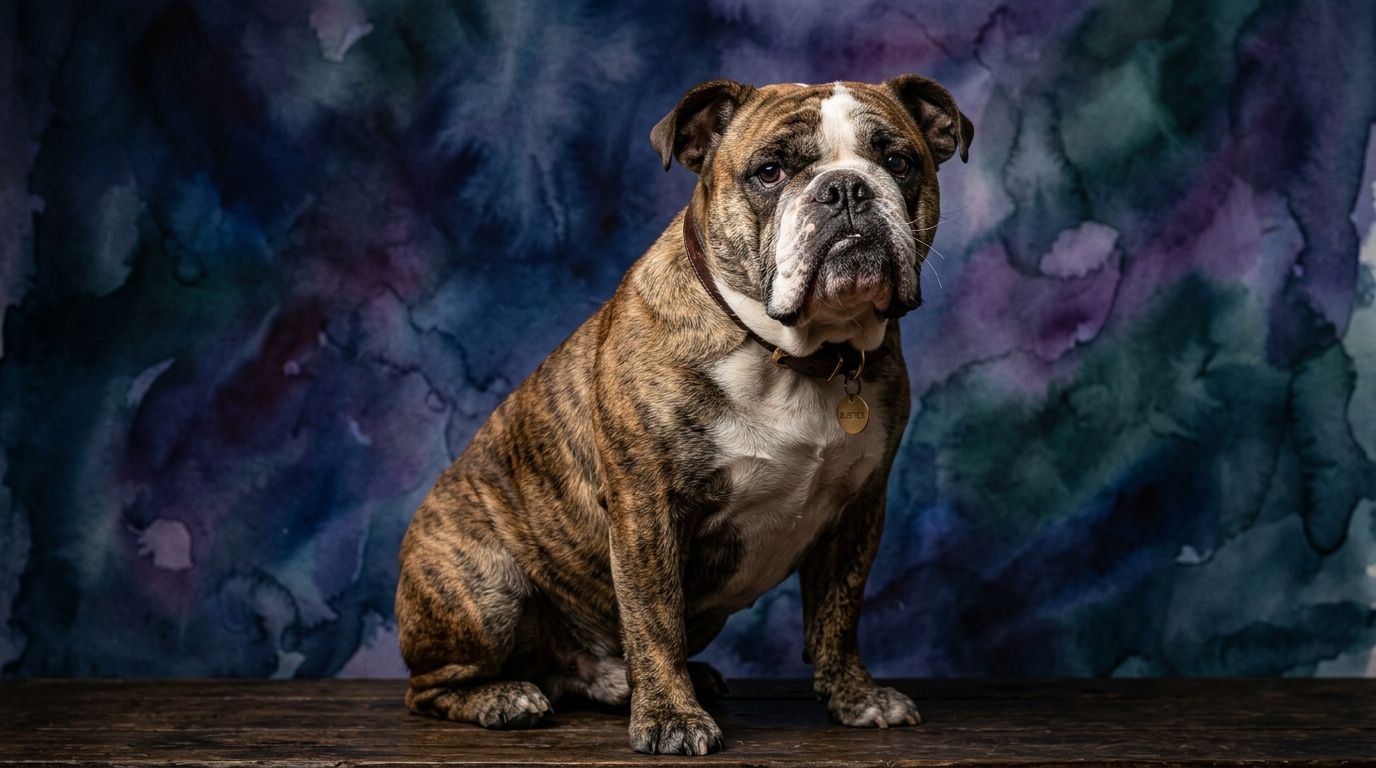
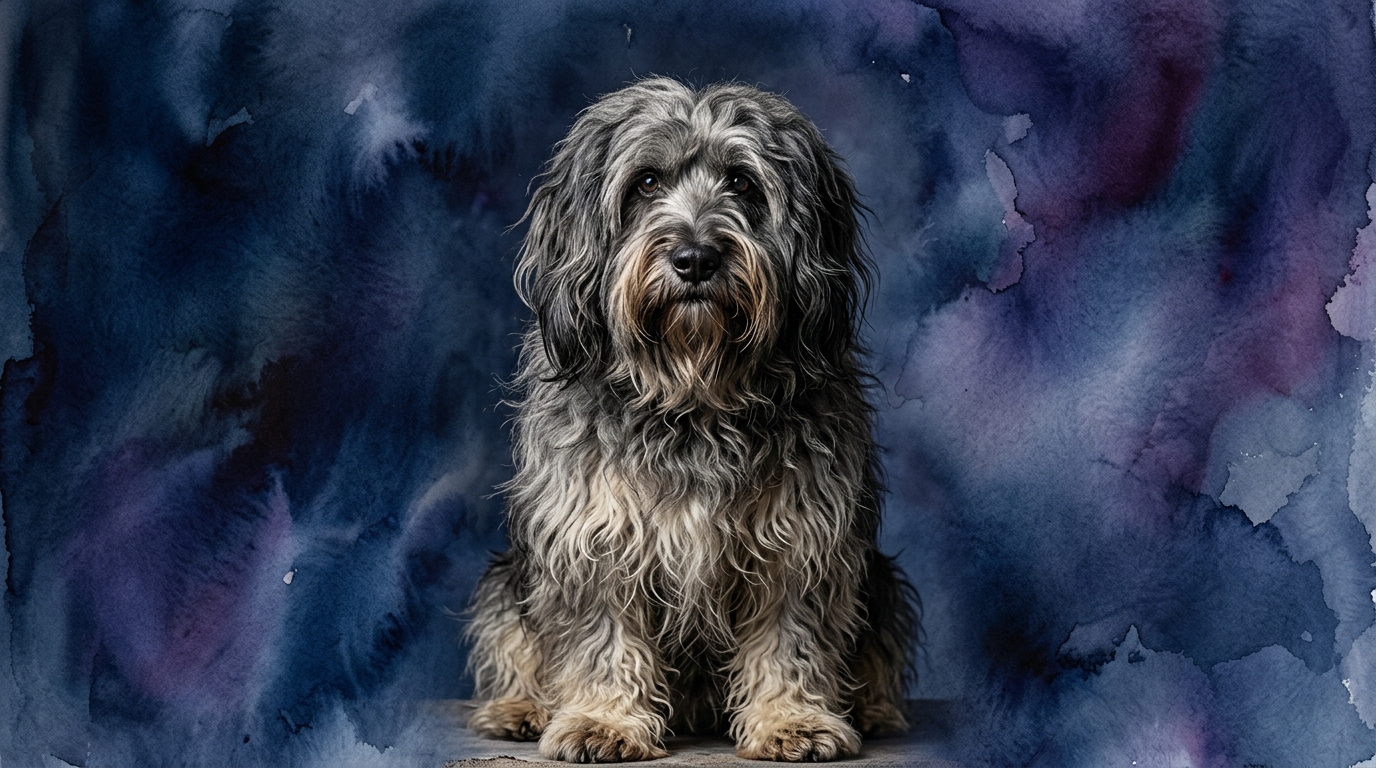
Side-by-side IQ profile
The Cosmic Pet Pet IQ Lab employs a five-dimensional framework to assess canine cognition, offering a granular view beyond simple labels. For the English Bulldog, our data reveals a Problem Solving score of 2/5. This indicates Bulldogs tend to approach novel challenges with a practical, sometimes trial-and-error method, rather than elaborate strategizing. They are less inclined to independently devise complex solutions to overcome obstacles, often preferring to seek human assistance or find the simplest, most direct route. Their Training Speed also stands at 2/5, suggesting they may take a more deliberate pace in acquiring new commands and routines, often requiring patience and consistent, positive reinforcement to solidify learning. However, the Bulldog truly shines in Social Intelligence, scoring a robust 4/5. This reflects their remarkable aptitude for understanding human social cues and emotional states, displaying deep empathy and forming strong, reciprocal bonds. Their Instinctive Drive is rated at 3/5, indicating a moderate level of inherent breed-specific behaviors, which for Bulldogs often manifests as a desire for comfort and companionship rather than complex tasks. Finally, their Memory is 2/5, implying they may require more frequent refreshers to retain learned information over extended periods.
In contrast, the Polish Lowland Sheepdog, though not ranked by Coren, presents a different cognitive blueprint in our lab. Their Problem Solving capability is assessed at 3/5. This suggests PONs possess a greater capacity for independent thought and can strategize more effectively when faced with new situations, often attempting various solutions before settling on one. Their Training Speed also scores 3/5, indicating a moderate pace in learning, but with a keen desire to engage and a quicker grasp of new concepts compared to the Bulldog. The PON's Social Intelligence is 3/5, meaning they are adept at understanding social dynamics and forming bonds, but perhaps with a more independent streak than the highly people-focused Bulldog. Their Instinctive Drive is also 3/5, which for a Herding breed, translates into a natural inclination towards tasks involving movement, organization, and vigilance, though perhaps not as intense as some other herding breeds. Their Memory score of 3/5 suggests a solid capacity for retaining learned commands and experiences, making them capable of building a substantial repertoire of knowledge over time.
Where Bulldog (English) wins cognitively
The English Bulldog's primary cognitive strength lies in their exceptional Social Intelligence, scoring 4/5 in this dimension. This isn't merely about friendliness; it's about a profound capacity to read and respond to human emotions and social cues. Bulldogs possess an innate ability to sense their owner's mood, often offering a comforting presence during distress or engaging in playful antics to lift spirits. They excel at forming deep, empathetic connections, understanding subtle shifts in tone or body language, and using this information to navigate their human relationships. This social acuity makes them extraordinarily attuned companions, capable of reciprocal affection and intuitive understanding, often seeming to anticipate their owner's needs for comfort or interaction. Their robust social cognition allows them to integrate seamlessly into family life, becoming cherished members who contribute significantly to the household's emotional landscape. This strength means they are adept at making their human counterparts feel understood and valued, fostering a unique bond that is a hallmark of the breed.
Where Polish Lowland Sheepdog wins cognitively
The Polish Lowland Sheepdog demonstrates superior cognitive capabilities across several dimensions compared to the Bulldog, particularly in Problem Solving, Training Speed, and Memory, all scoring 3/5. Their Problem Solving aptitude means they are more inclined to independently assess and navigate novel situations. When faced with an obstacle, a PON is likely to experiment with different approaches, demonstrating a strategic mindset in overcoming challenges, a trait honed by centuries of working independently with livestock. This capacity for analytical thinking and resourcefulness sets them apart. Coupled with this is their higher Training Speed. While not lightning-fast, their willingness to learn, combined with their ability to connect actions with consequences more readily, makes them more responsive to instruction and capable of mastering a wider range of commands and tasks. This is further supported by their stronger Memory, enabling them to retain complex sequences and information over longer periods. A PON can build a more extensive mental library of experiences and learned behaviors, allowing for more advanced and nuanced training outcomes. These combined strengths make them adaptable learners, capable of understanding and executing multi-step commands, and retaining those skills consistently.
Which is easier to train and why
When considering ease of training, the Polish Lowland Sheepdog generally presents a more straightforward experience for owners due to their higher scores in Training Speed (3/5), Problem Solving (3/5), and Memory (3/5). Their inherent working dog heritage means they often possess a greater desire to engage in structured activities and respond to direction. PONs are more likely to grasp new commands with fewer repetitions and retain them more reliably over time. For instance, teaching a PON a multi-step obedience routine, like "sit, stay, come," will likely progress more quickly as they can process the sequence and remember each component more efficiently. They often thrive on mental stimulation and purpose, making them receptive students when training is framed as a collaborative task.
In contrast, the English Bulldog, with lower scores in Training Speed (2/5) and Memory (2/5), may require a more patient and persistent approach. Bulldogs are not necessarily difficult to train, but their motivation often stems from comfort and companionship rather than a strong drive to perform complex tasks. Their independent nature and sometimes stubborn streak mean that training sessions need to be short, engaging, and heavily reliant on positive reinforcement, particularly food rewards or praise. For example, a Bulldog might learn "sit" but may require more consistent practice to perform it reliably in various environments, and might "forget" it if not regularly reinforced. While they are eager to please their beloved humans (Social Intelligence 4/5), their cognitive profile suggests they process and retain information at a slower rate, making consistency and clarity paramount in their training journey. Complex tasks or prolonged training sessions might lead to disengagement more quickly in a Bulldog than a PON.
Which suits active owners vs relaxed owners
The distinction in cognitive profiles between these two breeds offers clear guidance for owners with differing lifestyles. The Polish Lowland Sheepdog, with its stronger Problem Solving (3/5), Training Speed (3/5), and Instinctive Drive (3/5), is better suited for active owners. These dogs thrive on mental and physical engagement. Their natural herding instincts, even if latent, mean they benefit from activities that provide a sense of purpose and challenge their minds. Owners who enjoy dog sports like agility, obedience, or even advanced trick training will find a willing and capable partner in a PON. They need regular exercise that goes beyond a simple walk around the block; structured play, long hikes, or opportunities for independent exploration in secure environments cater to their cognitive and physical needs. A PON left without sufficient mental and physical outlets might become restless or develop undesirable behaviors born out of boredom and an unfulfilled drive to work.
Conversely, the English Bulldog, with its lower Problem Solving (2/5), Training Speed (2/5), and Memory (2/5), combined with its high Social Intelligence (4/5), is an ideal match for more relaxed owners. Bulldogs are content with a comfortable home environment and moderate activity. Their cognitive strengths lie in companionship rather than complex tasks or strenuous physical feats. They are most fulfilled when they can spend quality time with their human family, enjoying cuddles on the sofa, short strolls, and being an integral part of daily household routines. While they still require regular, gentle exercise to maintain health, their needs are less about intense physical exertion and more about consistent, affectionate interaction. Owners who appreciate a devoted, calm presence and are prepared to offer ample human interaction and a comfortable spot by their side will find the Bulldog to be a supremely satisfying companion.
The Verdict
Choose the English Bulldog if you seek a deeply affectionate, empathetic companion who thrives on close human connection and requires a more relaxed pace of life, valuing comfort and companionship above complex tasks.
Opt for the Polish Lowland Sheepdog if you are an active owner looking for a capable, adaptable canine partner eager to engage in mental challenges, learn new skills, and participate in a more energetic lifestyle.
🧠 Find Your Pet's IQ Score
Our Pet IQ Lab assessment covers 25+ tests across 5 cognitive dimensions — personalized to your breed.
Take the Full IQ Test →Frequently Asked Questions
Are English Bulldogs difficult to teach new behaviors?
English Bulldogs can be deliberate learners, scoring 2/5 in Training Speed and Memory. They require consistent, positive reinforcement and shorter, engaging training sessions, but with patience, they can certainly learn a wide range of commands. Their motivation often comes from pleasing their beloved humans rather than an innate drive for complex tasks.
How does the Polish Lowland Sheepdog's problem-solving ability manifest in daily life?
The Polish Lowland Sheepdog's 3/5 Problem Solving score means they are more likely to think independently to navigate situations, such as figuring out how to open a gate or retrieve a toy from a tricky spot. This resourcefulness often translates into a need for mental stimulation to prevent boredom and channel their cognitive energy constructively.
Can an English Bulldog be an emotional support animal given their social intelligence?
Absolutely. With a Social Intelligence score of 4/5, English Bulldogs are highly attuned to human emotions and excel at providing comfort and companionship. Their ability to read moods and offer a steady, loving presence makes them excellent candidates for roles where emotional support and affectionate interaction are paramount.