
Side-by-Side Cognitive Profiles
The Cosmic Pet Pet IQ Lab employs a comprehensive framework to assess canine intelligence, looking beyond simple obedience to understand the nuances of a breed's cognitive makeup. This framework evaluates five key dimensions: Problem Solving, Training Speed, Social Intelligence, Instinctive Drive, and Memory. Let's examine how the English Bulldog and the Scottish Terrier measure up.
The **English Bulldog**, with a Coren rank of #77, presents a profile emphasizing companionship and emotional connection. Their Problem Solving is rated at 2/5, indicating they generally prefer straightforward tasks and may require more assistance when confronted with complex, novel situations. Training Speed, also at 2/5, suggests that while they can learn, it often requires significant repetition and patience. However, their Social Intelligence shines at 4/5, demonstrating a profound ability to understand and respond to human emotions and cues. Instinctive Drive is a moderate 3/5, meaning they possess some natural impulses but are not overwhelmingly driven by them. Memory stands at 2/5, implying they may need frequent refreshers for learned behaviors and routines.
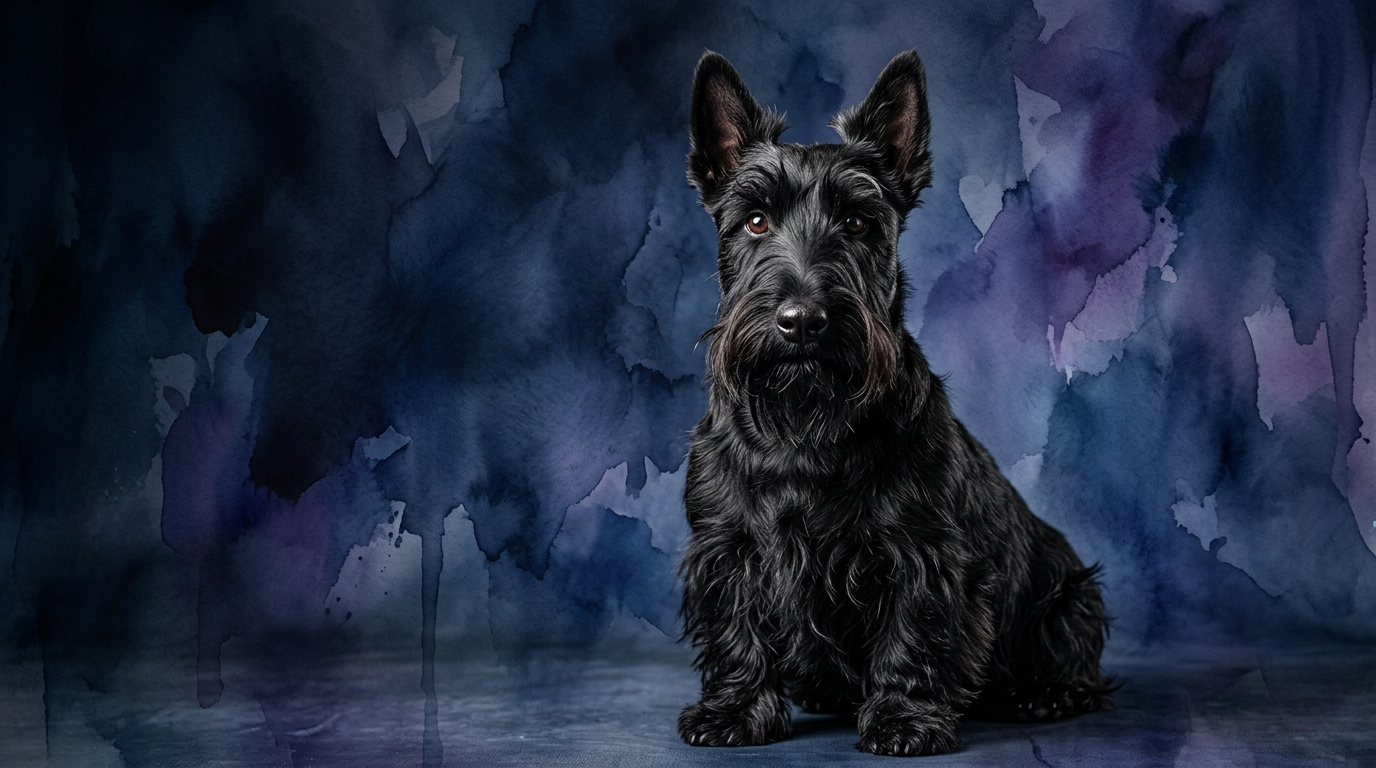
In contrast, the **Scottish Terrier**, holding a Coren rank of #65, displays a more independent and resourceful cognitive blueprint. Their Problem Solving scores 3/5, suggesting a greater capacity for independent thought and navigating challenges, a trait often seen in working terrier breeds. Training Speed is also 3/5, indicating they can grasp new commands and concepts with reasonable efficiency. Social Intelligence for the Scottie is 3/5, meaning they form strong bonds but might display a more reserved or selective affection compared to the Bulldog. Instinctive Drive is 3/5, reflecting their heritage as keen hunters with a natural inclination to explore and pursue. Memory is rated at 3/5, implying a better retention of learned behaviors and environmental details over time compared to the Bulldog.
Where the English Bulldog Wins Cognitively
The English Bulldog's primary cognitive advantage lies in its exceptional Social Intelligence, scoring 4/5, which is notably higher than the Scottish Terrier's 3/5. This dimension reflects a breed's capacity to interpret human moods, intentions, and communication effectively, fostering deep emotional connections. Bulldogs excel at being intuitive companions, often seeming to anticipate their owner's needs for comfort or interaction.
This elevated social acumen translates into a profound ability to bond with family members, making them highly responsive to emotional cues and very much a part of the household's social fabric. While their problem-solving and training speed might be lower, their ability to connect on an emotional level provides a unique strength, allowing them to integrate seamlessly into a family's daily life as devoted, empathetic companions. Their moderate instinctive drive (3/5) also means they are less likely to be distracted by external stimuli compared to some other breeds, preferring the comfort and company of their family.
Where the Scottish Terrier Wins Cognitively
The Scottish Terrier demonstrates a clear cognitive edge in several areas, particularly Problem Solving (3/5), Training Speed (3/5), and Memory (3/5), each scoring higher than the English Bulldog. Their superior problem-solving ability means they are more adept at figuring things out independently, whether it's navigating a complex puzzle toy or devising a strategy to reach a desired object. This independent thought is a hallmark of their terrier heritage, where they were bred to work autonomously.
The Scottie's quicker Training Speed (3/5) allows them to grasp new commands and routines more efficiently, requiring fewer repetitions to solidify learning. Coupled with a better Memory (3/5), they retain these lessons for longer periods, leading to more consistent performance once a behavior is established. This combination of cognitive strengths makes the Scottish Terrier a more mentally agile breed, capable of engaging with and mastering various intellectual challenges, often with a determined and self-assured approach.
Which is Easier to Train and Why
When considering ease of training, the Scottish Terrier generally holds an advantage over the English Bulldog. The Scottie's Training Speed score of 3/5, combined with a Problem Solving score of 3/5 and Memory at 3/5, indicates a breed that can learn and retain commands more readily. They possess a natural curiosity and a drive to understand their environment, which, when channeled correctly, can make training sessions productive and engaging. While they can exhibit a stubborn streak, a common terrier trait, their quicker cognitive processing means they're more likely to 'get it' faster.
Conversely, the English Bulldog's Training Speed and Memory, both rated at 2/5, suggest that their learning process requires more patience and consistency. They are not quick to pick up new commands and may need extensive repetition to solidify behaviors. Their lower problem-solving score means they might struggle with complex sequences or adapting to new training methods. However, their high Social Intelligence (4/5) can be a powerful motivator; they respond well to positive reinforcement rooted in praise and affection, striving to please their beloved family members, even if the learning curve is longer. Owners must be prepared for a marathon, not a sprint, with Bulldog training.
Which Suits Active Owners vs. Relaxed Owners
The distinct cognitive profiles of these two breeds naturally align them with different owner lifestyles. The Scottish Terrier, with its higher scores in Problem Solving, Training Speed, and Memory, is a better fit for moderately active owners who enjoy engaging their dog in mental and physical activities. Scotties thrive on structured walks, puzzle toys, and learning new tricks, benefiting from owners who can provide consistent mental stimulation and reinforce their quick learning abilities. Their instinctive drive (3/5) means they appreciate opportunities for exploration and purpose, making them suitable for owners who enjoy moderate outdoor adventures or participate in dog sports like earthdog trials or agility.
The English Bulldog, on the other hand, is an ideal companion for relaxed owners seeking a devoted, low-key presence. Their lower scores in Problem Solving, Training Speed, and Memory, combined with a high Social Intelligence (4/5) and generally lower energy levels, mean they are content with a more leisurely pace of life. They excel at being affectionate couch companions, enjoying short, gentle strolls and ample cuddle time. Owners who appreciate a dog's unwavering loyalty and emotional connection over a desire for intense activity or complex training challenges will find the Bulldog to be a supremely satisfying partner.
The Verdict
Choose an English Bulldog if you prioritize a deeply affectionate, emotionally intuitive companion who thrives on close family bonds and a relaxed lifestyle, understanding that training will require patience and consistency.
Opt for a Scottish Terrier if you seek a more independent, mentally agile companion who enjoys problem-solving, learns at a reasonable pace, and appreciates moderate activity and engaging mental challenges.
🧠 Find Your Pet's IQ Score
Our Pet IQ Lab assessment covers 25+ tests across 5 cognitive dimensions — personalized to your breed.
Take the Full IQ Test →Frequently Asked Questions
Do English Bulldogs understand human emotions well?
Yes, English Bulldogs score 4/5 in Social Intelligence, indicating a strong ability to interpret human moods and intentions. They are highly attuned to their family's emotional state, making them empathetic and comforting companions.
Are Scottish Terriers easy to motivate during training?
Scottish Terriers have a 3/5 in Training Speed and Problem Solving, meaning they can learn effectively, but their independent nature and instinctive drive (3/5) might mean they respond best to engaging, varied training methods and positive reinforcement that makes learning feel like a game.
Which breed is better for first-time dog owners?
The choice depends on the owner's lifestyle and expectations. English Bulldogs are excellent for first-time owners seeking a calm, affectionate companion, provided they are prepared for the breed's specific health needs and slower training pace. Scottish Terriers, while trainable, might require an owner who understands their independent terrier spirit and can provide consistent, engaging mental stimulation.