Side-by-Side IQ Profile: Unpacking Cognitive Architectures
The Cosmic Pet Pet IQ Lab provides a nuanced lens through which to examine the cognitive landscapes of the English Bulldog and the Tibetan Terrier, moving beyond superficial assumptions to reveal their inherent intellectual architectures. While both hail from the Non-Sporting Group, their Coren ranks — #77 for the Bulldog and #63 for the Tibetan Terrier — already hint at differing overall working intelligence, a distinction further illuminated by their specific IQ dimension scores.
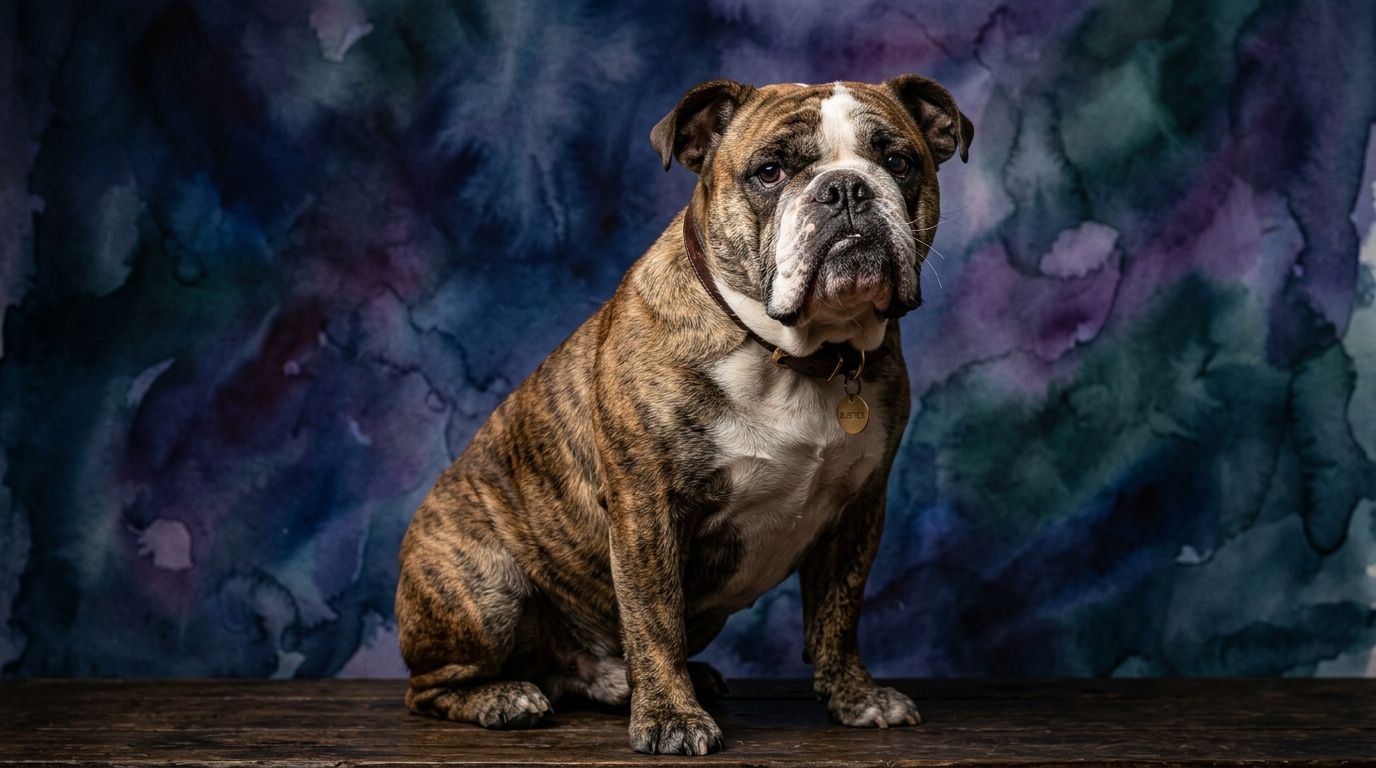
The English Bulldog, a breed often celebrated for its stoic charm, presents a unique cognitive profile. Its Problem Solving score of 2/5 indicates a less intrinsic drive for complex mental puzzles or independent strategizing; these dogs may prefer direct guidance rather than figuring things out on their own. Similarly, their Training Speed, also at 2/5, suggests that acquiring new commands requires consistent, patient repetition, as concepts may not be grasped instantly. However, the Bulldog truly excels in Social Intelligence, scoring an impressive 4/5, signifying a profound ability to connect with and understand human emotions and cues. Their Instinctive Drive sits at a moderate 3/5, suggesting some inherent motivations but not necessarily for intricate tasks, and their Memory, at 2/5, means learned behaviors might need regular reinforcement to stay sharp.
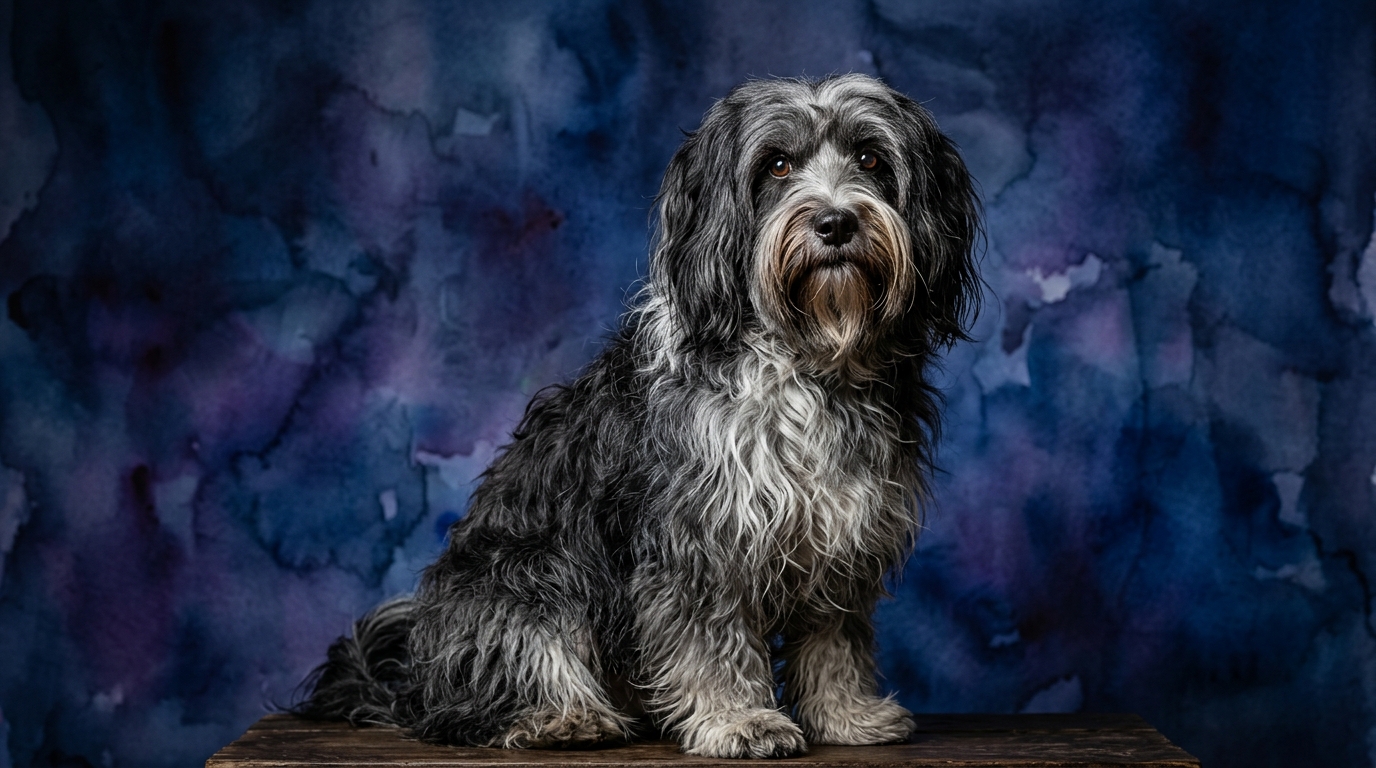
In contrast, the Tibetan Terrier, often described as a “holy dog” of Tibet, exhibits a more balanced and generally higher-scoring cognitive blueprint. Their Problem Solving capability is rated 3/5, indicating a moderate aptitude for navigating challenges and figuring out solutions, suggesting a degree of curiosity and adaptability. Correspondingly, their Training Speed also earns a 3/5, meaning they typically learn new commands at an average pace, responding well to instruction. The Tibetan Terrier’s Social Intelligence is rated 3/5, signifying good social awareness and interaction skills, though perhaps not with the same intense, human-focused devotion seen in the Bulldog. Their Instinctive Drive is also a moderate 3/5, likely reflecting their historical roles as watchdogs and companions in varied environments. Finally, their Memory score of 3/5 suggests a reasonable ability to retain information and learned behaviors over time.
Where the English Bulldog Wins Cognitively
The English Bulldog's undeniable cognitive victory lies squarely in its superior Social Intelligence, scoring a remarkable 4 out of 5, a full point higher than the Tibetan Terrier. This elevated capacity translates into an extraordinary ability to form deep, empathetic bonds with their human companions, making them profoundly attuned to emotional nuances. A Bulldog will often sense a shift in your mood, offering a comforting presence or a gentle nudge, not through complex reasoning, but through an innate, almost spiritual understanding of connection.
This profound social acumen means they are exceptionally devoted, deriving immense satisfaction from simply being near their people, often acting as a calming, steadfast presence in the home. Their intelligence in this domain is less about performing tricks and more about providing unwavering emotional support and companionship, making them unparalleled in their ability to integrate seamlessly into a human family's emotional landscape. This isn't just about being friendly; it's about a sophisticated, instinctual comprehension of social dynamics within their chosen “pack.”
Where the Tibetan Terrier Wins Cognitively
The Tibetan Terrier’s cognitive profile shines brightly across several dimensions where the Bulldog tends to be less dominant. Their Problem Solving ability, rated 3/5 compared to the Bulldog's 2/5, suggests a greater aptitude for independent thought and navigating novel situations. This might manifest as a Tibetan Terrier figuring out how to open a cupboard door to retrieve a toy or devising a strategy to get around an obstacle during a walk, demonstrating a more curious and adaptable mind.
Simultaneously, their Training Speed, also a 3/5 against the Bulldog's 2/5, indicates a quicker grasp of new commands and concepts, making initial training sessions generally more efficient and less repetitive. Furthermore, the Tibetan Terrier’s Memory, scoring 3/5 compared to the Bulldog's 2/5, means they are more likely to retain learned behaviors and lessons over longer periods. This reduces the need for constant reinforcement and allows for a more progressive training journey, building on previously acquired skills.
Collectively, these higher scores in Problem Solving, Training Speed, and Memory paint a picture of a more cognitively agile and versatile breed. They are often more engaged with their environment, eager to explore, and quicker to adapt to new routines or learn new tricks, reflecting a general intellectual curiosity that sets them apart.
Which is Easier to Train and Why
When it comes to ease of training, the Tibetan Terrier generally holds an advantage over the English Bulldog, a difference directly attributable to their distinct cognitive profiles. The Tibetan Terrier's higher Training Speed (3/5) and Memory (3/5) scores mean they typically absorb new commands and retain lessons more readily. They are often more motivated by interaction and mental engagement, perceiving training sessions as stimulating activities rather than mere obligations. Their moderate Problem Solving ability also means they might be more inclined to “figure out” what you're asking of them, leading to quicker breakthroughs. Real behavioral differences include their natural responsiveness and a desire to participate, making them generally more cooperative pupils.
Conversely, training an English Bulldog often requires a significant investment of patience and consistency, largely due to their lower Training Speed (2/5) and Memory (2/5). Bulldogs can appear “stubborn,” but this is often less about defiance and more about a slower processing speed for new information and a need for extensive repetition to solidify learning. Their primary cognitive strength lies in social connection, so training methods that leverage positive reinforcement, praise, and make the experience a bonding activity will be most effective. They are unlikely to be motivated by complex tasks for their own sake, preferring comfort and companionship, which can make sustained engagement in structured training a slower process, requiring owners to be creative and understanding of their unique learning pace.
Which Suits Active Owners vs. Relaxed Owners
Considering their divergent cognitive and physical attributes, the Tibetan Terrier is generally a better match for active owners, while the English Bulldog aligns more with a relaxed lifestyle. The Tibetan Terrier's more balanced cognitive profile, including moderate scores in Problem Solving, Training Speed, and Memory, coupled with their moderate Instinctive Drive, means they thrive on mental engagement and varied physical activities. They benefit from regular walks, engaging play sessions, and opportunities to explore their surroundings, enjoying challenges that stimulate their adaptable minds. Owners who enjoy teaching new tricks, participating in dog sports, or simply having a companion for longer, more stimulating outings will find the Tibetan Terrier a willing and capable partner.
The English Bulldog, on the other hand, is an ideal companion for relaxed owners who prioritize comfort and a calm presence. Their lower scores in Problem Solving, Training Speed, and Memory suggest they are less inclined towards demanding mental exercises or high-energy physical feats. While they do require regular, gentle exercise to maintain health, their preference is often for shorter strolls and extended periods of rest and companionship. Their exceptional Social Intelligence means they derive immense satisfaction from simply being near their family, making them superb “couch companions” who offer unwavering devotion without requiring constant stimulation or intricate activities. Owners seeking a loyal, affectionate, and relatively low-maintenance companion in terms of activity level will find the Bulldog perfectly suited to their more laid-back pace of life.
The Verdict
Select the English Bulldog if your priority is an unparalleled emotional connection and a calm, devoted companion who thrives on close human interaction and a relaxed home environment. This breed excels in providing steadfast affection and a comforting presence, making up for lower scores in other cognitive areas with profound social intelligence.
Opt for the Tibetan Terrier if you seek a more cognitively agile and adaptable companion who enjoys learning, engages readily with varied activities, and offers a balanced blend of independence and sociability. This breed will suit owners who appreciate a dog with a moderate drive for mental and physical engagement, and a quicker grasp of new commands.
🧠 Find Your Pet's IQ Score
Our Pet IQ Lab assessment covers 25+ tests across 5 cognitive dimensions — personalized to your breed.
Take the Full IQ Test →Frequently Asked Questions
Are Bulldogs truly "stubborn" or is it a cognitive trait?
What is often perceived as "stubbornness" in Bulldogs is more accurately understood through their cognitive profile, specifically lower Problem Solving and Training Speed scores. They simply require more repetition and patience to process and retain new information, rather than actively choosing to disobey, and learn best when training is framed as a positive bonding experience.
Can Tibetan Terriers be trained for advanced tasks?
Yes, Tibetan Terriers can certainly be trained for advanced tasks due to their moderate Problem Solving, Training Speed, and Memory scores. Their cognitive agility allows them to grasp complex sequences and retain them, making them suitable for obedience, agility, or even some forms of assistance work with consistent, positive training.
How does Social Intelligence manifest differently in these two breeds?
The Bulldog's superior Social Intelligence (4/5) manifests as deep, empathetic devotion and an innate ability to read human emotions, often leading to a calm, comforting presence. The Tibetan Terrier's moderate Social Intelligence (3/5) results in good social interaction and adaptability, but perhaps with a more independent streak, showing affection through engagement rather than constant, intense emotional attunement.