Side-by-side IQ profile
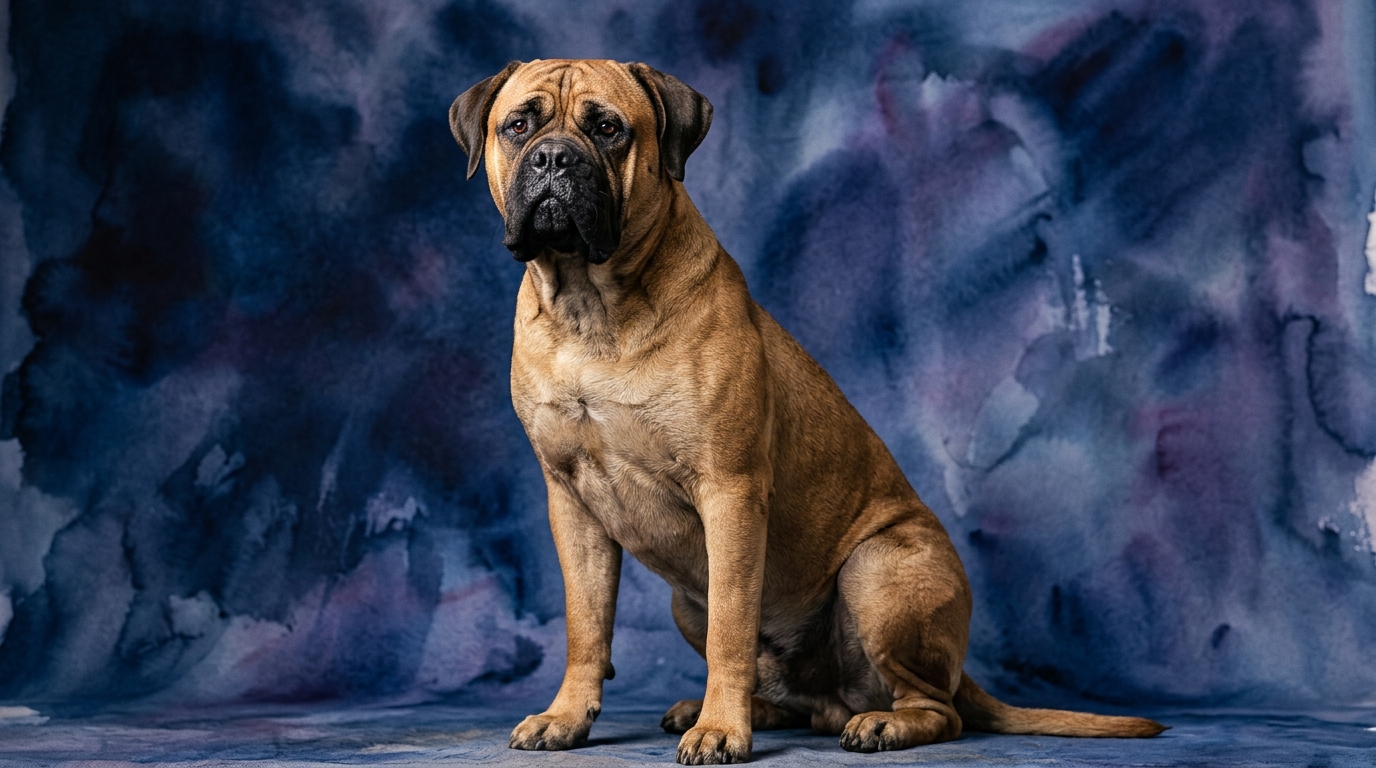
Bullmastiff: Problem Solving (3/5): Bullmastiffs exhibit a moderate capacity for figuring out novel situations or overcoming obstacles independently. Their approach to challenges is often methodical and reliant on learned patterns rather than spontaneous innovation, reflecting a steady, rather than overtly experimental, cognitive style. Training Speed (3/5): When it comes to learning new commands or routines, Bullmastiffs absorb information at a moderate pace. They require consistent, patient repetition and clear communication to solidify new behaviors, developing a strong understanding over time rather than through rapid acquisition. Social Intelligence (3/5): This breed demonstrates a moderate ability to interpret human cues, understand social hierarchies, and adapt their behavior within a family unit. Their social interactions are often characterized by a calm, observant demeanor, allowing them to gauge situations before reacting. Instinctive Drive (3/5): The Bullmastiff's instinctive drive is moderately developed, primarily manifesting as a strong protective instinct for their family and territory. This inherent guardianship shapes much of their engagement with the world, driving their vigilance and loyalty, rather than a strong prey or work drive. Memory (3/5): Bullmastiffs possess a moderate memory, capable of retaining complex commands and experiences over time, especially those associated with routine or significant events. While they remember what they've learned, recall might not be instantaneous without regular reinforcement.
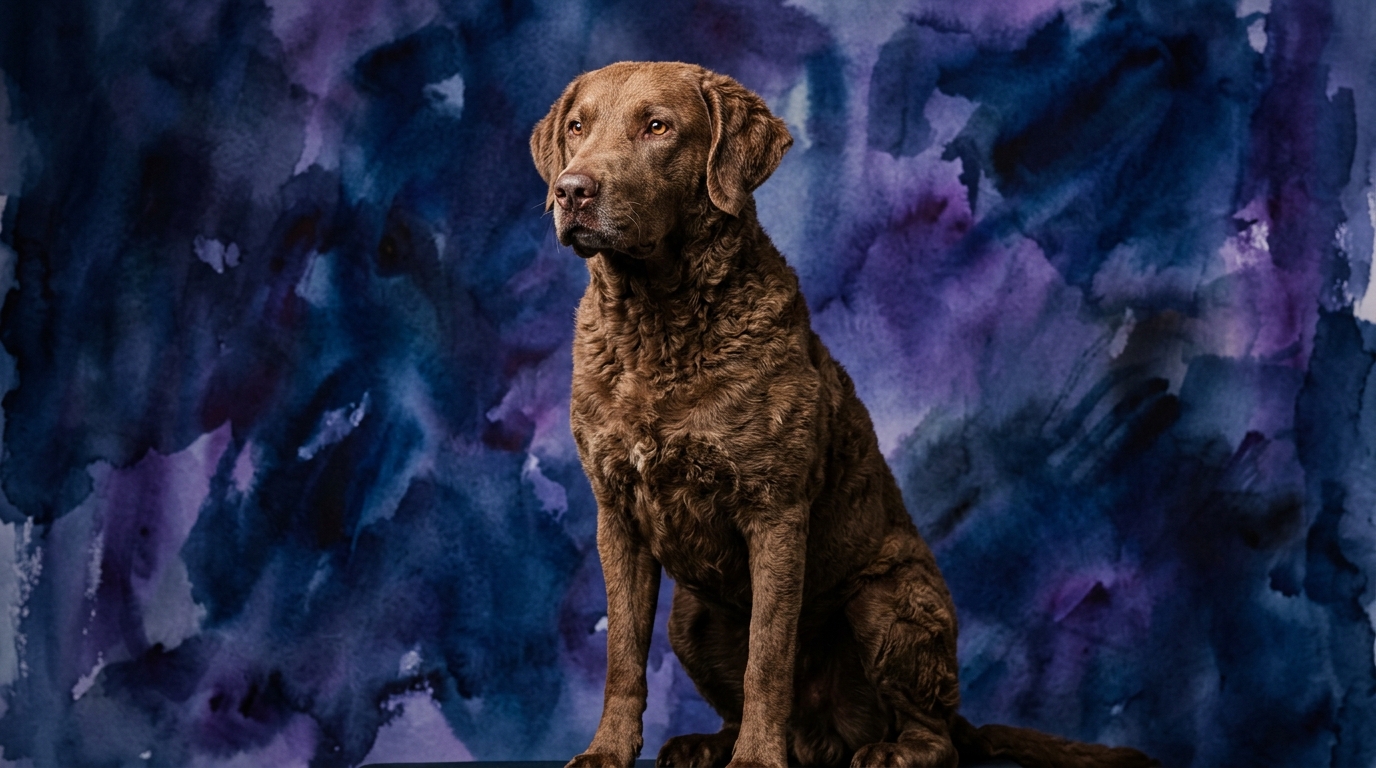
Chesapeake Bay Retriever: Problem Solving (4/5): Chesapeake Bay Retrievers show a high capacity for problem-solving, often demonstrating ingenuity in navigating complex environments or figuring out how to achieve a desired outcome. This breed is adept at thinking on its feet, adapting strategies, and finding creative solutions to challenges. Training Speed (4/5): Chessies learn new commands and tasks at a quick pace, often picking up concepts after only a few repetitions. Their eagerness to work and strong focus contribute to their rapid understanding and retention of training instructions, making them highly responsive to instruction. Social Intelligence (3/5): Like the Bullmastiff, the Chesapeake Bay Retriever displays a moderate level of social intelligence, adept at reading human intentions and understanding social dynamics within their pack. They form strong bonds and are responsive to their owner's moods and commands, though they can sometimes exhibit an independent streak. Instinctive Drive (3/5): The Chessie's instinctive drive, while rated similarly at 3/5, manifests distinctly as a powerful retrieving and working drive, particularly in water environments. This inherent predisposition for purposeful activity fuels their desire to fetch, carry, and engage in tasks, driven by a strong impulse to fulfill their traditional role. Memory (4/5): Chesapeake Bay Retrievers possess a strong memory, allowing them to recall a vast array of commands, locations, and experiences with impressive accuracy and longevity. This robust memory is a significant asset in their training and ability to perform complex, multi-step tasks consistently.
Where Bullmastiff wins cognitively
While the Chesapeake Bay Retriever generally exhibits higher scores in several cognitive dimensions, the Bullmastiff's unique blend of moderate intelligence across the board, particularly their 3/5 social intelligence paired with their inherent guardian nature, offers specific advantages. Their cognitive strength lies in their steady, unwavering presence and their ability to process social cues with a calm, deliberate approach. Unlike some breeds that might react impulsively, a Bullmastiff's moderate problem-solving and training speed mean they often take a moment to assess situations, which can be a distinct advantage in a protective role. This measured cognitive style makes them less prone to overreacting and more likely to make considered judgments, allowing them to be highly discerning guardians who are not easily flustered. Their moderate instinctive drive, rooted in protection rather than high-energy pursuits, means their cognitive resources are consistently channeled towards vigilance and family safety, providing a deep-seated, reliable cognitive focus on their primary role as a companion and protector. This consistent, moderate application of their cognitive abilities fosters a sense of predictable reliability, a valuable trait for owners seeking a stable and watchful presence.
Where Chesapeake Bay Retriever wins cognitively
The Chesapeake Bay Retriever clearly outshines the Bullmastiff in several key cognitive areas, making them a standout for complex tasks and rapid learning. Their superior problem-solving ability (4/5) means Chessies are remarkably adept at navigating novel situations, figuring out how to retrieve an item from a tricky spot, or even opening doors. This cognitive flexibility allows them to adapt quickly to new challenges, making them versatile and resourceful companions. Furthermore, their high training speed (4/5) is a significant advantage; Chessies can grasp new commands and routines with fewer repetitions, demonstrating an eagerness to learn and an impressive capacity for retaining complex sequences. This rapid acquisition of knowledge is complemented by their strong memory (4/5), enabling them to retain a vast repertoire of commands and experiences over long periods, ensuring consistency in performance. This combination of quick learning, effective problem-solving, and robust recall makes the Chesapeake Bay Retriever exceptionally well-suited for advanced obedience, intricate sporting activities, and roles requiring sustained cognitive engagement and independent thought.
Which is easier to train and why
Based on The Cosmic Pet Pet IQ Lab data, the Chesapeake Bay Retriever is generally easier to train than the Bullmastiff. The Chessie's superior training speed (4/5 compared to the Bullmastiff's 3/5) indicates they absorb new commands and routines more quickly, requiring fewer repetitions to solidify behaviors. This is further bolstered by their strong memory (4/5 vs. 3/5), allowing them to retain learned information more effectively and recall it reliably over time. For instance, a Chessie might master a multi-step retrieve sequence in a fraction of the time it would take a Bullmastiff to learn a simpler "stay" command with the same level of proficiency. The Bullmastiff, while trainable, requires a more patient and consistent approach; their moderate training speed means owners must be prepared for more repetition and a longer learning curve. While both breeds benefit from positive reinforcement, the Chessie's innate drive for purpose and their higher problem-solving capacity also contribute to their trainability, as they often actively try to understand what is being asked of them, whereas the Bullmastiff might rely more on established routines and their handler's clear guidance.
Which suits active owners vs relaxed owners
The cognitive profiles of these two breeds distinctly point to different owner lifestyles. The Chesapeake Bay Retriever, with its high problem-solving (4/5), rapid training speed (4/5), and powerful instinctive drive (3/5, focused on retrieving/work), is an ideal match for active owners. These dogs thrive when given a job to do, whether it's participating in dog sports like agility or dock diving, accompanying owners on long hikes, or engaging in complex training exercises that challenge their keen minds. An active owner provides the mental and physical stimulation a Chessie needs to prevent boredom and destructive behaviors, channeling their robust cognitive and physical energy into productive outlets. Conversely, the Bullmastiff, with its moderate scores across all cognitive dimensions, including a 3/5 instinctive drive primarily centered on guardianship, is better suited for more relaxed owners. While they still require consistent training and daily walks, their cognitive needs are less about high-intensity mental puzzles and more about structured routines and companionship. They are content with being a watchful presence, thriving in a home where their protective instincts are appreciated without requiring constant, high-octane engagement. A relaxed owner can provide the calm, consistent environment where a Bullmastiff's steady cognitive style truly shines.
The Verdict
Choose a Bullmastiff if you seek a steadfast, watchful companion who thrives on routine and offers a calm, protective presence, valuing a steady temperament over rapid learning.
Opt for a Chesapeake Bay Retriever if you are an active owner looking for a highly trainable, problem-solving partner eager for engaging work, complex tasks, and outdoor adventures.
🧠 Find Your Pet's IQ Score
Our Pet IQ Lab assessment covers 25+ tests across 5 cognitive dimensions — personalized to your breed.
Take the Full IQ Test →Frequently Asked Questions
How does the Bullmastiff's social intelligence compare to its problem-solving abilities?
The Bullmastiff scores 3/5 in both social intelligence and problem-solving, indicating a balanced, moderate capacity in both areas. They are capable of understanding social cues and solving novel problems, but their approach is often more deliberate and less spontaneous than breeds with higher scores.
Does the Chesapeake Bay Retriever's higher memory score mean they are easier to house train?
A higher memory score (4/5 for the Chessie) certainly aids in house training, as they can quickly remember where to eliminate and associate specific cues with appropriate behavior. Combined with their faster training speed, this generally makes them quicker to house train compared to breeds with lower memory and training scores.
How does the instinctive drive differ between a Bullmastiff and a Chesapeake Bay Retriever despite both scoring 3/5?
While both score 3/5, their instinctive drives manifest differently due to their breed purposes; the Bullmastiff's drive is primarily for guarding and protection, while the Chesapeake Bay Retriever's drive is for retrieving, especially in water, and purposeful work. This means their inherent motivations for action are distinct, despite the similar intensity rating.