Side-by-Side Cognitive Profiles
The Cosmic Pet Pet IQ Lab assesses canine intelligence across five key dimensions, each rated on a scale of 1 to 5. For both the Bullmastiff and the Chow Chow, every dimension registers a score of 3/5, indicating a moderate capacity. Yet, the manifestation of this moderation varies significantly between these two breeds, reflecting their unique histories and temperaments.
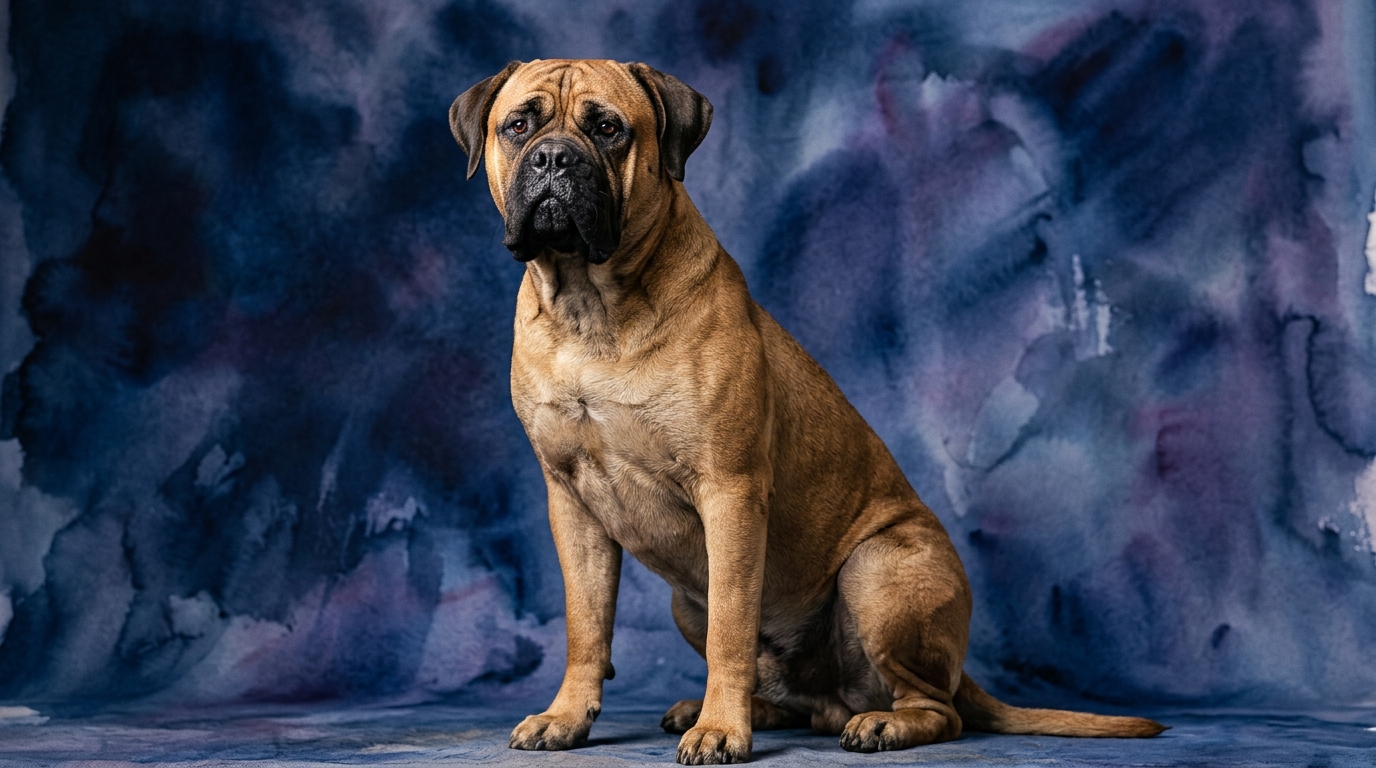
For the **Bullmastiff**, a breed from the Working group, their Problem Solving (3/5) often manifests as practical reasoning, particularly in scenarios related to their protective duties or in understanding household routines. They are capable of figuring out tasks, but their motivation often stems from a desire to please their family or protect their territory. Their Training Speed (3/5) suggests they learn commands with consistency and positive reinforcement, appreciating a clear partnership. Social Intelligence (3/5) in a Bullmastiff means they are discerning; deeply bonded with their inner circle but reserved and watchful with strangers, evaluating new individuals carefully. Their Instinctive Drive (3/5) is strongly oriented towards guarding and vigilance, possessing a natural deterrent presence without excessive prey drive. Memory (3/5) allows them to retain commands, routines, and past interactions with family and perceived threats effectively.
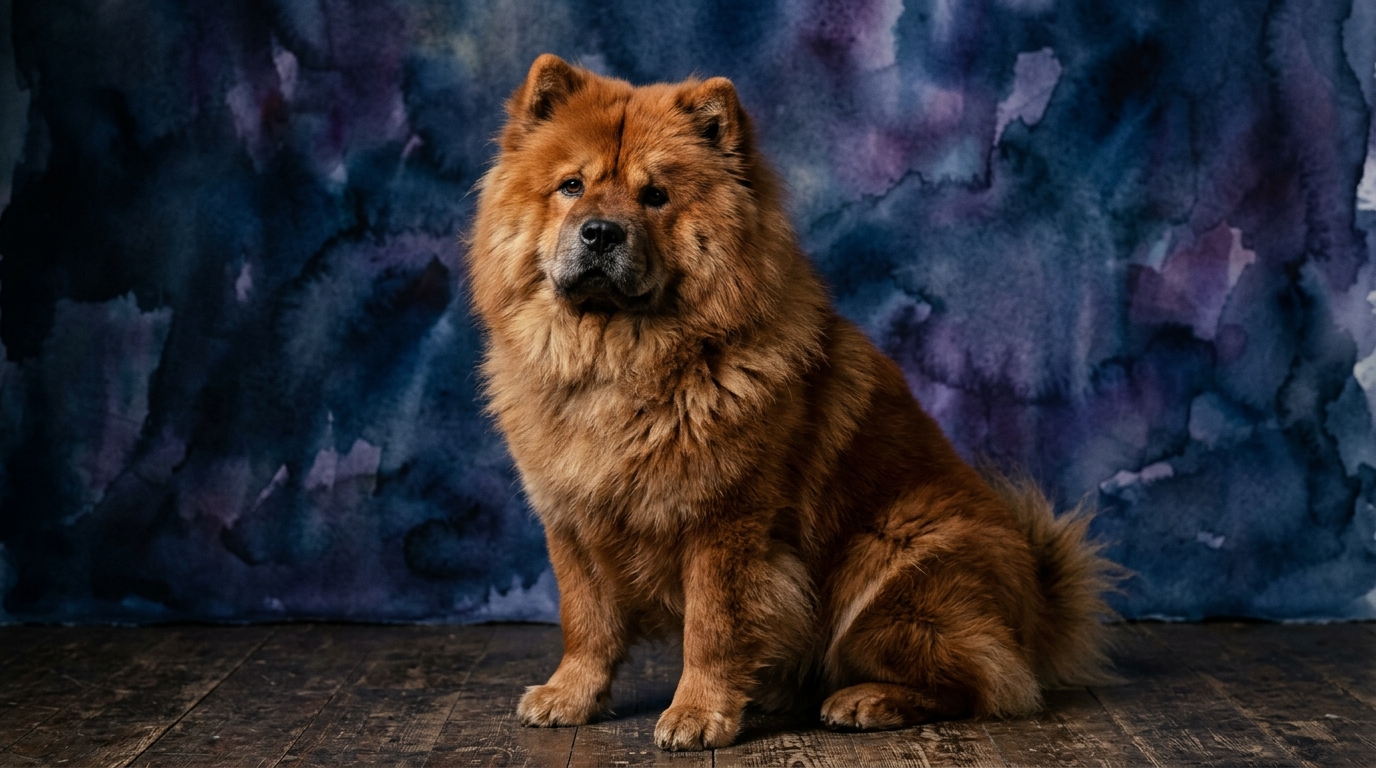
In contrast, the **Chow Chow**, originating from the Non-Sporting group, expresses its moderate cognitive scores through a lens of independence and self-sufficiency. Their Problem Solving (3/5) tends to be more self-directed; they may find solutions to their own comfort or desires, rather than actively seeking to solve puzzles for human approval. Training Speed (3/5) in a Chow Chow requires immense patience and understanding due to their strong-willed nature; they learn at their own pace and are not inherently driven by constant human praise. Social Intelligence (3/5) for this breed is characterized by aloofness; they form deep, selective bonds but are generally indifferent or reserved towards strangers, valuing their personal space. Their Instinctive Drive (3/5) is powerfully territorial and protective of their domain, exhibiting an independent guarding instinct. Memory (3/5) for a Chow Chow is long-lasting, particularly for positive and negative experiences, contributing to their discerning nature and sometimes perceived stubbornness or strong preferences.
Where the Bullmastiff Excels Cognitively
The Bullmastiff's cognitive strengths, even within its 3/5 ratings, often lie in its cooperative problem-solving and its capacity for partnership. A Bullmastiff's problem-solving skills, while moderate, are more readily applied to tasks that involve working alongside their human, such as navigating a new walking route together or understanding complex household rules. This collaborative inclination, rooted in its working heritage, allows its moderate intellect to be more outwardly directed and responsive to human cues.
Furthermore, the Bullmastiff's memory, at 3/5, seems particularly effective in remembering boundaries and social hierarchies within its family unit. They excel at recalling which individuals are 'safe' and which require a watchful eye, making them adept at their protective role. This specific application of memory contributes to a reliable and consistent guardian, able to differentiate subtle social cues over time.
Where the Chow Chow Shines Cognitively
The Chow Chow's cognitive advantages, despite similar scores, often manifest in its independent decision-making and self-reliance. Its 3/5 problem-solving ability is less about seeking human direction and more about figuring out what suits its own needs or preferences. This can translate into a dog that is exceptionally resourceful in its environment, able to entertain itself or navigate situations without constant human intervention, a valuable trait for owners seeking a more self-sufficient companion.
The Chow Chow's moderate instinctive drive, specifically its territoriality, is a cognitive strength in its own right. They possess an unwavering internal compass for their personal space and property, requiring minimal prompting to guard their home. Their memory (3/5) also seems to contribute to this, allowing them to precisely recall past encounters and apply that knowledge to current social interactions, reinforcing their discerning and sometimes aloof nature.
Training Dynamics: Bullmastiff vs. Chow Chow
When it comes to training speed, both breeds register a 3/5, but their underlying motivations create distinct training experiences. The Bullmastiff, while not a lightning-fast learner, typically responds well to consistent, positive reinforcement because they often possess a desire to please their family. Their moderate social intelligence means they are attuned to their owner's moods and expectations, which can be leveraged in training to build a strong, responsive bond. They learn best when they feel they are part of a team, and their physical strength necessitates early and ongoing obedience training.
The Chow Chow, despite the same 3/5 training speed, presents a different challenge. Their independent spirit and strong will mean that they are less inherently motivated by human approval. Training a Chow Chow requires immense patience, creativity, and a deep understanding of their unique personality. They respond poorly to harsh methods and thrive on positive, reward-based training that respects their independence. Owners must be prepared for a dog that learns at its own pace and may choose to comply only if they deem the command worthwhile, a direct reflection of their self-reliant cognitive profile.
Lifestyle Suitability: Active vs. Relaxed Owners
Considering their cognitive profiles, the Bullmastiff generally suits moderately active owners who appreciate a companionable presence. Their moderate instinctive drive for protection, coupled with their desire for family interaction, means they enjoy being involved in household activities and moderate daily exercise like walks. Their social intelligence, while discerning, leads them to seek out companionship with their chosen family, making them excellent, watchful partners for those who enjoy having their dog nearby and engaged.
The Chow Chow, with its independent nature and preference for personal space, is often a better fit for relaxed owners who appreciate a more self-sufficient canine presence. While they require regular, moderate exercise, they are not typically demanding of constant attention or structured activities. Their aloof social intelligence means they are content to observe rather than actively participate in every family endeavor, making them ideal for individuals who value a dog's independent spirit and are comfortable with a less overtly affectionate companion.
The Verdict: When to Choose Each Breed
Choosing between a Bullmastiff and a Chow Chow hinges on your lifestyle and what you seek in a canine companion, especially given their subtly different cognitive applications.
If you desire a loyal, watchful guardian who thrives on partnership and moderate family interaction, and you are prepared for consistent, patient training, the Bullmastiff is an excellent choice. They will integrate deeply into your family, offering a reliable, discerning presence.
The Verdict
Choose the Bullmastiff if you seek a cooperative, protective companion who enjoys being an active, albeit calm, part of the family, and you are ready for consistent, relationship-based training.
Opt for the Chow Chow if you appreciate an independent, dignified companion who guards their space and requires less overt affection or constant engagement, and you are prepared for patient, respectful training methods that honor their strong will.
🧠 Find Your Pet's IQ Score
Our Pet IQ Lab assessment covers 25+ tests across 5 cognitive dimensions — personalized to your breed.
Take the Full IQ Test →Frequently Asked Questions
Are Bullmastiffs difficult to train due to their size?
Bullmastiffs, with their 3/5 training speed, are not inherently difficult but require consistent, firm, and positive training from a young age due to their potential size and strength. Their desire to please helps, but early socialization and obedience are crucial for managing their powerful presence.
Do Chow Chows require a lot of grooming, and does this relate to their intelligence?
Chow Chows require significant grooming to maintain their dense double coat, which is more about their physical needs than their cognitive abilities. However, a Chow Chow's 3/5 social intelligence means they may tolerate grooming better from a trusted family member, viewing it as a necessary routine rather than an enjoyable social interaction.
Which breed is better with children?
Both breeds, with their moderate social intelligence, can be good with children if properly socialized and raised together, but their approaches differ. Bullmastiffs are often gentle giants with their family's children, acting protectively, while Chow Chows are typically tolerant but prefer older, respectful children who understand their need for personal space.