Side-by-Side IQ Profile: Bullmastiff vs. German Pinscher
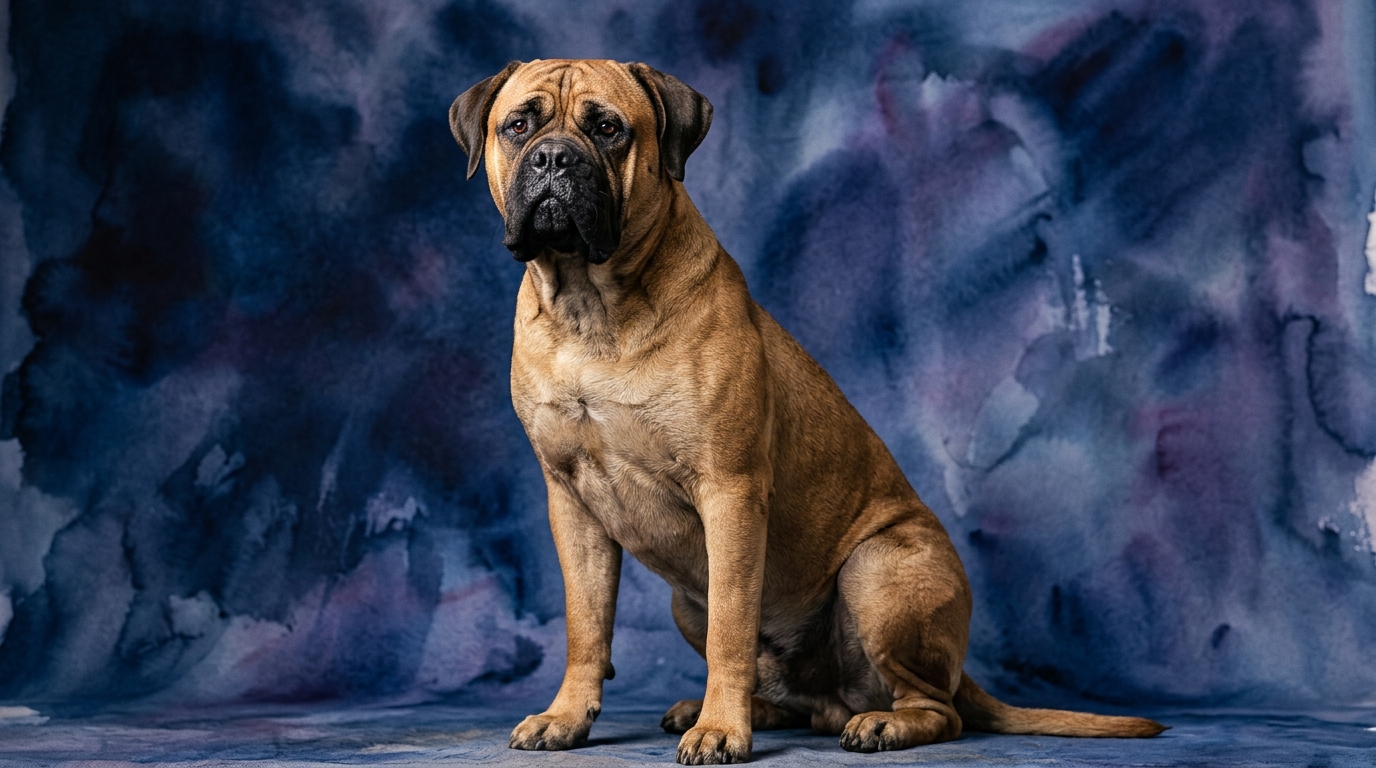
The Bullmastiff, a formidable presence from the Working group and Coren-ranked #69, exhibits a cognitive profile marked by steady deliberation and a deep-seated protective instinct, scoring 3/5 across all evaluated dimensions. Their problem-solving often involves practical, security-focused assessments, like discerning a potential threat or finding the optimal observation point, approaching challenges with a measured, rather than impulsive, consideration. While their training speed is moderate, they respond well to consistent, positive reinforcement, absorbing lessons steadily, especially when commands align with their guardian role. Socially, they display a composed understanding of human emotions and household dynamics, acting as sensitive, watchful companions adept at reading family moods. Their instinctive drive is profoundly centered on protection and companionship, fueling vigilance and a capacity for discerning true threats. They possess a reliable memory for routines, people, and past experiences, particularly those associated with positive interactions or perceived threats, contributing to their consistent loyalty.
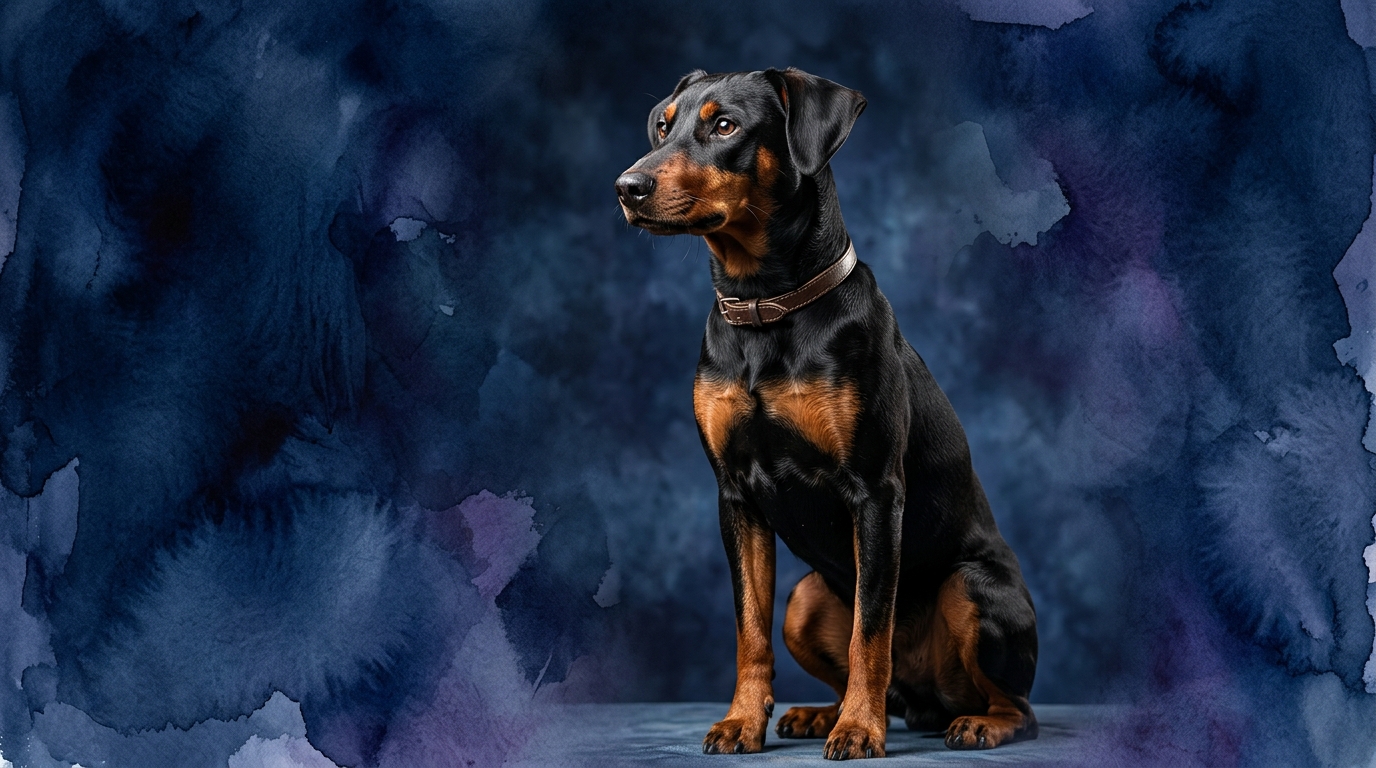
The German Pinscher, another robust member of the Working group, though not Coren-ranked, presents a cognitive landscape characterized by agility, curiosity, and a resourceful spirit, also scoring 3/5 across the board. Their problem-solving is often cunning and practical, reflecting their vermin-hunting heritage, as they creatively figure out how to access objects or navigate complex environments with determination. They learn new commands at a moderate pace, thriving on varied training methods that maintain engagement, and their quick wit means they can sometimes test an inconsistent trainer. Socially, German Pinschers are acutely observant of their surroundings and human interactions, quickly picking up on subtle cues and thriving as an active, integrated part of the household. Their instinctive drive is high-energy, fueled by curiosity and a strong prey drive, making them enthusiastic participants in activities that engage both mind and body. They maintain a good memory for commands, routines, and past adventures, with strong recall for positive reinforcement experiences, making consistent training effective.
Where the Bullmastiff Wins Cognitively
The Bullmastiff's cognitive strengths particularly shine in scenarios demanding composed vigilance and nuanced threat assessment. While both breeds score 3/5 in problem-solving, the Bullmastiff often applies this capacity to complex social situations within their perceived territory, such as strategically positioning themselves to observe new visitors. Their social intelligence, also 3/5, manifests as an exceptional ability to discern the genuine intentions of strangers and the emotional states of their family. This isn't about quick tricks but a deep, steady understanding of their social environment, allowing them to act as discerning guardians with a quiet, observant wisdom. Their memory is finely tuned to remembering specific individuals and their historical interactions, contributing to their consistent, reliable protective demeanor.
Where the German Pinscher Wins Cognitively
The German Pinscher's cognitive edge, also within the 3/5 spectrum, surfaces in contexts requiring adaptability, speed, and ingenious application of their physical capabilities. Their problem-solving often involves navigating dynamic environments or devising strategies to reach a desired object, perhaps by creatively opening a cabinet. This isn't just brute force; it's a clever, agile approach. Their instinctive drive, rated 3/5, fuels a tireless curiosity and exploration, translating into a cognitive advantage in learning complex sequences for agility or quickly adapting to new training challenges. Coupled with their memory, they excel at recalling intricate routes or command chains, making them adept at activities demanding both mental and physical coordination. Their social intelligence often manifests as a quick understanding of social games and playful interactions, responding with lively enthusiasm.
Which is Easier to Train, and Why?
While both breeds hold a 3/5 rating for training speed, the practical experience can differ significantly due to their inherent temperaments and drives. The Bullmastiff, with its deliberate nature and strong sense of purpose, requires patience and understanding. They learn steadily, but their strong will and protective instincts mean trainers must establish clear, consistent leadership, making commands relevant to their guardian role. Repetitive, pointless drills might be met with a calm refusal. Training them builds trust and mutual respect, leveraging their social intelligence for a partnership. The German Pinscher, conversely, brings higher energy and a more independent, sometimes mischievous, spirit. They learn at a moderate pace but bore quickly if training isn't varied and engaging. Their strong prey drive demands careful distraction management, and their problem-solving might lead them to test boundaries if not consistently reinforced. They respond well to positive reinforcement and short, lively sessions. Neither is inherently 'harder,' but the Bullmastiff demands a patient, authoritative presence, while the German Pinscher thrives on stimulating interaction.
Suiting Active vs. Relaxed Owners
For owners seeking a more relaxed, yet watchful, companion, the Bullmastiff often aligns better. Their cognitive profile, while capable, doesn't demand constant, high-intensity mental or physical engagement. They are content with moderate daily exercise and structured routines, serving as a calm, observant presence. Their social intelligence allows them to thrive in a family setting where their role as a steadfast protector is appreciated, without requiring intricate games or constant stimulation. They are thinkers who observe and react when necessary, ideal for individuals or families enjoying a steady, predictable pace of life. The German Pinscher, on the other hand, is a better match for active owners providing ample physical exertion and mental enrichment. Their problem-solving skills and instinctive drive for exploration mean they thrive on activities like agility, obedience trials, or engaging puzzle toys. They require consistent interaction, varied training, and space to run and play to channel their energy constructively. Owners who enjoy hiking or dog sports will find the German Pinscher an enthusiastic partner, eager to engage their keen mind and agile body.
The Verdict
Choose a Bullmastiff if you seek a calm, deliberate guardian who excels at steady observation and deep familial bonds, thriving in a more relaxed household with consistent, respectful guidance.
Opt for a German Pinscher if you desire an energetic, sharp-witted companion eager for varied activities, thriving with active owners who provide consistent mental and physical challenges.
🧠 Find Your Pet's IQ Score
Our Pet IQ Lab assessment covers 25+ tests across 5 cognitive dimensions — personalized to your breed.
Take the Full IQ Test →Frequently Asked Questions
Are Bullmastiffs generally good with children in a family setting?
Bullmastiffs typically display a gentle, patient demeanor with children, often acting as protective guardians. Their social intelligence helps them navigate interactions with youngsters, though supervision is always wise due to their size.
What level of daily exercise does a German Pinscher truly require to stay content?
German Pinschers need significant daily exercise, ideally 60-90 minutes of vigorous activity. Their high instinctive drive and problem-solving abilities mean varied activities like long walks, runs, or agility are crucial for mental and physical engagement.
How do Bullmastiffs and German Pinschers typically interact with other household pets?
Bullmastiffs generally tolerate other pets well, especially if raised together, thanks to their composed social intelligence. German Pinschers can coexist, but their strong prey drive necessitates careful introductions and supervision, particularly with smaller animals.