
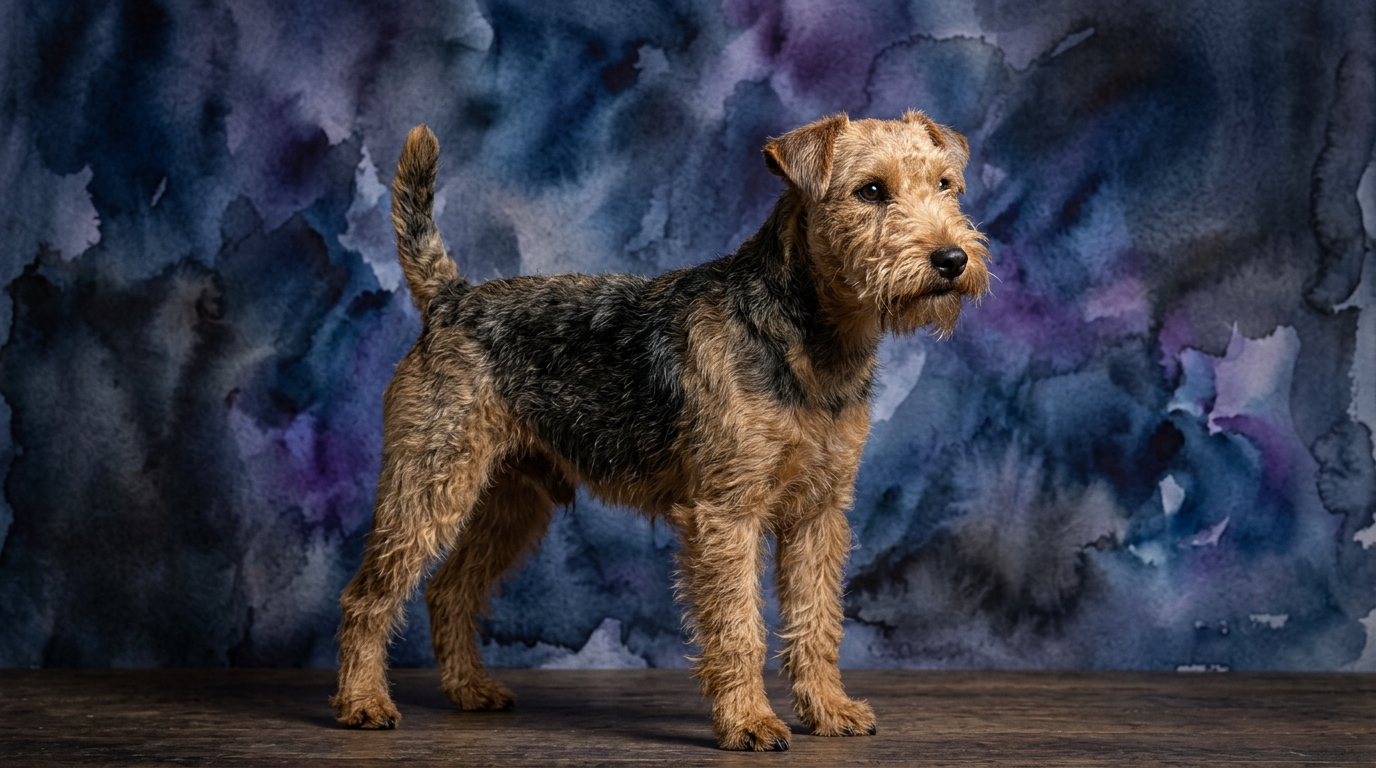
Side-by-Side IQ Profile: Bullmastiff vs. Lakeland Terrier
**Bullmastiff (Working Group, Coren Rank #69)**
**Problem Solving (3/5):** The Bullmastiff approaches challenges with a methodical rather than spontaneous mindset. They often rely on previously learned solutions or persistent, physical attempts to overcome obstacles, such as nudging a gate open or patiently waiting for a routine to unfold, rather than devising novel strategies.
**Training Speed (3/5):** Learning for a Bullmastiff is a deliberate process. They absorb information at a moderate pace, requiring consistent repetition and positive reinforcement to solidify commands. Once a concept is understood and deemed worthwhile, their memory ensures strong retention, though initial uptake may not be rapid.
**Social Intelligence (3/5):** Bullmastiffs display a nuanced social understanding, particularly within their family unit. They are adept at discerning their owner's moods and intentions, responding with protective vigilance or comforting presence. While reserved with strangers, their social radar is finely tuned to threats or changes in their familiar environment.
**Instinctive Drive (3/5):** Their primary instinctive drive centers on guarding and protecting their territory and family, a legacy of their gamekeeper origins. This manifests as a watchful demeanor and a readiness to intervene if perceived danger arises, rather than a strong urge to hunt or chase small animals.
**Memory (3/5):** Bullmastiffs possess a solid memory for routines, people, and places. They remember training cues, favorable interactions, and household schedules, contributing to their reliability and ability to integrate seamlessly into a structured home life.
**Lakeland Terrier (Terrier Group, Not Coren-Ranked)**
**Problem Solving (3/5):** Lakeland Terriers exhibit a tenacious and often independent approach to problem-solving. Faced with a puzzle, especially one involving access to something interesting (like a burrow or a treat), they will experiment with various actions – digging, nudging, barking – until a solution is found, demonstrating persistence over complex reasoning.
**Training Speed (3/5):** These terriers can pick up new commands with surprising speed, but their attention span and independent nature mean consistency is key. They learn quickly when motivated and engaged, yet can just as swiftly become distracted by their environment or decide their own agenda is more pressing than the training session.
**Social Intelligence (3/5):** Lakelands are socially astute, capable of reading their owner's emotions and often using their charm to get what they want. They can be assertive in interactions with other dogs and people, understanding social hierarchies and boundaries, though sometimes pushing them.
**Instinctive Drive (3/5):** The Lakeland Terrier's instinctive drive is profoundly shaped by their heritage as vermin hunters. This translates into a robust prey drive, an urge to dig, and a keen interest in exploring scents and small movements, making them highly responsive to environmental stimuli.
**Memory (3/5):** Lakelands have a good memory for places, people, and experiences, particularly those associated with excitement or reward. They recall training cues and routines, but also remember which behaviors successfully yielded a desired outcome, even if it was mischievous.
Where the Bullmastiff Wins Cognitively
The Bullmastiff's cognitive strengths shine in areas demanding steadfastness and a deep understanding of social roles within a family structure. Their 3/5 social intelligence score, combined with their instinctive drive for protection, allows them to excel in discerning subtle shifts in household dynamics or potential threats, making them astute guardians. While not quick to innovate, their methodical problem-solving and reliable memory mean they are exceptional at adhering to established routines and learning complex household rules, providing a sense of predictable calm. Owners find their consistent application of learned behaviors, once imprinted, to be a significant cognitive advantage for a stable home environment.
Where the Lakeland Terrier Wins Cognitively
The Lakeland Terrier's cognitive advantages are most apparent in their resourceful persistence and adaptability within dynamic environments. Their 3/5 problem-solving ability, though not necessarily complex, is marked by an unyielding drive to achieve goals, particularly those linked to their strong instinctive urges like digging or chasing. This tenacity allows them to overcome physical barriers or figure out how to access desired items through sheer trial and error. Furthermore, their moderate training speed, coupled with their alertness, means they are quick to react to new stimuli and can adapt their behavior rapidly in varied outdoor settings, making them highly effective at navigating unpredictable situations.
Training Dynamics: Which is Easier to Train and Why?
Determining which breed is “easier” to train depends heavily on the owner's approach and expectations. The Bullmastiff, with a training speed of 3/5, learns at a steady pace. They require consistent, patient, and positive reinforcement, but once a command or behavior is truly understood and accepted, their strong memory ensures it's retained. Their desire to please their family, combined with a relatively lower distraction threshold compared to the terrier, makes them reliable students in a structured environment. However, they can be stubborn if they don't see the point, necessitating clear motivation.
The Lakeland Terrier, also rated 3/5 for training speed, can grasp concepts quickly due to their alertness. However, their independent nature and powerful instinctive drives (prey drive, digging) mean they are easily distracted. Training a Lakeland requires engaging, varied sessions to maintain their interest and prevent boredom, which can lead to selective hearing. Their problem-solving tenacity can also apply to figuring out how to *avoid* a command. Therefore, while a Bullmastiff might take longer to initially learn, their subsequent performance is often more consistent. A Lakeland might learn faster, but maintaining that trained behavior in distracting environments requires more creative and persistent effort from the owner to counteract their independent spirit and strong natural urges.
Lifestyle Match: Active vs. Relaxed Owners
For owners seeking a more relaxed companion, the Bullmastiff is typically a better fit. Once past their puppy stage, their energy levels are moderate, and they are generally content with a couple of substantial walks per day and plenty of indoor companionship. Their 3/5 instinctive drive is primarily focused on guarding and family proximity, not demanding constant physical exertion or intricate mental puzzles beyond their routine. They thrive on calm predictability and a deep connection with their human family, making them ideal for individuals or families who prefer a more sedate lifestyle and enjoy a large, comforting presence.
Conversely, the Lakeland Terrier is best suited for active owners. Their robust 3/5 instinctive drive, rooted in their hunting heritage, necessitates significant physical and mental stimulation. They excel with owners who enjoy hiking, dog sports like agility, or engaging in extensive play sessions. Their problem-solving abilities, while not complex, are often applied to finding new ways to explore or chase, meaning they require outlets for this inherent tenacity. A Lakeland will become bored and potentially destructive without consistent engagement, making them a vibrant, challenging, and rewarding companion for those with an energetic lifestyle and a commitment to channeling their terrier spirit.
The Verdict
When choosing a companion based on cognitive compatibility, consider the Bullmastiff if you value a loyal, calm, and protective presence who thrives on routine and deep family bonds, and you are prepared for a consistent, patient training approach to embed behaviors.
Opt for the Lakeland Terrier if you appreciate an independent, spirited, and energetic companion, are willing to engage in varied activities and consistent, engaging training to channel their strong drives, and enjoy a dog that approaches life with tenacious curiosity.
🧠 Find Your Pet's IQ Score
Our Pet IQ Lab assessment covers 25+ tests across 5 cognitive dimensions — personalized to your breed.
Take the Full IQ Test →Frequently Asked Questions
Do Bullmastiffs or Lakeland Terriers excel at dog sports?
The Lakeland Terrier, with its agility, tenacity, and quick reactions, is generally better suited for dog sports like agility, earthdog trials, or flyball, provided their independent streak is channeled effectively. Bullmastiffs can participate in activities like obedience or weight pulling, but their size and more deliberate nature make them less inclined towards high-speed, agile sports.
How do their differing instinctive drives impact their training?
The Bullmastiff's guarding drive means training often focuses on appropriate protective responses and socialization to prevent undue suspicion. The Lakeland Terrier's strong prey drive and digging instinct require focused training to manage these urges, such as reliable recall and impulse control, to prevent them from bolting after wildlife or excavating your garden.
Are these breeds good for first-time dog owners?
Both breeds present unique challenges that might be demanding for a first-time owner. Bullmastiffs require an owner who understands large breed needs, potential stubbornness, and early socialization. Lakeland Terriers need an owner prepared for their high energy, independent nature, and strong terrier drives, which necessitate consistent, engaging training and management.