Side-by-Side Cognitive Profiles: Decoding the '3/5' Scores
When we assign a score of 3/5 across the five key dimensions of intelligence, it signifies an average capacity within the canine spectrum, but the *way* that average capacity is expressed can be profoundly influenced by a breed's history and purpose. For both the Bullmastiff and the Parson Russell Terrier, these identical numerical ratings mask a rich tapestry of distinct cognitive styles.
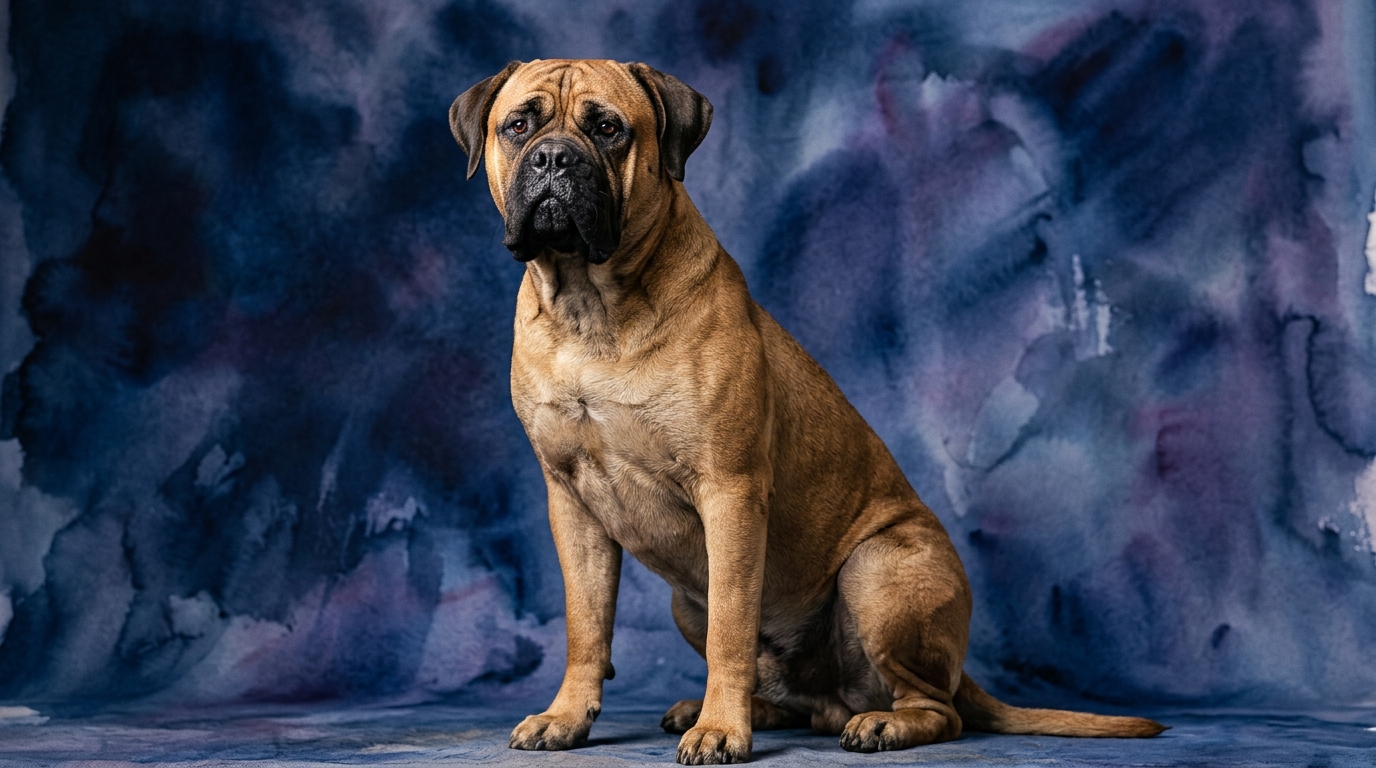
The **Bullmastiff**, a Working group sentinel, demonstrates a **Problem Solving** score of 3/5 that typically involves practical, situation-based reasoning, especially concerning their perceived duties of guarding and family protection. They might excel at assessing a new person's intent or navigating their familiar territory efficiently, rather than solving complex mechanical puzzles. Their **Training Speed** at 3/5 suggests they grasp commands with consistent effort, absorbing information at a steady pace without the lightning-fast acquisition seen in some herding breeds. They are not necessarily quick to comply if their independent nature or a perceived threat takes precedence. **Social Intelligence** at 3/5 means they are adept at reading human emotions, understanding household dynamics, and discerning friend from foe within their trusted circle, often exhibiting a deep, quiet connection with their primary caregivers. Their **Instinctive Drive** also sits at 3/5, prominently featuring a strong protective and territorial instinct, expressed through vigilance and a discerning nature, rather than an overwhelming prey drive. Finally, their **Memory** at 3/5 ensures they retain routines, remember people they have encountered, and recall past experiences, particularly those related to their home environment and family interactions, contributing to their reliable nature.
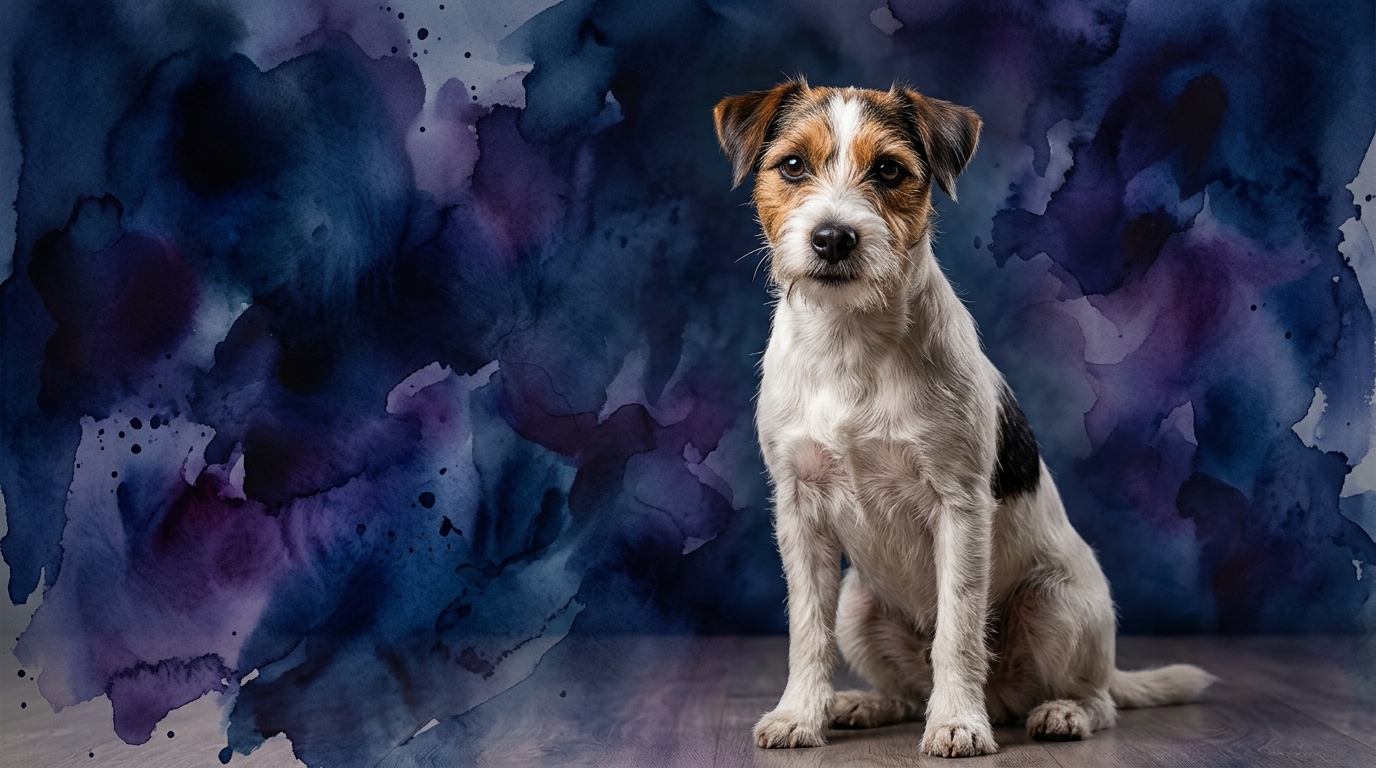
The **Parson Russell Terrier**, a tenacious Terrier, also scores 3/5 in **Problem Solving**, but this manifests quite differently. Their intellect shines in finding creative solutions to physical challenges, such as locating elusive critters, navigating dense undergrowth, or figuring out how to access a forbidden treat. This is a practical, often independent problem-solving rooted in their hunting heritage. Their **Training Speed** of 3/5 indicates they are capable of learning new commands and tricks at an average rate, often with enthusiasm, though their independent streak and high energy can sometimes make them seem less focused than their cognitive capacity suggests. **Social Intelligence** at 3/5 enables them to quickly understand social cues within a family or a dog pack, often employing their perceptive abilities to instigate play or achieve their desired outcomes. Their **Instinctive Drive** is a robust 3/5, overwhelmingly defined by an intense prey drive, a persistent urge to dig, and an inclination to chase and vocalize, all deeply ingrained from their historical role as fox hunters. Their **Memory** at 3/5 allows them to recall the location of past 'prey,' remember training cues, and learn from experiences, especially those that involved a chase, exploration, or a rewarding outcome.
Where the Bullmastiff's Cognition Shines
The Bullmastiff's cognitive strengths lie in their deliberate assessment and unwavering loyalty. While their problem-solving isn't about intricate puzzles, their 3/5 score in this area is specifically tailored for evaluating situations that impact their family's safety or comfort. They excel at discerning subtle changes in their environment or in human demeanor, often reacting with a calm, measured response rather than impulsive action. This manifests as a deep understanding of their household's rhythm and a quiet vigilance.
Their social intelligence, also 3/5, is particularly refined in understanding the emotional landscape of their immediate human family. A Bullmastiff can often sense a shift in their owner's mood or needs, offering a comforting presence without being overtly demonstrative. This nuanced perception allows them to integrate seamlessly into a family unit, providing a stable and reassuring presence, making them exceptional at providing emotional support through their quiet, watchful companionship. Their memory, combined with this social perception, means they remember who belongs and who doesn't, building a reliable internal database of their world.
Where the Parson Russell Terrier's Intellect Excels
The Parson Russell Terrier's cognitive advantages are rooted in their independent spirit and relentless drive. Their 3/5 problem-solving ability is geared towards overcoming obstacles and challenges in real-time, often without human direction. This might involve creatively finding a way through a fence to investigate a scent or devising a strategy to retrieve a toy from an inaccessible spot. Their keen observational skills enable them to quickly map out their surroundings and identify opportunities for exploration or 'work.'
Their instinctive drive, a powerful 3/5, fuels their cognitive processes, making them exceptionally persistent in tasks related to their heritage, like tracking scents or digging. This tenacity, while sometimes challenging for owners, is a testament to their focused mental energy. Their memory, combined with this drive, means they retain information about successful hunting or exploratory endeavors, constantly refining their approach to new challenges. Their social intelligence, too, is often expressed through their ability to 'charm' or manipulate situations to their advantage, showcasing a quick wit in interactions with both humans and other animals.
Training Dynamics: A Tale of Patience vs. Persistence
When it comes to training, both breeds present unique considerations despite their identical 3/5 training speed. A Bullmastiff's training journey often requires immense patience and consistency. While they are generally eager to please their loved ones, their independent nature and tendency towards a more deliberate pace mean that learning isn't always instantaneous. They respond best to positive reinforcement, gentle guidance, and understanding their motivations, which are often centered around maintaining a peaceful home. Rushing them or using harsh methods can lead to stubbornness or withdrawal, highlighting that their average training speed requires a thoughtful, calm approach to truly engage their cognitive processes.
The Parson Russell Terrier, in contrast, learns quickly and enthusiastically, reflecting their 3/5 training speed, but their strong instincts and high energy can make compliance a constant negotiation. They might grasp a command in a few repetitions, but whether they choose to execute it when a squirrel darts by is another matter entirely. Their independent problem-solving and intense prey drive mean trainers must be creative, keeping sessions engaging, short, and varied to hold their attention. Channeling their tireless energy and natural curiosity into structured activities like agility or scent work can be highly effective, as it aligns with their inherent cognitive strengths and helps manage their powerful instinctive drives. For the Parson Russell, training isn't just about teaching commands; it's about building a partnership that respects their spirited nature.
Matching Canine Cognition to Owner Lifestyles
The cognitive profiles of these two breeds, even with their identical scores, dictate vastly different ideal living situations. The Bullmastiff, with its deliberate problem-solving and protective social intelligence, often thrives with owners who appreciate a more relaxed, yet attentive, companion. While they need regular, moderate exercise to maintain physical and mental health, they are not dogs that demand constant high-intensity activity. Their guarding instincts make them vigilant observers, content to be close to their family, making them well-suited for individuals or families who enjoy quieter pursuits at home but are committed to consistent, calm training and early socialization to refine their natural protective tendencies. They require owners who understand and respect their placid yet watchful demeanor.
The Parson Russell Terrier, on the other hand, is an ideal match for active owners who can provide ample mental and physical stimulation. Their independent problem-solving, coupled with a powerful instinctive drive, means they need outlets for their energy and curiosity. Owners who enjoy activities like hiking, running, dog sports (such as agility or earthdog trials), or consistent interactive play will find a joyful and engaged companion. A relaxed owner who cannot meet their needs for exploration and 'work' may find themselves with a bored and potentially destructive dog, as their cognitive abilities demand an engaged lifestyle to prevent frustration and channel their spirited intellect productively. They flourish when their intelligence is challenged with varied tasks and adventures.
The Verdict
Choose a Bullmastiff if you seek a calm, watchful companion whose intelligence shines in quiet loyalty and discerning protection, fitting a moderately active to relaxed household. They offer a deep, steady presence.
Opt for a Parson Russell Terrier if you are an active owner prepared to channel a tenacious, independent intellect into adventures and consistent, engaging training. They thrive on challenge and exploration.
🧠 Find Your Pet's IQ Score
Our Pet IQ Lab assessment covers 25+ tests across 5 cognitive dimensions — personalized to your breed.
Take the Full IQ Test →Frequently Asked Questions
Do Bullmastiffs need a lot of exercise to keep their minds stimulated?
Bullmastiffs require moderate daily exercise to maintain their physical health and mental well-being, but they aren't marathon runners. Their mental stimulation often comes from being part of the family routine and observing their environment, rather than intense physical challenges. Consistent, calm training and early socialization are key to engaging their discerning minds.
Are Parson Russell Terriers good for first-time dog owners?
Parson Russell Terriers can be a handful for first-time owners due to their high energy, strong prey drive, and independent problem-solving nature. They require consistent, creative training and significant commitment to physical and mental stimulation. Owners new to dogs should be prepared for a spirited companion and consider professional guidance to manage their unique cognitive and behavioral traits effectively.
How do the '3/5' social intelligence scores differ between these breeds?
While both score 3/5, the Bullmastiff's social intelligence often manifests as a deep, quiet understanding of their family's emotional states and a discerning nature towards strangers. The Parson Russell Terrier's social intelligence is more about quickly assessing situations, often using their perception to instigate play or achieve their goals, demonstrating a lively and sometimes cheeky understanding of social dynamics.