Side-by-Side Cognitive Profiles: Bullmastiff vs. Pekingese
While both the Bullmastiff (Coren rank #69) and the Pekingese (Coren rank #77) share identical 3/5 scores across The Cosmic Pet’s five cognitive dimensions, their manifestation of these intellectual capacities is profoundly shaped by their breed history and physical attributes. The Coren ranking, which primarily reflects working and obedience intelligence, suggests the Bullmastiff possesses a slight edge in its readiness to understand and obey human commands, a distinction that becomes clearer when examining each dimension in detail.
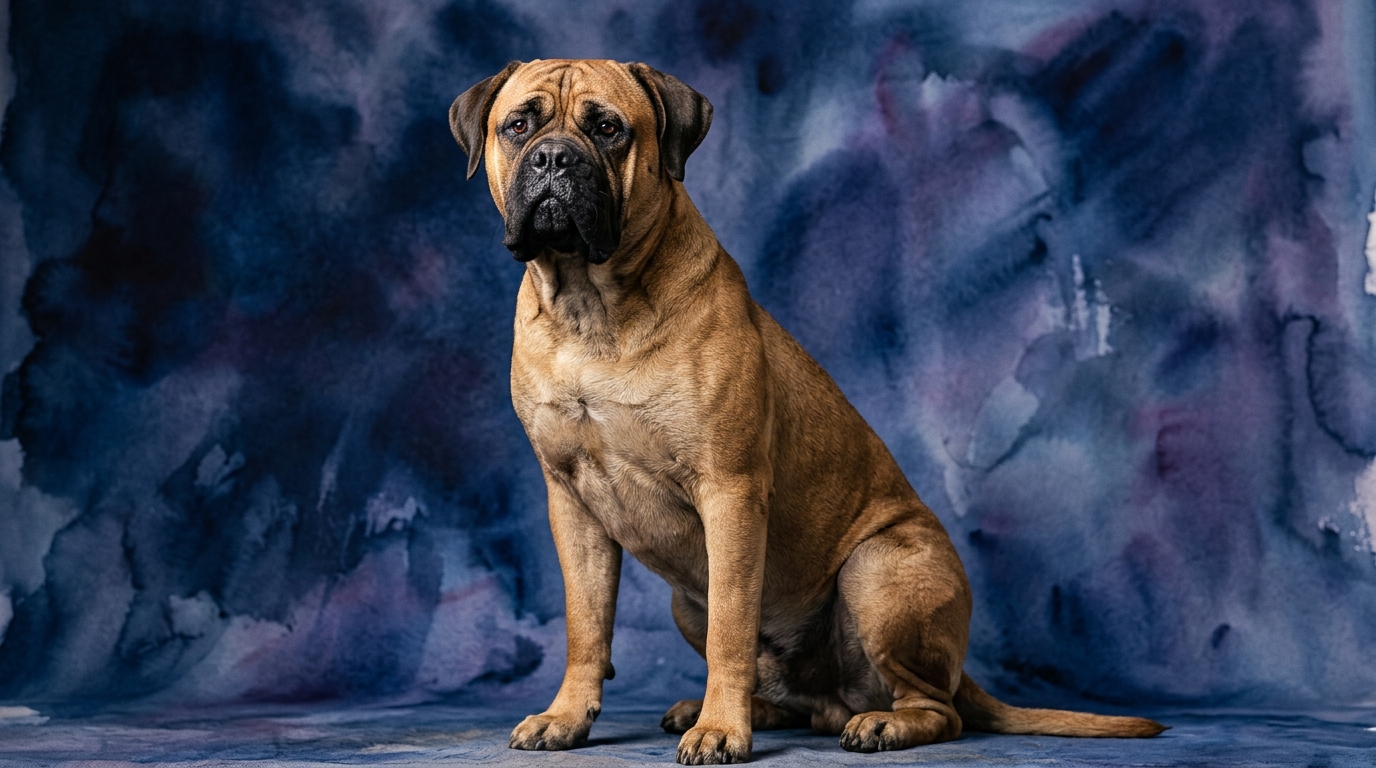
**Bullmastiff (Working Group, Coren Rank #69)**
**Problem Solving (3/5):** The Bullmastiff typically approaches challenges with a deliberate, often watchful demeanor. They are not prone to impulsive actions but rather observe situations, utilizing their considerable physical presence and memory to navigate obstacles, such as figuring out how to bypass a new barrier or access a desired location. Their solutions tend to be practical and persistent, reflecting a thoughtful rather than flashy ingenuity.
**Training Speed (3/5):** Learning new commands requires a steady, consistent approach with a Bullmastiff. They respond well to positive reinforcement and clear, unambiguous instructions, retaining what they learn reliably once the concept is grasped. While not a breed that picks up complex sequences in a handful of repetitions, their capacity for solid retention makes patience and repetition key to successful training.
**Social Intelligence (3/5):** Bullmastiffs exhibit a profound social awareness, particularly within their immediate family unit. They are adept at reading their owners' moods and intentions, often acting as silent, watchful protectors. Their social intelligence is geared towards discerning legitimate threats from harmless strangers, and they form deep, unwavering bonds with their trusted humans.
**Instinctive Drive (3/5):** Their instinctive drive is strongly rooted in their historical role as guardians. This manifests as a natural inclination to protect their home and family, often without explicit command. While their prey drive is generally moderate, their protective instincts are pronounced, making them alert and responsive to unusual sounds or presences.
**Memory (3/5):** Bullmastiffs possess a solid memory for routines, people, and places. They reliably recall past training, preferred walking routes, and the individuals who have treated them kindly or otherwise. This robust memory greatly aids in their guarding duties and reinforces their bond with their family through consistent interactions and shared experiences.
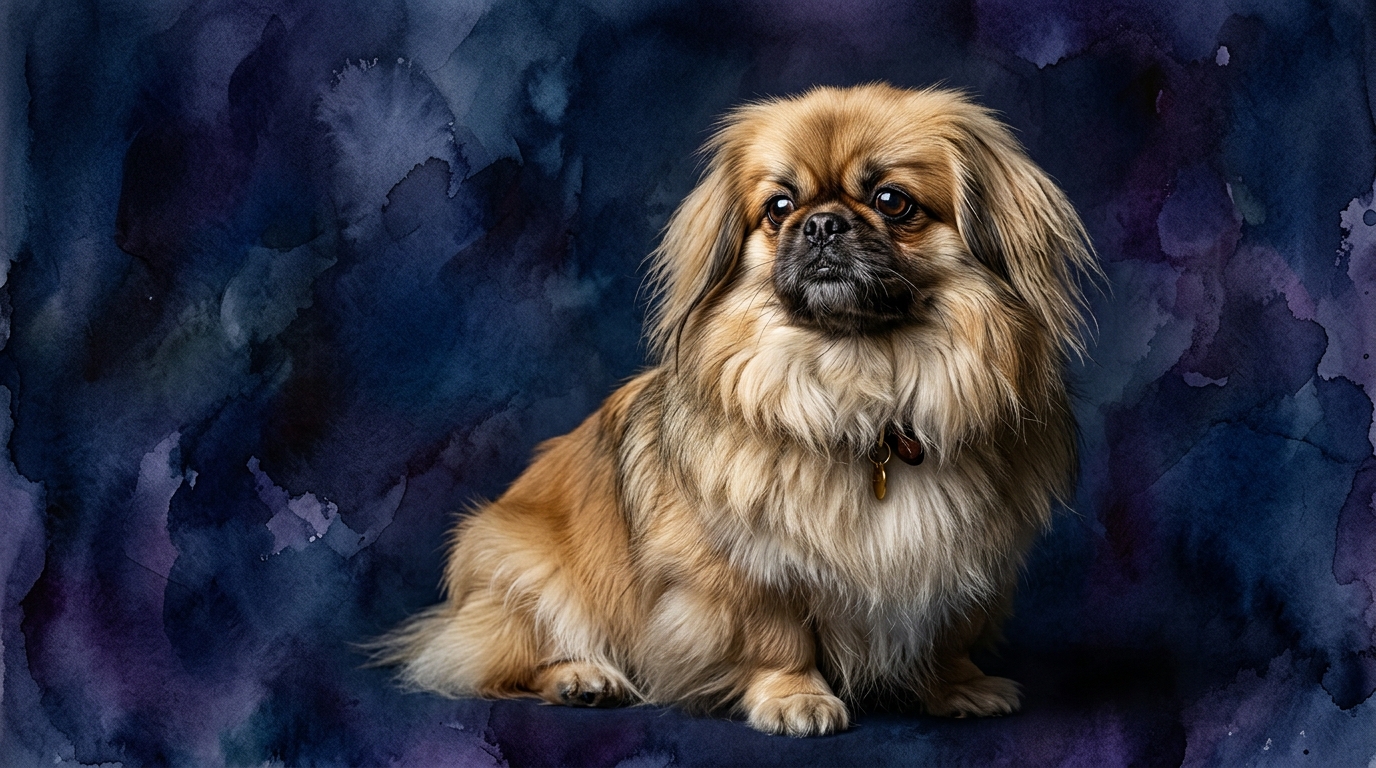
**Pekingese (Toy Group, Coren Rank #77)**
**Problem Solving (3/5):** The Pekingese often displays problem-solving skills rooted in resourcefulness and a keen desire for comfort or attention. They might cleverly figure out how to get onto a forbidden couch, or how to subtly signal their needs to their human companion. Their solutions are often less about physical tasks and more about manipulating their environment or their people to achieve a desired, often self-serving, outcome.
**Training Speed (3/5):** While capable of learning, the Pekingese’s training speed is significantly influenced by their independent and sometimes regal disposition. They learn most effectively with highly motivating rewards and a fun, engaging approach. They can be selective about what they choose to obey, meaning consistency and making training seem like their own idea are crucial for progress.
**Social Intelligence (3/5):** Pekingese are highly attuned to the emotional climate of their immediate family, often providing quiet companionship or seeking comfort when sensing distress. While they can be reserved with strangers, they form exceptionally deep and perceptive bonds with their chosen humans, understanding subtle cues and preferences with remarkable intuition.
**Instinctive Drive (3/5):** The Pekingese's instinctive drive is primarily focused on companionship and self-preservation within a comfortable domestic setting. They possess a strong sense of territory regarding their personal space and preferred resting spots, and their 'guardian' instincts are more about alerting to intruders than engaging. Their prey drive is typically low, focusing instead on their role as a devoted companion.
**Memory (3/5):** Pekingese have a good memory for comfort zones, preferred individuals, and established household routines, especially those involving meal times or treats. They reliably remember which humans provide the best snuggles and which spots offer the most warmth, contributing to their ability to navigate their home life with ease and maximum personal satisfaction.
Where the Bullmastiff Wins Cognitively
Given their heritage, Bullmastiffs often demonstrate a cognitive edge in tasks requiring sustained focus, physical presence, and a nuanced understanding of boundaries. Their problem-solving, rated 3/5, often manifests as a deliberate, thoughtful approach to navigating physical obstacles or understanding complex household rules. For instance, a Bullmastiff might more readily comprehend the concept of a 'no-go' zone within a large property, internalizing the spatial logic rather than simply reacting to a barrier.
Their social intelligence, also 3/5, shines in situations demanding a discerning assessment of strangers; they are less likely to be swayed by superficial friendliness and more likely to evaluate intent, making them superior judges of character in a protective context. This protective instinct, a core part of their 3/5 instinctive drive, means their cognitive faculties are constantly engaged in monitoring their environment for potential threats, a role they undertake with a quiet, unwavering dedication that few other breeds can match. Their memory for these spatial and social dynamics further solidifies their advantage in maintaining household order and safety.
Where the Pekingese Wins Cognitively
Conversely, the Pekingese excels in areas demanding subtle manipulation, emotional attunement, and an efficient approach to securing comfort. Their 3/5 problem-solving often translates into clever strategies for maximizing their personal well-being within a human household; they might figure out the precise time their owner is most susceptible to a treat request, or how to position themselves for optimal warmth in a sunbeam. Their social intelligence, also 3/5, is exceptionally tuned to the emotional nuances of their immediate family, allowing them to offer comforting presence or demand attention with remarkable precision.
This isn't about guarding, but about companionship at a deep, intuitive level. Their memory, likewise 3/5, is particularly strong for personal preferences, preferred people, and the intricacies of their daily comfort rituals, meaning they rarely forget who provides the best belly rubs or where the tastiest crumbs might fall. This refined cognitive focus on personal comfort and emotional connection gives them a distinct advantage in navigating the complexities of a devoted companion role.
Training Dynamics: Bullmastiff vs. Pekingese
While both breeds score 3/5 in training speed, their underlying motivations and physical attributes create distinct training experiences. The Bullmastiff, with its Coren rank of #69, generally proves easier to train in traditional obedience. Their working heritage means they often possess a greater willingness to engage in structured learning and respond to commands, driven by a desire to please their family and fulfill a perceived 'role.' Their substantial size and strength necessitate consistent, clear, and positive reinforcement from an early age, but once they grasp a concept, their memory (3/5) ensures it's retained. They thrive on routine and a firm but gentle hand, making them receptive to learning complex commands and manners.
The Pekingese, ranked #77 by Coren, presents a different training challenge. Their independent spirit and self-assured nature mean they are less inherently motivated by strict obedience. While their 3/5 training speed indicates they are capable of learning, success hinges on making training highly rewarding, engaging, and perceived as their own choice. They respond best to positive reinforcement, especially food-based rewards, and can quickly disengage if training becomes repetitive or coercive. Housetraining, for instance, can require significant patience and consistency with a Pekingese due to their small bladders and occasional selective hearing, whereas a Bullmastiff, while requiring diligent housetraining due to size, often grasps the concept more readily with consistent outdoor access. Essentially, the Bullmastiff often seeks to understand and comply, while the Pekingese often seeks to understand what's in it for them.
Lifestyle Match: Active vs. Relaxed Owners
The choice between a Bullmastiff and a Pekingese also hinges significantly on an owner's lifestyle and activity levels. A Bullmastiff, despite its imposing size, is not a hyperactive breed, but it certainly requires an owner who can commit to moderate, consistent activity and mental engagement. This includes daily structured walks, opportunities for supervised outdoor exploration, and ongoing training to keep their thoughtful minds stimulated. Owners who appreciate a dog that can join them for leisurely hikes, enjoy consistent training sessions, and serve as a watchful, calm presence will find the Bullmastiff a rewarding companion. They suit individuals or families who are 'active' in the sense of being engaged and consistent, rather than constantly on the go.
Conversely, the Pekingese is an ideal match for more relaxed owners. Their exercise needs are minimal, consisting of short daily walks and indoor play. They thrive in a calm, comfortable home environment and are perfectly content to spend much of their day napping on a soft cushion or observing household activities from a favored perch. While they still benefit from mental stimulation through gentle play and puzzle toys, and consistent training for good manners, their physical demands are low. They are best suited for individuals or families who cherish a devoted, low-impact companion and can provide ample lap time and quiet companionship, rather than seeking a partner for strenuous outdoor adventures.
The Verdict
The Bullmastiff is an excellent choice for individuals or families seeking a steadfast, protective companion who thrives on consistent guidance and a clear role within the household, appreciating their thoughtful approach to learning and unwavering loyalty.
Opt for a Pekingese if you desire a charming, independent companion who excels at close companionship and can navigate a calm home environment with cleverness, provided you appreciate their unique motivation and gentle training needs.
🧠 Find Your Pet's IQ Score
Our Pet IQ Lab assessment covers 25+ tests across 5 cognitive dimensions — personalized to your breed.
Take the Full IQ Test →Frequently Asked Questions
Do Bullmastiffs need a lot of mental stimulation?
Yes, Bullmastiffs, with their 3/5 problem-solving and memory, benefit greatly from consistent mental stimulation beyond just physical exercise. This can include training sessions, puzzle toys, and opportunities to observe and 'guard' their environment, which keeps their thoughtful minds engaged and prevents boredom.
Are Pekingese difficult to housetrain?
Pekingese can sometimes present a challenge with housetraining due to their small size, which means smaller bladders, and their independent nature. Success requires extreme consistency, frequent potty breaks, and a highly positive reinforcement approach to overcome their potential stubbornness and ensure reliable habits.
How do their social intelligence scores manifest differently?
While both score 3/5, the Bullmastiff's social intelligence manifests as a discerning protector, keenly aware of family dynamics and potential threats. The Pekingese's social intelligence, on the other hand, focuses on deep emotional attunement with its immediate family, understanding moods and subtly communicating its desire for comfort and companionship.