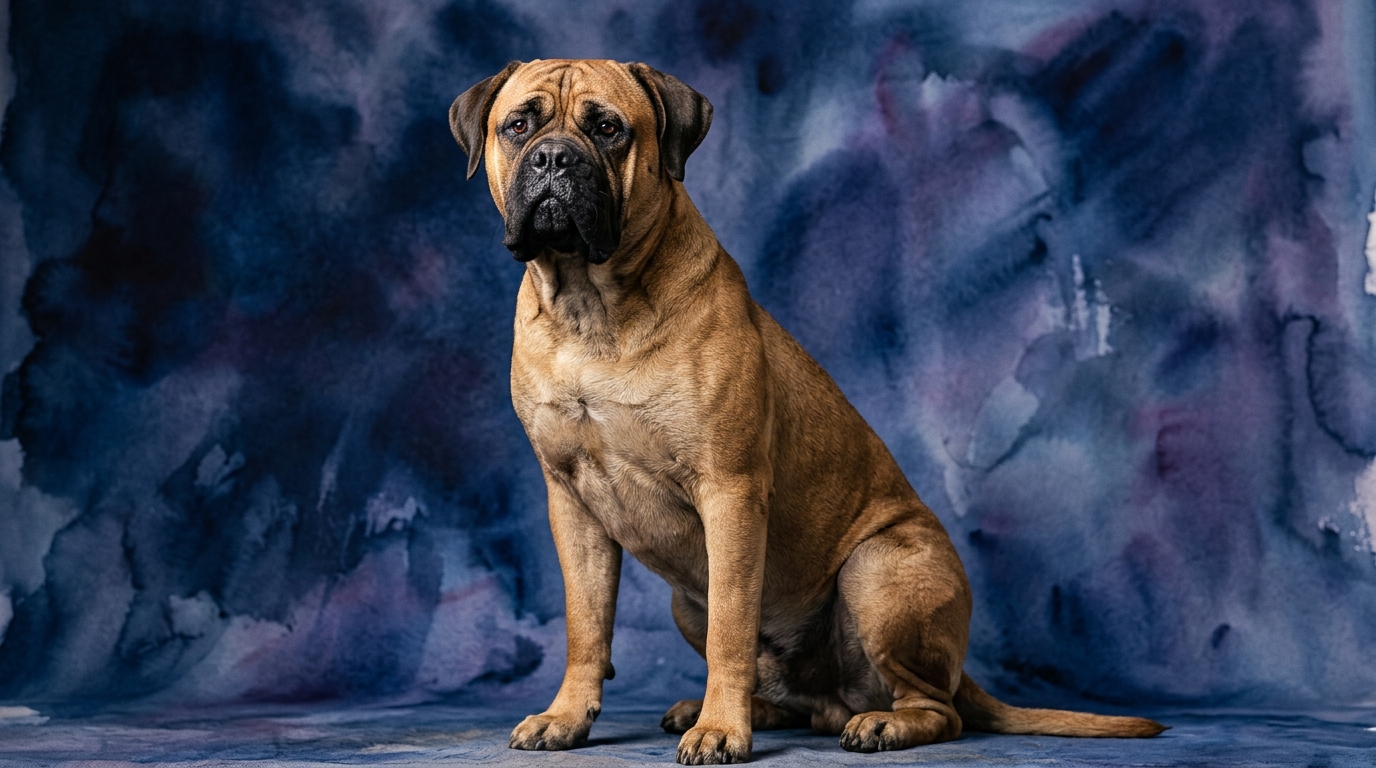

The Cosmic Pet IQ Profile: Bullmastiff vs. Rat Terrier
The Cosmic Pet Pet IQ Lab assesses five crucial dimensions of canine intelligence, and surprisingly, both the Bullmastiff and the Rat Terrier register a consistent 3 out of 5 across all metrics. This identical scoring doesn't suggest identical minds, but rather that their cognitive strengths are expressed differently through their breed-specific lenses. For the Bullmastiff, a dog of the Working group, their 3/5 in Problem Solving often translates to a deliberate, observational approach. They excel at assessing situations, particularly those involving guarding or protection, rather than engaging in complex puzzle-solving for its own sake. Their 3/5 Training Speed indicates they are capable learners, but their independent nature means training requires patience, consistency, and building a foundation of mutual respect. They are not the quickest to grasp new commands, but once learned, they tend to be reliable. Social Intelligence at 3/5 for a Bullmastiff reflects their ability to read human intentions and discern threats, making them perceptive companions within their family unit, often reserved with strangers. Their Instinctive Drive, also 3/5, is strongly rooted in their historical role as guardians, manifesting as vigilance and a protective nature rather than a high prey drive. Finally, their 3/5 Memory allows them to retain routines, learned commands, and the identities of those within their trusted circle, though they might also hold onto negative experiences.
The Rat Terrier, a member of the Terrier group, also scores 3/5 across the board, but these scores manifest through a completely different temperament and historical purpose. Their 3/5 Problem Solving shines in practical, physical challenges, such as figuring out how to access a rodent burrow or navigate an agility course. They are resourceful and quick-witted, often employing cunning to achieve their goals. A 3/5 in Training Speed for a Rat Terrier means they can pick up commands swiftly, especially when training is engaging, varied, and rewards-based. Their high energy and potential for distraction, however, can sometimes make consistent application a challenge. Their Social Intelligence at 3/5 often involves adeptly reading human moods to solicit play or attention, and understanding the dynamics within their 'pack.' The Rat Terrier's 3/5 Instinctive Drive is overwhelmingly focused on their historical role as vermin hunters, expressed through a powerful prey drive, digging, sniffing, and chasing. Their 3/5 Memory is excellent for retaining learned tricks, routines, and the locations of interesting scents or 'prey,' making them keen observers of their environment.
Where the Bullmastiff Wins Cognitively
In a cognitive showdown, the Bullmastiff's strengths lie in their measured, discerning intelligence, particularly in contexts demanding judgment and quiet observation. Their 3/5 Problem Solving, while not flashy, is geared towards assessing environmental safety and social dynamics. A Bullmastiff excels at understanding the nuances of human behavior, discerning true threats from innocent visitors with a calm, watchful demeanor. This makes them exceptional at their original purpose of guarding. Their 3/5 Social Intelligence is not about eager interaction with everyone, but rather a profound understanding of their family's needs and emotional states, coupled with an innate ability to read strangers accurately. This translates to a steady, reliable presence that offers both comfort and a sense of security, making them deeply intuitive companions in a protective role. Furthermore, their memory for routines and established boundaries means they thrive on predictability, offering a consistent and unwavering presence once they understand the rules of their environment.
Where the Rat Terrier Wins Cognitively
The Rat Terrier's cognitive advantages are rooted in their agility of mind and body, making them masters of dynamic problem-solving and rapid adaptation. Their 3/5 Problem Solving is a testament to their quick thinking and ingenuity in practical scenarios, whether it's navigating complex terrain or outsmarting a small critter. This manifests as a sharp ability to learn through experience and adapt strategies on the fly, a hallmark of their terrier heritage. The Rat Terrier’s 3/5 Training Speed, when properly engaged, can translate into a dog that picks up new commands or tricks with impressive alacrity, especially if the activity taps into their prey drive or desire for interaction. They thrive on mental stimulation that requires quick decisions and physical engagement. Their 3/5 Instinctive Drive, though shared in numerical value, is intensely focused and provides them with an unwavering determination to pursue tasks related to their heritage, leading to a tenacious and focused approach to challenges that ignite their hunting instincts.
Which Is Easier to Train and Why?
Determining which breed is 'easier' to train is nuanced, as their 3/5 Training Speed scores manifest differently. The Bullmastiff, despite its Coren rank of #69 suggesting moderate working intelligence, requires a patient and consistent owner who can establish clear leadership. Their inherent independence means they aren't always eager to please, and they may take longer to solidify new commands, requiring 40-80 repetitions for a new command to be learned and obeying on the first command about 30% of the time. However, once a Bullmastiff understands a command and respects their handler, their lower distractibility means they are generally reliable in applying what they've learned, especially in familiar environments. Training a Bullmastiff often involves building trust and mutual respect, which is a slower but more enduring process.
The Rat Terrier, while not Coren-ranked, often gives the impression of faster initial learning due to their quick processing and eagerness for engaging activities. They can pick up new commands with fewer repetitions if the training is fun, varied, and reward-driven. However, their strong instinctive drives and higher energy levels mean they can be easily distracted by environmental stimuli—a passing squirrel or an interesting scent can derail a training session. Consistency is key with Rat Terriers to prevent them from testing boundaries or becoming bored. While they might learn a trick quickly, ensuring reliable application in various situations requires constant engagement and management of their strong prey drive. Therefore, while a Rat Terrier might offer quicker initial 'wins' in training, a Bullmastiff, though slower to start, can offer more reliable obedience once the foundation is firmly established due to its more deliberate nature and lower environmental distractibility.
Which Suits Active Owners vs. Relaxed Owners?
The distinction between an 'active' and 'relaxed' owner extends beyond physical exercise to mental engagement and lifestyle compatibility. A Bullmastiff, while physically robust, is not a high-endurance dog; their exercise needs are moderate, consisting of daily walks and some playtime. This makes them suitable for owners with a more relaxed physical lifestyle. However, a 'relaxed' owner should not be mistaken for a passive one. Bullmastiffs require an owner who is mentally engaged, consistent in training, and capable of providing strong, fair leadership. Their 3/5 social intelligence and problem-solving skills mean they benefit from clear routines and a structured environment, making them an excellent fit for owners who appreciate a calm, watchful, and deeply loyal companion who needs mental guidance rather than constant physical exertion.
Conversely, the Rat Terrier is unequivocally suited for active owners. Their high energy, keen intellect, and powerful instinctive drives demand significant physical and mental stimulation. An owner who enjoys regular, vigorous exercise, engages in dog sports like agility or earthdog trials, or can provide ample opportunities for problem-solving games will find a Rat Terrier to be an incredibly rewarding companion. Their 3/5 IQ scores are best utilized when challenged, and a lack of appropriate outlets can lead to boredom and potentially destructive behaviors. For owners seeking a dynamic, quick-witted, and energetic partner who thrives on activity and mental challenges, the Rat Terrier is an ideal choice, while a more relaxed owner might find their intensity overwhelming.
The Verdict
Choose a Bullmastiff if you seek a calm, watchful companion who thrives on consistent leadership and offers unwavering loyalty, appreciating a steady, deliberate mind.
Opt for a Rat Terrier if you desire an energetic, quick-witted partner who excels in dynamic challenges and requires active engagement to channel their keen intellect and strong drives.
🧠 Find Your Pet's IQ Score
Our Pet IQ Lab assessment covers 25+ tests across 5 cognitive dimensions — personalized to your breed.
Take the Full IQ Test →Frequently Asked Questions
Do identical IQ scores mean Bullmastiffs and Rat Terriers are equally easy to live with?
Not at all. While both breeds score 3/5, their intelligence manifests in vastly different ways due to their breed purposes and temperaments. The Bullmastiff's 3/5 is expressed as deliberate judgment and guarding instincts, while the Rat Terrier's 3/5 is seen in quick, resourceful problem-solving for hunting. Living with them requires understanding these distinct expressions of intelligence.
How does a Bullmastiff's Coren ranking of #69 compare to a Rat Terrier not being ranked?
The Bullmastiff's #69 rank places it in the 'fair working/obedience intelligence' category, meaning they are capable learners but require more repetitions and consistency than higher-ranked breeds. The Rat Terrier's lack of a Coren ranking doesn't imply a lack of intelligence, but rather that their intelligence might not align as neatly with traditional obedience metrics, excelling instead in specialized terrier tasks or independent problem-solving.
If both have 3/5 in Instinctive Drive, how do their drives differ?
Despite the identical score, their instinctive drives are channeled very differently. The Bullmastiff's 3/5 drive is primarily for guarding and protection, manifesting as vigilance and a strong protective instinct towards their family. The Rat Terrier's 3/5 drive is overwhelmingly a powerful prey drive, leading to intense focus on sniffing, chasing, and digging for small animals.