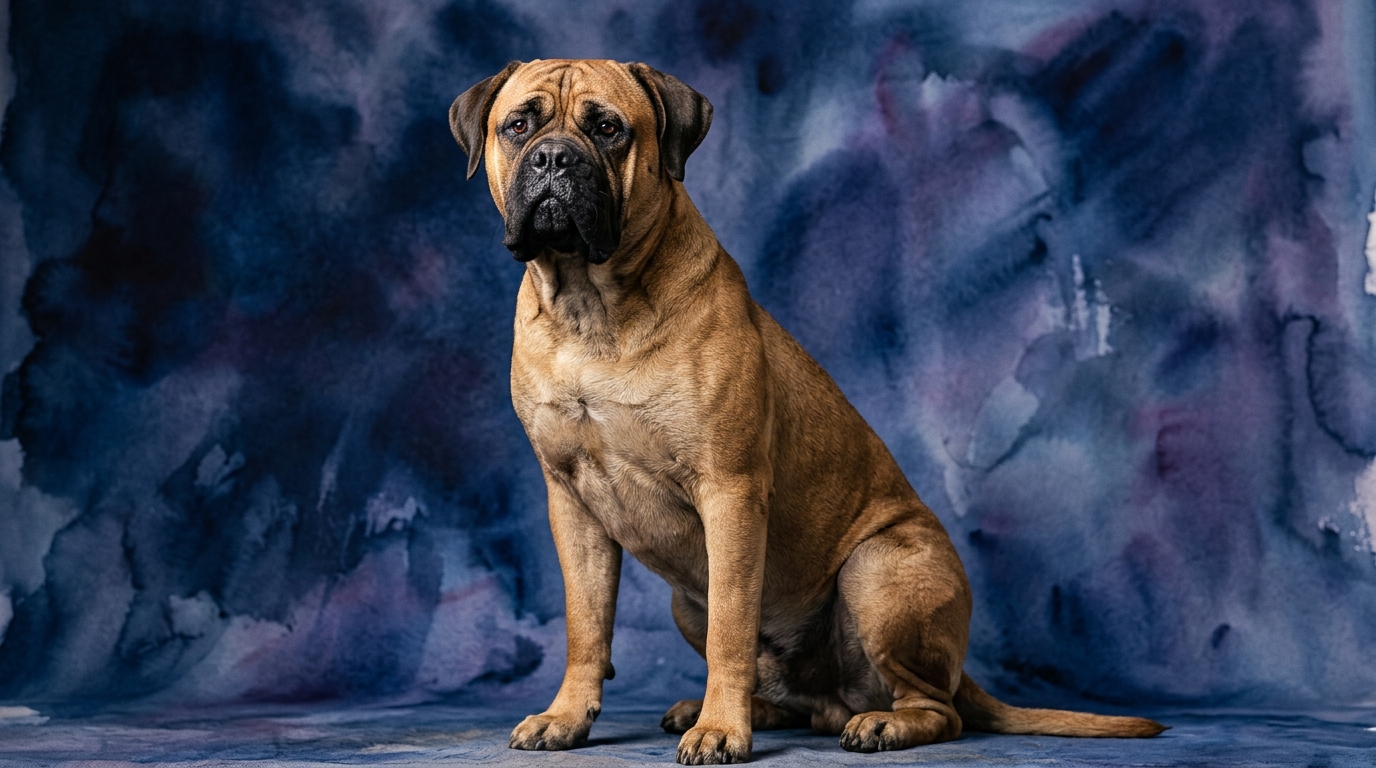
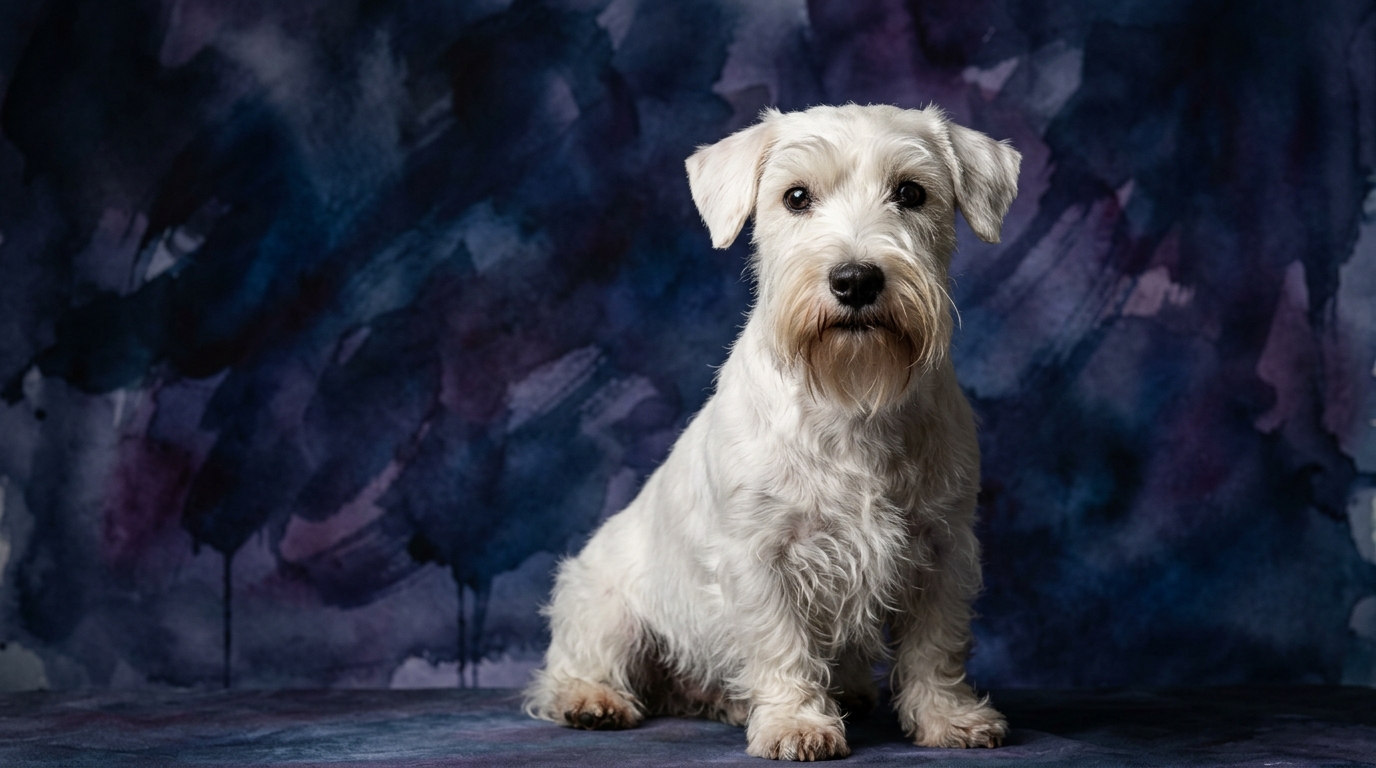
Side-by-Side IQ Profile
**Bullmastiff (Working, Coren rank #69):** This breed’s cognitive profile, while rated 3/5 across the board, emphasizes deliberate thought and a keen awareness of their human environment. Their **Problem Solving (3/5)** involves methodical assessment of situations, often focusing on safety and family well-being rather than impulsive action. **Training Speed (3/5)** reflects their capacity to learn with consistency, though their independent nature means they process requests thoroughly before complying. **Social Intelligence (3/5)** is expressed through a deep attunement to family emotions and routines, allowing them to anticipate needs and respond to subtle social cues within their trusted circle. Their **Instinctive Drive (3/5)** is primarily geared towards guardianship—a watchful, protective presence rather than a chasing instinct. Finally, their **Memory (3/5)** is robust for people, places, and past experiences, contributing to their consistent behavior and loyalty.
**Sealyham Terrier (Terrier, Not Coren-ranked):** The Sealyham Terrier's 3/5 scores across the IQ dimensions highlight a different kind of mental agility, rooted in their tenacious terrier heritage. Their **Problem Solving (3/5)** is often a hands-on, persistent endeavor, where they will try various inventive solutions to achieve a goal, like retrieving a hidden toy or navigating a tricky obstacle. **Training Speed (3/5)** indicates they grasp concepts quickly, but their strong independent streak means they might prioritize their own interests over immediate compliance, requiring engaging and rewarding training methods. Their **Social Intelligence (3/5)** centers on interaction, play, and asserting their lively presence, understanding social dynamics related to engagement rather than deep emotional empathy. The **Instinctive Drive (3/5)** is strong and focused on hunting, chasing, and exploring, which translates into an energetic curiosity in everyday life. Their **Memory (3/5)** is solid for effective strategies, successful past actions, and explored territories, helping them navigate their world efficiently.
Where Bullmastiff Wins Cognitively
While both breeds exhibit robust cognitive abilities, the Bullmastiff's intellectual strengths often shine in contexts requiring calm, deliberate judgment and a deep understanding of human social structures. Their superior social intelligence, even at a 3/5 score, manifests as an acute sensitivity to the emotional atmosphere of a home, allowing them to provide comfort or act as a deterrent with remarkable precision. This nuanced perception of family dynamics means they excel at understanding unspoken cues and maintaining household harmony. Furthermore, their problem-solving, though not always rapid, is often more considered and safety-oriented, making them adept at navigating complex household routines or responding appropriately to unfamiliar visitors, prioritizing the well-being of their human pack over impulsive action.
Where Sealyham Terrier Wins Cognitively
The Sealyham Terrier's cognitive advantages become apparent in scenarios demanding independent thought, persistence, and quick, agile problem-solving. Their instinctive drive, honed over generations for tenacious hunting, translates into an impressive ability to work autonomously and overcome obstacles. A Sealyham will tirelessly strategize to retrieve a dropped toy from under furniture or to investigate an intriguing scent, demonstrating a relentless, focused determination. Their problem-solving is often characterized by inventive, trial-and-error approaches, quickly adapting their methods until a solution is found. This makes them exceptional at engaging with puzzle toys or navigating challenging environments where their smaller stature and inherent curiosity allow for exploration that a larger dog might overlook.
Which is Easier to Train and Why
Evaluating which breed is 'easier' to train requires understanding their distinct motivations and temperaments, even with identical 3/5 training speed scores. The Bullmastiff, despite its size, often responds well to positive reinforcement and a calm, consistent approach. They possess a strong desire to please their family and, once they understand a command's purpose, will generally comply. However, their independent streak means they can be stubborn if not properly motivated or if they perceive a command as unnecessary. Training a Bullmastiff demands patience and clear communication, emphasizing their natural desire for structure and companionship.
Conversely, the Sealyham Terrier, while quick to learn, presents a different kind of training challenge due to its strong terrier independence and ingrained prey drive. They might grasp a command instantly but choose to ignore it if a more exciting scent or activity captures their attention. Training a Sealyham requires creativity, high-value rewards, and a firm yet engaging approach that channels their natural tenacity into desired behaviors, rather than allowing their self-directed nature to take over. Therefore, while both require dedication, the Bullmastiff might be perceived as easier for an owner who appreciates a more deliberate and companion-oriented response, whereas the Sealyham demands an owner who thrives on engaging a spirited and often self-motivated mind.
Which Suits Active Owners vs Relaxed Owners
The ideal owner for each breed diverges significantly, reflecting their inherent energy levels and cognitive preferences. The Bullmastiff, while large, is often content with moderate, structured exercise like daily walks and secure yard time. They are generally more relaxed indoors, appreciating comfortable lounging near their family. Their social intelligence thrives in a calm, predictable home environment where they can observe and participate in family life without constant high-energy demands. Thus, they are an excellent fit for owners who appreciate a steadfast, watchful companion and a more relaxed pace of daily activity, provided their foundational exercise needs are met.
The Sealyham Terrier, despite its smaller size, possesses a surprising amount of energy and an insatiable curiosity driven by its instinctive hunting drive. They require more consistent mental and physical stimulation to prevent boredom and destructive behaviors. Daily walks, engaging play sessions, and opportunities for 'work' like scent games or agility are crucial. They suit active owners who enjoy interactive play, consistent training, and can provide outlets for their terrier's lively spirit and problem-solving inclinations, making them less suited for a purely relaxed, sedentary lifestyle.
The Verdict
Opt for a Bullmastiff if you seek a calm, steadfast family guardian who excels at understanding household dynamics and thrives in a predictable, loving home environment with moderate exercise needs.
Select a Sealyham Terrier if you are an active, experienced owner ready to engage a spirited, independent companion with a keen mind and a strong desire for exploration and interactive challenges.
🧠 Find Your Pet's IQ Score
Our Pet IQ Lab assessment covers 25+ tests across 5 cognitive dimensions — personalized to your breed.
Take the Full IQ Test →Frequently Asked Questions
Do Bullmastiffs and Sealyham Terriers need a lot of mental stimulation?
Yes, both breeds benefit from mental stimulation, though its form differs. Bullmastiffs thrive on understanding routines and social interaction, while Sealyham Terriers need engaging puzzles and activities that tap into their strong prey drive and problem-solving skills.
Are these breeds good with children?
Bullmastiffs, with proper socialization, can be gentle giants, often protective and tolerant of children within their family. Sealyham Terriers are generally good-natured and playful with children, but their spirited terrier energy means supervision is always wise to ensure respectful interactions.
How do their protective instincts differ?
A Bullmastiff's protective instinct is typically a calm, watchful guardianship, deterring threats with presence. A Sealyham Terrier's protective nature is more about alert barking and tenacious defense of their territory, driven by their independent, spirited terrier personality.