Side-by-Side IQ Profile: Interpreting Identical Scores
The Cosmic Pet Pet IQ Lab assesses five key cognitive dimensions, and remarkably, both the Bullmastiff and the Skye Terrier score an identical 3/5 across the board. This numerical parity, however, belies significant differences in how these breeds apply their inherent capabilities. Understanding these nuances requires looking beyond the number to the breed's historical role and inherent temperament.
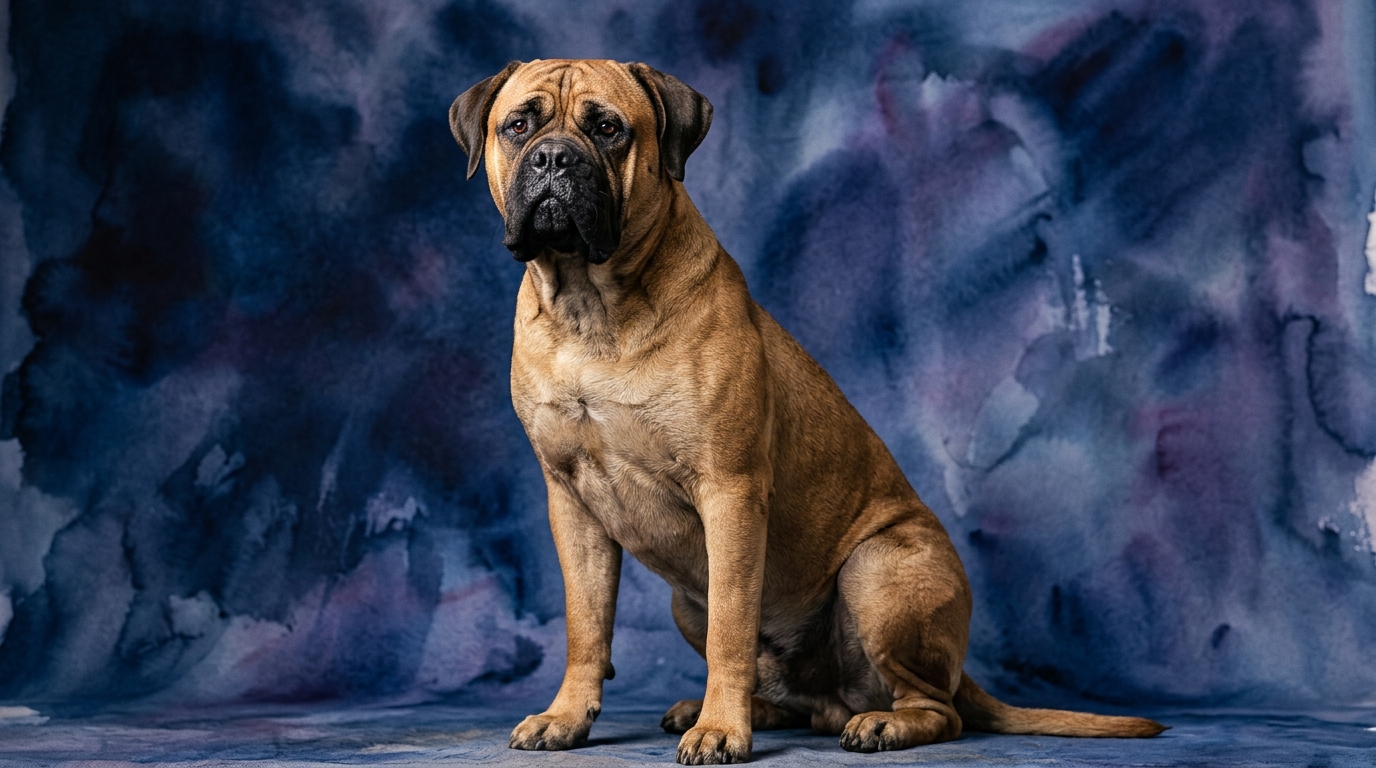
For the Bullmastiff, a working dog with a Coren rank of #69, a 'Problem Solving' score of 3/5 often translates to practical, context-specific solutions, particularly when it comes to guarding and family integration. Their 'Training Speed' at 3/5 indicates they are capable learners, though often deliberate, requiring consistent reinforcement rather than rapid-fire drills. Their 'Social Intelligence' (3/5) is typically expressed as a deep understanding of their immediate family's dynamics and a measured approach to strangers. The 'Instinctive Drive' at 3/5 is primarily channeled into protection and territorial awareness, while their 'Memory' (3/5) is robust for routines, commands, and the people they bond with.
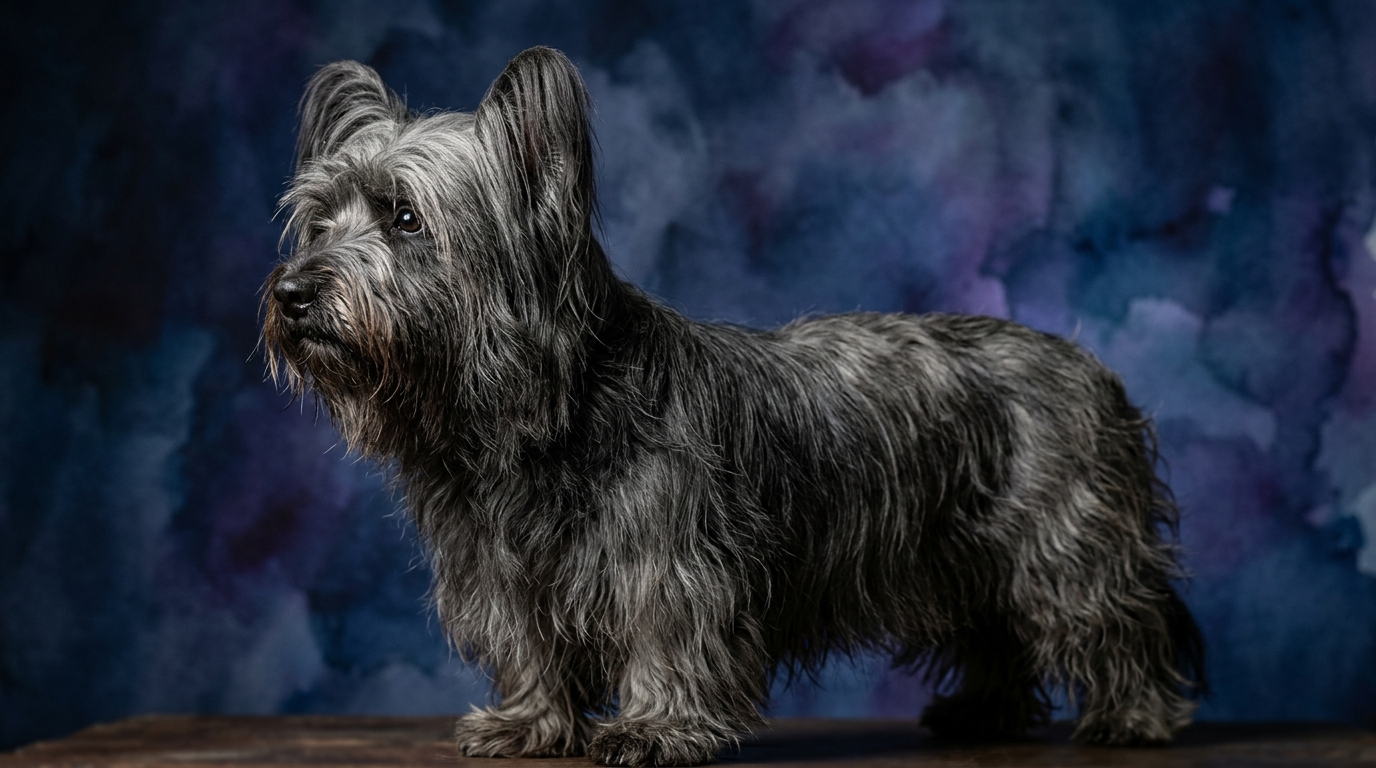
The Skye Terrier, a member of the Terrier group and not Coren-ranked, also exhibits a 'Problem Solving' score of 3/5, but this manifests as resourceful and independent ingenuity, often involving creative ways to achieve their own goals, such as exploring or manipulating objects. Their 'Training Speed' (3/5) suggests they grasp concepts readily, yet their terrier independence can lead to selective compliance, making consistent engagement vital. 'Social Intelligence' (3/5) for a Skye often means a keen observation of their environment and a discerning approach to new people or situations, forming strong bonds with a select few. Their 'Instinctive Drive' (3/5) is rooted in traditional terrier pursuits like digging and chasing, influencing their persistent nature. Finally, their 'Memory' (3/5) is excellent for past experiences, both positive and negative, and for navigating their familiar surroundings.
Where the Bullmastiff's Cognitive Profile Shines
Despite sharing the same numerical IQ scores, the Bullmastiff's cognitive strengths are particularly evident in areas demanding a steady, imposing presence and a deep understanding of their 'pack's' well-being. Their 3/5 in Problem Solving, combined with their 3/5 in Instinctive Drive, manifests as an exceptional aptitude for structured protection and deterrence. They are adept at assessing potential threats, not with frantic energy, but with a calm, deliberate evaluation, making them formidable guardians. Their solutions to perceived dangers are often direct and physical, leveraging their size and presence to maintain order rather than employing intricate cunning.
Furthermore, the Bullmastiff's 3/5 in Training Speed and Memory contributes to a profound reliability in routine adherence. Once a command or household rule is learned and consistently reinforced, it becomes deeply embedded. This makes them highly predictable and stable companions, particularly valuable given their substantial size. Their cognitive profile supports a consistent, unwavering devotion to their family and home, thriving on clear expectations and a structured environment where their protective instincts can be appropriately channeled and understood.
Where the Skye Terrier's Cognitive Profile Shines
The Skye Terrier's identical 3/5 scores, while numerically matching the Bullmastiff, reveal a completely different cognitive emphasis: one of ingenious resourcefulness and independent thought. Their 3/5 in Problem Solving is less about deterrence and more about clever manipulation of their environment. Skyes can be remarkably adept at figuring out how to open gates, escape enclosures, or retrieve hidden items, often employing creative, multi-step solutions to satisfy their curiosity or desires. This type of problem-solving is driven by their strong terrier instincts and a persistent, often stubborn, determination.
The Skye's 3/5 in Social Intelligence and Instinctive Drive also combine to foster sharp environmental acuity and independent action. They possess a remarkable ability to notice subtle changes in their surroundings, pick up on faint scents, and react decisively without constant human direction. This makes them highly adaptable in varied environments, capable of navigating new spaces or situations with a self-assured independence. Their memory (3/5) often serves to recall past successes in getting their way or finding interesting things, reinforcing their resourceful approach to life.
Which is Easier to Train and Why?
When it comes to ease of training, the Bullmastiff generally presents a more straightforward path, despite both breeds scoring 3/5 in Training Speed. The Bullmastiff's motivation is often rooted in a desire to please their family and maintain harmony within their 'pack.' While they learn at a deliberate pace, they tend to be consistent once a command is understood and reinforced with patience and positive methods. Their sheer size necessitates early and consistent training for control, but their generally biddable nature makes them responsive to clear, calm instruction, aiming to integrate smoothly into the family structure.
The Skye Terrier, in contrast, can be more challenging, not because they lack the capacity to learn (their 3/5 Training Speed indicates good cognitive ability), but because of their inherent terrier independence and strong-willed nature. They learn quickly but may choose to comply only if they perceive a compelling reason or if the training is engaging and varied enough to hold their interest. Their instinctive drive, particularly their prey drive, can easily override commands if a more exciting distraction presents itself. Training a Skye requires creativity, humor, and unwavering consistency, transforming sessions into a game of wits rather than a simple command-and-response exercise.
Which Suits Active Owners vs. Relaxed Owners?
The Bullmastiff is an ideal companion for more relaxed owners. Despite their imposing stature, they are not a high-energy breed. They thrive on moderate daily exercise, such as a leisurely walk, and are generally content to lounge with their family, acting as a watchful, comforting presence. Their cognitive needs are met through consistent routines, structured interaction, and opportunities to fulfill their natural guarding instincts in a controlled environment. Owners who appreciate a calm, deliberate pace of life and a large, affectionate companion will find the Bullmastiff a perfect fit, requiring minimal strenuous physical activity.
The Skye Terrier, on the other hand, is better suited for owners who are prepared for a more active and engaging lifestyle, particularly in terms of mental stimulation. While their physical exercise needs are moderate, their cognitive needs are significant. Their 3/5 scores in Problem Solving, Social Intelligence, and Instinctive Drive mean they require consistent mental challenges, engaging training, and opportunities to explore safely. Owners who enjoy interactive play, puzzle toys, and creative training sessions to channel a tenacious and independent spirit will find the Skye Terrier a rewarding, albeit demanding, companion. They need their minds occupied to prevent boredom and potential mischievous behaviors.
The Verdict
Choose the Bullmastiff if you seek a loyal, protective, and relatively calm companion who thrives on routine and consistent, patient guidance, offering a stable and deliberate presence in the home.
Opt for the Skye Terrier if you are drawn to a spirited, independent, and clever companion, willing to engage in consistent, creative training and provide ample mental enrichment for their tenacious mind.
🧠 Find Your Pet's IQ Score
Our Pet IQ Lab assessment covers 25+ tests across 5 cognitive dimensions — personalized to your breed.
Take the Full IQ Test →Frequently Asked Questions
Are Bullmastiffs good family dogs with children?
Bullmastiffs, with proper socialization and training, can be excellent family dogs. Their protective instincts extend to children in their family, and they are generally patient and tolerant, though their large size means supervision is always wise to prevent accidental bumps.
Do Skye Terriers require professional grooming?
Yes, Skye Terriers have a distinctive double coat that requires regular grooming to prevent matting and maintain its health. While daily brushing at home is essential, professional grooming every few months is often recommended to keep their long coat in optimal condition.
How do these breeds typically react to strangers?
Bullmastiffs are generally reserved and watchful with strangers, assessing them calmly but maintaining a protective stance towards their family. Skye Terriers can also be reserved or aloof with unfamiliar people, preferring to observe from a distance before deciding whether to engage, often showing strong loyalty to their chosen few.