Side-by-Side Cognitive Profiles
In the realm of canine cognition, breeds exhibit unique strengths and approaches to the world. Dr. Stanley Coren's ranking places the Standard Schnauzer at a commendable #22, indicating a quicker grasp of new commands and a higher working intelligence compared to the Bullmastiff, which holds rank #69. These rankings, while providing a general benchmark, are just one facet of a dog's complete cognitive makeup.
The Cosmic Pet Pet IQ Lab employs a five-dimensional framework to provide a more nuanced understanding of canine intelligence, assessing problem-solving, training speed, social intelligence, instinctive drive, and memory. This allows us to look beyond a single number and appreciate the specific cognitive architecture of each breed.
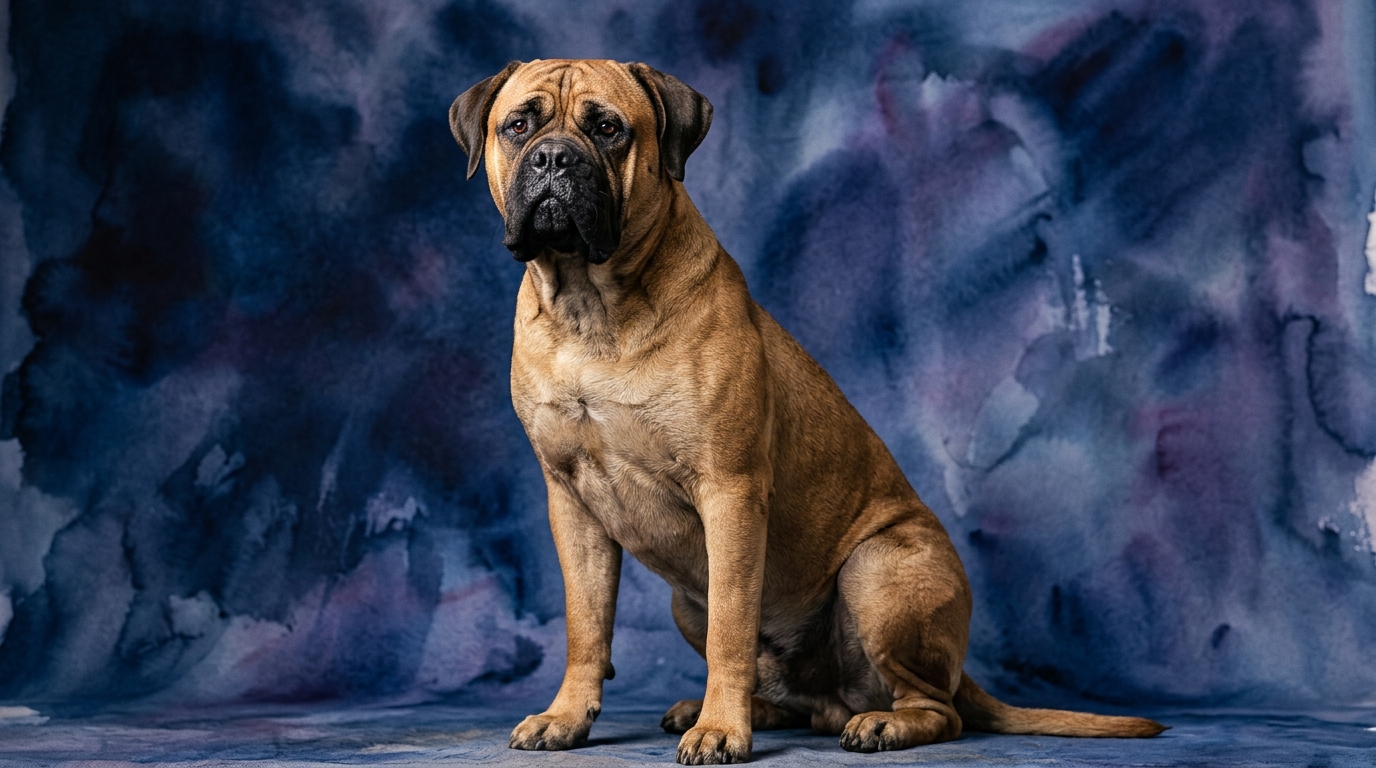
For the Bullmastiff, our lab's assessment reveals a balanced profile: Problem Solving (3/5), Training Speed (3/5), Social Intelligence (3/5), Instinctive Drive (3/5), and Memory (3/5). This consistency across dimensions suggests a practical, steadfast intellect, geared towards their historical role as guardians. Their problem-solving tends to be direct and observational, less about intricate manipulation and more about assessing situations with calm authority. Their training speed reflects a need for consistent, patient instruction, where repetition solidifies learning. Social intelligence manifests as a discerning nature, excellent at differentiating familiar faces from potential threats. Their instinctive drive is rooted in protection, a vigilant watchfulness. Memory is reliable for routines and recognizing those within their trusted circle.
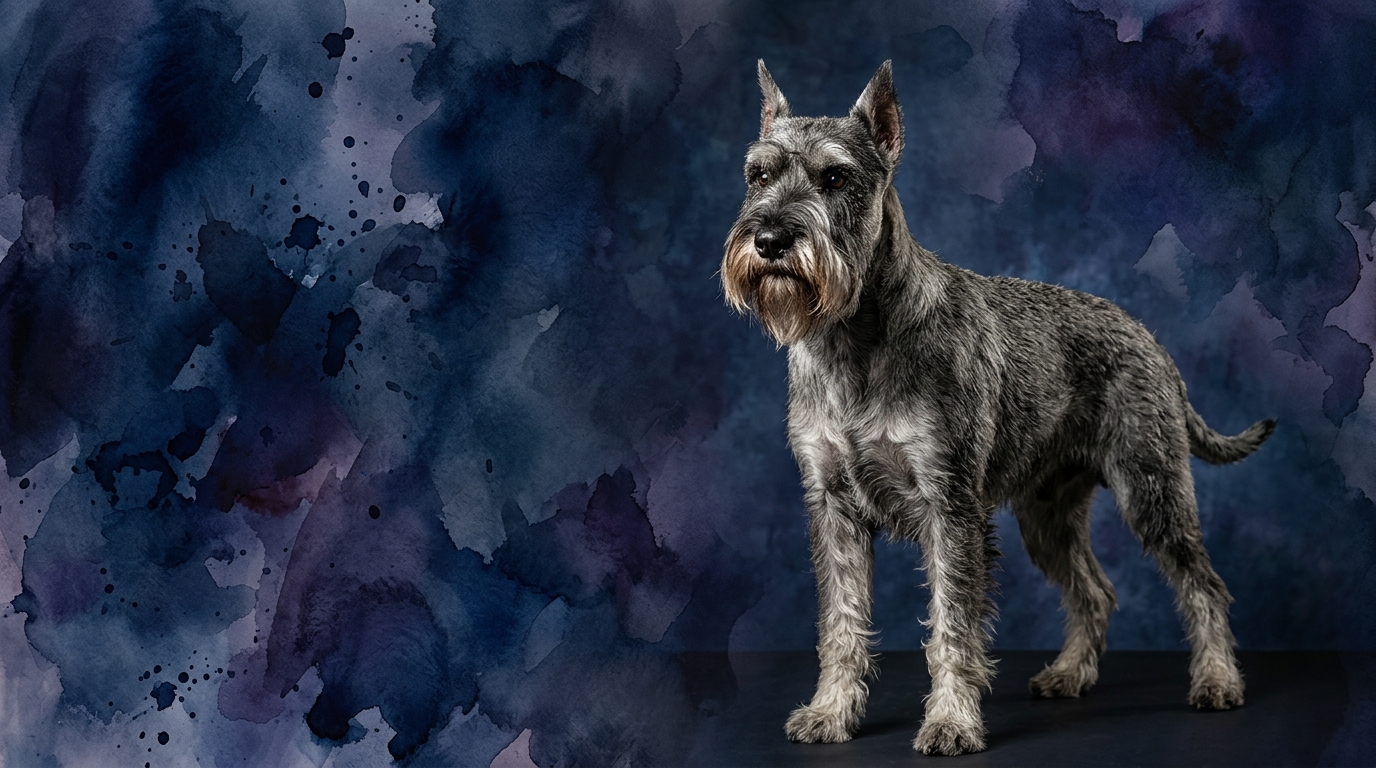
Conversely, the Standard Schnauzer presents a profile indicating greater cognitive agility in certain areas: Problem Solving (4/5), Training Speed (4/5), Social Intelligence (3/5), Instinctive Drive (3/5), and Memory (4/5). The elevated scores in problem-solving, training speed, and memory highlight a breed that enjoys mental engagement and learns with relative ease. Their problem-solving involves a more adaptable and resourceful approach to challenges. Their training speed suggests they pick up new skills and commands more quickly, often eager to participate in learning sessions. Social intelligence, while rated similarly to the Bullmastiff, is expressed through alert engagement and a keen awareness of their surroundings. Their instinctive drive includes a strong prey drive and vigilance, reflecting their origins as farm dogs. Superior memory allows them to retain a broader range of learned behaviors and experiences.
Where the Bullmastiff Excels Cognitively
While the Bullmastiff's scores might appear lower in certain areas compared to the Schnauzer, their cognitive strengths lie in a specialized, profound application of their intellect, particularly suited to their guardian role. Their 3/5 in Social Intelligence, for instance, isn't a lack of awareness, but rather a focused discernment. A Bullmastiff excels at reading subtle cues in human behavior and environmental shifts, possessing an innate ability to distinguish between harmless visitors and genuine threats. This specific form of social intelligence is about profound judgment and a calm, unwavering assessment of intent.
Their Problem Solving at 3/5, combined with their Instinctive Drive of 3/5, translates into a direct, no-nonsense approach to perceived challenges. They aren't typically inclined to complex stratagems or elaborate workarounds; instead, they excel at being a steadfast, imposing presence. This cognitive directness means they will often choose the most straightforward and effective path to protect their family or territory, relying on their physical presence and a deep understanding of their role rather than intricate maneuvers. Their memory, while rated 3/5, is acutely tuned to remembering who belongs and who doesn't, reinforcing their protective duties with unwavering recognition.
Where the Standard Schnauzer Shows Cognitive Advantage
The Standard Schnauzer's cognitive strengths are evident in their higher scores for Problem Solving (4/5), Training Speed (4/5), and Memory (4/5), reflecting a more adaptable and versatile intellect. Their superior problem-solving acumen means they often enjoy figuring things out, whether it's navigating a new environment, solving a puzzle toy, or devising a way to reach a desired object. This capacity for flexible thinking makes them highly engaging companions who thrive on mental enrichment.
Their quicker Training Speed (4/5) is a significant advantage for owners interested in various canine activities. Standard Schnauzers typically grasp new commands and concepts with fewer repetitions, making them efficient to train for obedience, agility, or even complex tricks. This eagerness to learn, coupled with their robust Memory (4/5), allows them to build a broad repertoire of behaviors and retain skills over long periods, making them consistently responsive and reliable partners in diverse tasks. They are adept at learning from experience and applying past lessons to new situations, demonstrating a remarkable cognitive flexibility.
Ease of Training: Behavioral Differences
When considering ease of training, the Standard Schnauzer generally presents a more straightforward path. With a Training Speed of 4/5, they tend to absorb new commands and routines with greater alacrity. Their inherent zest for engagement and a desire to participate in activities often translates into a highly responsive and enthusiastic training partner. They thrive on variety and mental stimulation during sessions, making training an enjoyable, dynamic experience where they quickly connect actions with rewards and generalize learned behaviors to new contexts. Their quick retention means less repetition is often needed to solidify a command.
The Bullmastiff, with a Training Speed of 3/5, requires a different approach, emphasizing patience, consistency, and understanding their motivations. They are not necessarily slow learners, but rather thoughtful ones, sometimes exhibiting a deliberate nature or a stubborn streak if they don't perceive the immediate value of a task. Training a Bullmastiff necessitates clear, calm, and firm guidance, utilizing positive reinforcement to build trust and motivation. While they will learn and retain commands, the process may require more repetitions and a longer commitment to consistency to ingrain behaviors deeply, as their intelligence is geared more towards steadfastness than rapid acquisition of varied tasks.
Owner Lifestyle Suitability: Active vs. Relaxed
The cognitive profiles of these two breeds significantly influence their suitability for different owner lifestyles. The Standard Schnauzer, with its elevated problem-solving and memory scores, coupled with a history as a versatile working dog, demands substantial mental and physical engagement. They are best suited for active owners who can provide daily vigorous exercise, engaging training sessions, and ample opportunities for mental challenges such as puzzle toys, dog sports like agility, or advanced obedience. A Standard Schnauzer that is under-stimulated, both physically and mentally, can become bored, potentially manifesting in undesirable behaviors due to their resourceful and energetic nature.
In contrast, the Bullmastiff, while still requiring regular exercise to maintain physical health, generally fits better with more relaxed owners who appreciate a calm, steadfast companion. Their cognitive strengths, centered on vigilant guardianship rather than constant high-intensity activity, mean they are content with moderate daily walks and a secure outdoor space. Their intelligence is more about presence, discernment, and unwavering loyalty than a continuous need for complex tasks. Owners who enjoy a serene home life, appreciate a dog's calm companionship, and can provide consistent, gentle leadership will find the Bullmastiff to be a wonderfully devoted and protective presence.
The Verdict
If you seek a calm, steadfast guardian with a discerning social intelligence and a direct, protective approach, and appreciate a companion whose presence is as powerful as their devotion, the Bullmastiff may be your ideal match.
If you desire a resourceful, adaptable, and highly trainable partner eager for mental and physical challenges, thriving on varied activities and quick to learn new skills, the Standard Schnauzer offers a rewarding and engaging companionship.
🧠 Find Your Pet's IQ Score
Our Pet IQ Lab assessment covers 25+ tests across 5 cognitive dimensions — personalized to your breed.
Take the Full IQ Test →Frequently Asked Questions
Do Bullmastiffs need a lot of mental stimulation?
Bullmastiffs benefit from consistent, calm mental engagement rather than constant high-intensity stimulation. Their intelligence is geared towards observation and discernment, so puzzle toys and training that reinforces their protective nature and obedience are more suitable than demanding, fast-paced activities. They appreciate routines and clear expectations.
Are Standard Schnauzers good for first-time dog owners?
Standard Schnauzers can be a good fit for first-time owners who are committed to consistent training and providing ample mental and physical exercise. Their trainability (4/5) and eagerness to learn make them responsive, but their energy and need for engagement require a dedicated owner prepared for an active role in their dog's life.
How do their social intelligence scores of 3/5 differ in practice?
While both breeds score 3/5, the manifestation differs. A Bullmastiff's social intelligence often focuses on discerning threats and loyalty to its family, resulting in a watchful, reserved demeanor with strangers. A Standard Schnauzer's 3/5 social intelligence often means they are alert and engaged with their family, but can also be reserved or wary of unfamiliar people, reflecting their vigilant nature as farm dogs.