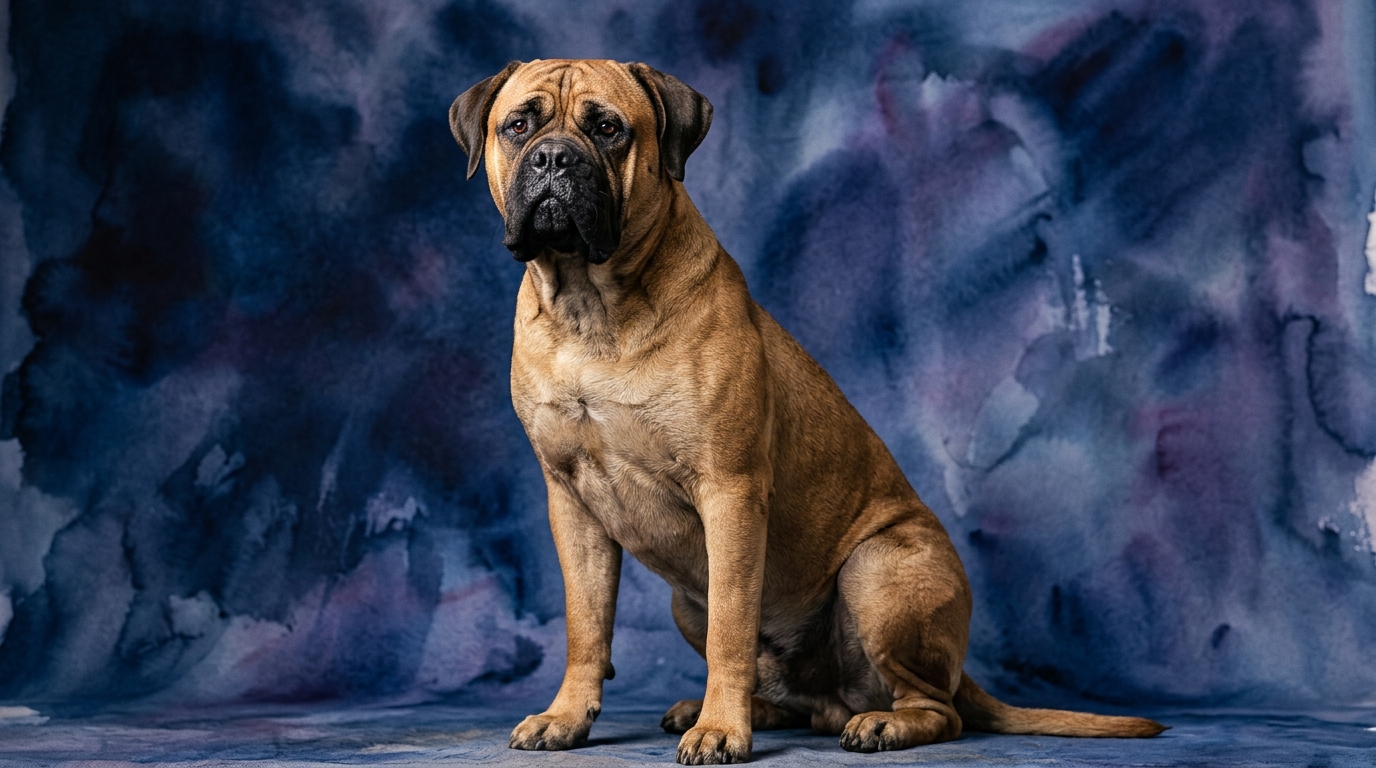
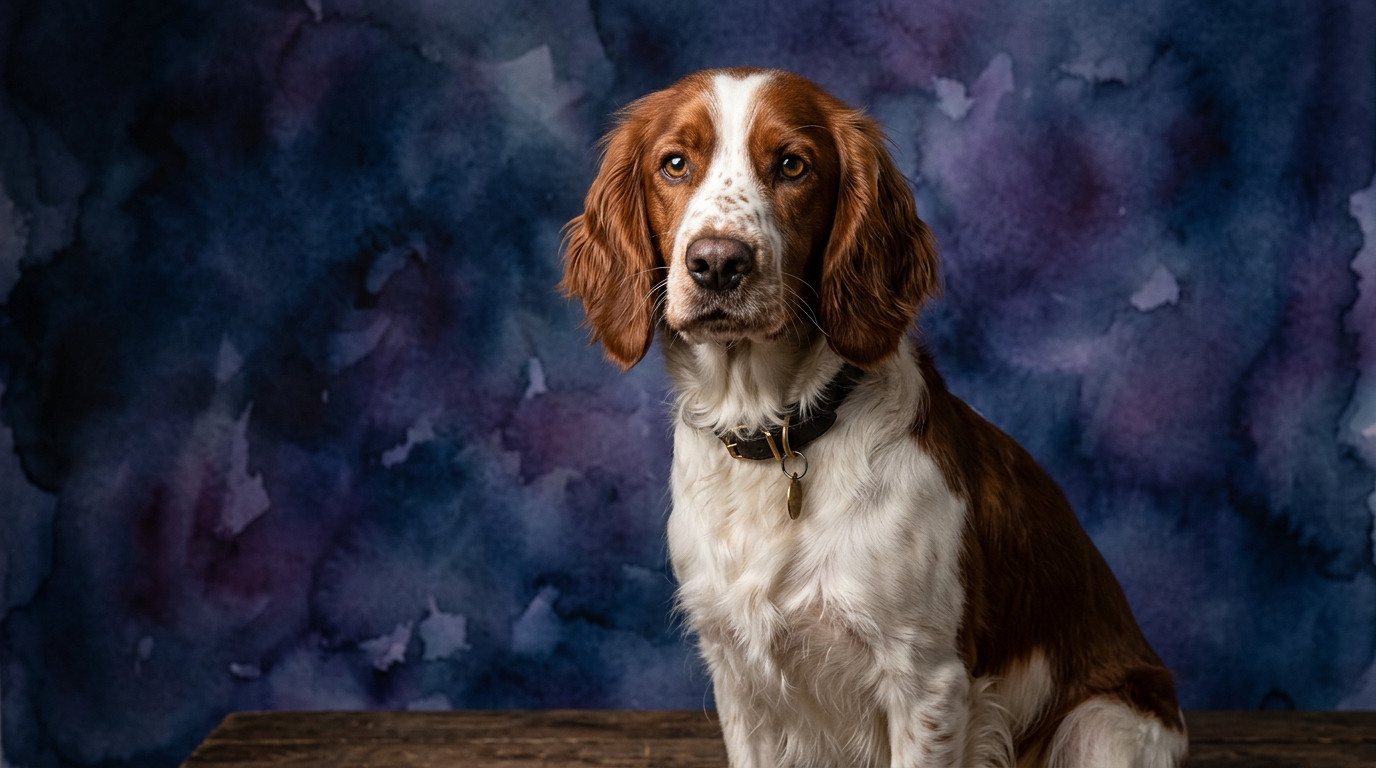
Side-by-Side IQ Profile: Bullmastiff vs. Welsh Springer Spaniel
The Cosmic Pet Pet IQ Lab employs a five-dimensional framework to assess canine cognition, offering a granular view of each breed's mental aptitudes. Understanding these scores provides insight beyond general temperament, highlighting specific strengths and learning styles. Let's examine how the Bullmastiff and Welsh Springer Spaniel measure up.
**Bullmastiff (Working Group, Coren Rank #69)**: This breed, historically a gamekeeper's guard dog, exhibits a steadfast and observant cognitive style. Its IQ profile reflects a steady, rather than rapid, approach to learning and problem-solving. Problem Solving (3/5): Bullmastiffs approach novel situations with a steady, deliberate mindset, often relying on learned patterns or careful observation rather than rapid, innovative solutions. They can figure things out, but it might take a bit more time and repetition to solidify the process. Training Speed (3/5): Bullmastiffs respond well to consistent, positive reinforcement, but they are not typically quick to grasp new commands after just a few repetitions. Their training benefits from patience and clear, unwavering expectations, building upon established routines. Social Intelligence (3/5): These dogs possess a nuanced understanding of human social cues and pack dynamics within their family unit, often displaying a protective yet gentle demeanor. They are adept at reading their owner's mood and intentions, fostering strong bonds through quiet observation and loyalty. Instinctive Drive (3/5): Rooted in their historical role as guard dogs, Bullmastiffs exhibit a moderate instinctive drive for territorial protection and vigilance. While not overly prone to chasing or hunting, their natural inclination is to survey their environment and act as a deterrent to perceived threats, without excessive prey drive. Memory (3/5): Bullmastiffs retain learned behaviors and social interactions effectively over time, benefiting from consistent routines that reinforce positive habits. They remember people and places, but perhaps without the immediate, detailed recall of breeds scoring higher in this dimension, requiring periodic refreshers for less frequently used commands.
**Welsh Springer Spaniel (Sporting Group, Coren Rank #31)**: Bred for flushing and retrieving game, the Welsh Springer Spaniel displays a more agile and responsive cognitive profile, reflecting its active working heritage. Its higher scores in problem-solving, training speed, and memory point to a quicker learning curve and adaptability. Problem Solving (4/5): The Welsh Springer Spaniel demonstrates a higher aptitude for navigating new challenges, often employing creative strategies to achieve goals like retrieving a hidden toy or opening a simple latch. Their keen observational skills contribute to their ability to quickly assess and adapt to unfamiliar scenarios. Training Speed (4/5): This breed typically picks up new commands and routines with impressive alacrity, often requiring fewer repetitions to master a new skill. Their eagerness to please and focus make them responsive pupils, thriving on engaging and varied training sessions. Social Intelligence (3/5): Welsh Springers are highly attuned to their human companions, often displaying an affectionate and interactive social nature. They excel at communicating their needs and desires through body language and vocalizations, fostering a close partnership with their families. Instinctive Drive (3/5): As a sporting breed, Welsh Springers possess a moderate but focused instinctive drive related to their historical role in flushing and retrieving game. While not overwhelming, this drive manifests as an interest in scent work, chasing moving objects, and exploring their environment with purpose. Memory (4/5): Welsh Springer Spaniels exhibit a strong memory for commands, routes, and past experiences, allowing them to recall complex sequences and retain information over long periods. This robust memory aids in advanced training and helps them navigate familiar environments with confidence.
Where the Bullmastiff Wins Cognitively
The Bullmastiff's cognitive strengths primarily lie in its deliberate approach and robust social intelligence within a confined family sphere. While its problem-solving and training speed scores are moderate, the Bullmastiff excels in tasks requiring thoughtful consideration rather than rapid-fire responses. For instance, in a scenario demanding a calm, measured reaction to an unfamiliar person at the door, a Bullmastiff's protective instincts, combined with its ability to read social cues (3/5 social intelligence), allow it to assess the situation without immediate overreaction. Their moderate memory (3/5) means they will reliably remember established boundaries and routines, making them consistent guardians once trained. They are less prone to impulsive actions driven by sudden stimuli, instead relying on a steady assessment of their surroundings. Their cognitive profile lends itself to being a steadfast, dependable presence, offering a sense of security through their watchful, yet often understated, vigilance. They win in sustained, low-intensity monitoring and the quiet assimilation of family routines, providing a stable emotional anchor for their human companions and demonstrating reliability in established patterns.
Where the Welsh Springer Spaniel Wins Cognitively
The Welsh Springer Spaniel truly shines in cognitive areas demanding quick thinking, adaptability, and retention of complex sequences. With a 4/5 in both problem-solving and training speed, they are adept at figuring out novel challenges, such as navigating an agility course with multiple obstacles or learning a new trick involving several steps. Their superior memory (4/5) reinforces this, enabling them to recall intricate commands and long-term training without frequent refreshers. This combination of cognitive agility makes them exceptional candidates for dog sports, advanced obedience, or any activity requiring a rapid understanding and application of learned behaviors. Their moderate instinctive drive (3/5) is channeled productively into tasks like scent work or retrieving, demonstrating a focused mental engagement that the Bullmastiff, with its different historical purpose, might not exhibit with the same intensity. The Welsh Springer's cognitive profile is geared towards active engagement and rapid learning, making them highly responsive partners in dynamic environments and excelling in tasks that require adaptability and a quick mental pivot.
Which Is Easier to Train and Why
Based on their respective IQ profiles, the Welsh Springer Spaniel is generally easier to train than the Bullmastiff, primarily due to its faster training speed (4/5 vs 3/5) and superior memory (4/5 vs 3/5). A Welsh Springer is more likely to grasp a new command, like "sit" or "stay," after fewer repetitions, showing a quicker association between the cue and the desired action. Their problem-solving abilities (4/5) also contribute, as they can more readily figure out what is expected of them in a novel training situation. For instance, teaching a Welsh Springer to retrieve a specific item might involve fewer attempts before they understand the multi-step process, demonstrating a more fluid learning curve. This breed thrives on varied and engaging training sessions, finding satisfaction in mastering new skills quickly.
In contrast, the Bullmastiff, with its 3/5 training speed and memory, requires more consistent and patient reinforcement. They learn effectively, but the process is more gradual, demanding unwavering repetition and clear, simple cues to solidify behaviors. A Bullmastiff might need more sessions to reliably perform a new trick, and trainers must be prepared for a slower, more methodical progression. While both breeds benefit from positive reinforcement, the Welsh Springer's inherent cognitive quickness makes the training journey often feel more fluid and less repetitive for the handler, leading to faster progress in a wider array of tasks, from basic obedience to complex tricks or dog sports.
Which Suits Active Owners vs. Relaxed Owners
The cognitive profiles of these breeds distinctly align with different owner lifestyles, reflecting their historical roles and inherent drives. The Welsh Springer Spaniel, with its higher problem-solving (4/5), training speed (4/5), and memory (4/5), coupled with its moderate instinctive drive for activity, is an ideal match for active owners. These individuals thrive when given opportunities for mental stimulation through dog sports like agility or obedience, long hikes, or engaging training sessions that challenge their quick wit and robust recall. Their desire to learn and engage makes them excellent partners for owners who enjoy consistent interaction and dynamic outdoor adventures, providing both physical and mental outlets for their energetic nature.
Conversely, the Bullmastiff, with its more deliberate problem-solving (3/5), moderate training speed (3/5), and steady instinctive drive (3/5), is better suited for more relaxed owners. While they benefit from regular walks and mental engagement to prevent boredom, their cognitive strengths lean towards a calm, watchful presence rather than constant, high-energy activity. They appreciate routine and a stable environment, finding comfort in predictability. Their thoughtful nature means they are content with a less demanding pace, making them fitting companions for those who prefer a loyal, thoughtful presence by their side and are prepared to offer consistent, patient guidance without requiring high-octane participation in dog sports.
The Verdict
Opt for a Bullmastiff if you seek a loyal, deliberate companion who excels in providing a calm, protective presence within a stable home environment and you are prepared for patient, consistent training.
Select a Welsh Springer Spaniel if you desire an agile, quick-witted partner eager to learn, participate in dynamic activities, and thrive with an owner who can provide consistent mental and physical engagement.
🧠 Find Your Pet's IQ Score
Our Pet IQ Lab assessment covers 25+ tests across 5 cognitive dimensions — personalized to your breed.
Take the Full IQ Test →Frequently Asked Questions
Do Bullmastiffs or Welsh Springer Spaniels cope better with changes in routine?
The Welsh Springer Spaniel, with its 4/5 problem-solving and memory, generally adapts more readily to changes in routine or new environments, quickly processing novel information. Bullmastiffs, with 3/5 in these areas, prefer consistency and might take longer to adjust to significant shifts, benefiting from gradual introductions to new situations to maintain their composure.
Which breed is more likely to excel in scent work or tracking?
The Welsh Springer Spaniel is more likely to excel in scent work or tracking due to its sporting breed heritage and moderate instinctive drive (3/5) focused on purposeful exploration, combined with its superior problem-solving (4/5) and memory (4/5) for intricate trails. Bullmastiffs have a different historical purpose and less intense drive for such focused tasks, making them less inclined to pursue them with the same vigor.
How do their social intelligence scores impact their interactions with strangers?
Both breeds score 3/5 in social intelligence, meaning they are adept at reading cues. A Bullmastiff's social intelligence often manifests as watchful observation of strangers, tied to its protective nature, while a Welsh Springer Spaniel might use its social acumen to engage more readily and playfully with new people once comfortable, seeking interaction rather than solely observing.