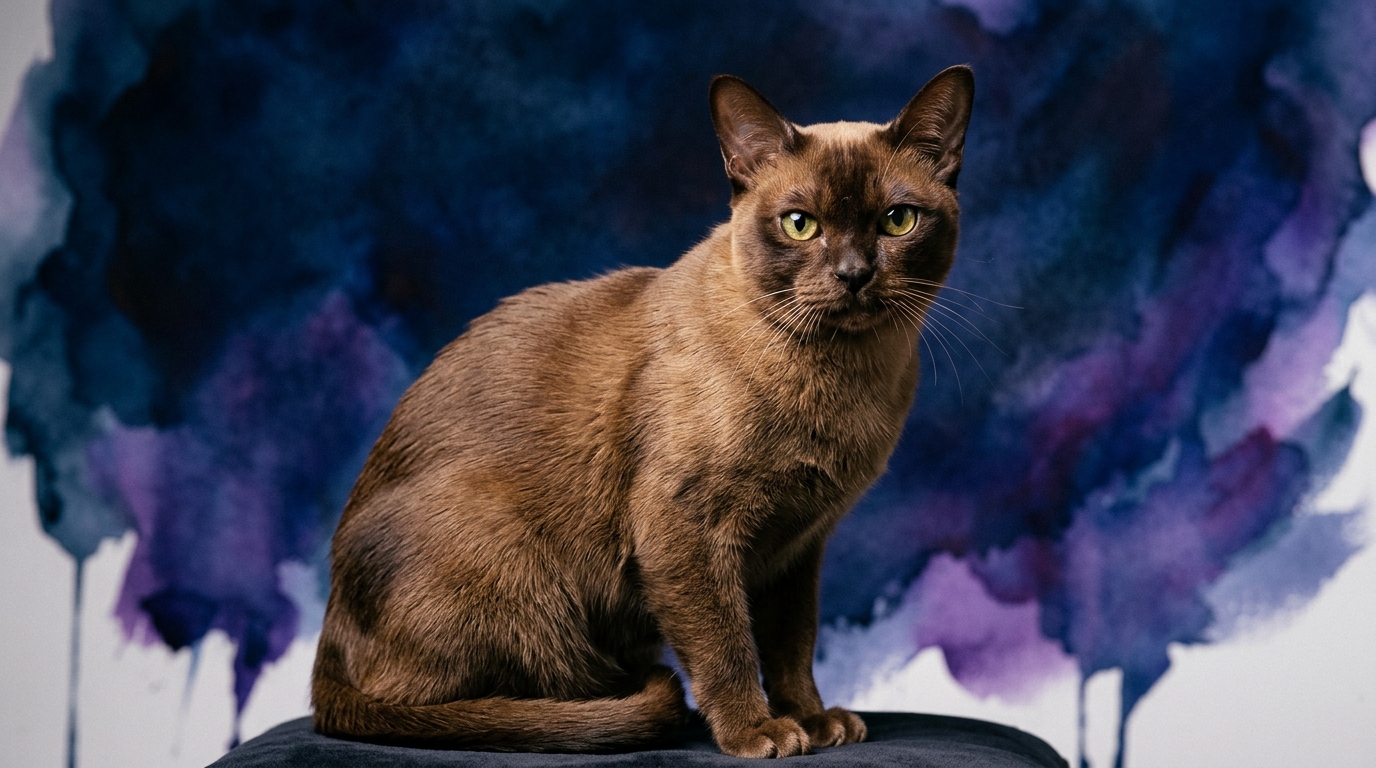
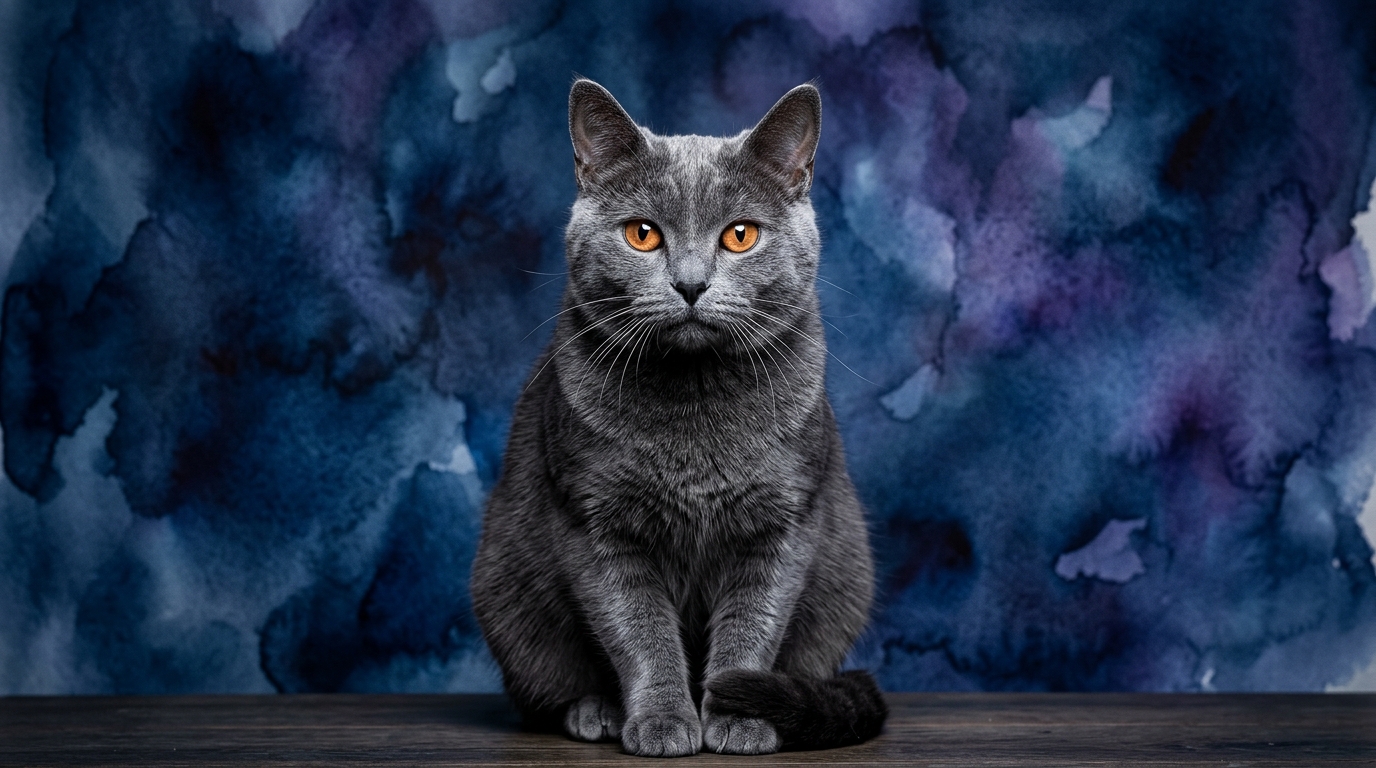
Side-by-Side IQ Profile: Burmese vs. Chartreux
The Cosmic Pet Pet IQ Lab employs a five-dimensional framework to assess feline cognition, offering a granular view beyond simple labels. For the Burmese, our analysis reveals a Problem Solving score of 4/5, indicating a strong capacity for navigating complex situations and devising strategies to achieve goals. Their Training Speed is an exceptional 5/5, showcasing a remarkable ability to grasp new commands and routines with minimal repetition. Social Intelligence also scores a perfect 5/5, reflecting a profound understanding of human cues and emotions, leading to deep, interactive bonds. Their Instinctive Drive registers at 3/5, suggesting a moderated focus on primal hunting or territorial behaviors, with energy often redirected towards social interaction. Lastly, their Memory is rated 4/5, denoting excellent recall for established routines, specific individuals, and learned behaviors.
Turning to the Chartreux, we observe a Problem Solving score of 4/5, matching the Burmese in their solid aptitude for tackling challenges and manipulating their environment. Their Training Speed, however, is a more deliberate 3/5, indicating effective learning that typically requires more consistent repetition and patience. Social Intelligence stands at 4/5, signifying strong, devoted bonds with chosen humans and a quiet observational wisdom, though perhaps less overtly demanding than the Burmese. A robust Instinctive Drive of 4/5 highlights a pronounced natural inclination for hunting and exploration, making them keen observers of their surroundings. Like the Burmese, their Memory is also 4/5, demonstrating reliable recall for routines, preferred people, and past experiences, contributing to their calm and adaptable nature within a familiar environment.
Where the Burmese Wins Cognitively
The Burmese truly shines in two key cognitive areas: training speed and social intelligence. Their exceptional training speed (5/5) means they can master a wide array of commands and tricks with astonishing rapidity, often picking up new concepts in just a few sessions. This isn't merely about rote obedience; it reflects a quick processing of cause and effect in human interactions, allowing them to adapt their behavior fluidly and anticipate outcomes. Simultaneously, their unparalleled social intelligence (5/5) enables them to form incredibly deep and nuanced bonds with their human companions. They possess an acute ability to read emotions, understand intentions, and even initiate complex forms of communication, making them highly interactive and empathetic members of the family unit. This profound social awareness allows them to participate actively in household life, often anticipating needs and offering comfort, creating a deeply connected companionship.
Where the Chartreux Wins Cognitively
While both breeds share a strong problem-solving capacity (4/5) and excellent memory (4/5), the Chartreux distinguishes itself with a higher instinctive drive (4/5 compared to the Burmese's 3/5). This enhanced drive means they possess a more pronounced inclination towards natural feline behaviors such as hunting, exploration, and territorial awareness. For a Chartreux, problem-solving often manifests in independent endeavors, like meticulously figuring out how to reach a high perch or diligently 'hunting' a toy mouse, driven by an intrinsic desire to engage with their environment on their own terms. Their robust instinctive nature allows them to be incredibly self-sufficient and resourceful, finding great satisfaction in pursuing these primal activities. This independent engagement with their surroundings contributes to their calm, self-possessed demeanor, often making them excellent observers and focused players, requiring less direct human intervention for mental stimulation.
Which Is Easier to Train and Why
The Burmese is unequivocally easier to train, primarily due to their superior training speed (5/5) and high social intelligence. They are inherently motivated to engage with their human companions, often viewing training as a rewarding social interaction rather than a chore. Their rapid grasp of new concepts means fewer repetitions are needed, and they frequently pick up on subtle cues, making the training process feel collaborative and highly responsive. A Burmese might learn to fetch or walk on a leash with surprising ease, driven by their desire for interaction and quick understanding of desired behaviors.
In contrast, the Chartreux, with a training speed of 3/5, requires a more patient and consistent approach. While capable of learning, they absorb information at a more deliberate pace and are less driven by a desire to simply please; their independent nature often means they learn on their own terms. Success with a Chartreux often comes from making the training feel like an engaging puzzle or a game they choose to participate in, leveraging their natural curiosity and independent problem-solving skills rather than demanding immediate compliance. For example, teaching a Chartreux a new trick might involve more gentle guidance and repetition, focusing on making the activity intrinsically rewarding for them.
Which Suits Active Owners vs. Relaxed Owners
For active owners who relish teaching new tricks, engaging in dynamic play, and integrating their cat deeply into daily activities, the Burmese is an ideal match. Their high social intelligence and rapid training speed mean they thrive on constant interaction and mental stimulation, eagerly participating in games, learning commands, or even accompanying owners on leash walks. Their relatively lower instinctive drive ensures their focus remains primarily on human-centric engagement, making them a vibrant and communicative companion for a bustling household. A Burmese will often seek out interaction, becoming a constant, affectionate presence.
Conversely, the Chartreux is a superb choice for more relaxed owners who appreciate a cat with a quiet dignity and a strong sense of self-sufficiency. While affectionate, they often prefer quiet companionship over constant demands, content to observe and explore their environment independently. Their robust instinctive drive means they can readily entertain themselves with hunting games or exploration, providing periods of self-sufficient activity. This makes them a calming and self-possessed presence, perfectly suited for a peaceful home environment where they can enjoy their independence while still offering devoted affection. A Chartreux might enjoy a quiet evening on the couch but is equally content to patrol its territory or stalk a sunbeam.
The Verdict
If you desire a highly interactive feline companion eager to learn, participate actively in family life, and form deep, communicative bonds, the Burmese is an excellent choice. They thrive in environments offering consistent social engagement and abundant mental challenges.
Opt for a Chartreux if you appreciate a cat with a quiet dignity, a strong sense of independence, and a keen observational nature, balanced with affectionate, albeit perhaps less overtly demanding, companionship. They excel in homes that respect their self-sufficient spirit and provide opportunities for instinctive play.
🧠 Find Your Pet's IQ Score
Our Pet IQ Lab assessment covers 25+ tests across 5 cognitive dimensions — personalized to your breed.
Take the Full IQ Test →Frequently Asked Questions
Are Burmese cats generally good with children and other pets?
With their exceptional social intelligence and affectionate nature, Burmese cats typically adapt very well to children and can often integrate smoothly with other pets. They enjoy interactive play and are usually patient and tolerant, making them wonderful family additions, provided proper introductions and gentle interactions are fostered.
Do Chartreux cats enjoy a lot of physical activity and outdoor access?
Chartreux cats certainly enjoy physical activity, especially games that engage their strong instinctive drive, such as chasing toys or exploring. While they thrive on indoor play, their robust instinctive drive means they appreciate secure outdoor access or enriched indoor environments that allow them to mimic hunting and exploration safely.
How do the memory capabilities of Burmese and Chartreux cats impact their daily lives?
Both Burmese and Chartreux cats possess strong memories (4/5), which significantly contributes to their adaptability and comfort within their homes. They readily recall routines, preferred people, and learned boundaries, allowing them to navigate their environment confidently and maintain consistent behaviors, whether it's remembering meal times or favorite sleeping spots.