Side-by-Side Cognitive Profiles
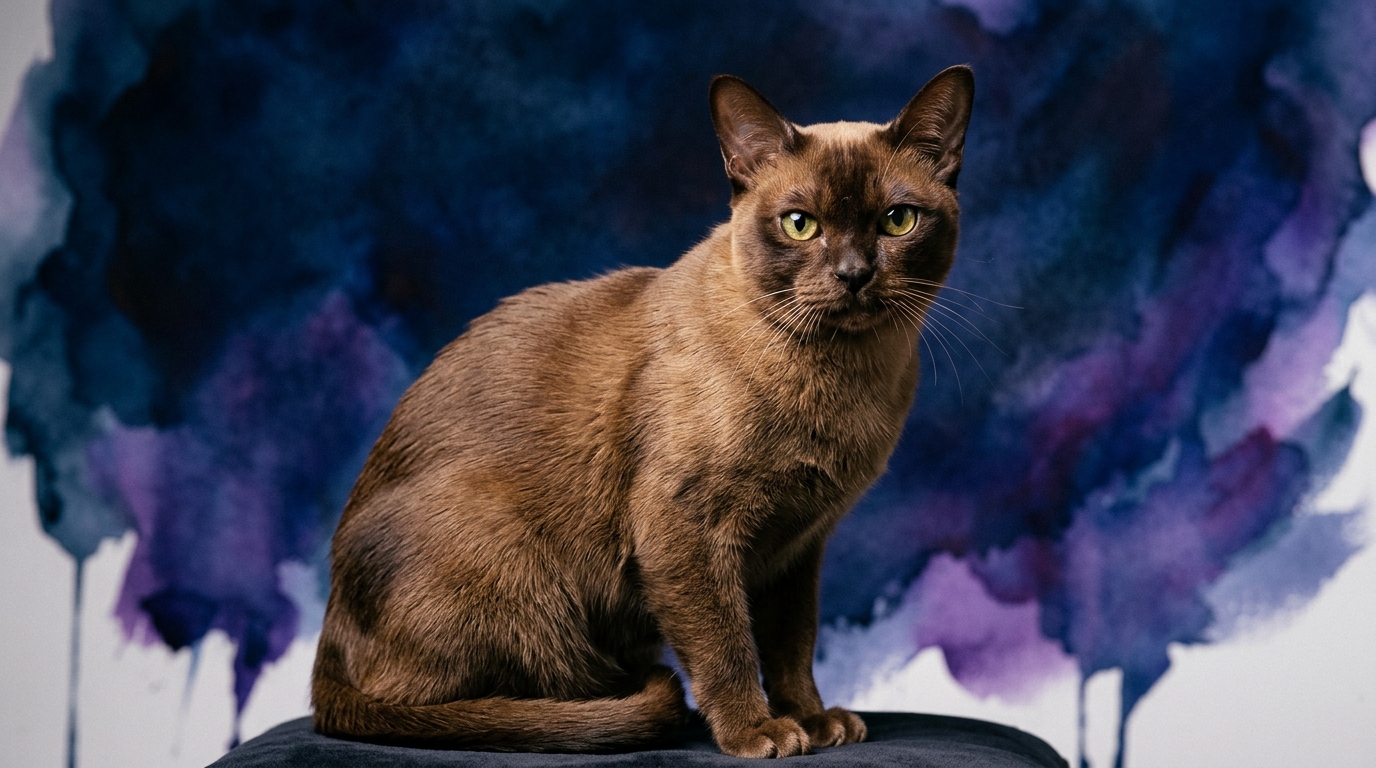
The Burmese cat presents a compelling cognitive profile, demonstrating a robust capacity for learning and interaction. Their problem-solving ability scores a notable 4/5, indicating an aptitude for figuring out environmental challenges and manipulating objects. An impressive 5/5 in training speed highlights their rapid acquisition of new behaviors and commands, making them exceptionally receptive to instruction. Their social intelligence is equally remarkable at 5/5, reflecting a profound understanding of human emotions and a strong desire for companionship. With an instinctive drive of 3/5, they enjoy play without being solely driven by hunting, and their memory of 4/5 ensures they retain complex learned behaviors and routines over time.
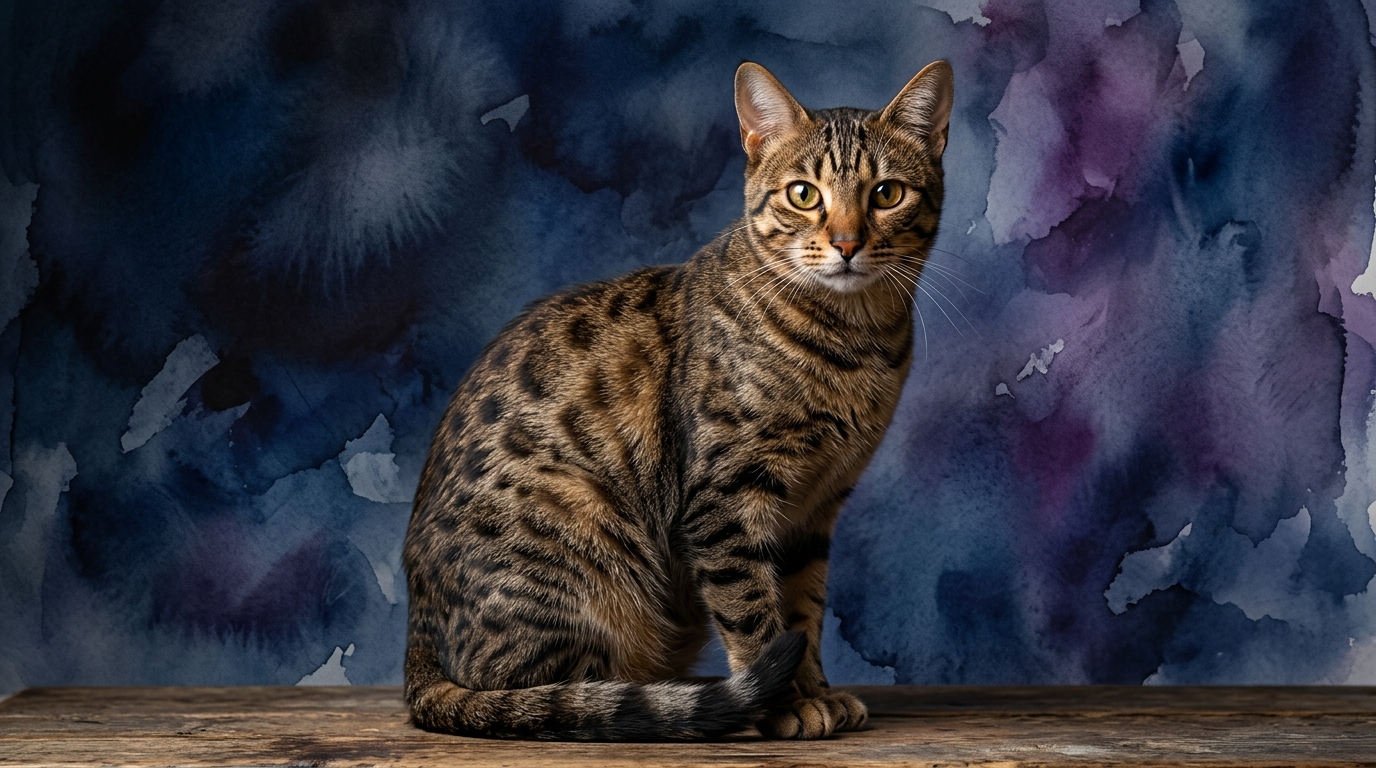
In contrast, the Egyptian Mau exhibits a more balanced, self-sufficient cognitive makeup. Their problem-solving ability stands at 3/5, suggesting they are capable of navigating their world effectively, though perhaps with less intricate manipulation than the Burmese. A training speed of 3/5 indicates they learn at a steady pace, requiring consistent reinforcement rather than instant grasp. Their social intelligence, also at 3/5, points to a selective yet deep affection for their chosen humans, often expressed with quiet dignity. Like the Burmese, their instinctive drive is 3/5, signifying a healthy interest in chase and pounce, and their memory rating of 3/5 ensures they reliably recall important routines and key relationships.
Where the Burmese Excels Cognitively
The Burmese cat truly shines in areas demanding high adaptability and interpersonal awareness. Their superior problem-solving (4/5) means they are adept at tasks like figuring out how to open child-proofed cabinets or solving complex puzzle feeders, often demonstrating a persistent and strategic approach. This cognitive agility translates into a natural curiosity about their environment and a proactive engagement with novel stimuli. The Burmese's perfect 5/5 in training speed is a testament to their quick uptake of commands, ability to learn intricate tricks, and readiness to adapt to new routines, often seeming to anticipate their human's intentions before they are fully articulated. Furthermore, their unparalleled social intelligence (5/5) allows them to form exceptionally strong, empathetic bonds, responding keenly to subtle human cues, emotional states, and household dynamics, making them profoundly integrated family members. Their 4/5 memory further solidifies these advantages, ensuring that once a behavior is learned or a routine is established, it is retained with impressive consistency.
Where the Egyptian Mau's Cognitive Profile Offers Unique Strengths
While not outscoring the Burmese in individual metrics, the Egyptian Mau's cognitive profile fosters distinct advantages, particularly for owners who appreciate a cat with elegant self-possession. Their problem-solving ability (3/5) allows them to efficiently navigate their environment and satisfy their needs with a quiet competence, demonstrating a practical intelligence that doesn't rely on constant human intervention. The Mau's moderate social intelligence (3/5) enables them to form deep, selective bonds that are cherished for their quality and discernment, rather than overwhelming demands for attention; they choose their affections wisely. This combination contributes to their graceful independence, making them a compelling choice for those who value an intelligent feline that is content within its own space while still offering meaningful companionship. Their steady memory (3/5) ensures they reliably adhere to established routines and recognize familiar faces, contributing to a harmonious and predictable home environment without requiring constant novelty.
Ease of Training: Burmese vs. Egyptian Mau
When it comes to trainability, the Burmese cat holds a distinct advantage, primarily due to their stellar 5/5 training speed and high social intelligence. They are often eager to please and highly motivated by positive reinforcement, whether it's food, praise, or interactive play. This means a Burmese can rapidly learn to walk on a leash, perform complex tricks like fetch or high-five, and even respond to multi-step commands within relatively few repetitions. Their keen awareness of human cues and strong desire for interaction make them highly cooperative pupils, often seeming to enjoy the process of learning new things alongside their owners. Behavioral differences are evident in their swift adaptation to household rules and their ability to generalize learned behaviors across different contexts, making them remarkably adaptable.
The Egyptian Mau, with a training speed of 3/5, is certainly trainable, but the process typically requires more patience and consistency. While intelligent, they are generally less driven by the desire to please and more by clear, consistent rewards and established routines. Owners might find that a Mau takes longer to master new commands or that they are more selective about when and where they choose to perform a trick. Their moderate social intelligence means they might not pick up on subtle human intentions as readily as a Burmese, necessitating clearer, more direct training methods. Real behavioral differences include a slower acquisition of complex behaviors and a tendency to prefer established routines, making them less inclined to spontaneous trick performances or rapid adaptation to novel training scenarios without specific, repeated guidance.
Matching Feline Intellect to Owner Lifestyles
For active owners who thrive on engagement and interaction, the Burmese cat is an ideal match. Their high social intelligence and problem-solving skills mean they require consistent mental stimulation and thrive on being an active participant in household activities. An active owner can fulfill their need for interactive play, provide a rotating array of puzzle toys, and engage them in regular training sessions or even leash walks. A Burmese left without sufficient mental and social outlets may become bored or exhibit attention-seeking behaviors, highlighting their need for a stimulating environment provided by an energetic owner. They are the kind of cat that enjoys learning new things and being involved in daily life.
Conversely, the Egyptian Mau is well-suited for more relaxed owners who appreciate a cat's graceful independence while still valuing a deep, selective bond. Their moderate social intelligence and problem-solving abilities mean they are content to amuse themselves and are not as demanding of constant human interaction. A relaxed owner can enjoy their quiet companionship and elegant presence without feeling pressured to provide continuous mental challenges. While regular play and affection are still essential, the Mau's self-sufficient nature means they are less likely to become restless or destructive if left to their own devices for periods. They offer a calm, discerning presence, forming strong connections on their own terms, making them perfect for a tranquil home environment.
The Verdict
Choose a Burmese if you seek a highly interactive, communicative, and trainable feline companion who thrives on deep social bonds and eagerly engages with complex puzzles and learning opportunities.
Opt for an Egyptian Mau if you appreciate an independent yet affectionate cat, one that offers graceful companionship without constant demands, capable of self-amusement but still valuing a strong, selective bond within a predictable routine.
🧠 Find Your Pet's IQ Score
Our Pet IQ Lab assessment covers 25+ tests across 5 cognitive dimensions — personalized to your breed.
Take the Full IQ Test →Frequently Asked Questions
Are Burmese cats prone to certain behavioral issues due to their high intelligence?
Their exceptional cognitive abilities mean Burmese cats can become bored or destructive if not sufficiently stimulated. They thrive on mental challenges and social interaction, so a lack of engagement might lead to attention-seeking behaviors like excessive vocalization or exploring forbidden areas.
How does the Egyptian Mau's independent nature manifest in their daily life?
Egyptian Maus often display a quiet confidence, enjoying their own space while remaining observant of their surroundings. They might prefer initiating affection on their own terms and are generally content to entertain themselves with toys or observation rather than constantly soliciting human play.
Can an Egyptian Mau be trained to do tricks like a Burmese?
While an Egyptian Mau can certainly learn tricks and respond to training, it might require more patience and consistent positive reinforcement compared to a Burmese. Their training speed rating suggests they will learn at a steady pace, but perhaps not with the same rapid enthusiasm or generalization as their Burmese counterparts.