Side-by-Side Cognitive Profiles: Burmese vs. LaPerm
To truly appreciate the unique minds of these two breeds, The Cosmic Pet Pet IQ Lab provides a detailed breakdown of their cognitive strengths across five key dimensions. These scores offer a framework for understanding their inherent capabilities and tendencies.
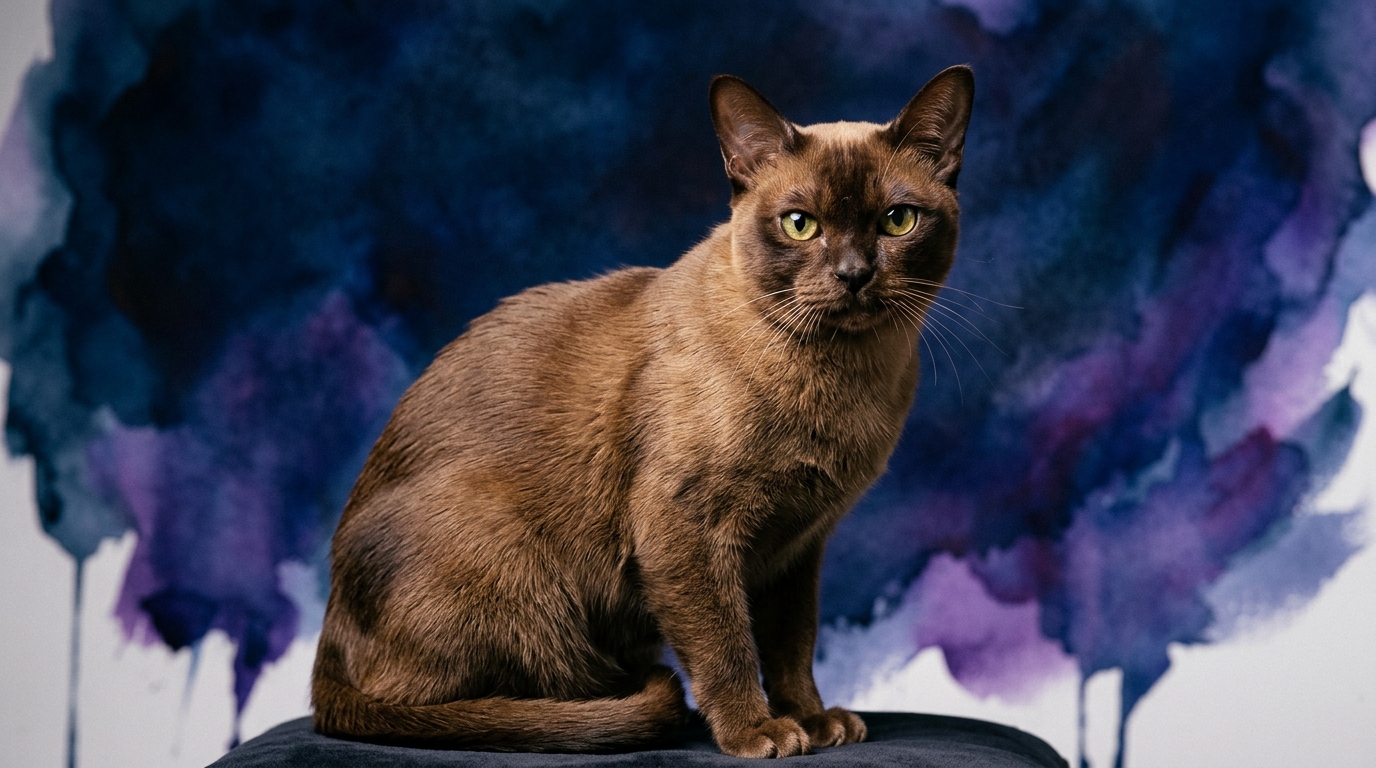
The Burmese cat presents a compelling cognitive profile: Problem Solving (4/5), Training Speed (5/5), Social Intelligence (5/5), Instinctive Drive (3/5), and Memory (4/5). This breed demonstrates a significant capacity for figuring out complex situations, often displaying a methodical approach to unlocking cabinets or retrieving elusive toys. Their ability to grasp new commands and routines is exceptionally swift, thriving on the engagement of clicker training and learning new tricks. Socially, they are deeply perceptive, attuned to human emotions and subtle cues, forming profound bonds and actively seeking interactive companionship. While they enjoy play, their predatory instincts are moderately expressed, meaning they might stalk a toy with interest but lack the intense, singular focus of some hunting-driven breeds. Furthermore, their memory is robust, enabling them to recall specific routines, preferred humans, and established interaction patterns with remarkable clarity.
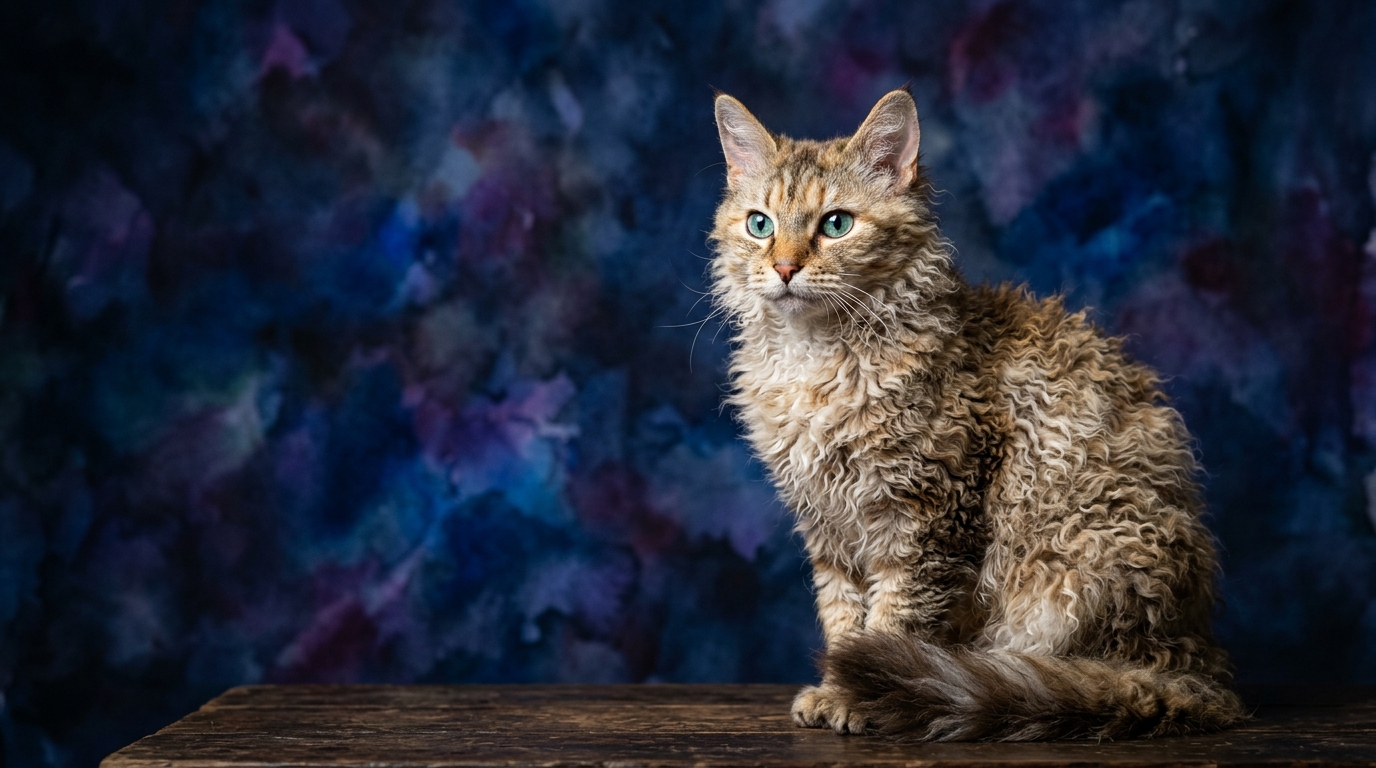
In contrast, the LaPerm cat exhibits a more uniformly balanced cognitive landscape: Problem Solving (3/5), Training Speed (3/5), Social Intelligence (3/5), Instinctive Drive (3/5), and Memory (3/5). A LaPerm can navigate simple puzzles and find solutions to basic environmental challenges, though more intricate tasks might require extended trial-and-error or a bit of encouragement. Their pace for learning new behaviors is moderate; they respond well to consistent, positive reinforcement, gradually incorporating new commands into their repertoire. Socially, they appreciate interaction and companionship, displaying affection, yet they may not demand the constant, overt engagement characteristic of more intensely social breeds. Their instinctive drive is also moderate, meaning they enjoy games that simulate hunting without an overwhelming, obsessive focus on stalking or capturing. Regarding memory, LaPerms retain information about their routines, familiar faces, and established household patterns, though perhaps with a slightly less precise or enduring recall for highly intricate details compared to breeds with higher scores in this area.
Where the Burmese Excels Cognitively
The Burmese cat's cognitive strengths distinctly position it as a feline capable of sophisticated mental engagement. Their 4/5 in Problem Solving means they are adept at navigating complex environmental challenges, such as figuring out how to manipulate door handles, open child-proof latches, or access food hidden within intricate puzzle feeders. This isn't just about brute force; it involves a clear understanding of cause and effect, often displaying persistence and strategic thinking to achieve their goals. Their 5/5 Training Speed is a testament to their rapid assimilation of new information and commands. They don't just learn; they seem to anticipate what's expected, making them prime candidates for learning tricks, walking on a leash, or even participating in agility courses with enthusiasm. This quick uptake is often paired with their exceptional 5/5 Social Intelligence, where they demonstrate a profound ability to read human emotions and intentions. A Burmese might comfort a distressed owner or actively solicit interaction with a specific purr or gaze, showcasing a deep empathetic connection and a nuanced understanding of social dynamics that goes beyond mere affection. This combination of mental agility and social perceptiveness allows them to integrate seamlessly into a human household, often becoming a communicative and responsive companion.
Where the LaPerm’s Profile Offers Unique Advantages
While the LaPerm doesn't boast higher individual scores in any single cognitive dimension compared to the Burmese, its 'wins' often lie in the balanced and consistent nature of its intelligence profile, which can translate into specific advantages for certain owners. For instance, their moderate problem-solving (3/5) means they are less likely to be constantly outwitting household security measures or getting into mischief that requires intricate planning. Owners might find this translates to a more predictable and less 'scheming' companion, reducing the need for constant vigilance against feline ingenuity. This can be particularly appealing for those who prefer a cat that is curious but not perpetually challenging the boundaries of the home.
The LaPerm's balanced instinctive drive (3/5) is another area that can be seen as an advantage. While they certainly enjoy playful engagement, their drive is not overwhelmingly intense or singularly focused on hunting simulations. This offers a pleasant middle ground for interactive play that doesn't overwhelm the home with constant demands for high-energy predatory games. They are content with varied play sessions that include toys, laser pointers, or simple chase games, without the relentless pursuit that can characterize breeds with higher instinctive drives. Lastly, the LaPerm's 3/5 in social intelligence, while lower than the Burmese, signifies a comfortable level of companionship without the potential for the demanding attachment that can come with a 5/5 score. This can be a 'win' for owners who appreciate a cat that is affectionate and present but also content with periods of independent activity, offering a gentle, loving presence rather than a constant shadow.
Training Dynamics: Burmese vs. LaPerm
When it comes to trainability, the Burmese holds a distinct advantage, primarily due to its exceptional 5/5 Training Speed, coupled with its high Social Intelligence (5/5) and strong Memory (4/5). These cats are not only quick to understand what is being asked of them but also possess a keen desire to engage with their human companions, making them highly receptive to instruction. They excel at positive reinforcement methods, quickly associating specific actions with rewards, whether it's performing a high-five, coming when called, or even learning to walk on a leash. Their ability to remember routines and previous lessons means that once a behavior is learned, it is often retained with minimal refresher training. This inherent responsiveness and eagerness to interact transforms training into a collaborative and rewarding experience.
The LaPerm, with its 3/5 scores across Training Speed, Social Intelligence, and Memory, is certainly trainable, but requires a different approach. They will learn commands and routines, but the process may take more time and consistent effort. Patience and repetition are key, as a LaPerm might not grasp a new concept as rapidly as a Burmese. Their moderate social intelligence means they enjoy interacting during training but may not possess the same intense drive to please or the nuanced understanding of human cues that a Burmese exhibits. This isn't to say they are stubborn, but rather that their learning style is more gradual and less overtly enthusiastic in its uptake. Owners training a LaPerm should focus on short, positive sessions, building on successes, and celebrating small victories, recognizing that progress will be steady rather than lightning-fast. For instance, while a Burmese might master 'sit' in a few sessions, a LaPerm might take several more, requiring more consistent reinforcement over time to solidify the behavior.
Matching Personalities: Active vs. Relaxed Owners
Understanding these cognitive distinctions is crucial for aligning a cat's personality with an owner's lifestyle. For active owners who thrive on interaction and enjoy engaging in stimulating activities, the Burmese is an ideal companion. Their high social intelligence and problem-solving abilities mean they demand and appreciate significant mental stimulation, often initiating play or seeking attention. These cats flourish in environments where they are regularly challenged with new toys, puzzle feeders, or training sessions. They are not content to merely observe; they want to be integral parts of household activities, often following their owners from room to room and participating in conversations with expressive vocalizations. An owner who enjoys teaching tricks, providing complex enrichment, and having a constant, communicative companion will find the Burmese to be an incredibly rewarding match, as their cognitive profile ensures they will reciprocate that engagement with enthusiasm and deep affection.
Conversely, for more relaxed owners who appreciate a gentle, affectionate presence without constant demands for high-octane interaction, the LaPerm offers a harmonious fit. Their moderate scores across all cognitive dimensions mean they are affectionate and enjoy companionship, but they are also perfectly content with periods of independent activity. A LaPerm will happily curl up on a lap for a quiet evening or engage in a relaxed play session, but they are less likely to constantly seek out complex mental challenges or demand intricate social games. They provide a comforting, amiable presence, offering affection without overwhelming an owner's need for personal space or quiet time. Owners who appreciate a cat that is present and loving but also possesses a calm self-sufficiency will find the LaPerm's balanced temperament and moderate cognitive needs to be an excellent complement to a more laid-back lifestyle, offering companionship that is both present and undemanding.
The Verdict: When to Choose Each Feline Friend
The choice between a Burmese and a LaPerm ultimately hinges on the kind of intellectual and social dynamic an owner seeks in their feline companion. Both breeds offer unique joys, but their cognitive blueprints dictate very different daily interactions.
If you desire a highly interactive, quick-witted feline who thrives on complex mental challenges and forms deep, communicative bonds with its human companions, the Burmese is your ideal choice. They will engage you, learn rapidly, and become an expressive, integral part of your daily life, demanding and reciprocating significant attention and mental stimulation. This cat is for the owner who wants a true partner in mischief and conversation, ready to explore the boundaries of feline intelligence.
Opt for the LaPerm if you prefer a gently affectionate cat with a balanced temperament, offering a pleasant companionship that doesn't demand constant intellectual engagement or intense social interaction. This breed provides a comforting presence, enjoying affection and play but also content with its own company, making it perfect for owners seeking a more serene yet loving feline companion. The LaPerm is for those who appreciate a cat that is present and loving, yet capable of self-sufficiency, offering a calm, steady presence in the home.
The Verdict
Choose the Burmese if you desire a highly interactive, quick-witted feline who thrives on complex mental challenges and forms deep, communicative bonds with its human companions.
Opt for the LaPerm if you prefer a gently affectionate cat with a balanced temperament, offering a pleasant companionship that doesn't demand constant intellectual engagement or intense social interaction.
🧠 Find Your Pet's IQ Score
Our Pet IQ Lab assessment covers 25+ tests across 5 cognitive dimensions — personalized to your breed.
Take the Full IQ Test →Frequently Asked Questions
Are Burmese cats prone to behavioral issues due to their intelligence?
While Burmese cats are highly intelligent and can become bored if not adequately stimulated, this typically manifests as creative mischief rather than aggressive behavioral issues. Providing plenty of puzzle toys, interactive play, and consistent human interaction helps channel their cognitive energy positively, preventing destructive behaviors.
Do LaPerms enjoy interactive toys or puzzle feeders?
Yes, LaPerms do enjoy interactive toys and puzzle feeders, though perhaps not with the same intensity or persistent problem-solving drive as a Burmese. These tools can provide valuable mental enrichment, engaging their moderate problem-solving skills and satisfying their instinctive drive in a fun, rewarding way.
How do the memory differences between Burmese and LaPerms manifest in daily life?
A Burmese (Memory 4/5) might remember specific hidden treats, complex routines, or preferred human interaction patterns over long periods, potentially reminding you if you deviate. A LaPerm (Memory 3/5) will recall important routines and familiar faces, but might be slightly less precise with intricate details or require more frequent reinforcement for less common learned behaviors.