Side-by-Side IQ Profile: Decoding Feline Minds
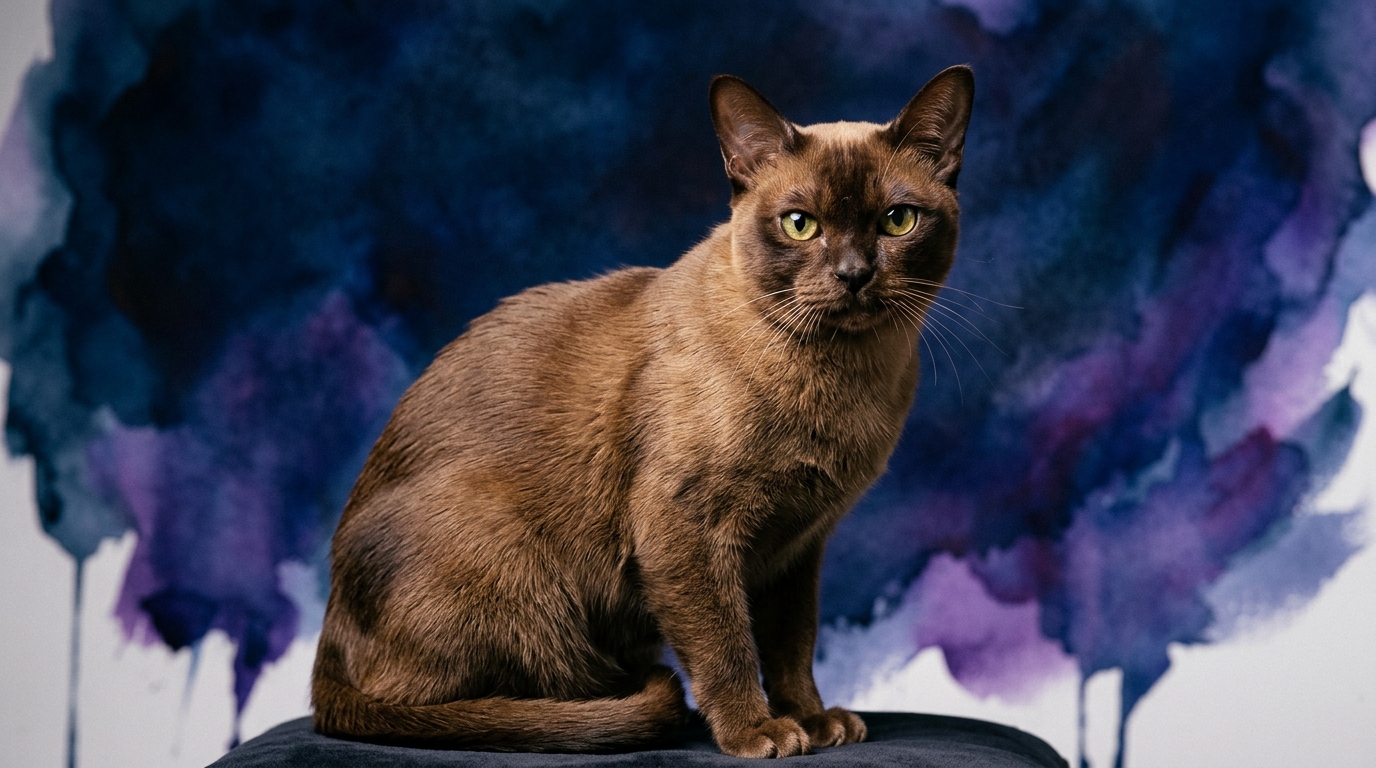
The Cosmic Pet Pet IQ Lab employs five distinct dimensions to assess a cat's cognitive abilities, providing a granular view beyond generic notions of cleverness. For the Burmese, these scores paint a picture of an exceptionally engaging and perceptive companion. Their Problem Solving is rated at 4/5, indicating a remarkable aptitude for figuring out puzzles, understanding cause and effect, and creatively navigating their environment to achieve desired outcomes. This manifests as a cat that might strategically open cabinets or learn to manipulate objects to get a treat. Training Speed, at a perfect 5/5, highlights their extraordinary capacity for rapid learning and retention of new commands, tricks, and routines, making them highly receptive to instruction. Social Intelligence also scores 5/5, showcasing a profound understanding of human cues, a strong desire for interaction, and a deep emotional connection with their family members. Their Instinctive Drive is a moderate 3/5, meaning they possess natural hunting and territorial instincts but these are typically well-integrated into domestic life without being overwhelmingly dominant. Finally, Memory, at 4/5, signifies strong recall for routines, familiar individuals, and previously learned behaviors, allowing them to retain training and recognize patterns over time.
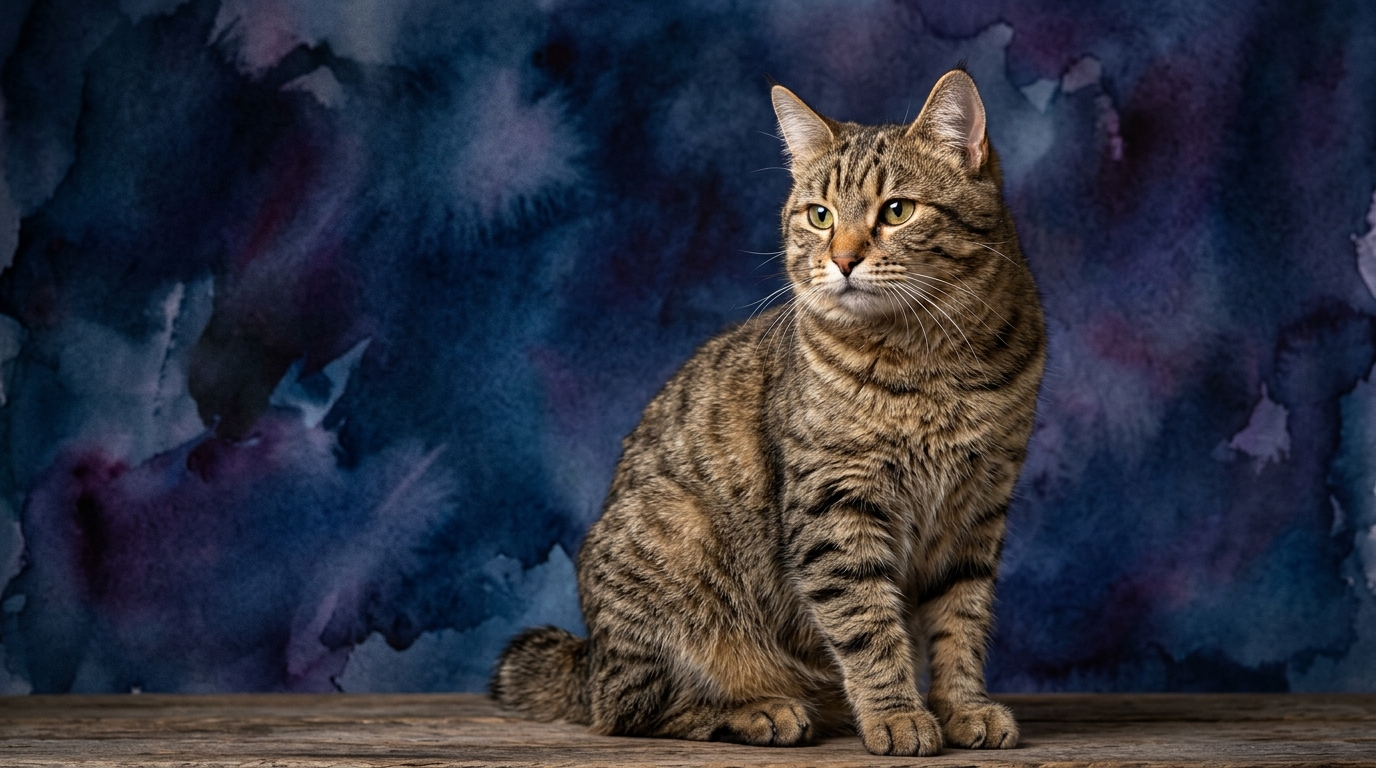
In contrast, the Pixiebob presents a more uniformly balanced cognitive profile, with all five dimensions rated at 3/5. Their Problem Solving at 3/5 suggests they are capable of tackling straightforward challenges, such as finding creative ways to reach a high perch or navigating familiar obstacles, but are less inclined toward complex strategizing or intricate puzzle-solving. Training Speed at 3/5 indicates a steady, moderate pace of learning; they can certainly acquire commands and routines, but it requires consistent reinforcement and patience, rather than instantaneous grasp. Social Intelligence, also 3/5, describes a cat that is affectionate and recognizes its human family, yet generally maintains a more independent demeanor, appreciating companionship without constant demand. Their Instinctive Drive, matching the Burmese at 3/5, means they express natural hunting and exploring urges in a balanced manner, often enjoying interactive play that simulates prey without excessive intensity. Lastly, Memory at 3/5 reflects a reliable retention of information about their environment, daily routines, and familiar individuals, demonstrating a consistent but not exceptionally deep recall for complex sequences or nuanced past events.
Where Burmese Excels Cognitively
The Burmese truly shines in areas demanding rapid intellectual engagement and social nuance. Their 4/5 Problem Solving score means they are often adept at mastering complex puzzle feeders, figuring out how to open child-proof latches, or devising clever strategies to access forbidden areas. This isn't just about mischief; it's a demonstration of their capacity for abstract thought and sequential reasoning, consistently evaluating situations and adapting their approach.
Furthermore, the Burmese's perfect 5/5 in Training Speed and Social Intelligence forms a powerful cognitive synergy. Their eagerness to learn combined with their deep desire to interact and please their human companions makes them exceptionally receptive to training. They quickly pick up on verbal cues, hand signals, and even emotional nuances from their owners. This allows them to master advanced tricks, respond reliably to their name, and even participate in complex routines like walking on a leash with remarkable ease and enthusiasm. Their 4/5 Memory ensures that these learned behaviors and social connections are deeply ingrained, leading to lasting understanding and recall.
Where Pixiebob's Cognitive Profile Shines Uniquely
While the Pixiebob's scores are consistently moderate, this balanced cognitive profile is not a disadvantage; rather, it represents a unique strength for certain lifestyles and preferences. Its 3/5 in Problem Solving, for instance, suggests a practical and straightforward approach to its environment. They are less likely to obsessively dismantle household items or devise elaborate escape plans from secure enclosures, favoring a more predictable and less disruptive interaction with their surroundings. This can translate to a calmer household environment, where curiosity is present but less intensely focused on intricate deconstruction.
The Pixiebob's 3/5 in Social Intelligence offers another distinct advantage for owners who appreciate a companion that is affectionate but also self-sufficient. While they enjoy human company, their moderate social drive means they are generally less prone to separation anxiety or demanding constant attention compared to their more socially intensive counterparts. This cognitive independence allows them to be content with their own company for periods, engaging in self-directed play or simply observing their surroundings, making them an excellent fit for individuals with busy schedules who still desire a warm, present feline companion. Their consistent 3/5 across all cognitive dimensions fosters an adaptable and emotionally stable temperament, contributing to a reliable and steady presence in the home.
Training Aptitude: Burmese vs. Pixiebob
When it comes to formal training, the Burmese holds a clear advantage, largely due to its exceptional 5/5 Training Speed and 5/5 Social Intelligence. These cats possess an innate desire to engage with their human companions and a remarkable ability to quickly grasp new concepts. This means they often require fewer repetitions to learn commands, respond enthusiastically to positive reinforcement, and actively seek out opportunities for interaction and mental stimulation. Owners of Burmese cats frequently report success with teaching complex tricks, leash training, and even fetch, as the cats genuinely enjoy the collaborative learning process and the attention it brings.
The Pixiebob, with its 3/5 Training Speed and 3/5 Social Intelligence, can certainly be trained, but the process will require more patience and consistency. They learn at a steady pace, absorbing information over time rather than instantaneously. While they respond well to positive reinforcement and appreciate interaction, they may not exhibit the same fervent eagerness to 'perform' or constantly seek new challenges as a Burmese. Training a Pixiebob is often more about establishing routines, basic manners, and practical commands, rather than intricate trick sequences. Their more independent nature means they may require more intrinsic motivation or a greater reward to engage fully in prolonged training sessions.
Matching Lifestyles: Active vs. Relaxed Owners
For owners with an active lifestyle who crave constant interaction and enjoy engaging their pets in mentally stimulating activities, the Burmese is an ideal match. Their high Problem Solving (4/5) and paramount Social Intelligence (5/5) mean they thrive on mental puzzles, interactive games, and being an integral part of family activities. A Burmese cat requires consistent engagement to prevent boredom, often initiating play or seeking attention. They are well-suited to households where they can learn new things, explore safe environments, and receive ample human companionship, flourishing when their cognitive prowess is regularly challenged.
Conversely, the Pixiebob's balanced cognitive profile, with consistent 3/5 scores, makes it an excellent companion for more relaxed owners who appreciate a self-sufficient and composed feline presence. While they enjoy affection and play, their need for constant human-directed mental engagement is not as intense as that of a Burmese. A Pixiebob is often content to observe, entertain itself with toys, or simply nap nearby, offering companionship without demanding continuous interaction. Their adaptability and stable temperament make them well-suited to a quieter home environment, provided they have access to adequate enrichment and occasional interactive play that satisfies their moderate instinctive drives.
The Verdict
If you desire a highly interactive, quick-to-learn companion eager to participate in your daily life and engage in complex mental challenges, the Burmese is an excellent choice. Their social nature and rapid learning curve promise a deeply bonded and responsive pet.
Opt for the Pixiebob if you prefer a self-sufficient, steady companion who appreciates affection but also values their independence, fitting seamlessly into a relaxed household rhythm. Their balanced cognitive profile offers a calm and predictable presence without constant demands for attention or stimulation.
🧠 Find Your Pet's IQ Score
Our Pet IQ Lab assessment covers 25+ tests across 5 cognitive dimensions — personalized to your breed.
Take the Full IQ Test →Frequently Asked Questions
Are Burmese cats prone to separation anxiety?
With their exceptionally high social intelligence (5/5), Burmese cats form deep bonds and thrive on interaction, which can make them more susceptible to separation anxiety if left alone for extended periods. They truly flourish in homes where companionship is abundant and consistent.
Can Pixiebob cats be trained to walk on a leash?
Yes, Pixiebob cats can certainly be trained to walk on a leash, though their moderate training speed (3/5) means it will require consistent positive reinforcement and patience. Starting early and making it a positive experience will yield the best results for these adaptable felines, allowing them to enjoy supervised outdoor adventures.
Which breed is generally better with children?
The Burmese, with its 5/5 social intelligence and desire for interaction, often adapts wonderfully to family life and can be very patient and playful with children, thriving on the extra attention and engagement. The Pixiebob, while affectionate, might prefer a slightly calmer interaction style due to its more independent nature, making supervision important with very young children.