Cognitive Blueprints: A Side-by-Side IQ Profile
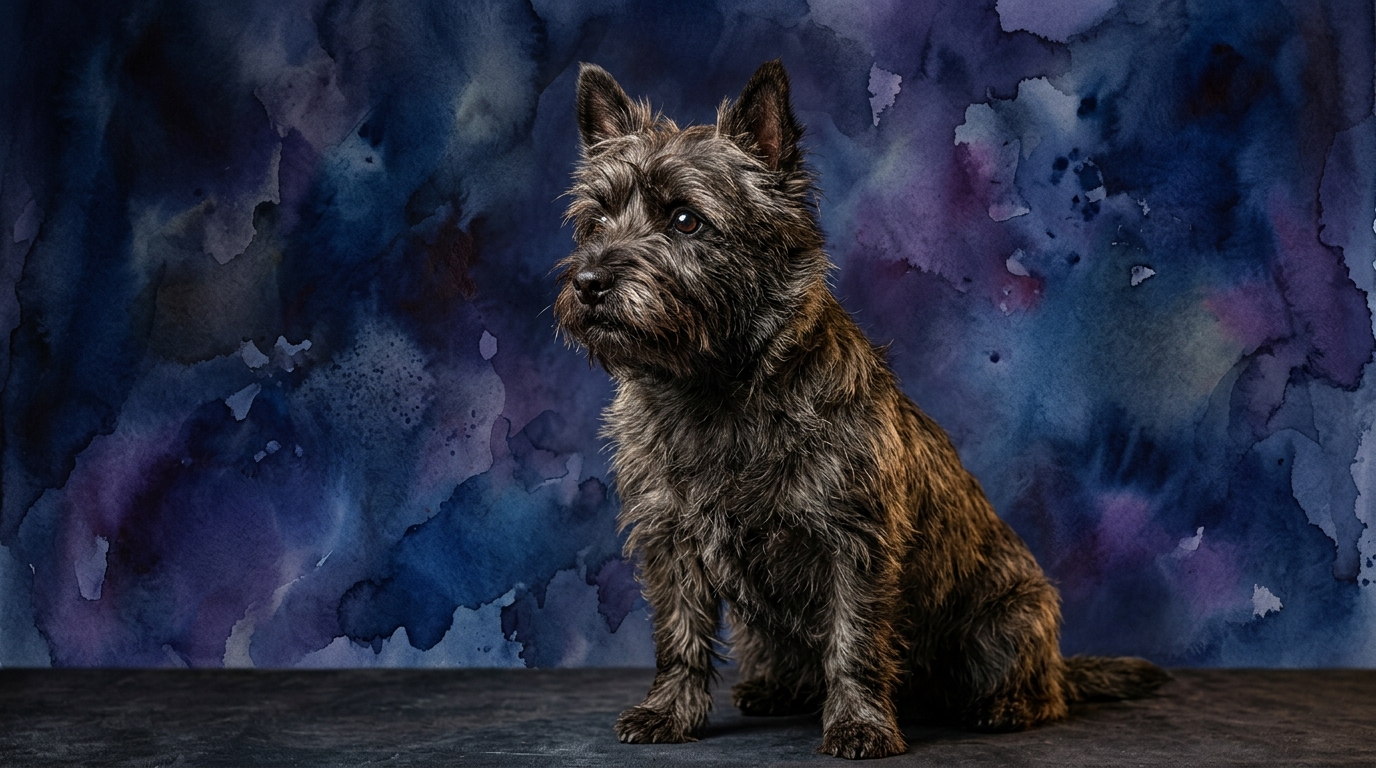
The Cairn Terrier, a spirited Terrier group member, presents a robust cognitive profile, earning a Coren rank of #35. Their Problem Solving is rated 4/5, reflecting a resourceful and tenacious approach to challenges, often finding creative ways to achieve their goals. Training Speed stands at a commendable 4/5, indicating a quick grasp of new commands and concepts, though their terrier independence requires consistent reinforcement. Social Intelligence is 3/5; they typically form strong bonds with their immediate family but can be somewhat reserved or selective with strangers. Their Instinctive Drive, also 3/5, manifests in their keen desire to dig and chase, a remnant of their vermin-hunting heritage. Finally, their Memory is strong at 4/5, enabling them to retain commands, routines, and experiences effectively over time.
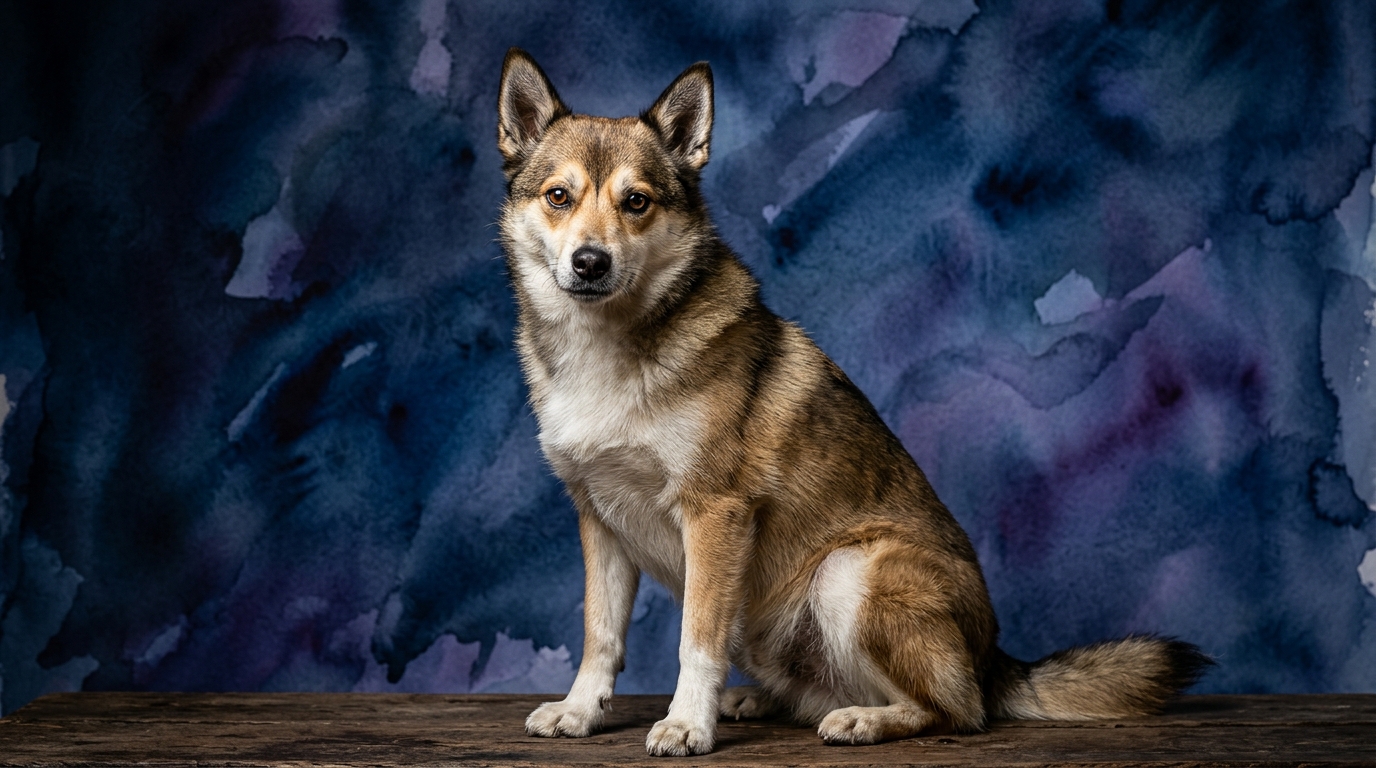
In contrast, the Norwegian Lundehund, a rare Non-Sporting breed, offers a distinct cognitive makeup, unranked by Coren but fascinating in its own right. Their Problem Solving is 3/5, suggesting a cleverness geared towards independent navigation and resourcefulness in unique environments, rather than human-directed tasks. Training Speed is 3/5, meaning they can learn, but often require more patience, varied methods, and shorter, engaging sessions due to their independent streak. Social Intelligence is 3/5; they are typically loyal and devoted to their family but can be quite wary or aloof with outsiders, a trait likely stemming from their isolated development. Their Instinctive Drive is 3/5, highly specialized for their ancestral role of puffin hunting, involving unique climbing and maneuvering abilities. Their Memory is 3/5, sufficient for retaining routines and familiar cues, but perhaps less adept at recalling complex sequences of commands over extended periods.
The Cairn Terrier's Cognitive Edge: Agility and Retention
The Cairn Terrier clearly demonstrates a cognitive advantage in several key areas, primarily due to their higher scores in problem-solving, training speed, and memory. With a 4/5 in Problem Solving, Cairns are often observed to be more direct and persistent in figuring out how to bypass obstacles or access desired items. This isn't just about physical agility; it’s a mental tenacity that drives them to keep trying different approaches until they succeed. For instance, a Cairn might systematically try various methods to open a puzzle toy, showcasing a more focused and adaptive trial-and-error process than some other breeds.
Their Training Speed, also at 4/5, means they typically pick up new commands and routines with fewer repetitions. This quick cognitive processing allows them to make strong associations between actions and consequences rapidly, making them highly responsive to positive reinforcement methods. An owner of a Cairn Terrier might find their dog mastering a new trick within a handful of sessions, a testament to their efficient learning capacity. Coupled with their 4/5 Memory, Cairns are adept at retaining these learned behaviors and commands over the long term, making them reliable in recalling their training even after a break. This combination of quick learning and strong retention is a significant cognitive asset for the Cairn, placing them firmly in the realm of highly trainable and adaptable companions within structured environments.
Norwegian Lundehund's Unique Mental Strengths: Adaptability and Niche Instincts
While the Norwegian Lundehund's IQ scores might appear lower in direct comparison, their cognitive strengths lie in a specialized, rather than generalized, form of intelligence, uniquely adapted to their ancestral role. Their Problem Solving, rated 3/5, isn't about human-centric tasks but about navigating complex, natural environments. These dogs were bred to hunt puffins in rocky, often vertical sea caves, a task demanding exceptional spatial reasoning, agility, and independent decision-making in unpredictable terrain. Their physical adaptations, such as extra toes and extreme joint flexibility, are mirrored by a cognitive system that likely excels at processing and adapting to these specific environmental challenges.
The Lundehund’s Instinctive Drive, also 3/5, is a prime example of this specialized cognitive prowess. This drive isn't just about chasing; it's about an innate ability to scale, squeeze through tight spaces, and retrieve from challenging locations. This requires a unique blend of motor planning, risk assessment, and environmental awareness that differs significantly from a terrier's earth-digging instinct. Their social intelligence, while rated 3/5, might also be seen as a strength in its context: a deep loyalty and bond with their immediate 'pack' (family), often accompanied by a cautious independence towards strangers, which served them well in isolated, self-sufficient communities. Their cognitive win lies in this highly evolved, niche intelligence, allowing them to thrive in extreme conditions where other breeds might falter without human direction.
Training Trajectories: Understanding Compliance and Independence
When assessing ease of training, the Cairn Terrier generally emerges as the more straightforward student, primarily due to their superior Training Speed (4/5) and Memory (4/5). Cairns possess a keen eagerness to engage with their human companions and a quicker cognitive uptake, allowing them to grasp new commands and concepts with fewer repetitions. While they retain their terrier independence (Instinctive Drive 3/5), which can manifest as stubbornness, their innate desire to participate in activities and their strong recall of learned behaviors make training a more predictable and often faster process. They respond well to consistent, positive reinforcement and thrive on the mental stimulation that training provides, seeing it as an engaging partnership.
The Norwegian Lundehund, with a Training Speed of 3/5 and Memory of 3/5, presents a different training challenge. Their highly independent nature, a hallmark of their specialized evolutionary path, means they are less inclined to blindly follow commands and more likely to assess situations and act on their own initiative. Training a Lundehund often requires more creativity, patience, and a deep understanding of their unique motivations. Repetitive drills can quickly lead to boredom and 'selective hearing.' Owners must employ short, fun, and highly rewarding sessions, often incorporating elements of exploration or problem-solving that appeal to their natural instincts. While they are capable of learning, their self-directed behavioral tendencies mean that achieving consistent, rapid obedience requires a more nuanced and persistent approach than with a Cairn Terrier.
Lifestyle Match: Energy Levels and Cognitive Engagement
Choosing between these two breeds also hinges on the type of activity and engagement an owner is prepared to offer, reflecting their distinct cognitive needs. The Cairn Terrier, with its robust Problem Solving (4/5) and high Training Speed (4/5), thrives with owners who enjoy structured activities and consistent mental stimulation. These dogs excel in dog sports like agility, obedience, and earthdog trials, where their quick learning, memory, and tenacious spirit can be channeled productively. They require daily exercise that includes both physical exertion and mentally stimulating tasks, such as puzzle toys, scent work, or learning new tricks. An owner who is committed to ongoing training and enjoys an interactive partnership will find the Cairn a highly rewarding companion, eager to participate and engage in shared activities.
The Norwegian Lundehund, while also an active breed, requires a different kind of owner engagement, one that appreciates and accommodates their specialized instincts and independent nature. Their unique problem-solving (3/5) and instinctive drive (3/5) are best satisfied through varied, less structured outdoor exploration. These dogs excel in environments where they can navigate complex terrains, climb, and investigate, mimicking their ancestral role. Owners who enjoy hiking, exploring new trails, or providing a secure, varied backyard environment for independent investigation will find the Lundehund’s cognitive needs met. While they can participate in some dog sports, their self-directed nature often means they excel less in highly repetitive obedience and more in activities that allow for independent decision-making and exploration. They are not suited for purely relaxed owners, but rather those who can provide stimulating, often self-directed, adventures.
The Verdict
Choose the Cairn Terrier if you seek a cognitively agile companion eager for structured learning, puzzle games, and a partner in various dog sports. Their quick grasp and robust memory make them rewarding for consistent training and engagement.
Opt for the Norwegian Lundehund if you value a highly independent and unique companion, appreciating their specialized problem-solving for exploration and a bond built on understanding their self-reliant nature. They thrive with owners who can provide varied, less structured adventures.
🧠 Find Your Pet's IQ Score
Our Pet IQ Lab assessment covers 25+ tests across 5 cognitive dimensions — personalized to your breed.
Take the Full IQ Test →Frequently Asked Questions
Are Cairn Terriers good family dogs?
Yes, Cairn Terriers can be excellent family dogs, especially with proper socialization and training from a young age. Their social intelligence (3/5) means they bond well with their immediate family, though they might be reserved with strangers.
What kind of mental stimulation does a Norwegian Lundehund need?
Norwegian Lundehunds require varied mental stimulation that taps into their unique problem-solving and instinctive drives, such as exploring new environments, puzzle toys, and activities that allow them to climb or navigate. Due to their 3/5 memory, frequent, short, engaging sessions are more effective than repetitive drills.
Is the Coren ranking relevant for comparing these breeds?
The Coren ranking, which places the Cairn Terrier at #35, primarily assesses 'working intelligence' based on obedience and adaptive intelligence, indicating a general aptitude for human-directed tasks. The Norwegian Lundehund's absence from this list doesn't imply a lack of intelligence, but rather reflects their specialized, independent cognitive profile, less focused on traditional obedience for human work.