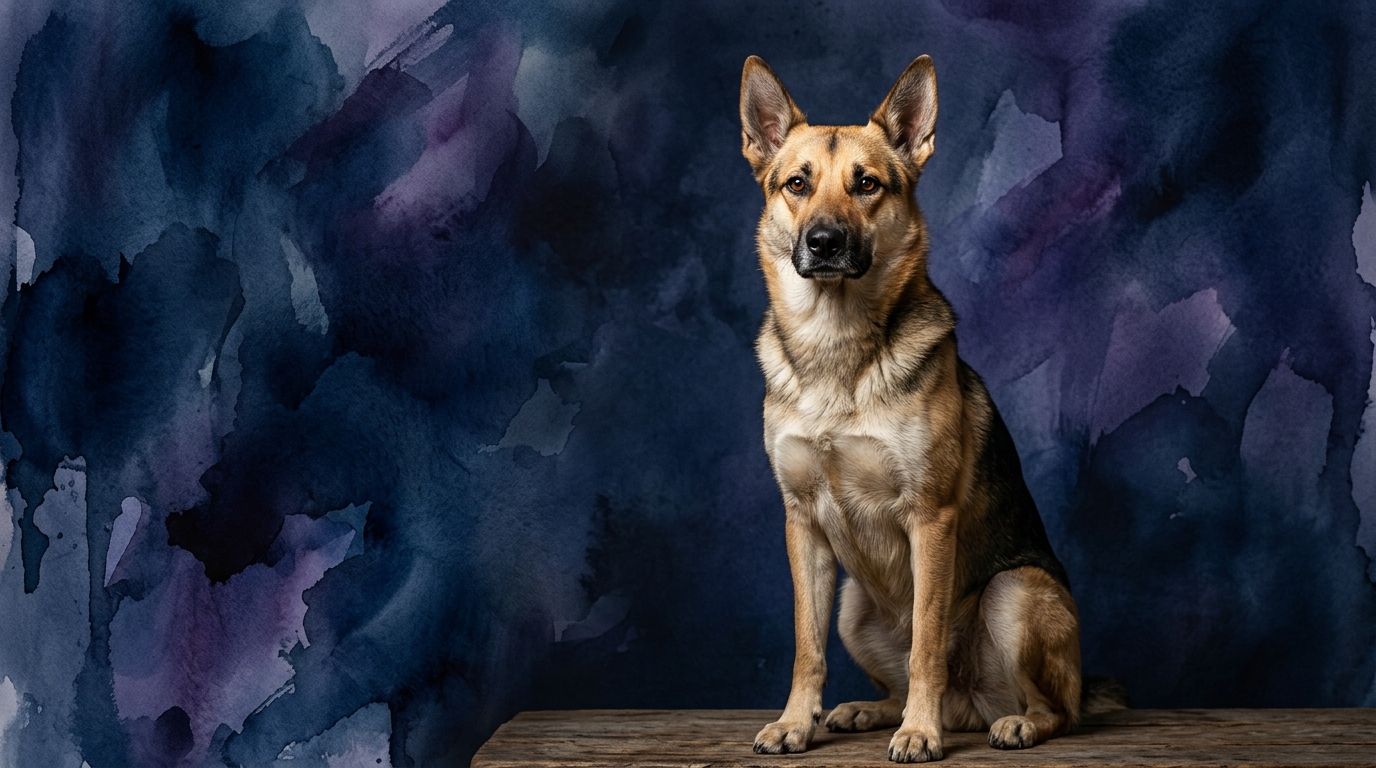
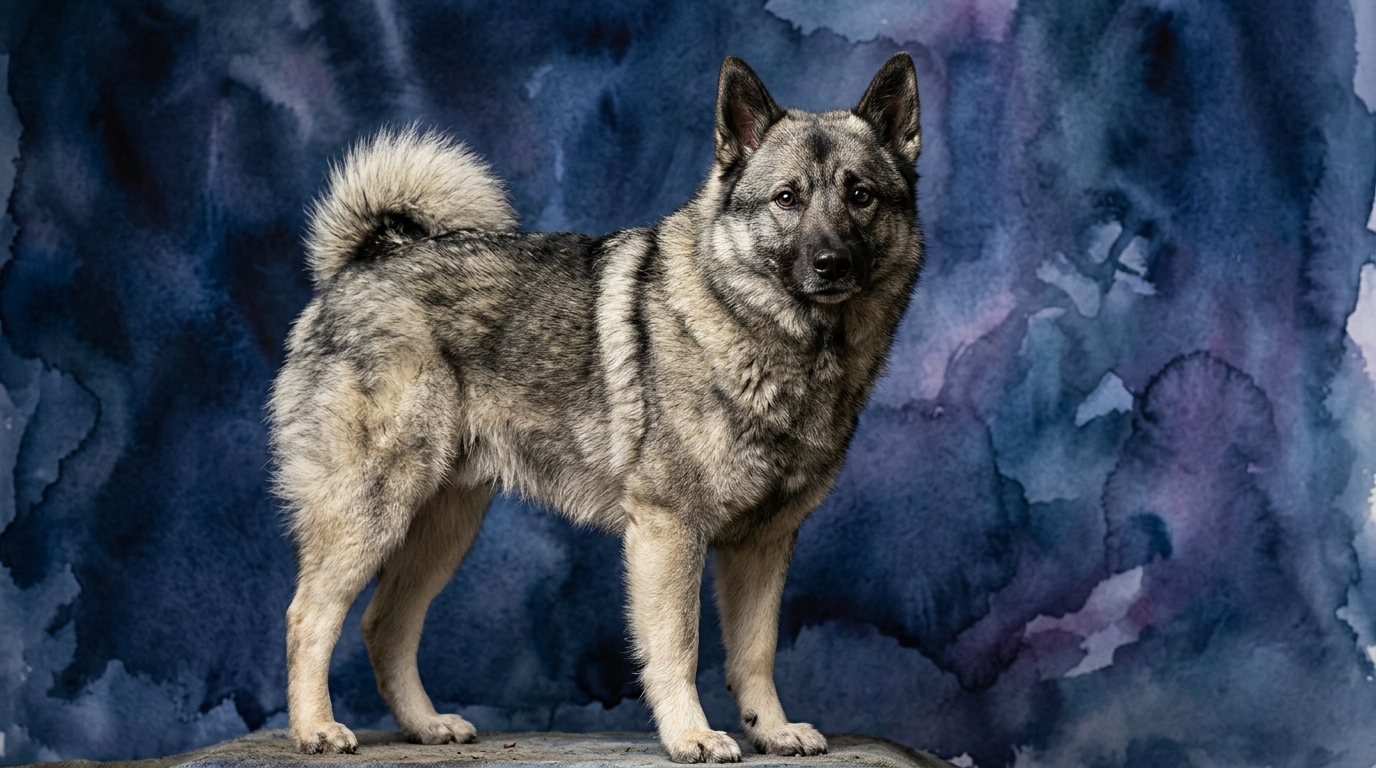
Side-by-Side Cognitive Profiles
**Canaan Dog:** Originating from the Middle East, this pariah dog’s cognitive makeup is a testament to survival. Its Problem Solving at 3/5 reflects an aptitude for independent, self-reliant solutions rather than seeking human guidance, often devising creative ways to overcome obstacles in its environment. Training Speed, also at 3/5, indicates a breed that learns at a moderate pace, requiring patient, consistent methods that respect its independent streak, rather than rote obedience. Social Intelligence at 3/5 means they are observant of their human family and environment but can be reserved, choosing their interactions carefully and processing social cues with a watchful eye. Their Instinctive Drive at 3/5 is primarily rooted in vigilance, territorial defense, and an innate sense of self-preservation, making them excellent watchdogs. A Memory score of 4/5 means the Canaan Dog effectively retains information about its surroundings, past experiences, and learned behaviors, crucial for navigation and recognizing patterns.
**Norwegian Elkhound:** Hailing from Scandinavia, the Elkhound’s cognitive profile is shaped by centuries of hunting large game in rugged terrain. Its Problem Solving at 4/5 denotes a resourceful mind that can strategize effectively to achieve goals, particularly when tracking or navigating complex environments to flush out prey. Training Speed, at a higher 4/5, suggests a breed that picks up new tasks and commands relatively quickly, eager to engage in structured learning, although their independent hound nature means they are not simply compliant. Social Intelligence, rated 3/5, indicates a dog that forms strong bonds with its family and is responsive to human interaction, yet maintains a confident, sometimes aloof, independence. Their Instinctive Drive, also 3/5, is strongly focused on scent work, tracking, and sustained pursuit, requiring mental stamina and a specific kind of focused determination. A Memory score of 4/5 ensures the Elkhound retains intricate details of scent trails, learned hunting strategies, and family routines.
Where the Canaan Dog Wins Cognitively
The Canaan Dog's unique cognitive strengths are deeply rooted in its ancient, semi-feral heritage, offering a distinct advantage in specific scenarios. While its Coren rank of #43 places it lower than the Elkhound, this ranking often reflects trainability for human-directed tasks, not necessarily raw cognitive capacity for independent survival. The Canaan's 3/5 in problem-solving, though numerically lower, signifies a profound ability for self-initiated, autonomous solutions. Unlike breeds bred for close human collaboration, the Canaan often doesn't look to its owner for direction; instead, it assesses situations and devises its own strategy, a cognitive trait invaluable for a dog that historically fended for itself. This translates into a remarkable resourcefulness in navigating unfamiliar environments or managing perceived threats without explicit commands. Their 4/5 memory is critical here, allowing them to recall intricate details of past encounters or environmental layouts, making them exceptionally adept at pattern recognition and applying prior learning to new, similar situations independently. This breed excels in tasks requiring independent judgment, strategic observation, and a deep understanding of its immediate surroundings, rather than following a prescribed sequence of commands.
Where the Norwegian Elkhound Wins Cognitively
The Norwegian Elkhound, with its Coren rank of #36, demonstrates a cognitive profile more readily aligned with collaborative tasks and focused problem-solving. Its 4/5 rating in problem-solving shines in situations requiring sustained mental effort and strategic thinking towards a defined goal, particularly those involving tracking or overcoming environmental challenges in pursuit of a target. This isn't just about raw intellect, but about applying cognitive skills with purpose and persistence, a trait honed by generations of hunting large game. Coupled with a 4/5 training speed, the Elkhound's mind is quicker to grasp complex sequences and abstract commands, making it more adaptable to varied training regimens and dog sports. They demonstrate a superior capacity for understanding and executing multi-step instructions, often displaying a keen ability to anticipate the next step in a task. Their social intelligence, while rated the same 3/5 as the Canaan, often manifests as a more direct engagement with their human partners in a working context, allowing for a more seamless exchange of information during training or shared activities. This makes them exceptional candidates for advanced obedience, agility, or scent work where a dog needs to process information quickly and apply learned solutions.
Which is Easier to Train and Why
When considering ease of training, the Norwegian Elkhound generally presents a more straightforward path for the average owner, primarily due to its higher Training Speed (4/5) and Problem Solving (4/5) scores in human-directed contexts. Elkhounds were historically partners in hunting, requiring them to learn and execute complex commands, track, and retrieve. This lineage has instilled a greater willingness to engage with human instruction and a quicker grasp of new concepts. While they retain a hound's characteristic independence and can be selective about when they choose to listen, their motivation often lies in pleasing their family and participating in stimulating activities. Their cognitive makeup allows them to connect actions with consequences more readily, making positive reinforcement highly effective. In contrast, the Canaan Dog's Training Speed (3/5) and Problem Solving (3/5) reflect a deeper-seated independence. Their history as free-ranging pariah dogs meant survival depended on their own judgment, not human commands. This translates into a dog that often questions the necessity or logic behind an instruction, requiring an owner to be exceptionally patient, consistent, and creative in their training approach. A Canaan Dog might understand a command but choose not to execute it if it doesn't perceive a valid reason, making training less about rote memorization and more about building a strong, respectful partnership based on trust and mutual understanding. Behavioral differences highlight this: an Elkhound might be distracted by a scent but will likely return to the task with encouragement, whereas a Canaan might decide the scent is a more pressing "problem" to solve independently.
Which Suits Active Owners vs Relaxed Owners
Both the Canaan Dog and the Norwegian Elkhound are breeds demanding significant physical and mental engagement, making neither truly suitable for a genuinely relaxed, low-activity owner. However, their specific needs cater to different types of active lifestyles. The Norwegian Elkhound thrives with owners who embrace structured activity and seek a cooperative partner for outdoor adventures. Their background as tenacious hunters means they possess remarkable stamina and a desire for purpose-driven exercise, excelling in activities like long hikes, tracking, canicross, or even agility. An Elkhound's cognitive satisfaction comes from engaging in tasks that challenge its problem-solving abilities and tap into its instinctive drive for pursuit, making them ideal for owners who enjoy training for and participating in dog sports. They need an owner who can provide consistent mental stimulation, preventing boredom which can manifest as vocalization or destructive behaviors. The Canaan Dog, while equally active, channels its energy and cognitive drive differently. Its deep-rooted independence and vigilance mean it often prefers patrolling its territory, observing, and making its own decisions. Owners who appreciate a dog that is less reliant on constant human direction and finds satisfaction in self-directed exploration and guardianship will find a good match. While they can participate in dog sports like agility, their motivation is often internal rather than a desire to please. They require ample space to roam securely and mentally engage with their surroundings, making them better suited for owners with larger properties or those who enjoy long, investigative walks rather than high-intensity, repetitive exercises. For truly relaxed owners, neither breed is recommended, as both require dedicated effort to prevent boredom and channel their considerable cognitive and physical energies constructively.
The Verdict
Choose the Canaan Dog if you seek an independent, watchful companion that thrives on self-sufficiency and offers a rewarding challenge in building a respectful partnership based on mutual trust.
Opt for the Norwegian Elkhound if you desire an active, intelligent partner eager for outdoor adventures and dog sports, a quick learner who thrives on collaborative, purposeful engagement.
🧠 Find Your Pet's IQ Score
Our Pet IQ Lab assessment covers 25+ tests across 5 cognitive dimensions — personalized to your breed.
Take the Full IQ Test →Frequently Asked Questions
Are Canaan Dogs good with children?
Canaan Dogs can be good with older, respectful children who understand how to interact with an independent dog. Their reserved nature means they may not tolerate rough play, so supervision and early socialization are key to positive interactions. They are often protective of their family but need space.
How much exercise does a Norwegian Elkhound need daily?
Norwegian Elkhounds are active dogs requiring at least 60-90 minutes of vigorous exercise daily, ideally broken into multiple sessions. This can include long walks, runs, hikes, or engaging in dog sports to satisfy their high stamina and mental stimulation needs. They thrive on having a job to do.
Do Canaan Dogs bark a lot?
Due to their strong guardian instincts and vigilance, Canaan Dogs tend to be vocal. They use barking to alert their family to anything unusual or perceived threats in their environment. Consistent training can manage excessive barking, but their alert nature means they will always be watchful.