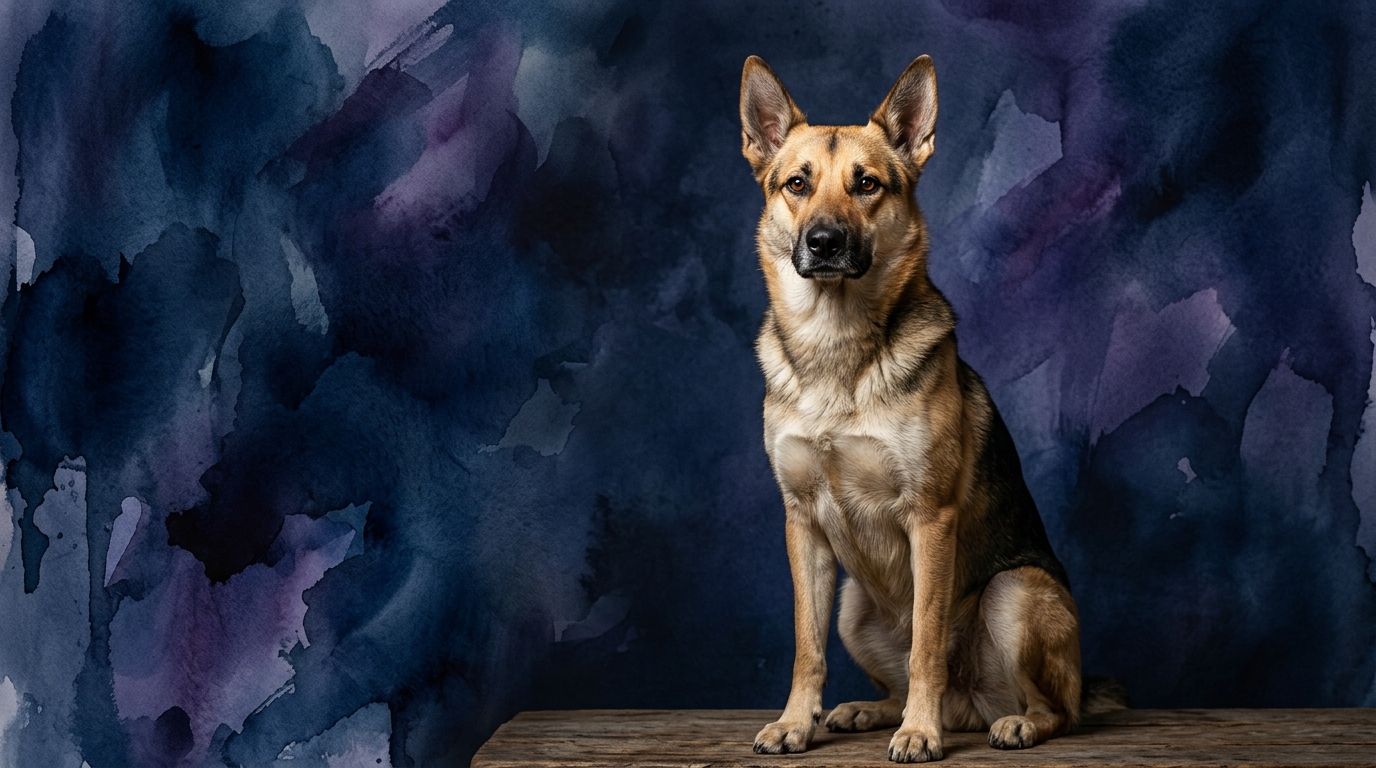
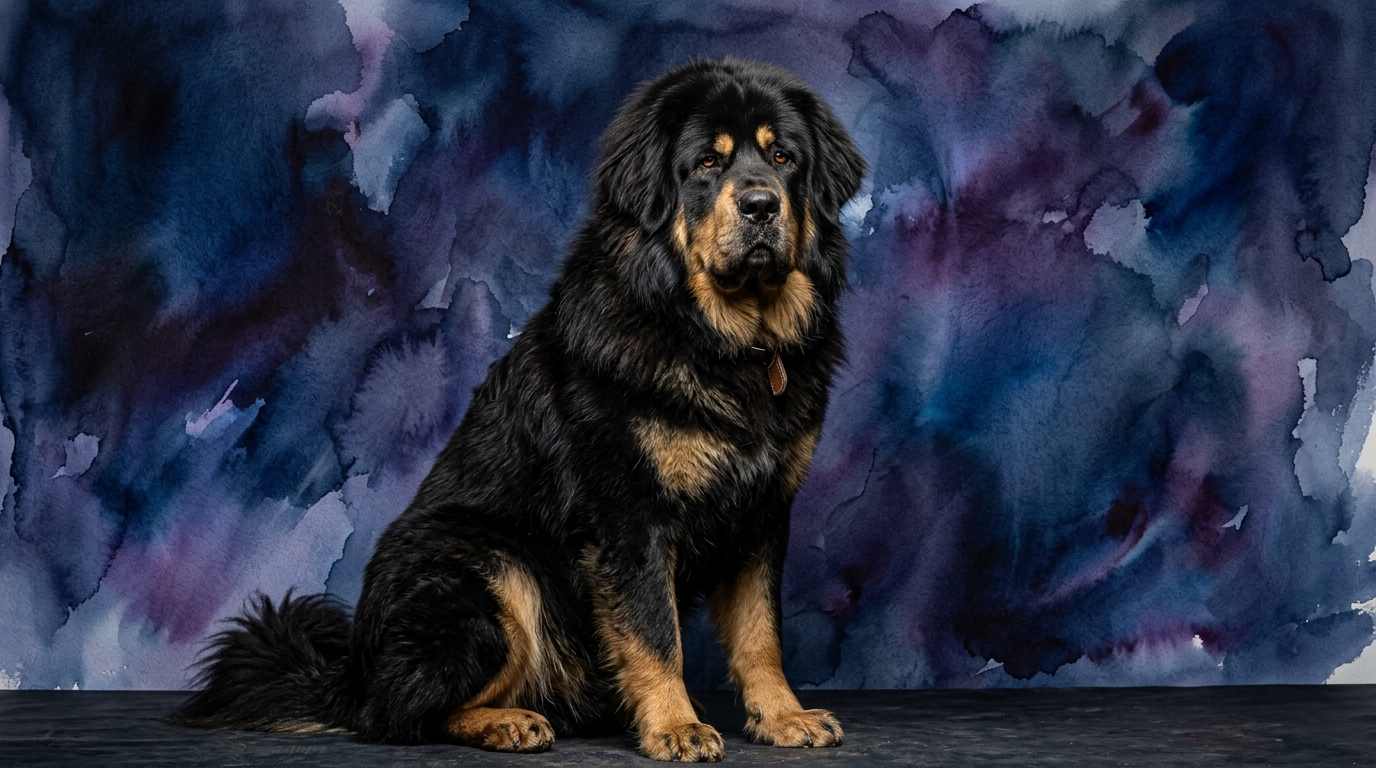
Side-by-Side IQ Profile: Canaan Dog vs Tibetan Mastiff
The Canaan Dog, a Herding breed, exhibits a problem-solving score of 3/5, indicating an ability to navigate moderately complex situations with adaptable thought. Their training speed also rates 3/5, suggesting a capacity to learn new commands at a steady pace, often driven by a desire to engage. Social intelligence at 3/5 reflects a nuanced understanding of human cues and pack dynamics, while an instinctive drive of 3/5 points to their inherent working behaviors, particularly herding and vigilance. A notable strength is their memory, scoring 4/5, allowing them to recall past experiences and learned behaviors with impressive retention.
Hailing from the Working group, the Tibetan Mastiff shares a problem-solving score of 3/5, though their approach is often characterized by independent assessment rather than eager cooperation. Their training speed is also 3/5, but this learning often requires patient, consistent effort due to their self-reliant nature. Social intelligence at 3/5 suggests they comprehend social structures, yet they often maintain an aloof demeanor, reserving trust for their inner circle. An instinctive drive of 3/5 highlights their profound guardian instincts, particularly in territorial defense. Their memory, scoring 3/5, indicates a solid ability to retain information, though perhaps not with the immediate recall of the Canaan Dog.
Where the Canaan Dog Wins Cognitively
The Canaan Dog's cognitive edge primarily lies in its superior memory, rated at 4/5 compared to the Tibetan Mastiff's 3/5. This enhanced recall means a Canaan Dog is more likely to remember complex command sequences or retain the lessons from previous training sessions without frequent refreshers. Furthermore, while both breeds score 3/5 in problem-solving, the Canaan Dog's herding heritage often translates into a more agile, dynamic problem-solving approach, such as figuring out how to move livestock or navigate changing terrain, which can be perceived as more adaptable in varied environments. Their slightly more cooperative nature, stemming from their Herding group classification and Coren ranking, often means they apply their cognitive abilities in ways that align more readily with human directives.
Where the Tibetan Mastiff Wins Cognitively
The Tibetan Mastiff, despite similar numerical scores in many areas, demonstrates a distinct cognitive strength in its application of instinctive drive and problem-solving within its specialized role. Their 3/5 instinctive drive is profoundly channeled into territorial guardianship, manifesting as an exceptional ability to assess potential threats and make independent decisions regarding their domain. This translates into a problem-solving approach that prioritizes security and boundary enforcement, often requiring complex judgment calls in the absence of direct human command. While their social intelligence is 3/5, it is deeply rooted in discernment, allowing them to accurately differentiate between familiar individuals and potential intruders, a critical cognitive skill for a guardian breed. Their cognitive win lies in the depth and unwavering commitment to their primary function, requiring a specific kind of situational awareness and strategic thinking.
Which is Easier to Train and Why
Between these two breeds, the Canaan Dog generally presents an easier training experience. While both breeds share a “training speed” score of 3/5, the Canaan Dog's Coren rank of #43 places it in the “average working/obedience intelligence” category, indicating a capacity to learn new commands with 25-40 repetitions, responding reliably to 50% of commands on the first try. Their herding background fosters a desire to work alongside humans and respond to direction, often exhibiting a keenness to please that aids in motivation.
In contrast, the Tibetan Mastiff, as a Working breed not Coren-ranked, tends to be far more independent and self-willed. Their problem-solving and decision-making are often self-directed, rooted in their ancient role as aloof guardians. While they can learn, training a Tibetan Mastiff requires immense patience, consistency, and a deep understanding of their independent spirit, as they are less inclined to perform simply to satisfy a human request and may question the necessity of a command.
Which Suits Active Owners vs. Relaxed Owners
The Canaan Dog, with its Herding group classification and inherent drive, is better suited for active owners. They thrive on mental stimulation and physical activity, requiring regular engagement through walks, training, and perhaps dog sports like agility or herding trials to satisfy their instinctive needs. Their intelligence and energy levels mean they can become bored or destructive without sufficient outlets. Relaxed owners, or those seeking a purely sedentary companion, would find a Canaan Dog's needs challenging to meet.
The Tibetan Mastiff, while massive, can be a better fit for owners who are “relaxed” in terms of continuous, high-intensity activity, but who are also very firm, consistent, and able to provide ample space and a clear role. They are not necessarily “active” in the sense of needing to run for miles daily, but they do require consistent patrolling of their territory and mental engagement tailored to their guardian instincts. Their independence means they don't demand constant human interaction but do require a calm, assertive owner who can establish clear boundaries and leadership without resorting to harsh methods.
The Verdict
Opt for the Canaan Dog if you seek a more biddable companion who thrives on active partnership, values consistent training, and offers a quicker recall of learned behaviors due to their superior memory.
Select the Tibetan Mastiff if you appreciate an independent, protective guardian with a deep sense of loyalty to their family and are prepared for a long-term commitment to patient, respectful training and management of their strong territorial instincts.
🧠 Find Your Pet's IQ Score
Our Pet IQ Lab assessment covers 25+ tests across 5 cognitive dimensions — personalized to your breed.
Take the Full IQ Test →Frequently Asked Questions
Are Canaan Dogs good for first-time dog owners?
Canaan Dogs can be a challenge for first-time owners due to their independent nature and strong herding instincts, requiring consistent training and socialization from an early age. They need an owner who can confidently guide them and provide ample mental and physical engagement to thrive.
How much exercise does a Tibetan Mastiff need daily?
While large, Tibetan Mastiffs don't require intense, continuous exercise like some other breeds; rather, they benefit from regular, moderate walks and time to patrol their secure yard. Mental stimulation through guardian duties and consistent training is often more crucial than high-impact physical activity.
Do Canaan Dogs and Tibetan Mastiffs get along with other pets?
Canaan Dogs, with proper socialization, can generally coexist with other pets, though their herding instincts might lead them to “herd” smaller animals. Tibetan Mastiffs are more complex; while they can tolerate other family pets, especially if raised with them, their strong guarding instincts and potential for dominance may require careful management with unfamiliar animals.