Side-by-Side Cognitive Profile
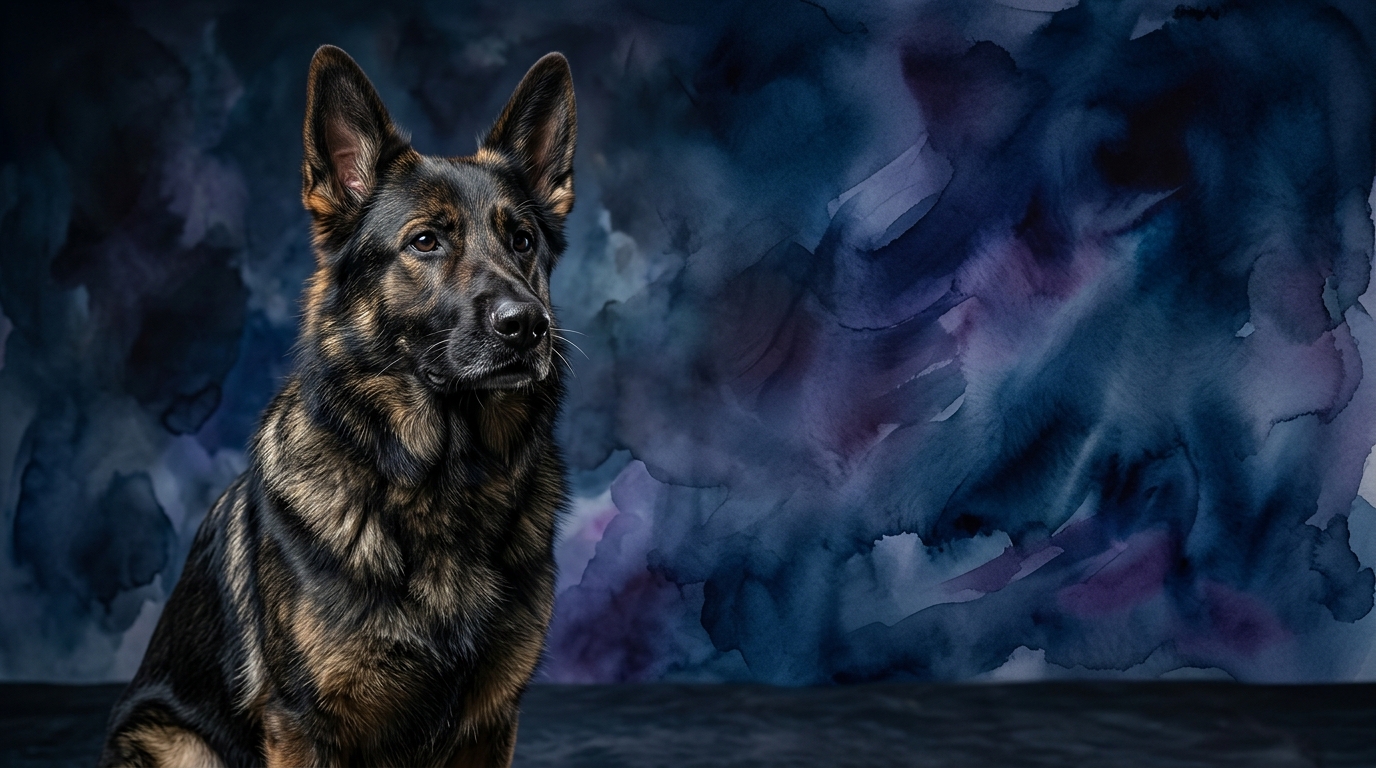
The German Shepherd, a Herding group dog, stands out with a Coren rank of #3, indicating a remarkable capacity for obedience and working intelligence. Their IQ metrics are consistently high across the board:
Problem Solving (5/5): This breed excels at complex tasks, quickly grasping new concepts and creatively navigating obstacles to achieve goals. They are adept at figuring out puzzles, understanding spatial relationships, and adapting strategies in dynamic environments.
Training Speed (5/5): German Shepherds demonstrate exceptional ability to learn and retain commands with minimal repetition, eager to engage in structured learning and master new skills rapidly. Their receptiveness makes them highly efficient learners.
Social Intelligence (5/5): They are highly attuned to human cues and emotions, forming deep cooperative bonds and understanding social hierarchies. They readily interpret body language and respond appropriately to their human partners.
Instinctive Drive (5/5): Possessing a powerful, versatile drive for work, whether herding, guarding, or performing service tasks, they channel their natural instincts into focused, productive action with enthusiasm.
Memory (5/5): German Shepherds exhibit outstanding recall for commands, routines, and experiences, remembering complex sequences and associations over extended periods, which aids in consistent performance.
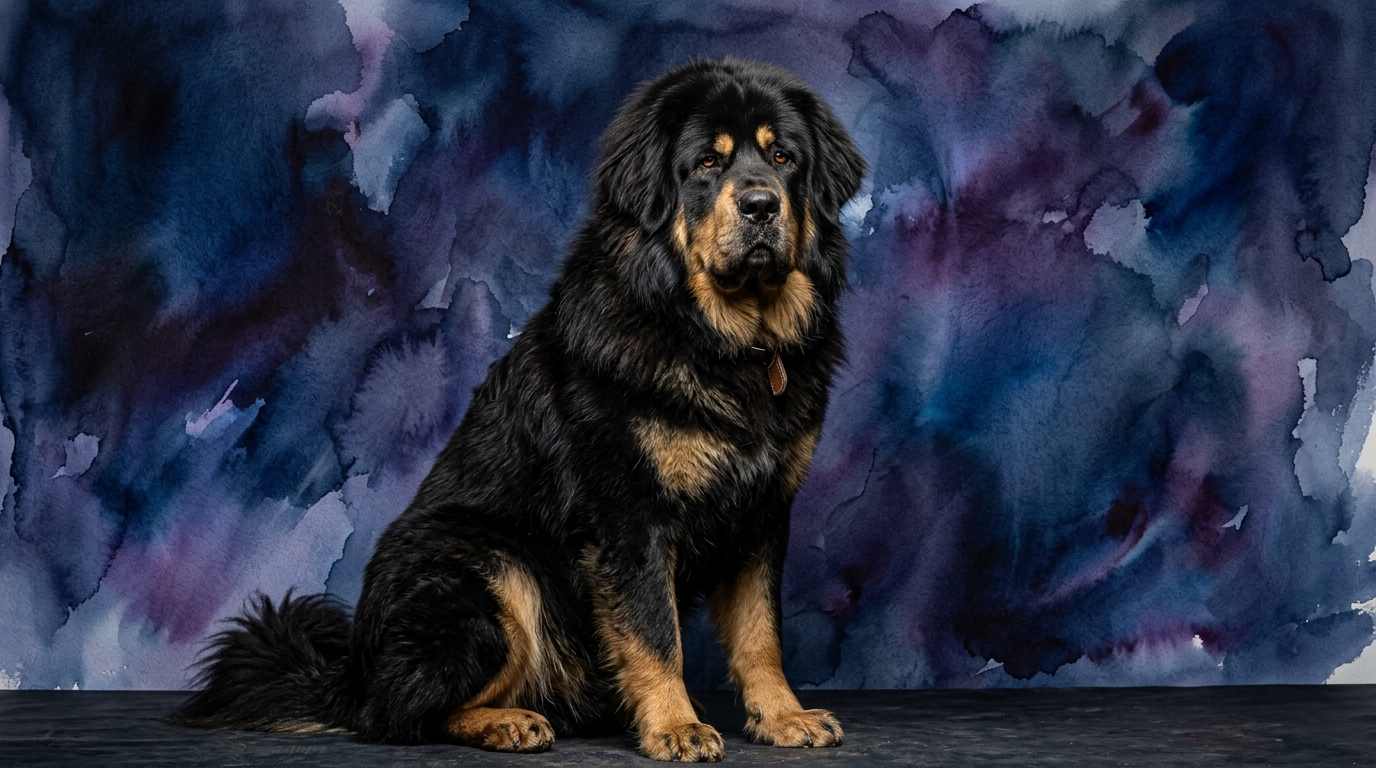
In contrast, the Tibetan Mastiff, a Working group dog, is not Coren-ranked, reflecting a different cognitive emphasis rather than a lack of capacity. Their IQ metrics are consistent at a moderate level, reflecting their independent nature:
Problem Solving (3/5): This breed approaches novel situations with a more deliberate, independent assessment, often preferring to rely on established patterns or their innate judgment rather than rapid, handler-directed solutions. They are thoughtful observers.
Training Speed (3/5): Tibetan Mastiffs learn at a moderate pace, requiring consistent and patient reinforcement due to their independent nature and preference for self-directed actions over constant human instruction. Repetition and clear motivation are key.
Social Intelligence (3/5): They form strong, protective bonds with their immediate family, but exhibit a more reserved and discerning approach to strangers and new social contexts, prioritizing vigilance over broad engagement. Their social circle is typically small and carefully chosen.
Instinctive Drive (3/5): Driven by a profound, ancient instinct to guard and protect their territory and family, they display a self-sufficient, watchful presence rather than a drive for active, collaborative tasks. Their drive is focused on their core duties.
Memory (3/5): Tibetan Mastiffs retain significant events, perceived threats, and the layout of their territory with tenacity, but may not prioritize or quickly recall an extensive repertoire of complex, non-essential commands. Their memory serves their guardianship.
Where the German Shepherd Excels Cognitively
The German Shepherd's cognitive profile consistently shines in areas demanding collaboration, rapid learning, and intricate problem-solving. Their 5/5 rating in Problem Solving means they don't just follow commands; they understand the *intent* behind them, often anticipating next steps or finding alternative solutions if a direct path is blocked. This makes them exceptional at complex tasks like search and rescue, where they must navigate dynamic environments and make independent decisions under pressure. Their superior Training Speed (5/5) allows them to absorb new information with remarkable efficiency, mastering multi-step commands and intricate routines in fewer repetitions than many other breeds. Furthermore, their highly developed Social Intelligence (5/5) fosters an unparalleled cooperative spirit; they actively seek to understand and work with their human partners, making them incredibly responsive to subtle cues and emotional states. This blend of quick wit, eagerness to learn, and deep social attunement positions them as a leading breed for roles requiring continuous mental engagement and adaptive performance.
Where the Tibetan Mastiff Excels Cognitively
While the Tibetan Mastiff's scores of 3/5 across the board might suggest a different cognitive approach, these ratings reflect an intelligence finely tuned for its ancestral role as an independent guardian, not a deficit. Their Problem Solving at 3/5 manifests as a profound, deliberate assessment of their environment, prioritizing vigilance and threat detection over playful puzzles. They excel at understanding the nuances of their territory, identifying potential incursions, and making independent judgments about safety without constant human intervention. Their Social Intelligence (3/5) translates into an unwavering loyalty and protective instinct towards their family unit, coupled with a healthy skepticism towards outsiders. This isn't a lack of social awareness, but rather a highly selective social engagement, crucial for a breed whose primary function is to deter threats. The Tibetan Mastiff's memory (3/5) is potent for remembering perceived dangers, safe zones, and the individuals within their protected circle, ensuring consistent guardianship. Their cognitive strengths lie in their self-sufficiency, deep-seated territorial awareness, and their ability to act as formidable, autonomous sentinels, requiring less direct instruction for their core duties.
Ease of Training: German Shepherd vs. Tibetan Mastiff
When considering ease of training, the German Shepherd unequivocally presents a more straightforward path for most owners. Their exceptional Training Speed (5/5) means they grasp new commands and concepts rapidly, often with just a few repetitions. This is bolstered by their high Social Intelligence (5/5) and a strong Instinctive Drive (5/5) for cooperative work, leading them to actively seek engagement and validation from their handler. They thrive on structure, consistency, and the mental stimulation that comes from learning and performing tasks, making them highly receptive to traditional obedience training. In contrast, the Tibetan Mastiff, with a Training Speed of 3/5, requires a significantly more patient, consistent, and understanding approach. Their independent nature, rooted in centuries of autonomous guarding, means they are less inclined to perform tasks simply to please. While capable of learning, their motivation stems more from understanding *why* a command is relevant to their duties or security, rather than an inherent desire for constant instruction. Training a Tibetan Mastiff often involves gentle persuasion, clear boundaries, and respecting their inherent self-reliance, rather than expecting the eager obedience seen in a German Shepherd.
Matching Breeds to Owner Lifestyles
The choice between these breeds often aligns with an owner's lifestyle and expectations. The German Shepherd, with its high instinctive drive (5/5) and need for continuous mental and physical engagement, is an ideal companion for active owners. They thrive in environments where they have a 'job' to do, whether it's daily obedience training, agility, scent work, or long hikes. Their cognitive profile demands consistent stimulation and a partnership in activities, making them unsuitable for owners seeking a purely decorative or low-maintenance pet. Conversely, while massive in size, the Tibetan Mastiff might surprisingly appeal to a different kind of owner who values a more 'relaxed' *interactive* dynamic, provided they have ample secure space. Their independent problem-solving (3/5) and social intelligence (3/5) mean they are content to patrol their territory, observe, and protect without constant direct instruction or high-energy games with their human. They are not 'relaxed' in terms of needing little space or exercise, but rather in their preference for self-directed activity and observation over continuous, handler-initiated engagement, making them suitable for owners who appreciate a more autonomous, watchful presence.
The Verdict
When selecting a companion, the German Shepherd is the ideal choice for those seeking a highly trainable, collaborative partner eager for active engagement and complex tasks.
For individuals valuing an independent, deeply loyal, and self-sufficient guardian with an ancient, deliberate intelligence, the Tibetan Mastiff will be a more fitting, albeit demanding, presence.
🧠 Find Your Pet's IQ Score
Our Pet IQ Lab assessment covers 25+ tests across 5 cognitive dimensions — personalized to your breed.
Take the Full IQ Test →Frequently Asked Questions
Does a lower IQ score mean the breed is less 'good'?
No, IQ scores in The Cosmic Pet Pet IQ Lab reflect how a breed's cognitive traits align with common measures of trainability and problem-solving, not their overall worth. The Tibetan Mastiff's 3/5 scores, for instance, highlight an intelligence optimized for independent guardianship, a distinct strength in its own right.
Can a Tibetan Mastiff be trained for complex tasks like a German Shepherd?
While a Tibetan Mastiff can learn, their independent nature and 3/5 training speed mean they are generally not as inclined or efficient at mastering the breadth and complexity of tasks a German Shepherd (5/5 training speed) readily performs. Their intelligence is more geared towards discernment and protection.
How do their social intelligence differences impact household dynamics?
The German Shepherd's 5/5 social intelligence fosters a highly interactive and cooperative household member, eager to engage with family and adaptable to new social situations. The Tibetan Mastiff's 3/5 social intelligence means deep loyalty to family but a reserved, watchful, and often aloof demeanor towards strangers, requiring careful management in social settings.