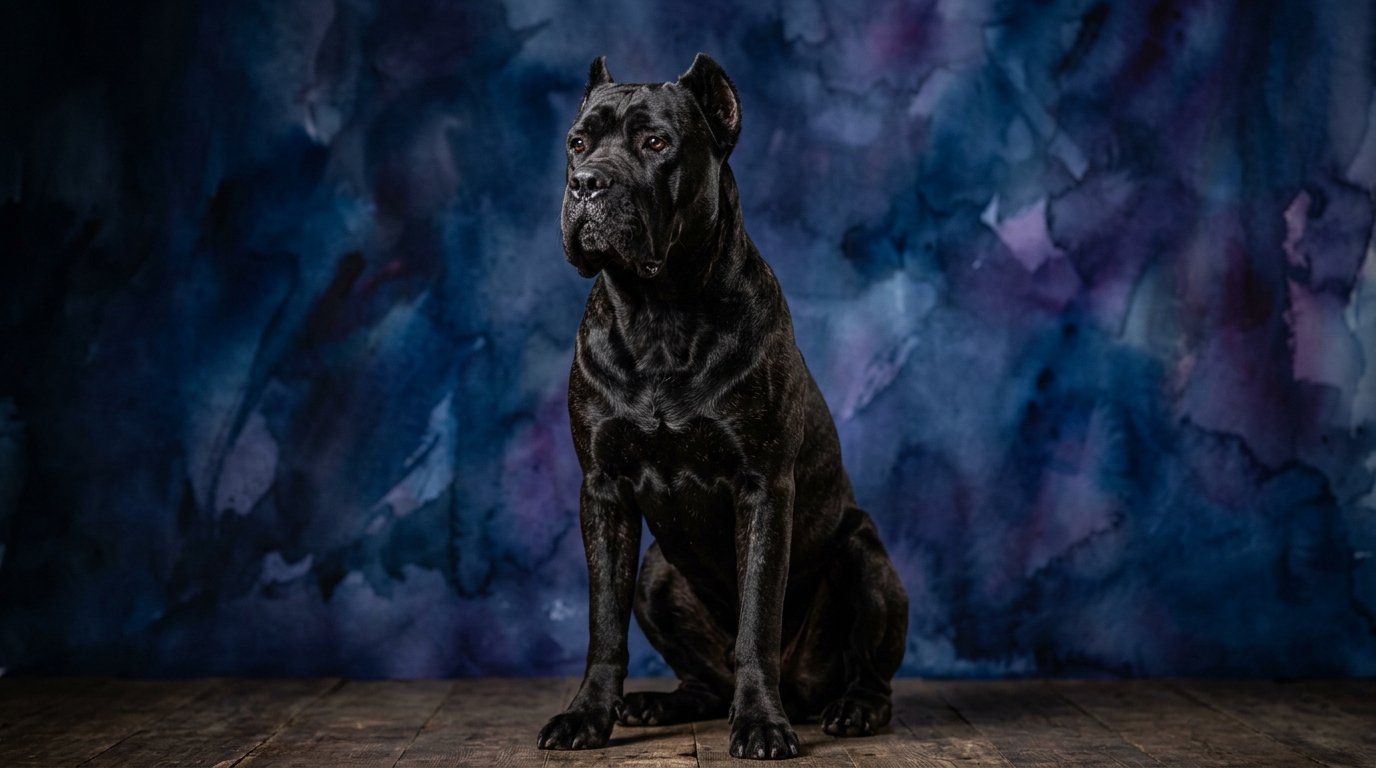
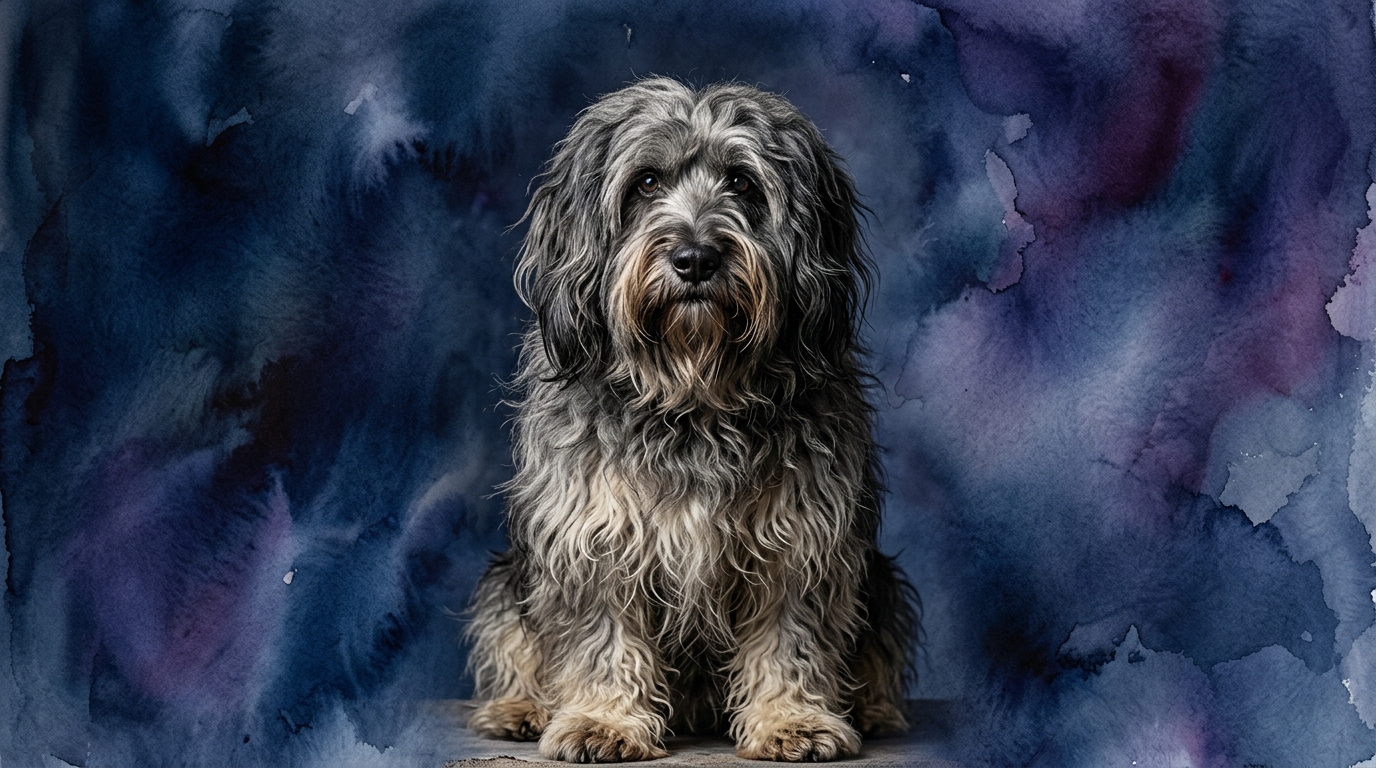
Side-by-Side Cognitive Profiles
The Cosmic Pet Pet IQ Lab assesses canine intelligence across five key dimensions, assigning a score out of five. Both the Cane Corso and the Polish Lowland Sheepdog register a consistent 3/5 across the board, suggesting a solid, functional intellect rather than extreme specialization in any single area. However, the application and manifestation of these scores differ significantly due to their breed origins and typical temperaments.
For the **Cane Corso**, a member of the Working Group, a **Problem Solving score of 3/5** typically reflects a practical, situation-specific approach to challenges, often related to territory defense or family protection. They might excel at assessing immediate threats and devising direct solutions. Their **Training Speed of 3/5** indicates they are responsive and capable learners, especially when guided by a clear, confident leader who employs consistent methods. The 3/5 in **Social Intelligence** points to a discerning nature; they are deeply attuned to their family's emotional states and intentions, while being reserved and watchful with strangers, reading social cues for potential threats or comfort. An **Instinctive Drive of 3/5** is strongly rooted in their guarding and protective heritage, manifesting as a keen awareness of their surroundings and a readiness to act. Finally, their **Memory score of 3/5** ensures they retain commands, learned routines, and crucial past experiences, allowing them to build a comprehensive understanding of their environment and social circle over time.
The **Polish Lowland Sheepdog (PON)**, a Herding Group breed, expresses its identical scores through a different lens. Its **Problem Solving score of 3/5** often translates to independent, adaptable thinking, crucial for managing livestock in varied environments without constant human direction. They might devise creative solutions to keep a flock together or navigate complex terrain. A **Training Speed of 3/5** for the PON suggests they are capable of learning a wide array of tasks but may require engaging, varied methods to hold their attention, sometimes thinking through a command before immediate execution due to their independent streak. Their **Social Intelligence of 3/5** highlights an observant, alert demeanor, making them adept at reading the nuanced behaviors of both livestock and humans, forming strong bonds within their family while remaining watchful of outsiders. The **Instinctive Drive of 3/5** is prominently herding-focused, characterized by a natural desire to gather, control, and protect, often accompanied by a vigilant nature. Their **Memory score of 3/5** allows them to recall complex patterns, such as livestock movements or herding routes, and retain learned tasks and environmental details with impressive accuracy, contributing to their effectiveness as working dogs.
Where the Cane Corso Excels Cognitively
While both breeds share a 3/5 in Problem Solving, the Cane Corso's cognitive strengths lean towards decisive, immediate action in protective scenarios. Their problem-solving isn't about subtle flock management but about direct intervention. A Cane Corso's 3/5 in social intelligence, combined with its instinctive drive, means it excels at quickly assessing the intentions of unfamiliar individuals or situations. They demonstrate a superior capacity for threat evaluation, often making rapid judgments based on subtle cues that might escape a less protection-oriented breed. This translates into a focused, unwavering application of their cognitive resources when their perceived 'pack' is at stake, making them highly effective at their historical role of guarding and defense.
Where the Polish Lowland Sheepdog Excels Cognitively
The Polish Lowland Sheepdog, with its identical 3/5 Problem Solving score, shines in its capacity for independent thought and adaptive decision-making within complex, dynamic environments. Unlike the Cane Corso's direct problem-solving, the PON's cognitive edge lies in nuanced, persistent, and often self-directed solutions. Their social intelligence and instinctive drive, both at 3/5, are geared towards interpreting the behavior of multiple animals and reacting appropriately without constant human command. They exhibit a superior ability to manage and manipulate their environment through clever maneuvering and persistent effort, demonstrating a unique cognitive flexibility when faced with ever-changing variables, such as a scattered flock or shifting terrain. This adaptability and resourcefulness are hallmarks of their herding heritage.
Training Dynamics: Cane Corso vs. Polish Lowland Sheepdog
Both breeds score 3/5 in Training Speed, but their training experiences can differ significantly due to their underlying temperaments and motivators. The Cane Corso, with its strong desire to please a respected leader and inherent working drive, often responds well to clear, consistent commands and structured training sessions. Their training speed manifests as a direct absorption of obedience commands and tasks, particularly those that reinforce their protective instincts. They thrive on having a purpose and a confident handler, making them generally responsive to traditional reinforcement methods. A Cane Corso's 3/5 memory means they reliably recall what they've learned, reinforcing the effectiveness of consistent training.
The Polish Lowland Sheepdog, while equally capable of learning (3/5 Training Speed), often approaches training with a more independent and thoughtful demeanor. Their herding background fosters a capacity for independent decision-making, which can sometimes be perceived as stubbornness if not managed correctly. They may require more engaging, varied, and positive reinforcement-based training methods to maintain their interest and commitment. A PON might understand a command but choose to process it or even offer an alternative action if they perceive it as more efficient or logical from their perspective. Their 3/5 social intelligence means they are keenly aware of their handler's mood and intentions, but their 3/5 instinctive drive for herding can sometimes override immediate compliance if they are focused on another 'task.' Therefore, while both learn at a similar pace, the Cane Corso often seeks to comply for its leader, whereas the PON might seek to understand and then decide.
Lifestyle Match: Active vs. Relaxed Owners
Neither the Cane Corso nor the Polish Lowland Sheepdog is suited for genuinely 'relaxed' owners in the sense of minimal engagement. Both breeds, despite their 3/5 instinctive drive scores, require substantial mental and physical stimulation to thrive. The Cane Corso, as a working breed, needs a purpose. This means structured exercise, consistent training, and opportunities to 'work,' whether that's guarding the home, participating in obedience sports, or simply having a clear role within the family unit. Owners must be prepared to provide firm, consistent leadership and channel their protective instincts positively. Their cognitive need is for structure, purpose, and clear boundaries, which can be mentally demanding for an owner.
The Polish Lowland Sheepdog also requires an active lifestyle, but the nature of that activity differs. Their herding instincts demand outlets for problem-solving and mental engagement. They thrive on activities that challenge their independent thinking, such as herding games, advanced obedience, agility, or engaging puzzle toys. While they are adaptable to various living situations, they need owners who can provide consistent mental stimulation and physical exercise that allows them to use their natural problem-solving abilities. A PON might not need the same intensity of structured 'work' as a Cane Corso, but they absolutely need their minds engaged to prevent boredom and potential behavioral issues. Therefore, both breeds are for active owners, but the Cane Corso suits owners who can provide structured leadership and purpose, while the PON suits owners who enjoy engaging a thoughtful, independent problem-solver.
The Verdict
Choose the Cane Corso if you're seeking a steadfast guardian with a profound loyalty, prepared to provide strong, consistent leadership and channel their protective instincts into a structured, purposeful life. They thrive with owners who understand and respect their working heritage.
Opt for the Polish Lowland Sheepdog if you appreciate an independent, resourceful companion who enjoys mental challenges and requires creative, engaging training methods. They suit active owners who can provide outlets for their problem-solving nature and herding instincts.
🧠 Find Your Pet's IQ Score
Our Pet IQ Lab assessment covers 25+ tests across 5 cognitive dimensions — personalized to your breed.
Take the Full IQ Test →Frequently Asked Questions
Do identical IQ scores mean Cane Corsos and Polish Lowland Sheepdogs are equally easy to train?
While both breeds score 3/5 in training speed, their underlying motivations differ. Cane Corsos often respond well to consistent leadership and purpose, while Polish Lowland Sheepdogs, with their independent streak, may require more engaging and varied training approaches to maintain focus and compliance.
How does 'Problem Solving 3/5' manifest differently in these two breeds?
For the Cane Corso, problem-solving often involves direct, decisive actions related to guarding and protection. The Polish Lowland Sheepdog's problem-solving, however, tends to be more independent and adaptive, focused on managing dynamic situations like herding, often requiring nuanced and persistent effort.
Are either of these breeds suitable for apartment living despite their activity needs?
Both breeds can adapt to apartment living if their significant mental and physical exercise requirements are consistently met through daily walks, training, and engaging activities outside the home. However, they are not ideal for sedentary lifestyles and require dedicated owners committed to their well-being.