Side-by-Side Cognitive Profile: Cardigan Welsh Corgi vs. Black Russian Terrier
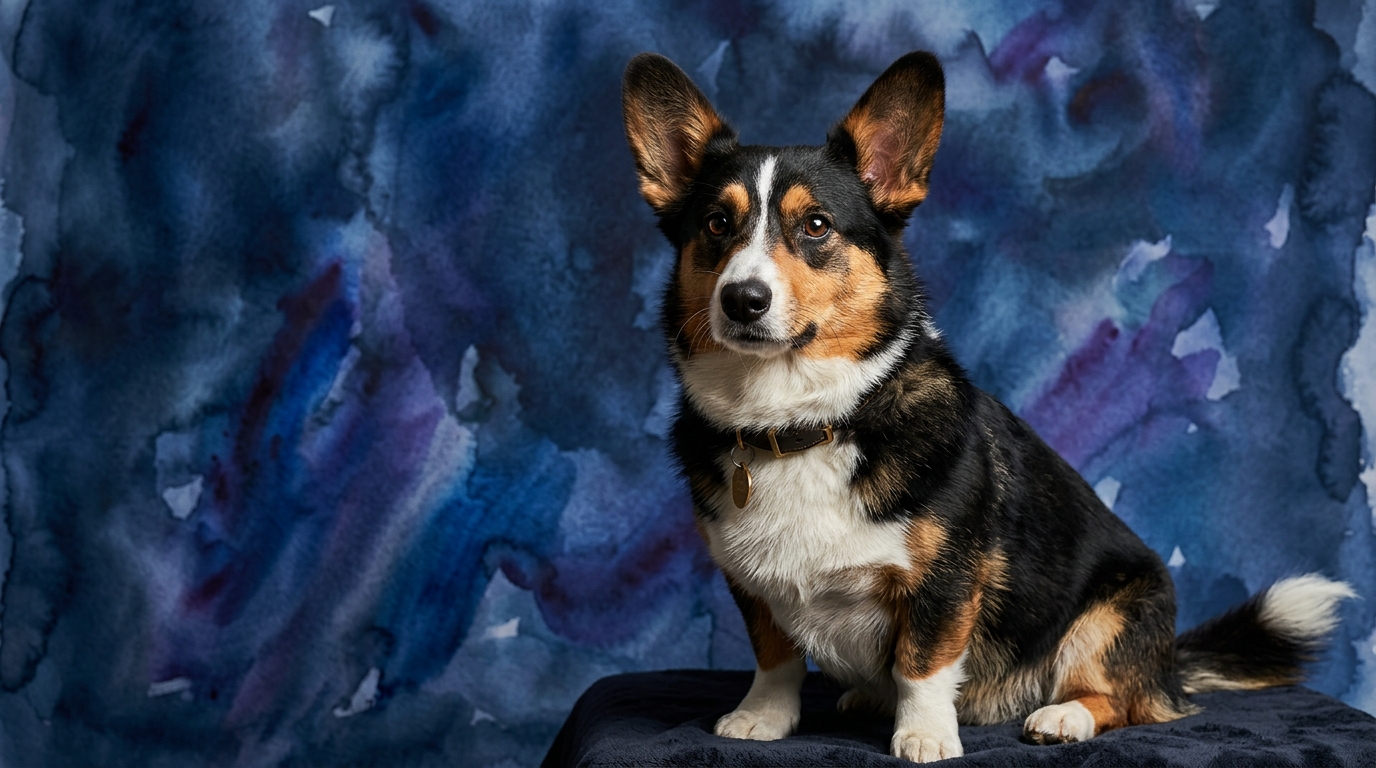
The Cardigan Welsh Corgi, a compact herding dog ranked #26 by Coren, presents a cognitive profile geared towards agile problem-solving and rapid learning. Their Problem Solving score of 4/5 indicates a notable capacity for independent thought and ingenuity, often figuring out complex situations without direct guidance. With a Training Speed of 4/5, Corgis are quick studies, absorbing new commands and routines with impressive alacrity, making them highly responsive to novel learning opportunities. Their Social Intelligence at 3/5 suggests a solid understanding of social cues, though their herding instincts might manifest in specific interactions. An Instinctive Drive of 3/5 reflects their moderate herding background, which, while present, is typically manageable within a family setting. Finally, their Memory score of 4/5 means Corgis demonstrate excellent recall for commands, routines, and specific events, contributing significantly to their adaptability and ease of integration into structured home environments.
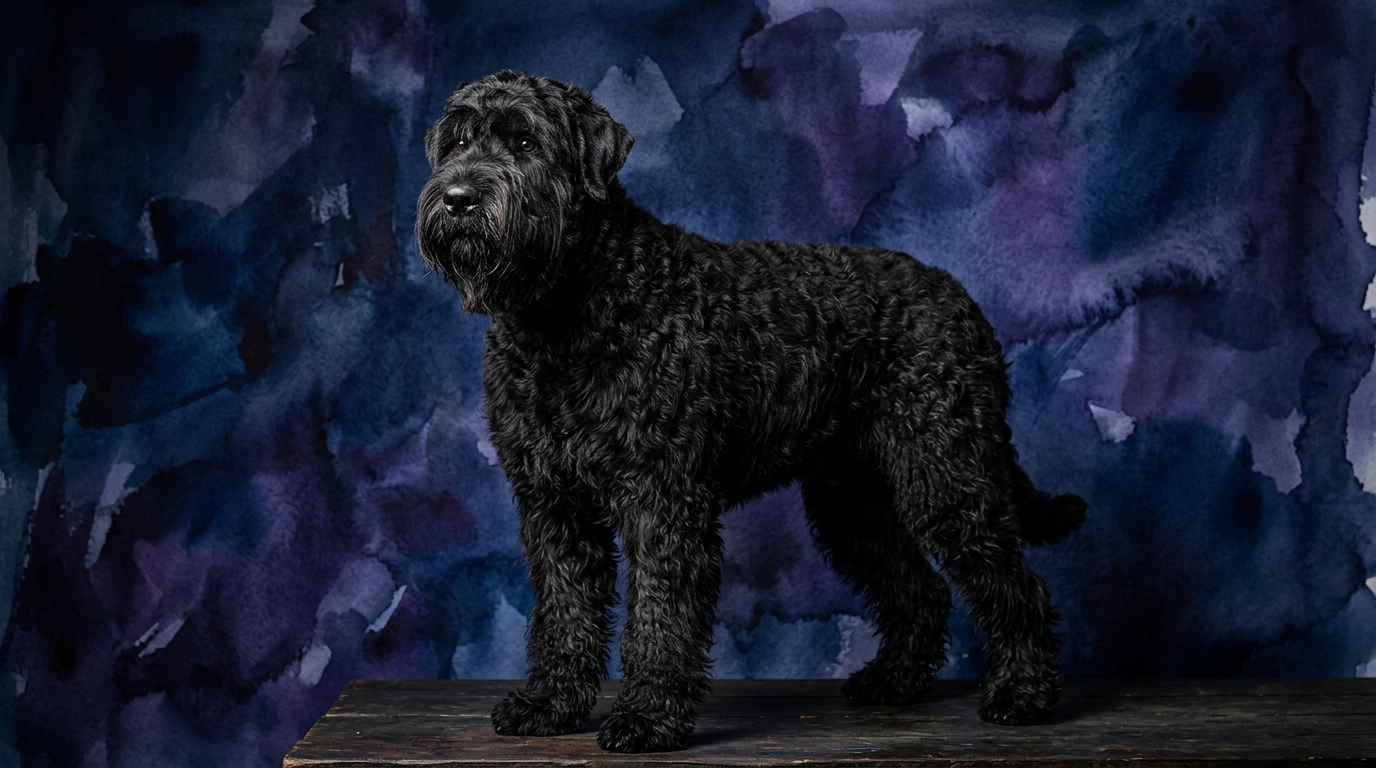
In contrast, the Black Russian Terrier, a powerful working dog without a Coren ranking, exhibits a cognitive makeup optimized for strength, endurance, and protective instincts. Their Problem Solving is rated 3/5, indicating a methodical approach; they are capable of learning solutions through consistent repetition but may not display the same spontaneous inventiveness as a Corgi in novel situations. A Training Speed of 3/5 means BRTs are competent learners, yet they typically require more consistent reinforcement and patience during training sessions, responding best to clear, firm guidance. Their Social Intelligence, also 3/5, is characterized by a discerning nature, often being reserved with strangers and carefully evaluating new individuals. The Instinctive Drive of 3/5 in BRTs manifests as a strong territorial and protective instinct, a purposeful drive that requires confident handling to channel appropriately. Their Memory score of 3/5 ensures reliable retention of important commands and recognition of their trusted circle, reinforcing their role as steadfast guardians.
Where the Cardigan Welsh Corgi Wins Cognitively
The Cardigan Welsh Corgi truly excels in areas demanding agile mental processing and rapid adaptation, a direct reflection of their 4/5 Problem Solving and Training Speed scores. Their herding lineage instilled a need for quick, independent decision-making to manage livestock, translating into a dog that often anticipates and figures out solutions to household puzzles or novel challenges with remarkable speed. For instance, a Corgi might quickly devise a strategy to retrieve a favorite toy from an inaccessible spot or understand the mechanics of a new gate latch, showcasing their intuitive grasp of cause-and-effect. This cognitive flexibility allows them to thrive in dynamic environments where quick thinking is rewarded, making them excellent candidates for advanced obedience, agility, or rally sports where rapid learning and precise execution are paramount.
Beyond problem-solving, the Corgi's superior 4/5 Training Speed means they absorb new commands and complex sequences with impressive efficiency. Owners often find they need fewer repetitions to instill a new behavior, and their eagerness to engage makes training sessions productive and enjoyable. This quick uptake, combined with their 4/5 Memory score, ensures that once a concept is learned, it is retained effectively for extended periods, reducing the need for constant refreshers and allowing for the continuous introduction of new, stimulating challenges. Their cognitive strengths lie in their capacity for rapid acquisition and application of knowledge, making them highly adaptable and mentally engaging companions.
Where the Black Russian Terrier Wins Cognitively
While the Black Russian Terrier's individual scores of 3/5 across the board might suggest a less 'flashy' cognitive profile, their strengths lie in a profound capacity for sustained focus, unwavering determination, and purposeful execution, which are critical for their working dog heritage. A BRT's cognitive 'win' is not about speed of acquisition, but depth of commitment and reliability once a task is truly learned. For example, in protection work or advanced obedience, once a complex sequence of commands or a specific protective routine is mastered, the BRT performs it with immense dedication and consistency, often exhibiting a stoicism and endurance that smaller, faster-learning breeds might not possess. Their moderate Problem Solving score translates into a methodical approach, where they excel at executing learned solutions with precision.
Furthermore, the BRT's 3/5 Social Intelligence, while appearing average, is a distinct cognitive advantage in its own right. It signifies a discerning awareness rather than a deficit; they are adept at evaluating new situations and individuals with caution, which is crucial for their role as a guardian. This selective social acuity, combined with their strong, purposeful Instinctive Drive, means they bring an unmatched gravitas and protective capability to their family unit. Their cognitive framework is built for profound loyalty, consistent vigilance, and the steadfast application of learned behaviors in high-stakes situations, representing a different, yet equally valuable, form of intelligence compared to the Corgi's quick wit.
Which is Easier to Train and Why
Based on The Cosmic Pet Pet IQ Lab scores, the Cardigan Welsh Corgi is distinctly easier to train, primarily due to their superior 4/5 Training Speed compared to the Black Russian Terrier's 3/5. Corgis often display an inherent eagerness to please and are highly motivated by positive reinforcement, whether through food rewards, praise, or engaging play. Their quick grasp of new concepts means they can connect a command to an action rapidly, often requiring fewer repetitions to achieve proficiency. For instance, teaching a Corgi to reliably "sit" or "stay" might involve a handful of short, focused sessions before the behavior becomes automatic and consistent, making the training process highly rewarding for both dog and owner.
The Black Russian Terrier, while certainly trainable and capable of mastering complex commands, demands a different approach due to their 3/5 Training Speed. They typically require more patience, consistency, and a confident, experienced handler. BRTs are powerful dogs with a strong sense of purpose, and their training often needs to appeal to their working dog mindset, emphasizing structure, clear expectations, and a firm, fair leadership. They may not be as immediately motivated by simple treats alone; building a strong bond and mutual respect is crucial for their compliance. Their training is less about rapid trick acquisition and more about instilling deep-seated obedience and control, which, while ultimately robust and reliable, takes more time and sustained effort to achieve. Handlers must be prepared for a longer, more dedicated training journey with a BRT.
Which Suits Active Owners vs. Relaxed Owners
The choice between these two breeds hinges significantly on an owner's lifestyle and capacity for engagement. The Cardigan Welsh Corgi, with its herding background and moderate Instinctive Drive (3/5), suits active owners who enjoy regular walks, playtime, and mental challenges but do not necessarily require an excessively high-octane exercise regimen. Their strong Problem Solving (4/5) and Memory (4/5) scores mean they thrive on mental stimulation through puzzle toys, obedience training, or even agility, keeping their minds as busy as their bodies. They can adapt well to various living situations, including apartments, provided their cognitive and physical needs are consistently met through daily activities and ample learning opportunities. Owners who enjoy interactive play and consistent, engaging training will find the Corgi a fulfilling companion.
The Black Russian Terrier, in stark contrast, is unequivocally suited for highly active, experienced owners who are prepared for the significant demands of a large, powerful working dog. Their 3/5 Instinctive Drive, coupled with their sheer size and protective nature, means they require extensive physical exercise, rigorous training, and consistent mental engagement to be well-adjusted companions. Daily long, structured walks or runs, challenging obedience sessions, and potentially even participation in protection sports or advanced obedience are essential for channeling their energy and purpose. A relaxed, sedentary owner would likely struggle immensely to meet the substantial needs of a BRT, potentially leading to behavioral issues stemming from boredom, frustration, or unchanneled protective instincts. They need a confident, knowledgeable handler who can provide consistent leadership and a highly structured environment throughout their lives.
The Verdict
Choose the Cardigan Welsh Corgi if you seek a quick-witted, adaptable companion who thrives on mental games and moderate physical activity, offering a delightful blend of playful intelligence and affectionate loyalty for an engaged family.
Opt for the Black Russian Terrier if you are an experienced, highly active owner committed to extensive training and socialization, desiring a powerful, discerning guardian with immense loyalty and a profound sense of purpose.
🧠 Find Your Pet's IQ Score
Our Pet IQ Lab assessment covers 25+ tests across 5 cognitive dimensions — personalized to your breed.
Take the Full IQ Test →Frequently Asked Questions
Is the Cardigan Welsh Corgi prone to herding behaviors in a home environment?
Yes, their 3/5 Instinctive Drive means Corgis may exhibit mild herding behaviors, such as nipping at heels or trying to gather family members. This can be managed with consistent training, redirection to appropriate toys, and providing outlets for their natural instincts like herding balls or structured games that mimic herding.
Does the Black Russian Terrier's 3/5 Social Intelligence mean they are unfriendly?
Not at all; their 3/5 Social Intelligence indicates a discerning nature rather than unfriendliness. BRTs are typically reserved and watchful with strangers, evaluating new people and situations carefully, but are deeply loyal, affectionate, and protective with their trusted family members and inner circle, showing their social awareness through discernment.
How much mental stimulation does a Cardigan Welsh Corgi need daily?
With a 4/5 Problem Solving and Memory score, Cardigan Welsh Corgis require at least 30-60 minutes of dedicated mental stimulation daily, beyond physical exercise. This can include puzzle toys, structured training sessions, scent work games, or learning new tricks to keep their active minds engaged and prevent boredom-related behaviors.