Side-by-side IQ profile
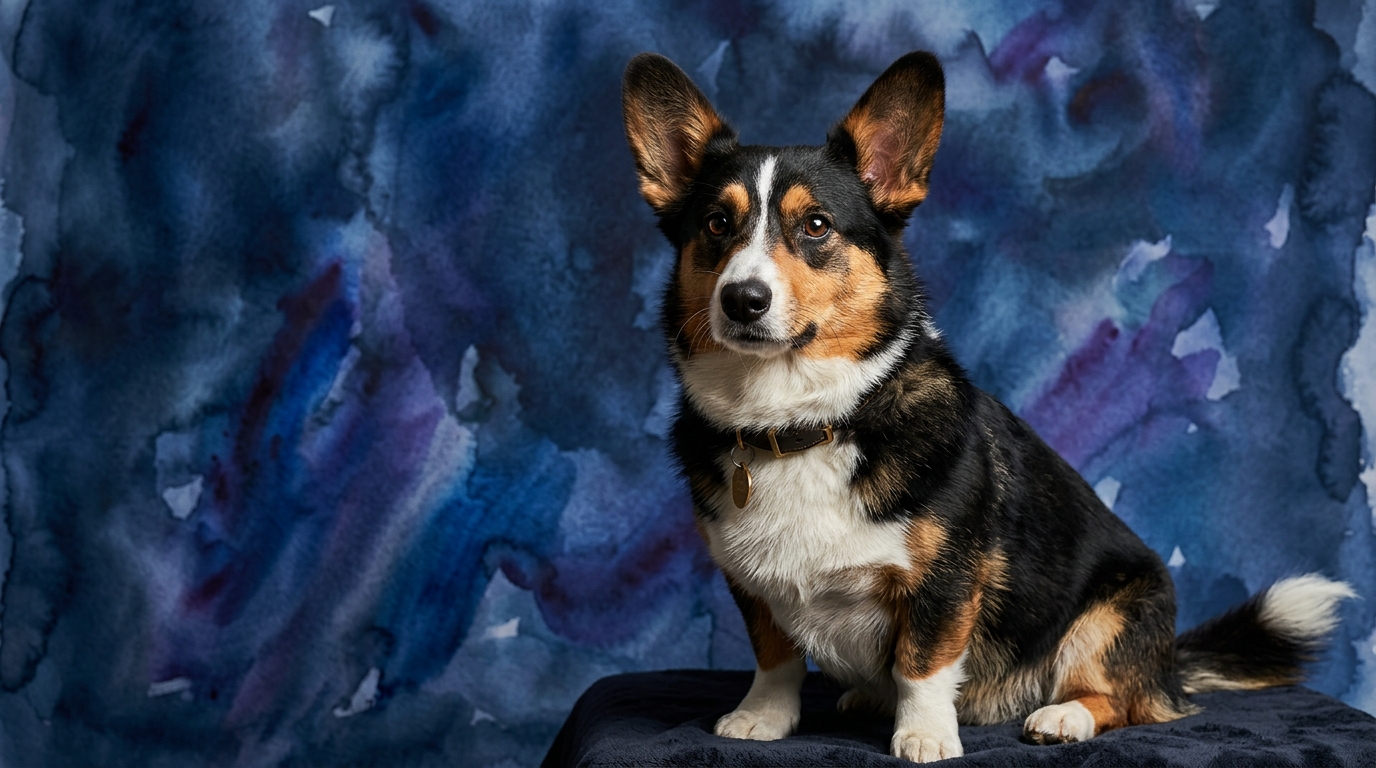
The Cardigan Welsh Corgi, Coren rank #26, showcases a cognitive profile optimized for cooperative work. Its Problem Solving at 4/5 signifies a strong aptitude for navigating novel situations and learning from experience, essential for managing livestock. Training Speed also scores 4/5, reflecting an eagerness to learn and retain commands efficiently. Social Intelligence, at 3/5, indicates a moderate ability to interpret human cues, while its Instinctive Drive, also 3/5, points to a present but manageable inclination towards its ancestral herding behaviors. A Memory score of 4/5 underpins its capacity to recall learned tasks and experiences consistently.
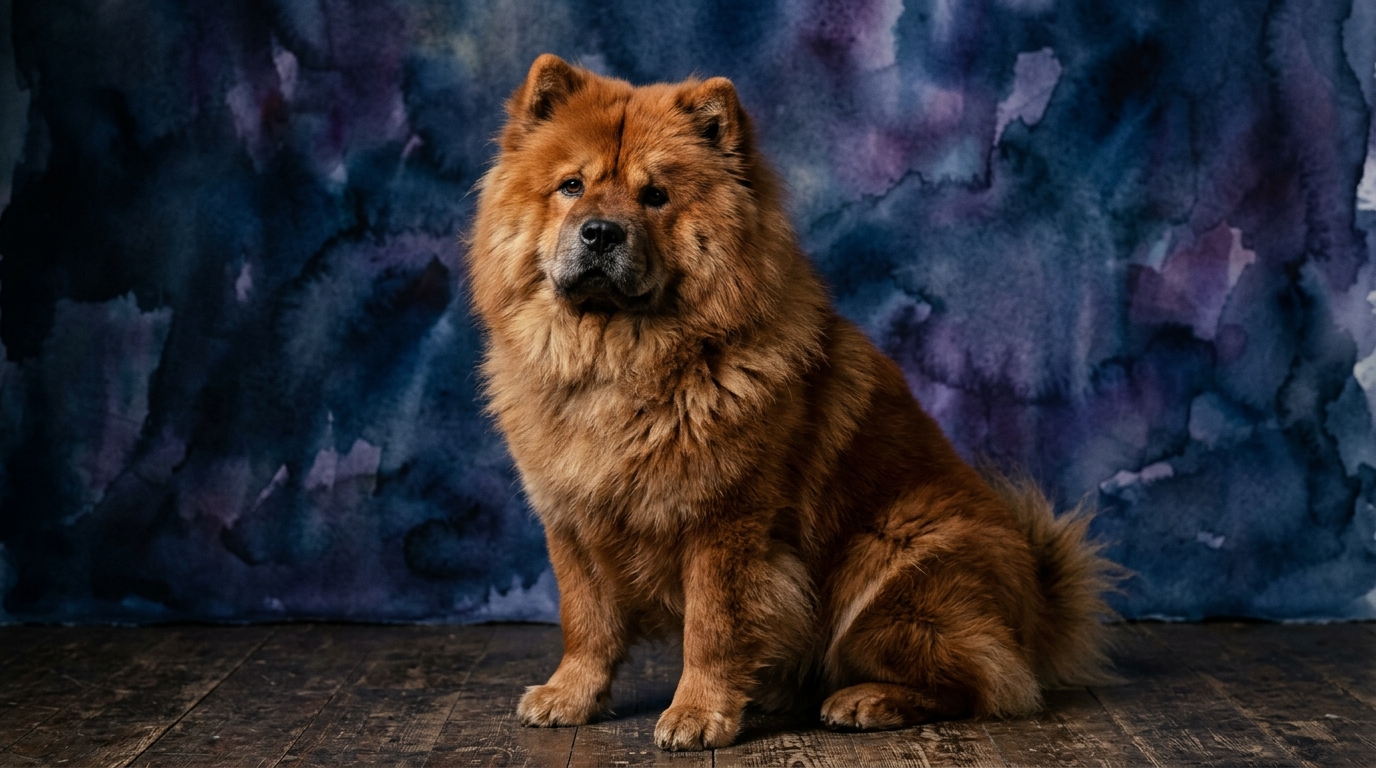
In contrast, the Chow Chow, Coren rank #76, presents a more reserved and self-sufficient cognitive makeup. Its Problem Solving ability is 3/5, suggesting a competent but less overtly enthusiastic approach to challenges, often preferring careful observation. Training Speed, at 3/5, implies that while capable, the Chow Chow often requires more patient methods due to its independent nature. Social Intelligence, matching the Corgi at 3/5, denotes an understanding of social situations, expressed with characteristic aloofness. Its Instinctive Drive, also 3/5, is present but often channeled towards guarding or self-preservation rather than cooperative work. Memory, scoring 3/5, indicates solid recall, though potentially less focused on human-directed tasks.
These profiles highlight a divergence: the Corgi's scores prioritize active engagement and quick learning for cooperative tasks, while the Chow Chow's consistent 3/5s reflect a balanced, self-reliant intelligence, less oriented towards immediate human-centric compliance and more towards independent discernment.
Where Cardigan Welsh Corgi wins cognitively
The Cardigan Welsh Corgi demonstrates clear cognitive advantages in areas directly linked to its herding heritage. Its Problem Solving score of 4/5 significantly surpasses the Chow Chow's 3/5, enabling a Corgi to independently strategize solutions to environmental puzzles, such as manipulating a gate latch or retrieving a toy from a tight spot. This translates to a dog that adapts readily to changing routines and requires less human intervention for minor obstacles. The Corgi's Training Speed of 4/5, compared to the Chow Chow's 3/5, indicates a quicker grasp of new commands and enthusiastic participation in learning sessions, driven by a desire to work collaboratively. Furthermore, the Corgi's superior Memory at 4/5 ensures that learned lessons are retained effectively, leading to more consistent performance. This combination makes the Corgi particularly adept at activities requiring sequential learning, rapid decision-making, and consistent execution, such as advanced obedience or agility.
Where Chow Chow wins cognitively
While not numerically superior in any cognitive dimension, the Chow Chow's unique blend of attributes offers advantages in self-sufficiency and discerning independence. Its consistent 3/5 scores, particularly in Social Intelligence and Instinctive Drive, imply a robust internal compass rather than a need for constant external direction. The Chow Chow's problem-solving, rated 3/5, is often applied to self-directed pursuits, like assessing new situations for comfort or security without human prompting. This independent thought fosters cognitive resilience, allowing them to be content in their own company and less prone to separation anxiety. Their social intelligence, matching the Corgi's 3/5, manifests as a discerning ability to read situations and people, leading to a reserved but deep loyalty. This cognitive selectivity means they are less easily swayed by strangers and possess a natural skepticism valuable in a guardian role. Their lower training speed can be interpreted as a cognitive resistance to rote learning purely for human approval, often requiring a deeper understanding of the "why" behind a command, a form of critical thinking.
Which is easier to train and why
The Cardigan Welsh Corgi holds a distinct advantage in ease of training. Its Training Speed (4/5), coupled with strong Problem Solving (4/5) and Memory (4/5), makes it a highly amenable partner. Corgis typically exhibit a strong desire to please and a natural inclination to work collaboratively, stemming from their herding background. They learn new commands quickly, respond well to positive reinforcement, and actively engage in training, often viewing it as a stimulating game. Their quick retention minimizes repetitions needed for new behaviors, and they generalize learned commands effectively across different environments.
The Chow Chow, with its consistent 3/5 scores, presents a greater training challenge due to its inherent independence. While capable of learning, its slower training speed means more patience and consistency are required. A Chow Chow may learn a command but chooses to execute it based on its perceived value at that moment, not an eager-to-please mentality. This can manifest as stubbornness or selective responsiveness, especially if training is repetitive or unengaging. Successful training involves making the process highly rewarding and varied, understanding that absolute, instantaneous compliance may not be their natural inclination.
Which suits active owners vs relaxed owners
The cognitive profiles clearly delineate suitability for different owner lifestyles. The Cardigan Welsh Corgi, with its higher Problem Solving (4/5), Training Speed (4/5), and Memory (4/5), plus a moderate Instinctive Drive (3/5), is an ideal match for active owners. These individuals enjoy engaging their dog in regular mental and physical activities, such as dog sports, complex trick training, or structured outdoor adventures. Corgis thrive on having a "job" and demand consistent stimulation to prevent boredom, making them unsuitable for owners seeking a purely passive pet.
Conversely, the Chow Chow's balanced, independent cognitive profile, characterized by consistent 3/5 scores, fits more relaxed or self-contained owners. While requiring regular exercise and basic training, their problem-solving and training speed aren't geared towards perpetual activity. They are content with predictable routines and often prefer observing to boisterous games. Their social intelligence, expressed through reserved loyalty, means they don't constantly seek attention. Owners valuing a dignified, independent companion with a calm, watchful presence will appreciate the Chow Chow’s disposition, respecting its need for personal space and capability for self-amusement.
The Verdict
Choose the Cardigan Welsh Corgi if you seek an engaged, eager-to-learn canine partner for active training, dog sports, and a highly interactive family life.
Opt for the Chow Chow if you value an independent, dignified companion that offers reserved loyalty, thrives on predictable routines, and requires an owner who respects its self-contained nature.
🧠 Find Your Pet's IQ Score
Our Pet IQ Lab assessment covers 25+ tests across 5 cognitive dimensions — personalized to your breed.
Take the Full IQ Test →Frequently Asked Questions
Are Cardigan Welsh Corgis good for first-time owners?
Yes, their eagerness to please, high trainability, and moderate social intelligence make them a good choice for committed first-time owners willing to provide consistent training and mental stimulation.
Do Chow Chows need a lot of exercise?
Chow Chows have moderate exercise needs; daily walks and some playtime are sufficient. They are not high-energy dogs and prefer shorter, consistent activity over intense, prolonged exertion.
How do Corgi and Chow Chow social behaviors differ?
Corgis are generally more outgoing and eager to engage with family and friendly strangers, displaying their social intelligence through active participation. Chow Chows are typically reserved and aloof, showing their social intelligence through discerning observation and selective, deep loyalty to their inner circle.