Side-by-Side Cognitive Profiles
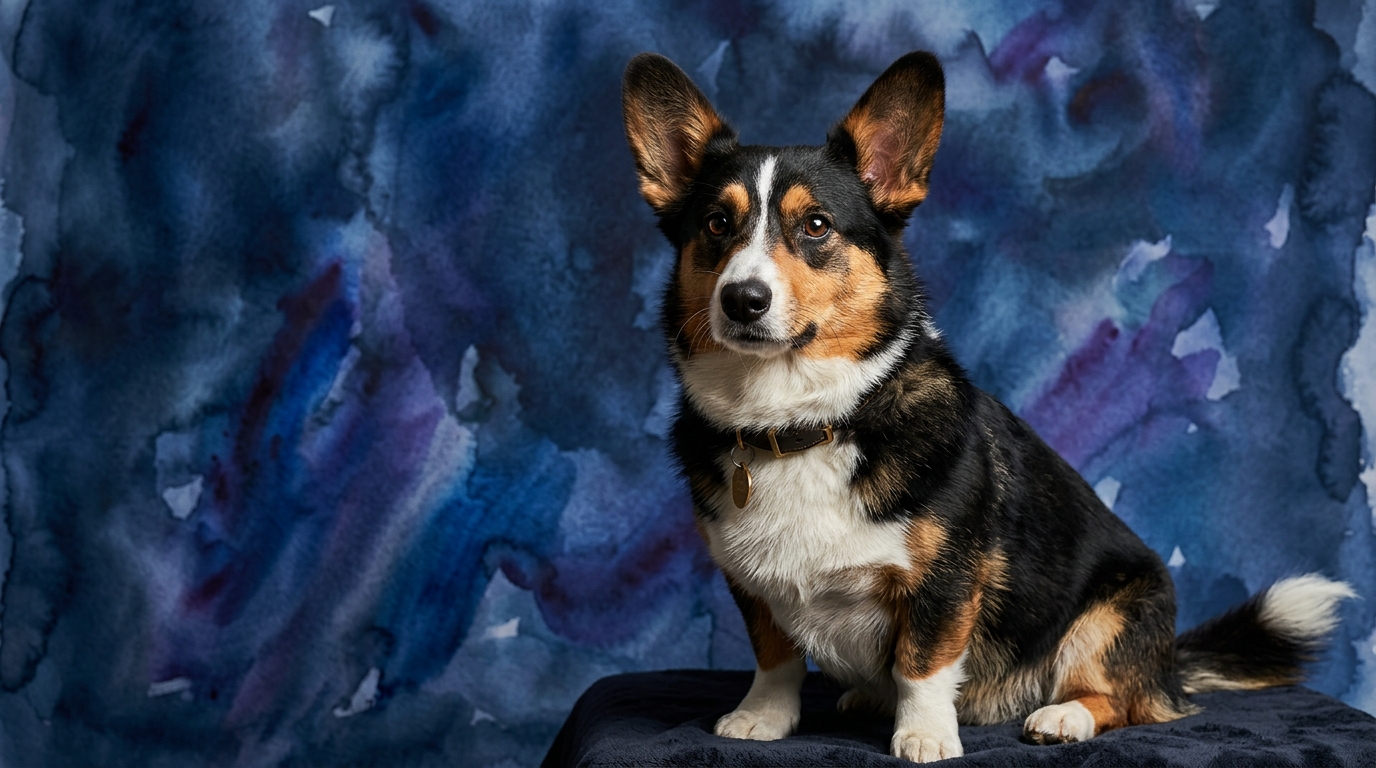
The Cardigan Welsh Corgi, a member of the Herding Group and ranked #26 by Coren, presents a robust cognitive profile indicative of its working heritage. Our Pet IQ Lab assessment scores it highly in Problem Solving (4/5), Training Speed (4/5), and Memory (4/5). Its Social Intelligence and Instinctive Drive are rated at a solid 3/5, suggesting a balanced yet purposeful mind well-suited for cooperative tasks and retaining learned behaviors.
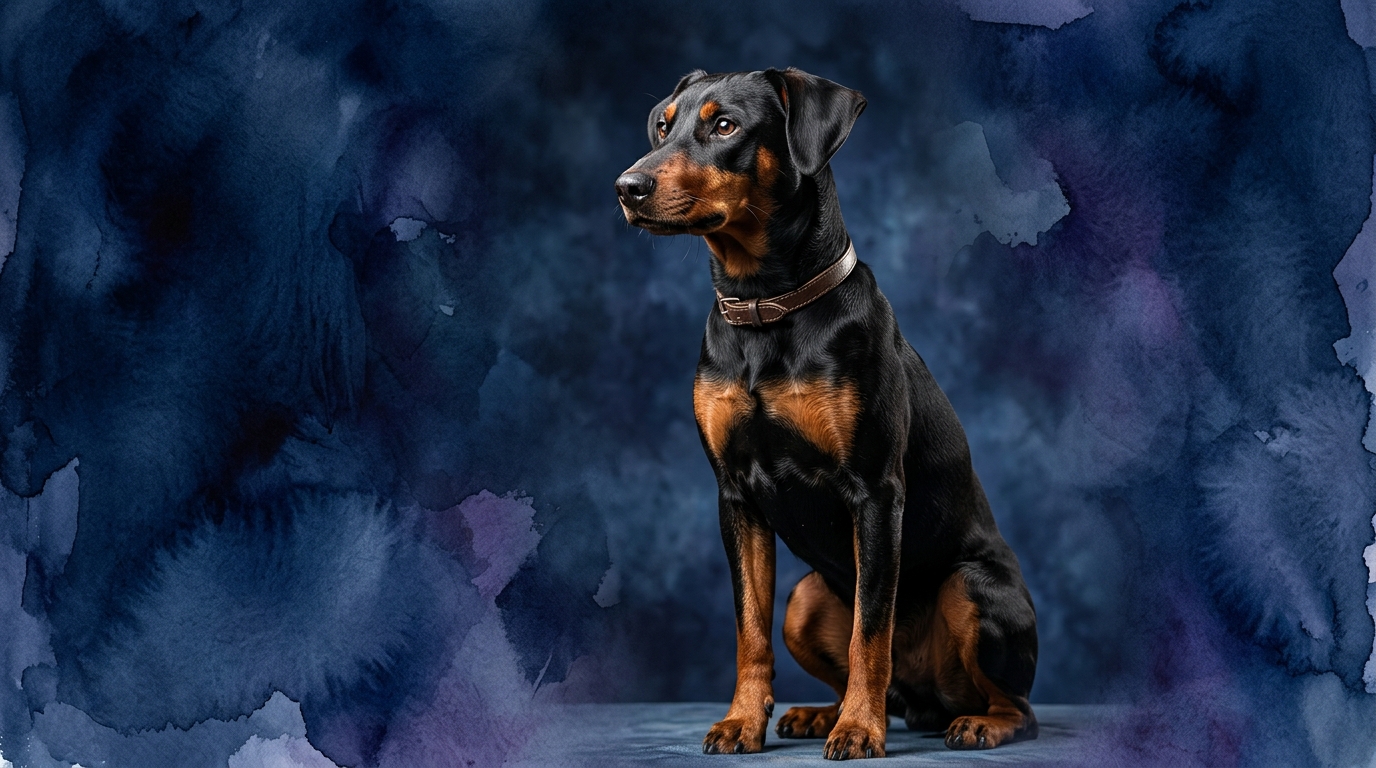
In contrast, the German Pinscher, hailing from the Working Group, offers a consistent cognitive blueprint across the board. While not Coren-ranked, its Pet IQ Lab scores show a uniform 3/5 for Problem Solving, Training Speed, Social Intelligence, Instinctive Drive, and Memory. This balanced profile speaks to a functional intelligence, honed for specific tasks that demand self-reliance and acute awareness rather than complex, cooperative herding strategies.
A direct comparison of these initial profiles immediately highlights the Corgi's advantage in areas like problem-solving and rapid learning, likely a direct result of its historical role in managing livestock. The Pinscher's uniform scores, however, point to a breed where overall aptitude is evenly distributed, suggesting a dog capable of a variety of tasks without a specific cognitive standout.
Where the Cardigan Welsh Corgi Shows Cognitive Strengths
The Cardigan Welsh Corgi's cognitive strengths are particularly evident in its Problem Solving (4/5) and Memory (4/5). These scores are not arbitrary; they reflect the breed's historical role in herding cattle, a task that demands quick thinking, strategic maneuvering, and the ability to recall complex patterns and commands. A Corgi must anticipate livestock movement, navigate challenging terrain, and remember specific instructions from its handler, often over long periods. This background makes them adept at navigating novel situations in a home environment and remembering multi-step routines.
Furthermore, their Training Speed (4/5) is a significant advantage. Herding dogs must learn and respond to cues with precision and urgency to effectively manage livestock. This translates into a dog that typically grasps new commands and concepts with relative ease and enthusiasm. Their desire to engage with their human partners, combined with their capacity for quick learning, makes them responsive students in various training contexts, from basic obedience to advanced trick training.
These combined strengths mean a Cardigan Welsh Corgi is often a joy for owners who wish to engage in dog sports like agility, obedience, or even rally. Their capacity for intricate problem-solving allows them to excel in courses requiring sequence memory and strategic navigation, while their quick training speed ensures they pick up the necessary skills efficiently. They are often adaptable to new environments and routines, thriving on mental stimulation and consistent interaction.
Where the German Pinscher Excels Cognitively
While the German Pinscher's cognitive scores of 3/5 across all dimensions might seem modest next to the Corgi's higher marks, it's crucial to understand these scores within the context of the breed's original purpose. The Pinscher was developed as a versatile farm dog, excelling at vermin control and guarding. This role demanded a balanced set of cognitive skills, prioritizing functional intelligence and independent decision-making over the cooperative, responsive nature of a herding dog.
The Pinscher's Instinctive Drive (3/5) is particularly noteworthy here. For a German Pinscher, this drive is often channeled into vigilance, a keen sense of observation, and a resolute pursuit of perceived threats or prey. This translates into a dog that is acutely aware of its surroundings, quick to alert its family to anything unusual, and capable of independent action when necessary. Their functional problem-solving (3/5) often manifests as resourcefulness in tasks related to their protective instincts, such as assessing a situation and reacting appropriately.
Their Social Intelligence (3/5) should be interpreted as a discerning approach rather than a lack of connection. German Pinschers typically form exceptionally strong bonds with their primary family but are often reserved or watchful with strangers. This isn't a cognitive deficit but a characteristic of a breed bred to protect its territory and people. Their memory (3/5), while not as high as the Corgi's, is sufficient for remembering routines, commands, and the identities of trusted individuals, contributing to their reliability as guardians.
Training Dynamics: Corgi's Eagerness vs. Pinscher's Discernment
When it comes to training, the Cardigan Welsh Corgi's Training Speed of 4/5 gives it a distinct advantage. Their herding background instilled a strong desire to work in tandem with a handler, making them generally eager to please and quick to pick up new commands. They thrive on positive reinforcement and often enjoy the process of learning, viewing it as a cooperative game. This means owners can typically progress through obedience lessons at a faster pace, with the Corgi retaining complex sequences and cues efficiently.
The Corgi's higher problem-solving and memory scores further enhance their trainability. They can decipher complex commands, remember multiple steps in a routine, and adapt their behavior based on feedback. This allows them to excel in advanced obedience, tricks, and even competitive dog sports where intricate sequences and quick responses are paramount. Their motivation often stems from food rewards, praise, and the sheer enjoyment of engaging with their human.
The German Pinscher, with a Training Speed of 3/5, is certainly capable of learning, but their approach differs. They often require more consistency, clarity, and patience. Pinschers are intelligent, but their working heritage means they might evaluate a command with a purpose-driven mindset, asking 'Why?' before complying. This isn't stubbornness but an independent thought process. Owners need to build a strong foundation of trust and make training sessions engaging and rewarding to maintain their focus and cooperation.
Both breeds score 3/5 in Social Intelligence, but this manifests differently in training. For the Corgi, it often means a ready willingness to cooperate and form a close working relationship with their primary human. For the Pinscher, it translates to a deep, loyal bond with their family, but also a reserved nature towards outsiders. This requires early and consistent socialization for the Pinscher to ensure their protective instincts are well-managed, and they learn appropriate responses to new people and situations, preventing an overly wary or reactive disposition.
Lifestyle Match: Active Engagement vs. Focused Partnership
For owners seeking an active, mentally engaged companion, the Cardigan Welsh Corgi often proves to be an ideal match. Despite their short legs, their herding background means they possess significant stamina and a keen desire for purposeful activity. They thrive when given opportunities to use their problem-solving skills, whether through learning new tricks, participating in dog sports like agility or rally, or engaging in puzzle toys. Owners who enjoy consistent daily walks, varied enrichment activities, and a dog that is eager to participate in family life will find the Corgi a responsive and fulfilling partner. Their adaptability and quick learning make them suitable for a range of active pursuits.
The German Pinscher, while athletic, is best suited for owners who appreciate a focused, discerning partnership. Their activity needs are often more about structured engagement and purposeful tasks than constant high-energy output. Owners who can provide consistent leadership, clear boundaries, and outlets for their watchful and protective instincts will find the Pinscher thrives. This might include advanced obedience, scent work, or guarding tasks within a secure environment. They are not typically a breed that will endlessly fetch a ball but prefer activities that challenge their mind and allow them to utilize their balanced cognitive skills in a meaningful way, forming a deep, loyal, and discerning bond with their chosen family.
The Verdict
Opt for a Cardigan Welsh Corgi if you seek a highly trainable, mentally agile companion eager to engage in complex tasks and dog sports, thriving on consistent interaction and structured learning.
Select a German Pinscher if you desire a discerning, watchful partner with a balanced cognitive profile, who appreciates purposeful activities and forms a strong, protective bond with their family, valuing clear leadership.
🧠 Find Your Pet's IQ Score
Our Pet IQ Lab assessment covers 25+ tests across 5 cognitive dimensions — personalized to your breed.
Take the Full IQ Test →Frequently Asked Questions
Are Cardigan Welsh Corgis good for first-time dog owners?
Their training speed and eagerness to please make them a good choice for those willing to invest in consistent, positive reinforcement. However, their herding instincts mean they require mental stimulation to prevent boredom-related behaviors, so new owners should be prepared for an active mind.
How do German Pinschers typically interact with strangers?
German Pinschers generally exhibit a reserved and watchful demeanor with strangers, a trait stemming from their protective instincts. Early and consistent socialization is crucial to ensure they are well-adjusted and confident in various social settings, helping them differentiate between welcome guests and potential threats.
Do Cardigan Welsh Corgis require a lot of exercise?
Despite their small stature, Cardigan Welsh Corgis are active dogs with a herding heritage, meaning they do require regular exercise and mental stimulation. Daily walks, play sessions, and opportunities for problem-solving activities are important to keep them physically fit and cognitively engaged.