Side-by-Side IQ Profile: Herder vs. Hunter
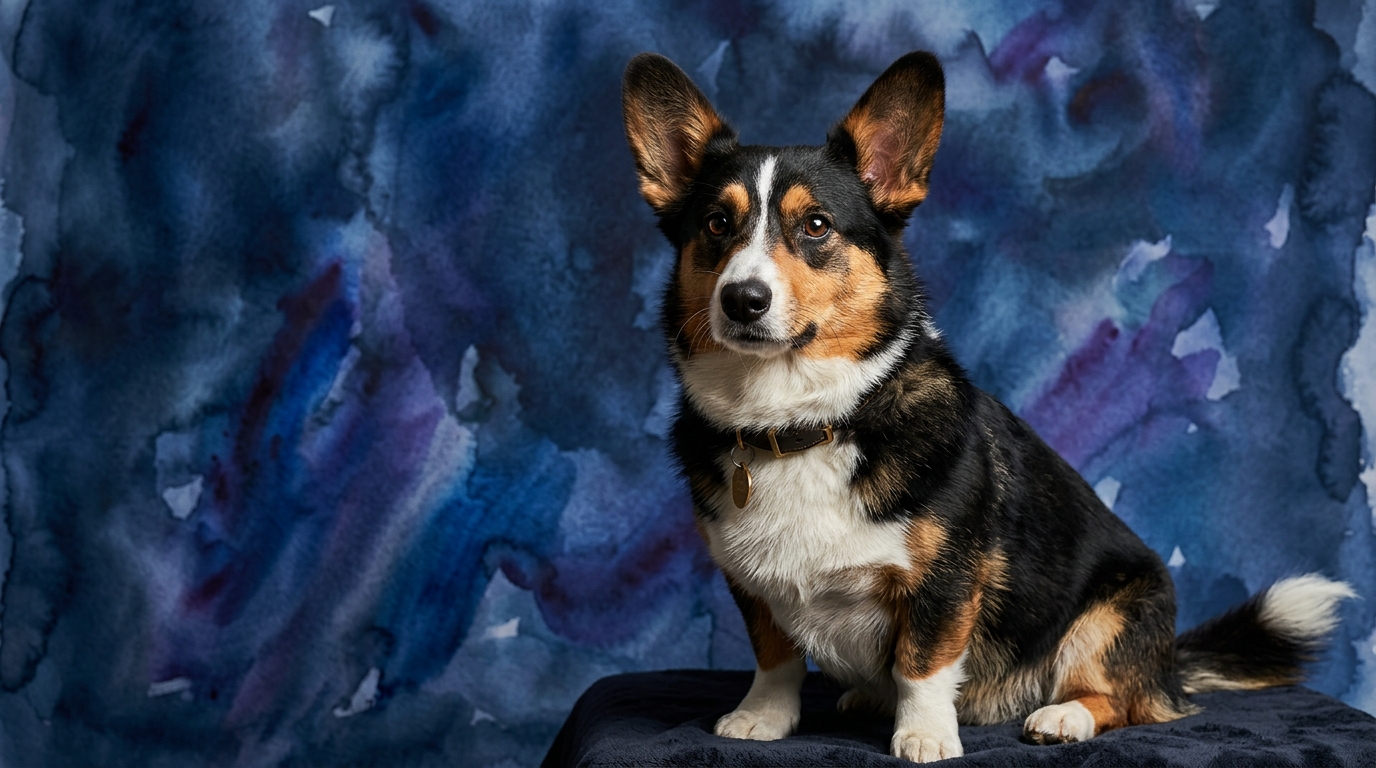
Originating from the rugged Welsh countryside, the Cardigan Welsh Corgi developed a unique set of cognitive strengths for managing livestock. Their Problem Solving (4/5) manifests in their ability to outmaneuver cattle, navigate complex farm layouts, and anticipate the movements of a herd, often working independently to resolve immediate situations. Training Speed (4/5) reflects their responsiveness to cues for intricate herding tasks, quickly grasping multi-step sequences required for directing livestock. Their Social Intelligence (3/5) centers on effective communication with handlers and other dogs within a working context, understanding subtle cues and maintaining group cohesion. The Instinctive Drive (3/5) is primarily a herding instinct, strong enough to motivate action but generally manageable, allowing for redirection in a home environment. Finally, their Memory (4/5) is excellent for recalling specific farm routines, the layout of fields, and the individual behaviors of livestock, crucial for their daily tasks.
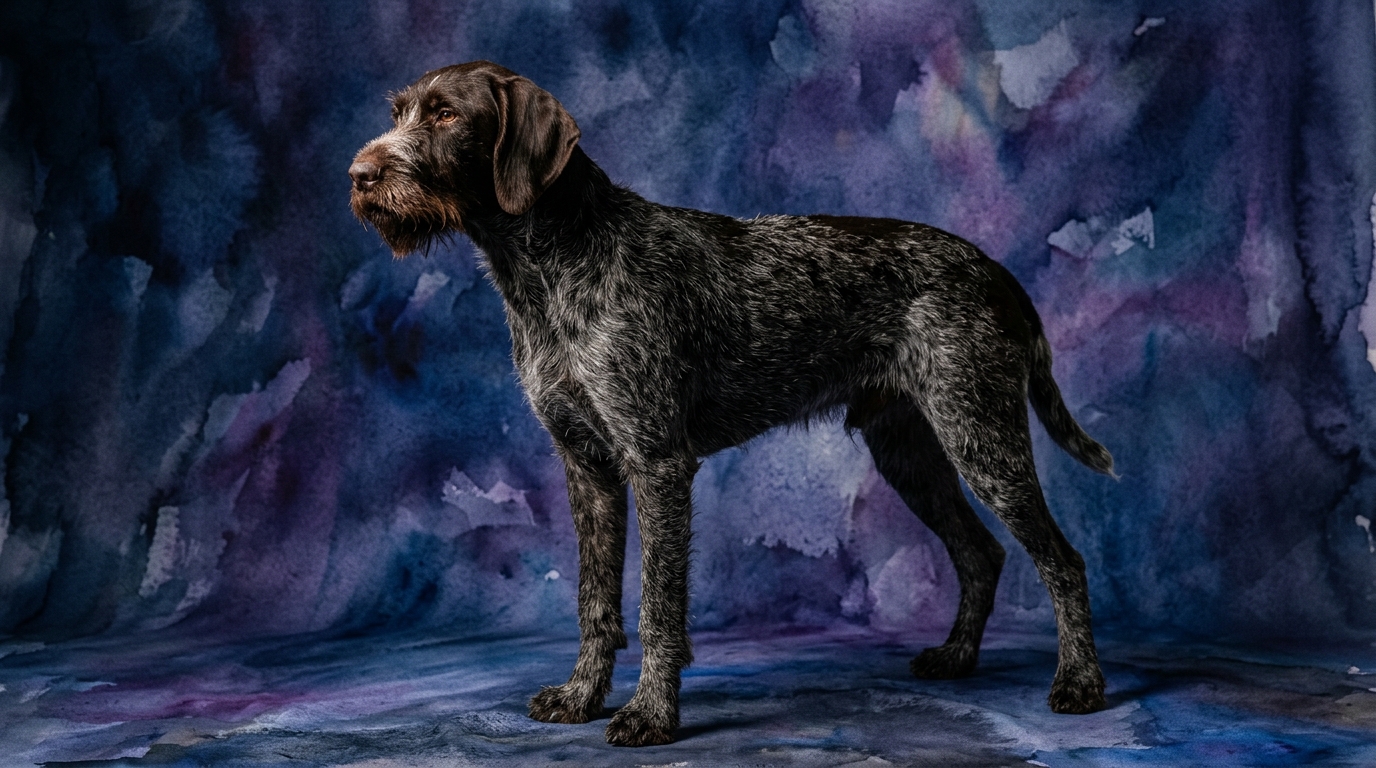
Bred for versatility in hunting across varied European terrains, the German Wirehaired Pointer possesses an equally sharp, though differently oriented, intellect. Their Problem Solving (4/5) excels in real-time decision-making during a hunt, such as locating game in dense cover, navigating challenging landscapes, and adapting strategies based on scent trails and environmental factors. Training Speed (4/5) is evident in their rapid acquisition of complex hunting commands, hand signals, and scent discrimination skills, essential for a collaborative hunting partner. Their Social Intelligence (3/5) is geared towards deep partnership with a human handler, interpreting nuanced directives and working as a cohesive unit during demanding outdoor pursuits. The Instinctive Drive (3/5) is a robust prey drive, encompassing pointing, retrieving, and tracking, which serves as a powerful motivator that requires consistent channeling. Their Memory (4/5) is remarkable for retaining intricate scent patterns, remembering game locations, and recalling vast stretches of terrain, vital for successful hunting expeditions.
Where the Cardigan Welsh Corgi's Cognition Shines
While both breeds exhibit impressive cognitive capacities, the Cardigan Welsh Corgi's unique physical structure and herding history lend itself to specific cognitive strengths. Their problem-solving abilities often lean towards intricate spatial reasoning within defined, often confined, areas. A Corgi excels at anticipating the movements of a group, whether it's livestock or family members, and strategically positioning themselves to influence direction. This involves a nuanced understanding of boundaries and the dynamics of a moving entity. Their memory is particularly adept at recalling routines, specific locations within a home or yard, and the established patterns of daily life, which is a direct carryover from remembering farm layouts and livestock habits. This means they might be quicker to learn the "rules" of a household and to anticipate events based on a learned schedule.
Where the German Wirehaired Pointer's Cognition Excels
The German Wirehaired Pointer's cognitive strengths are profoundly shaped by their role as an all-around hunting dog, requiring a different kind of mental acuity. Their problem-solving prowess is particularly evident in independent decision-making in vast, unpredictable outdoor environments. A GWP excels at integrating complex sensory information, primarily scent, to track and locate game over extensive distances and varied terrain. This requires advanced pattern recognition and the ability to adapt strategies on the fly when conditions change. Their memory is exceptional for retaining detailed scent profiles, mapping extensive territories, and recalling the precise locations where game was found or retrieved. This capacity for large-scale environmental mapping and detailed sensory recall provides them with an edge in tasks requiring sustained focus across broad, open spaces.
Training Dynamics: A Nuanced Comparison
Both the Cardigan Welsh Corgi and the German Wirehaired Pointer are noted for their quick training speed (4/5), suggesting they both grasp new commands efficiently. However, the nature of their training experience can differ due to their underlying drives and behavioral tendencies. The Corgi, with its herding background, often responds well to positive reinforcement and clear, consistent instruction. While they possess an independent streak that can manifest as stubbornness, their instinctive drive (3/5) is generally manageable, meaning their natural urges are often easier to redirect towards obedience or household manners. They thrive on precision and can master intricate sequences of commands, making them excellent candidates for agility or obedience training that emphasizes defined movements and close handler interaction.
In contrast, the German Wirehaired Pointer's strong instinctive drive (3/5), primarily centered around prey drive and hunting behaviors, acts as both a powerful motivator and a potential challenge. When channeled effectively, this drive makes them exceptionally focused and eager learners for tasks like tracking, retrieving, and advanced obedience. However, if not adequately stimulated or managed, this intense drive can lead to restlessness or a tendency to follow scent trails independently. Training a GWP often requires more consistent, high-intensity sessions to satisfy their need for mental and physical engagement. While they learn commands quickly, ensuring reliability in distracting outdoor environments demands dedicated effort to harness their natural instincts rather than suppress them. Therefore, while both learn quickly, the GWP might require a more experienced hand to consistently manage and direct their inherent drive.
Lifestyle Fit: Active Owners vs. Relaxed Owners
The distinction between these two breeds regarding owner lifestyle preferences is quite clear. The Cardigan Welsh Corgi, while not a sedentary dog, is generally better suited for moderately active owners. They require daily walks, engaging playtime, and consistent mental stimulation to prevent boredom and channel their problem-solving intellect. Their exercise needs can often be met with regular walks, yard play, and indoor enrichment activities, making them adaptable to various living situations, including apartments, provided their needs are met. They enjoy being involved in family activities but are not typically endurance athletes.
Conversely, the German Wirehaired Pointer is unequivocally a breed for highly active owners. Their heritage as a versatile hunting dog means they possess boundless energy and a profound need for significant daily physical exertion and mental challenges. A GWP thrives when given a "job" – whether it's hunting, participating in dog sports like agility or dock diving, or accompanying owners on long hikes and runs. A relaxed or sedentary owner would likely struggle to meet the GWP's intense needs, potentially leading to frustration for both dog and owner, and behavioral issues stemming from boredom and pent-up energy. They require an owner who embraces an outdoor, active lifestyle and is prepared to dedicate substantial time to their dog's physical and mental well-being.
The Verdict
If you're seeking a clever, adaptable companion for a moderately active household, who appreciates a dog with an independent streak and a knack for clever problem-solving in a home environment, the Cardigan Welsh Corgi might be your ideal match. They thrive on consistent routines and enjoy being an integral, observant part of family life.
If you're an owner with an active, outdoor lifestyle, particularly interested in dog sports, hunting, or extensive outdoor adventures, and can provide consistent mental and physical challenges for a driven, collaborative partner, the German Wirehaired Pointer will flourish by your side. They excel when given a purpose and thrive on shared experiences in dynamic environments.
🧠 Find Your Pet's IQ Score
Our Pet IQ Lab assessment covers 25+ tests across 5 cognitive dimensions — personalized to your breed.
Take the Full IQ Test →Frequently Asked Questions
Are Cardigan Welsh Corgis generally good family dogs?
Yes, Cardigan Welsh Corgis can be excellent family dogs. Their social intelligence, while geared towards working, allows them to bond closely with their human family, often displaying a watchful and affectionate nature, though early socialization is important to ensure they are comfortable with children and other pets.
Do German Wirehaired Pointers require a lot of exercise?
Absolutely, German Wirehaired Pointers have significant exercise requirements. Their strong instinctive drive and history as versatile hunting dogs mean they need extensive daily physical activity, such as long runs, hikes, or vigorous play, combined with mental stimulation to remain content and well-behaved.
How does the problem-solving ability differ between these two breeds, given their identical scores?
While both rate 4/5 for problem-solving, the application differs: the Corgi's excels in spatial reasoning and managing group dynamics within defined areas, leveraging their memory for routines. The GWP's problem-solving shines in independent decision-making, adapting to unpredictable outdoor environments, and integrating complex sensory data like scent trails over vast distances.