Side-by-Side IQ Profile: Cardigan Welsh Corgi
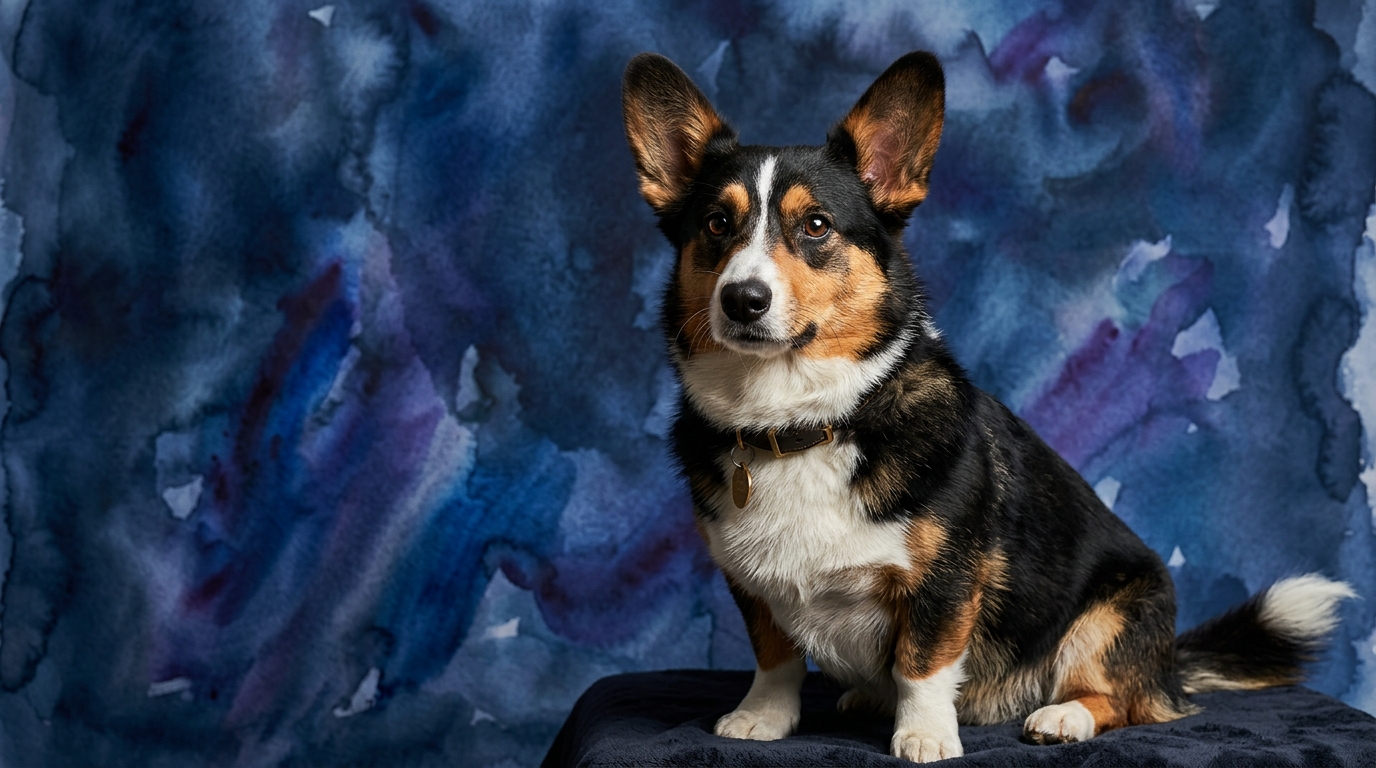
The Cardigan Welsh Corgi, a robust herding dog, registers a Coren rank of #26, indicating a strong capacity for learning and command execution. Its Problem Solving ability scores 4/5, suggesting a dog that can independently figure out complex tasks or navigate novel situations with notable ingenuity. Training Speed is also rated 4/5, meaning Corgis typically grasp new commands and routines quickly, often requiring fewer repetitions than many other breeds. In Social Intelligence, the Cardigan Corgi earns a 3/5; while capable of forming strong bonds and understanding human cues, they might not always prioritize social cohesion over their own objectives or instincts. Their Instinctive Drive, specifically for herding, is a solid 3/5, manifesting as a persistent desire to manage and gather, even in a domestic setting. Finally, their Memory scores 4/5, enabling them to retain learned behaviors and recall experiences over extended periods, which aids greatly in consistent training and behavior.
This profile paints a picture of a dog that is not only capable of learning rapidly but also possesses the mental fortitude to apply that learning in diverse contexts. Their problem-solving acumen, combined with excellent memory, means a Corgi often remembers both what it has been taught and how to manipulate its environment to its advantage. The 3/5 social intelligence, while not the highest, indicates a responsive companion, though one that may occasionally display a stubborn streak rooted in its independent herding heritage. Their instinctive drive, while present, is often manageable for pet owners, directing their energy towards constructive activities rather than constant, intense herding.
Side-by-Side IQ Profile: Icelandic Sheepdog
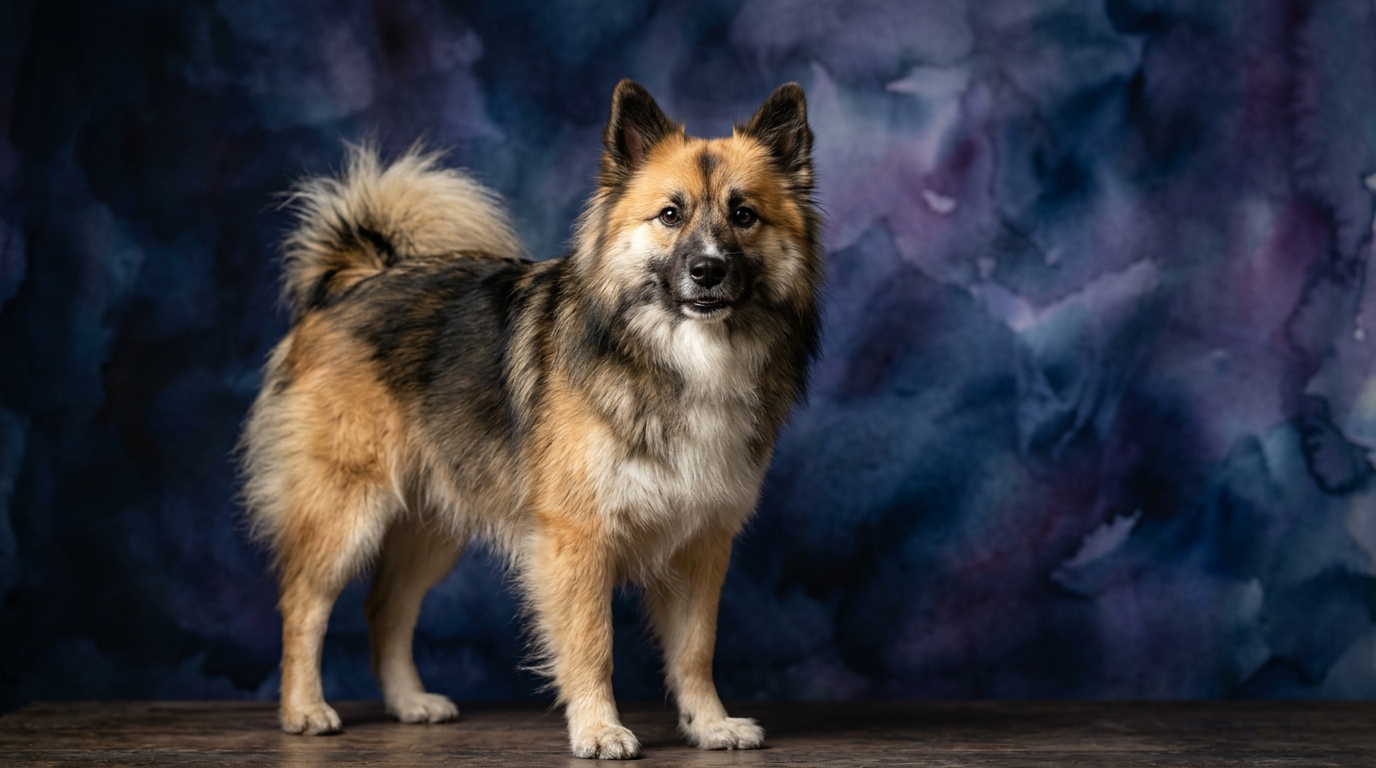
The Icelandic Sheepdog, while not Coren-ranked, presents a distinct cognitive profile reflective of its ancient herding lineage and remote origins. Its Problem Solving ability scores 3/5, indicating a capacity for practical solutions to immediate issues, but perhaps less inclination for complex, multi-step problem-solving without guidance. Training Speed also sits at 3/5; these dogs are amenable to learning but may require more patience and consistent repetition to solidify new commands compared to their Corgi counterparts. Social Intelligence is rated 3/5, much like the Corgi, reflecting a friendly and communicative nature, adept at interpreting human emotions and intentions, yet still possessing a degree of independence. Their Instinctive Drive, again 3/5, is geared towards herding, exhibiting a natural inclination to bark and gather, a trait essential for working sheep in the challenging Icelandic landscape. Memory for the Icelandic Sheepdog is 3/5, suggesting they retain information reasonably well, but perhaps not with the same depth or longevity as a breed with a higher memory score.
This breed's cognitive make-up highlights a dog that is a willing and pleasant companion, relying on its senses and inherent herding traits to navigate its world. The 3/5 scores across the board suggest a balanced, consistent temperament, less prone to extreme intellectual demands but still fully capable of fulfilling its role as a companion and working dog. Their social nature, combined with a moderate training speed, means they thrive on positive reinforcement and clear communication. The instinctive drive, while present, is often expressed through vocalizations and a desire to keep their 'flock' (family) together, rather than intense physical herding maneuvers in a home environment.
Where Cardigan Welsh Corgi Wins Cognitively
The Cardigan Welsh Corgi demonstrates a clear cognitive edge in several key areas. Its Problem Solving score of 4/5 significantly outpaces the Icelandic Sheepdog's 3/5, indicating a Corgi's greater aptitude for independent thought and creative solutions to obstacles. This can manifest as figuring out how to open a child-proof gate, retrieving a dropped toy from an awkward spot, or even devising strategies to get extra treats. This higher problem-solving capacity means Corgis often require more mental engagement to prevent boredom and destructive behaviors.
Furthermore, the Corgi's Training Speed (4/5 vs. 3/5) and Memory (4/5 vs. 3/5) combine to make it a more agile learner. A Corgi is likely to pick up a new trick or command in fewer sessions and retain it for longer periods. This translates into faster progress in obedience, agility, or other dog sports. Their superior memory also means they are less likely to 'forget' training cues over time, provided consistency is maintained, and can learn complex sequences of commands more readily.
Where Icelandic Sheepdog Wins Cognitively
While the Icelandic Sheepdog's individual cognitive scores are generally lower or equal to the Corgi's, its balanced 3/5 profile across all dimensions offers a distinct advantage in terms of predictability and consistency. Unlike the Corgi, which might use its higher problem-solving skills for clever mischief, the Icelandic Sheepdog's moderate problem-solving (3/5) means it's less prone to outsmarting its owners in ways that might cause trouble, such as figuring out complex escape routes or elaborate counter-surfing strategies. This can lead to a more straightforward and less challenging daily management experience for some owners.
The Icelandic Sheepdog's consistent 3/5 in Social Intelligence and Instinctive Drive, mirroring the Corgi's social score, means it's a communicative and friendly companion without the potential for the Corgi's occasional independent streak to overshadow social interactions. Its herding instinct is present but often expressed through vocalizations and a desire for proximity, rather than intense physical nipping or driving. This balanced drive, combined with its moderate problem-solving, can result in a dog that is less prone to intense, high-energy herding behaviors within a home, making its inherent drives more manageable for a family environment.
Which Is Easier to Train and Why
Based on their respective IQ profiles, the Cardigan Welsh Corgi is generally easier to train than the Icelandic Sheepdog. The Corgi's 4/5 Training Speed means it typically grasps new commands with fewer repetitions and generalizes learned behaviors to different environments more quickly. This is further supported by its 4/5 Memory, allowing it to retain training over longer periods and build upon previous lessons effectively. For instance, teaching a Corgi a complex agility course or a series of obedience commands might progress at a noticeably faster pace, as they remember the steps and connect actions to rewards with greater efficiency.
In contrast, the Icelandic Sheepdog's 3/5 Training Speed and Memory suggest that while they are certainly trainable and eager to please, they may require more consistent reinforcement and patience. Owners might find that an Icelandic Sheepdog needs more frequent practice sessions to solidify a new command or might take longer to generalize a behavior learned in one location to another. Their training journey might be a slower burn, but it is equally rewarding, relying on positive reinforcement and clear, consistent communication to build good habits rather than rapid intellectual leaps.
Which Suits Active Owners vs. Relaxed Owners
For active owners seeking a canine partner for diverse activities, the Cardigan Welsh Corgi often presents a more suitable match. Its higher Problem Solving (4/5) and Memory (4/5) mean it thrives on mental challenges such as puzzle toys, trick training, and dog sports like agility or rally obedience, which require both physical exertion and cognitive engagement. While their Instinctive Drive is 3/5, their overall mental acuity demands consistent stimulation, making them ideal for owners who enjoy structured activities and can provide a varied routine that taps into their sharp intellect. A Corgi that isn't sufficiently challenged mentally can become bored and channel its energy into less desirable behaviors.
The Icelandic Sheepdog, with its consistent 3/5 scores, is also an active breed, but its requirements lean more towards consistent, moderate physical activity and social interaction rather than intense mental puzzles. Its Instinctive Drive of 3/5 means it enjoys patrolling its territory, playing, and being involved in family activities, often expressed through barking and a desire for proximity. Relaxed owners, or those seeking a companion for regular walks, hikes, and backyard play without the need for constant intellectual challenges, might find the Icelandic Sheepdog's balanced energy and amiable nature a better fit. They are less likely to devise elaborate schemes out of boredom, preferring instead to be a joyful, vocal participant in family life.
The Verdict
Choose the Cardigan Welsh Corgi if you seek a highly trainable dog that thrives on complex mental challenges and can quickly master new skills, provided you can consistently engage its sharp intellect.
Opt for the Icelandic Sheepdog if you prefer a consistent, friendly companion who enjoys moderate activity and social interaction, and whose intelligence is more practical and less prone to 'clever' mischief.
🧠 Find Your Pet's IQ Score
Our Pet IQ Lab assessment covers 25+ tests across 5 cognitive dimensions — personalized to your breed.
Take the Full IQ Test →Frequently Asked Questions
Are Cardigan Welsh Corgis good for first-time dog owners?
Cardigan Welsh Corgis can be suitable for first-time owners who are committed to consistent training and mental stimulation. Their high training speed and memory are advantageous, but their problem-solving skills mean they require an owner who can keep them engaged and manage their independent streak effectively.
Do Icelandic Sheepdogs bark a lot?
Yes, Icelandic Sheepdogs are known for being vocal. Their 3/5 instinctive drive often manifests as alert barking to signal new arrivals or changes in their environment, a trait historically useful for herding and guarding. Owners should be prepared for this communicative tendency and can work on managing it through training.
Which breed is better for apartment living?
Both breeds can adapt to apartment living if their exercise and mental stimulation needs are met. However, a Cardigan Welsh Corgi might require more structured mental games to prevent boredom in a smaller space, while an Icelandic Sheepdog's vocal nature might be more problematic for close neighbors.