A Side-by-Side Cognitive Profile
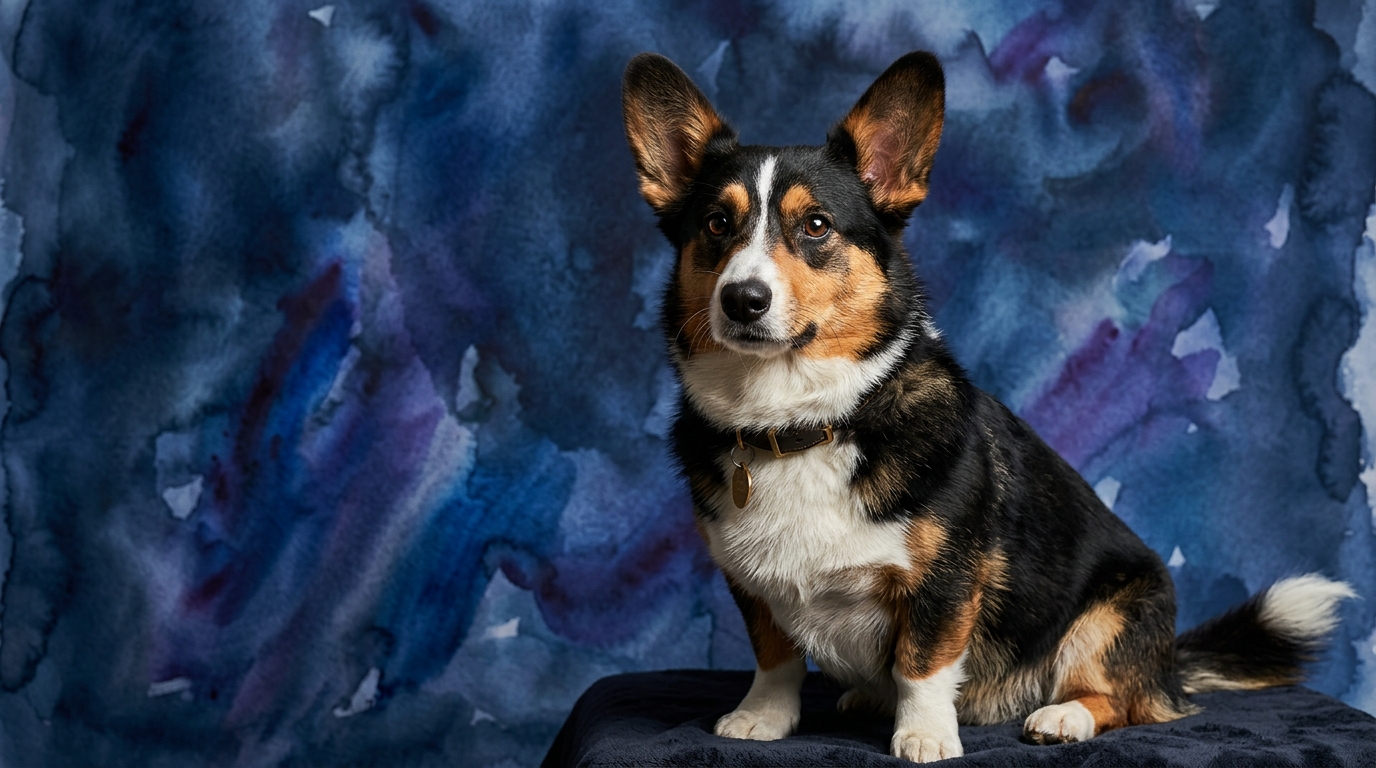
The Cardigan Welsh Corgi, a venerable herding breed, presents a robust cognitive profile as assessed by The Cosmic Pet Pet IQ Lab, earning a respectable Coren rank of #26. Its problem-solving aptitude stands at 4/5, indicating a strong capacity to navigate novel situations and strategize. Training speed is also rated 4/5, suggesting a quick grasp of new commands and routines. Memory is a notable strength at 4/5, allowing for excellent retention of learned behaviors and experiences. Social intelligence registers at 3/5, reflecting a functional understanding of pack dynamics and human interaction, while its instinctive drive, primarily for herding, is also rated 3/5, a manageable but present force.
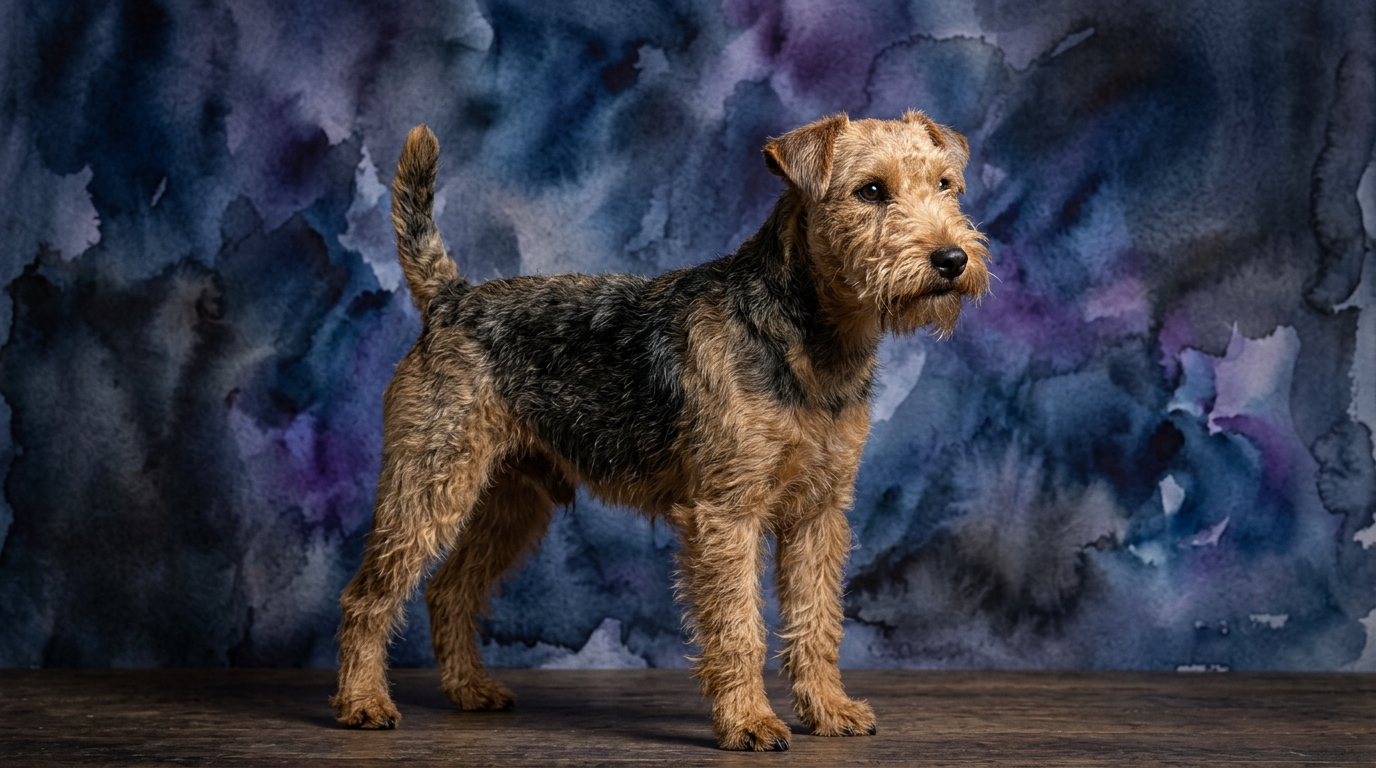
In contrast, the Lakeland Terrier, a spirited member of the terrier group, is not Coren-ranked, yet possesses a cognitive makeup perfectly suited to its original purpose of hunting vermin in challenging terrain. Across the board, its cognitive dimensions are rated at 3/5: problem-solving, training speed, social intelligence, instinctive drive, and memory. This uniform scoring points to a breed that is functionally capable and self-reliant. Its problem-solving at 3/5 suggests it can figure out complex situations, albeit perhaps not as rapidly as a Corgi, often relying on persistence. A training speed of 3/5 means it learns, but may require more consistent reinforcement. Social intelligence at 3/5 indicates it can form bonds but retains a degree of independence, and its 3/5 instinctive drive is a powerful, focused motivator for its inherent hunting behaviors. Memory at 3/5 ensures it retains critical information relevant to its tasks and environment.
Where the Cardigan Welsh Corgi Wins Cognitively
The Cardigan Welsh Corgi demonstrates clear cognitive advantages in areas demanding rapid assimilation and retention of information, alongside strategic thinking. Its 4/5 rating in problem-solving means this breed is adept at assessing complex scenarios and devising effective solutions, a critical trait for a herding dog needing to outmaneuver livestock. This cognitive flexibility allows them to adapt quickly to new environments or unexpected changes in routine, often seeking out the most efficient path to a goal.
Furthermore, the Corgi's superior training speed (4/5) and memory (4/5) collectively make it a more receptive and reliable pupil. They pick up new cues with fewer repetitions and retain them over longer periods, making advanced obedience, tricks, or canine sports more accessible. This cognitive strength stems from their history of working closely with handlers, requiring them to remember intricate commands and execute them precisely, even in the absence of immediate supervision.
Where the Lakeland Terrier Excels Cognitively
While the Lakeland Terrier's cognitive scores are consistently 3/5, its strengths lie in the application of these aptitudes to its specialized role. Its 3/5 for problem-solving, combined with a 3/5 instinctive drive, translates into formidable tenacity and independent thought when pursuing a goal. Unlike the Corgi's handler-oriented problem-solving, the Lakeland's cognitive focus is often on autonomous task completion, such as navigating a burrow or outwitting quarry, demonstrating a resilient and self-directed form of intelligence.
The Lakeland's social intelligence (3/5) and memory (3/5) support its independent nature. It forms bonds with its family but maintains an inherent self-reliance, not constantly seeking direction. Its memory, though not as high-scoring as the Corgi's, is perfectly adequate for remembering key locations, scents, and established routines, particularly those related to its drive. This breed's cognitive profile is thus optimized for focused, sustained effort in challenging situations where human intervention might be less immediate, valuing grit and determination over immediate compliance.
Which is Easier to Train and Why
Based on The Cosmic Pet Pet IQ Lab's metrics, the Cardigan Welsh Corgi is generally easier to train. Its 4/5 ratings in training speed, problem-solving, and memory are significant indicators. Corgis pick up new commands more quickly, remember them reliably, and are often eager to engage in training sessions, viewing them as collaborative problem-solving opportunities. Their herding background instills a desire to work in partnership with a human, making them more biddable and responsive to direction. Behavioral differences include their tendency to look to their handler for guidance and their quicker ability to generalize learned behaviors to new situations.
The Lakeland Terrier, with its 3/5 scores across the board for training speed, problem-solving, and memory, typically requires a more patient and consistent approach to training. Their strong instinctive drive (3/5) means they can be highly motivated, but that motivation often aligns with their inherent terrier duties—like scent tracking or digging—rather than necessarily pleasing a handler. They possess an independent streak, a hallmark of many terrier breeds, which means they might weigh a command against their own perceived priorities. Owners often report that while Lakelands are capable of learning, they might require more repetition and creative methods to maintain engagement, especially when distractions are present, reflecting their self-directed nature rather than a lack of cognitive ability.
Suitability for Active vs. Relaxed Owners
The Cardigan Welsh Corgi, while possessing a moderate instinctive drive (3/5), is generally a better fit for owners who appreciate structured activity and mental engagement. Their problem-solving (4/5) and training speed (4/5) mean they thrive on learning new tasks, participating in obedience, agility, or even herding trials. They require regular exercise to channel their energy, but their social intelligence (3/5) means they are typically content to be part of family activities, enjoying both active outings and periods of relaxed companionship. They are adaptable to various living situations as long as their cognitive and physical needs are met through consistent interaction and training.
The Lakeland Terrier, with its uniform 3/5 scores and a strong terrier temperament, is best suited for owners who are active and understand the specific needs of a tenacious, independent working dog. Their instinctive drive (3/5) often manifests as a keen desire to explore, dig, and chase, demanding outlets that go beyond simple walks. Owners who enjoy engaging in earthdog trials, extensive hiking, or other vigorous activities that satisfy a dog's natural hunting instincts will find a compatible partner. While they can be relaxed indoors, their mental and physical stimulation needs are significant, and they thrive with owners who appreciate their self-reliant spirit and provide consistent, engaging challenges.
The Verdict
Choose the Cardigan Welsh Corgi if you value a highly trainable, adaptable companion eager to engage in collaborative problem-solving and learn new skills efficiently. They are ideal for owners who enjoy consistent training and mental enrichment activities.
Opt for the Lakeland Terrier if you seek an independent, tenacious companion with a strong drive for exploration and specific tasks, suited to active owners who appreciate their self-reliant spirit and can provide outlets for their inherent instincts.
🧠 Find Your Pet's IQ Score
Our Pet IQ Lab assessment covers 25+ tests across 5 cognitive dimensions — personalized to your breed.
Take the Full IQ Test →Frequently Asked Questions
Does a Coren rank indicate overall intelligence?
A Coren rank primarily measures a breed's working and obedience intelligence, reflecting how quickly they learn and respond to commands. It doesn't encompass all facets of cognitive ability, such as independent problem-solving or instinctive drives.
How does 'instinctive drive' impact a dog's behavior?
Instinctive drive refers to a dog's inherent, genetically programmed behaviors, like herding, hunting, or guarding. A strong drive means the dog will be highly motivated to perform these actions, which can be channeled into appropriate activities or managed with training.
Can a dog's intelligence profile change with training?
While a breed's inherent cognitive tendencies are largely fixed, consistent training and mental stimulation can significantly enhance a dog's ability to utilize its cognitive strengths. It can improve problem-solving skills, memory recall, and the speed at which it learns specific tasks.