Side-by-Side Cognitive Profiles: Herding Wit vs. Vigilant Discernment
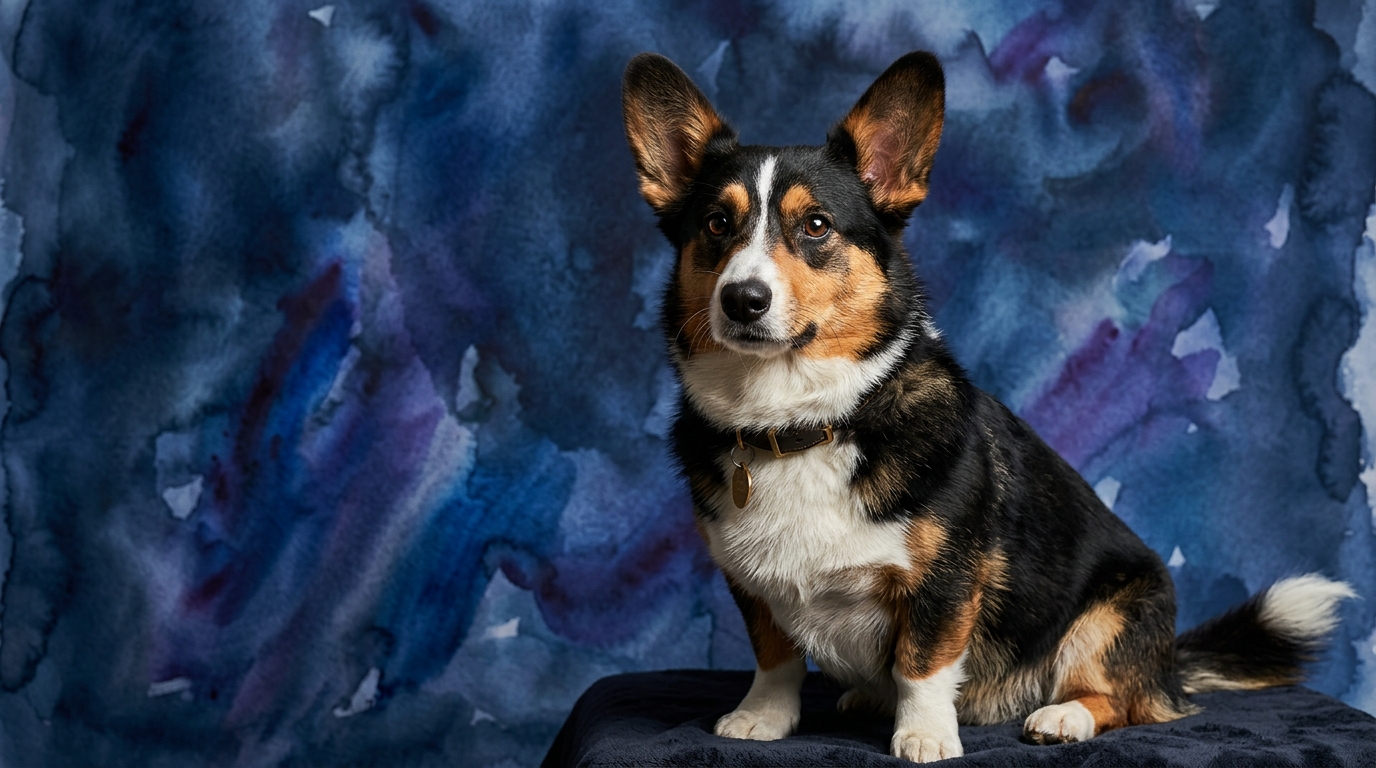
The Cardigan Welsh Corgi, a member of the Herding group and ranked #26 by Coren for working intelligence, presents a robust cognitive profile. Their problem-solving ability scores a strong 4/5, indicative of their historical need to strategize while moving livestock. Training speed also rates 4/5, reflecting their eagerness to learn and respond to human direction. Social intelligence sits at 3/5, suggesting a good understanding of human cues but without the intense people-pleasing drive of some other breeds. Their instinctive drive, rated 3/5, is largely channeled into their herding tendencies, while memory, at 4/5, allows them to retain complex commands and routines.
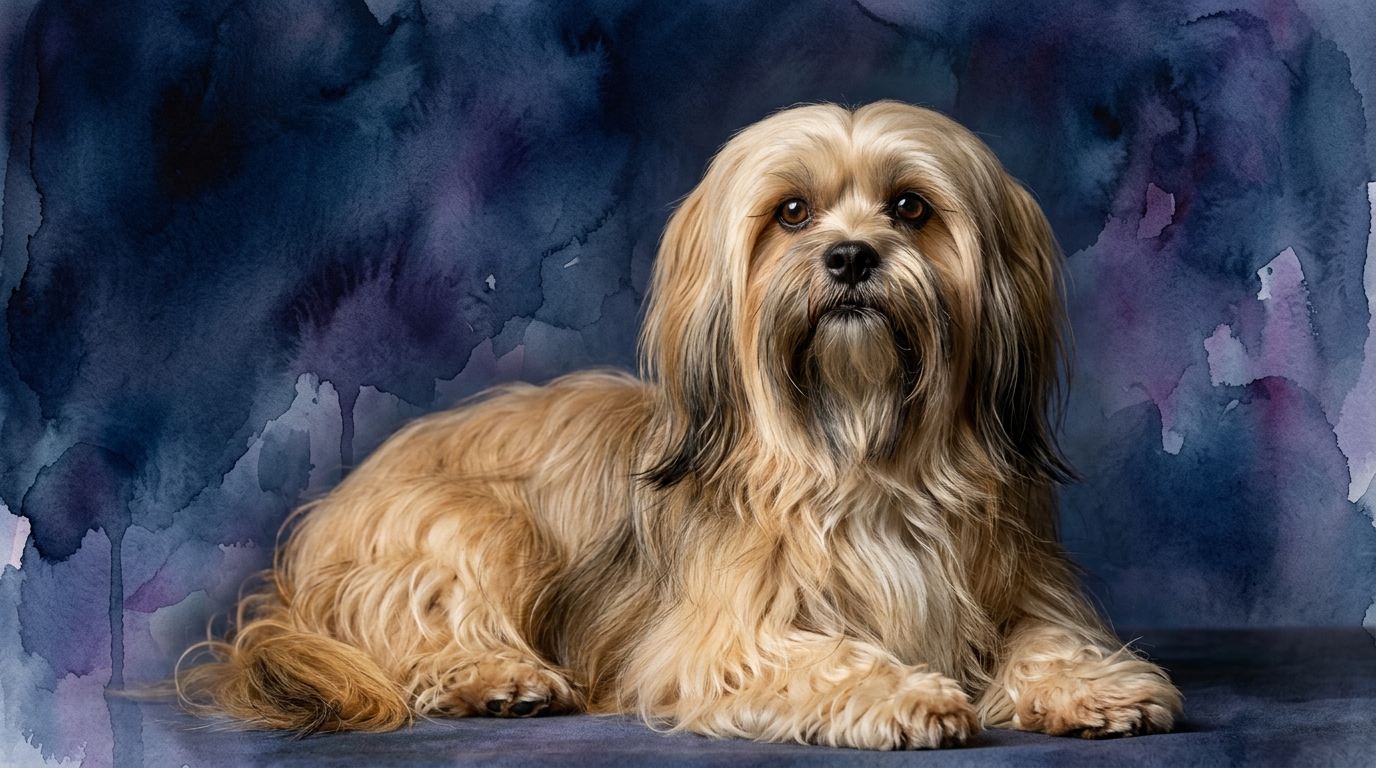
In contrast, the Lhasa Apso, a Non-Sporting breed with a Coren rank of #68, exhibits a cognitive makeup tailored for its role as a sentinel. Their problem-solving skill registers 3/5, sufficient for navigating their environment and identifying threats. Training speed is also 3/5, meaning they are capable learners but often require more patience and motivation due to their independent nature. Social intelligence matches the Corgi at 3/5, indicating an ability to read social situations, particularly concerning strangers. Their instinctive drive, rated 3/5, is strongly oriented towards their protective instincts, and memory, at 3/5, serves well for remembering routines and perceived threats within their domain.
Where the Cardigan Welsh Corgi Shows Cognitive Edge
The Cardigan Welsh Corgi's cognitive advantages are most apparent in areas demanding active engagement and rapid learning, directly stemming from its herding heritage. Its problem-solving score of 4/5 means a Corgi is more likely to devise creative solutions to novel situations, such as figuring out how to open a gate or retrieve a toy from an awkward spot. This isn't just about brute force; it involves assessing the environment and executing a sequence of actions, a direct parallel to outsmarting a stubborn flock.
Furthermore, the Corgi's 4/5 training speed and 4/5 memory work in tandem, allowing them to absorb and recall a wider array of commands and tricks more quickly than a Lhasa Apso. This breed can often generalize learned behaviors to new contexts with minimal repetition, making them adept at complex obedience, agility, or even scent work. Their cognitive processing speed for new information and their ability to retain it over time provide a clear edge in structured learning environments and performance tasks.
Distinct Cognitive Strengths of the Lhasa Apso
While the Lhasa Apso's scores might appear lower in certain metrics, their cognitive profile is perfectly adapted for their historical role, showcasing a different kind of strength. Their 3/5 social intelligence, on par with the Corgi, is particularly effective in their guardian role; they are astute observers of human behavior, discerning between familiar faces and potential intruders. This isn't about being overtly friendly but about accurately interpreting intentions and social cues, often with a discerning skepticism.
The Lhasa Apso's 3/5 instinctive drive is a significant cognitive asset for owners seeking a vigilant companion. This drive manifests as a keen awareness of their surroundings, excellent hearing, and an unwavering commitment to alerting their family to anything perceived as unusual. Their problem-solving (3/5) and memory (3/5) are contextualized by this purpose; they excel at remembering patterns in their environment and identifying deviations, rather than necessarily solving complex puzzles for human entertainment. Their independence, while sometimes challenging for training, is a cognitive strength in self-reliance and decision-making when left to their own devices.
Training Aptitude: Corgi's Eagerness vs. Lhasa Apso's Discernment
When it comes to ease of training, the Cardigan Welsh Corgi generally holds an advantage, primarily due to its higher training speed (4/5) and problem-solving (4/5). Corgis were bred to work closely with humans, responding to commands and making independent decisions within a structured framework. This means they often display a greater eagerness to please and are more motivated by positive reinforcement, quickly connecting actions with rewards. Their ability to generalize learned behaviors makes them relatively straightforward to teach complex sequences, such as those found in competitive dog sports.
The Lhasa Apso, with its 3/5 training speed, requires a more patient and nuanced approach. Their independent nature and historical role as watchdogs mean they often evaluate commands based on their own perceived utility rather than an inherent desire to please. Training a Lhasa Apso often involves convincing them that a task is worthwhile, requiring consistent, positive reinforcement and a strong, trusting bond. While they are capable of learning, their discerning personality means that training sessions might be longer and require more creativity to maintain their engagement, often exhibiting a 'what's in it for me?' attitude.
Matching Cognitive Profiles to Lifestyles: Active Engagement vs. Relaxed Vigilance
For active owners seeking a canine partner for various activities, the Cardigan Welsh Corgi's cognitive profile is a strong match. Their higher problem-solving and memory scores mean they thrive on mental stimulation through puzzle toys, obedience training, agility, or even herding games. This breed needs consistent mental engagement to prevent boredom and channel their innate drive, making them ideal for individuals who enjoy teaching new skills and participating in dog sports or regular, varied excursions. Their social intelligence (3/5) allows them to integrate well into family dynamics while maintaining a focused work ethic.
Conversely, the Lhasa Apso's cognitive strengths align well with more relaxed owners who appreciate a vigilant yet less overtly demanding companion. While they still require mental stimulation, their problem-solving (3/5) and memory (3/5) are more geared towards observation and routine rather than complex task execution. They are content with a comfortable routine and excel at their role as a watchful presence, often preferring to observe rather than constantly participate. Their independence means they can be comfortable with periods of quiet companionship, though consistent, short training sessions are still vital to keep their minds engaged and prevent stubbornness.
The Verdict
Choose the Cardigan Welsh Corgi if you seek an actively engaged, highly trainable partner for sports, complex tasks, and a dog eager to learn and problem-solve alongside you.
Opt for the Lhasa Apso if you value an independent, vigilant companion with a discerning personality, who excels at observation and offers a loyal, watchful presence with a distinct cognitive style.
🧠 Find Your Pet's IQ Score
Our Pet IQ Lab assessment covers 25+ tests across 5 cognitive dimensions — personalized to your breed.
Take the Full IQ Test →Frequently Asked Questions
Which breed is better for first-time dog owners?
The Cardigan Welsh Corgi is generally more forgiving for first-time owners due to its higher training speed and eagerness to please, making the learning curve for both dog and owner smoother. The Lhasa Apso's independent nature can be more challenging for those new to dog ownership.
Do Corgis or Lhasa Apsos need more mental stimulation?
Both breeds benefit from mental stimulation, but the Cardigan Welsh Corgi typically requires more varied and challenging cognitive tasks to satisfy its higher problem-solving and memory capabilities. The Lhasa Apso appreciates routine and observational tasks, though consistent training is still important.
How does their social intelligence impact family life?
Both breeds score 3/5 in social intelligence, meaning they generally understand human cues well. The Corgi might be more overtly interactive with all family members, while the Lhasa Apso, with its guardian instincts, might be more reserved or discerning with strangers and show its affection more selectively to its core family.