Side-by-side IQ profile
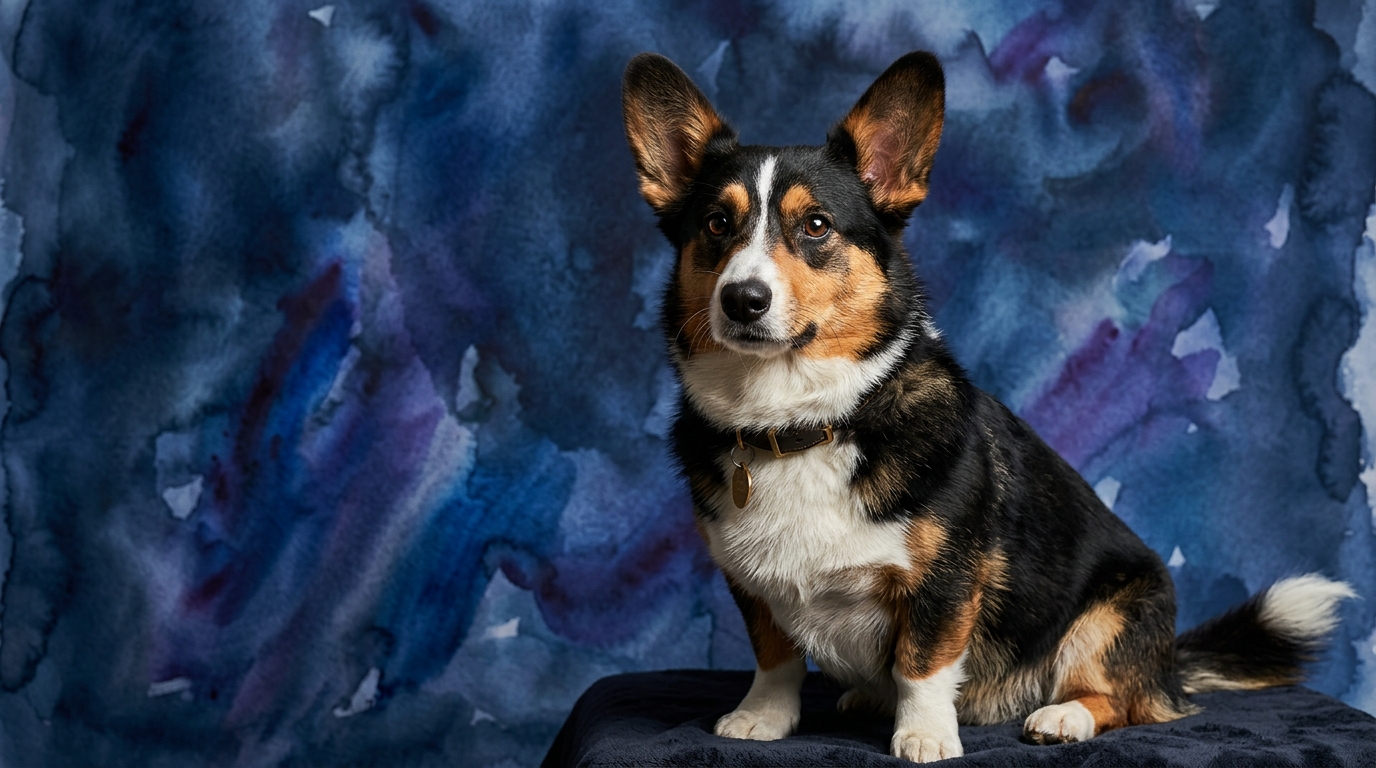
**Cardigan Welsh Corgi (Herding Group, Coren Rank #26)**
**Problem Solving (4/5):** This breed exhibits a notable capacity for figuring out novel situations and navigating complex environments. Their herding heritage instilled a need for independent thought and quick decision-making, allowing them to adapt readily to new challenges and learn intricate sequences of actions.
**Training Speed (4/5):** Cardigans are quick studies, absorbing new commands and routines with impressive efficiency. This makes them highly responsive to consistent training methods, often picking up complex behaviors in fewer repetitions than many other breeds.
**Social Intelligence (3/5):** While capable of reading human cues and forming strong bonds, their social acumen sits at a moderate level. They are generally cooperative but may occasionally prioritize their own agenda or require deliberate socialization to ensure harmonious interactions with strangers and other animals.
**Instinctive Drive (3/5):** Their herding instincts are present but typically manageable, manifesting as a desire to gather or direct. This drive is not overwhelmingly intense, allowing it to be channeled effectively into appropriate activities rather than becoming a disruptive force.
**Memory (4/5):** Cardigans possess a robust memory, retaining learned behaviors, commands, and experiences over long periods. This strong recall contributes significantly to their trainability and their ability to navigate familiar routines or environments confidently.
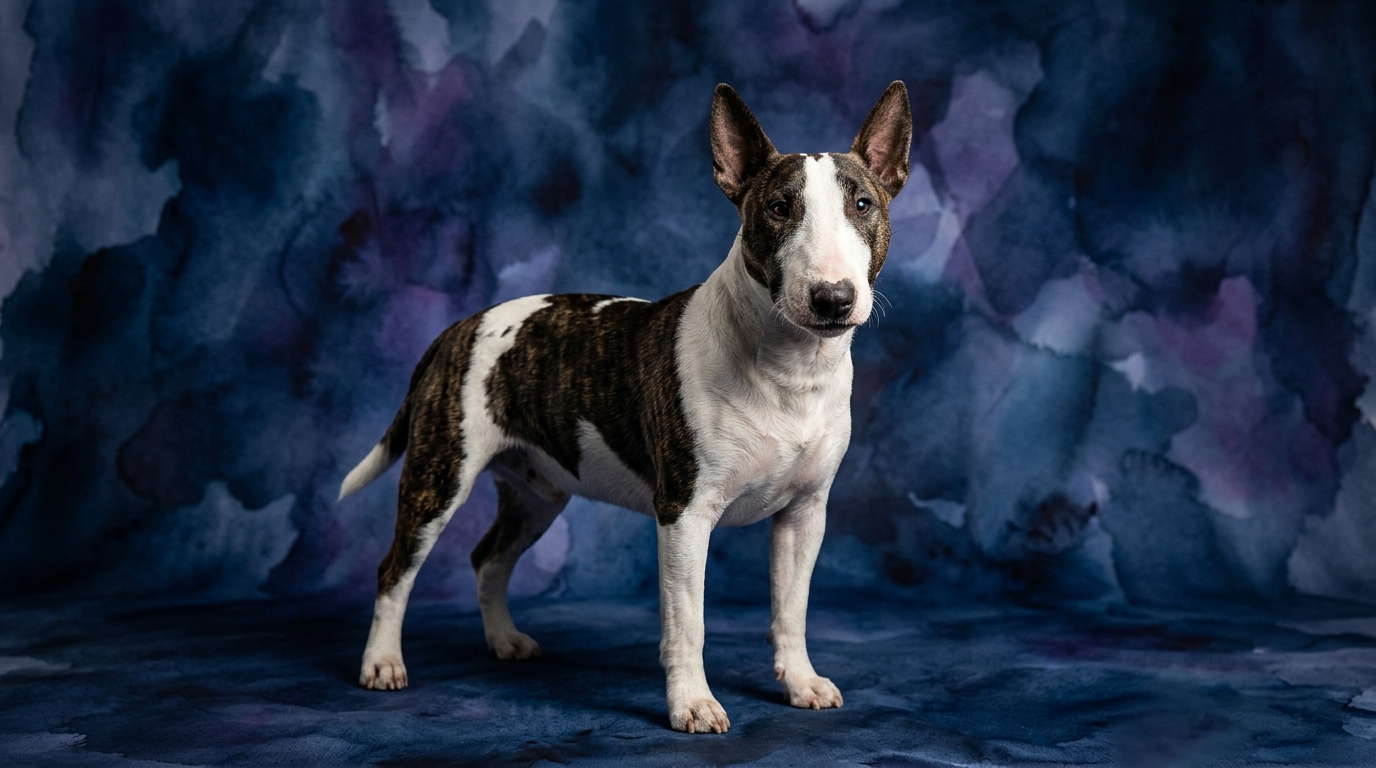
**Miniature Bull Terrier (Terrier Group, Not Coren-Ranked)**
**Problem Solving (3/5):** Miniature Bull Terriers demonstrate a solid but perhaps less analytical approach to problem-solving. They are capable of overcoming obstacles, often through determined persistence, but may require more trial-and-error or external guidance compared to the more independently strategic Corgi.
**Training Speed (3/5):** This breed learns at a respectable pace, but their training speed is often influenced by their independent terrier nature. They require consistent, engaging methods and can sometimes take more repetitions to solidify commands, especially if their interest isn't fully captured.
**Social Intelligence (3/5):** Their social intelligence, like the Corgi's, is moderate. Miniature Bull Terriers form deep connections with their chosen family but can be reserved or even opinionated with outsiders. Their communication style might be less overtly solicitous, requiring owners to understand their unique expressions of affection and boundaries.
**Instinctive Drive (3/5):** The terrier drive is present in the Miniature Bull Terrier, manifesting as an inclination to dig, chase, and pursue. While not extreme, these instincts require appropriate outlets and management to prevent them from becoming problematic in a domestic setting.
**Memory (3/5):** Miniature Bull Terriers have a reliable memory for routines and learned commands, though perhaps not with the same immediate recall or long-term precision as the Cardigan. Consistent reinforcement helps ensure their retention of desired behaviors.
Where Cardigan Welsh Corgi wins cognitively
The Cardigan Welsh Corgi clearly outpaces the Miniature Bull Terrier in several key cognitive dimensions, particularly in problem-solving, training speed, and memory. Their 4/5 scores in these areas reflect a canine mind built for efficient learning and adaptable thought. A Corgi's ability to quickly grasp complex commands and retain them means they are often a joy to train, excelling in obedience, agility, and even herding trials where rapid comprehension and execution are paramount. Their superior problem-solving acumen allows them to navigate novel situations with less frustration, often finding creative solutions independently, a direct benefit of their historical role requiring autonomous decision-making in the field. This breed's cognitive strengths translate into a companion that is not only eager to learn but also equipped to master a diverse range of tasks, making them highly versatile in their activities and capable of deeper engagement in structured learning environments.
Where Miniature Bull Terrier wins cognitively
While the Miniature Bull Terrier's numerical scores don't surpass the Corgi's, their cognitive "wins" lie in the unique application and nature of their specific terrier traits. Their 3/5 in instinctive drive, for instance, manifests as a focused, unwavering determination when pursuing a goal, whether it’s a toy, a scent, or a perceived challenge. This tenacity, while sometimes labeled as stubbornness, is a powerful cognitive asset for tasks requiring sheer persistence and resilience, where a less driven dog might give up. Their problem-solving, though rated 3/5, often involves a robust, no-nonsense approach, tackling obstacles head-on rather than seeking intricate bypasses. This breed also possesses a distinct social intelligence that, while not universally effusive, fosters incredibly deep, almost singular bonds with their chosen human family, requiring an owner to understand and appreciate a more independent, yet profoundly loyal, intellectual connection. Their cognitive strengths are less about quick, broad learning and more about intense focus and a unique, spirited resolve.
Which is easier to train and why
Without question, the Cardigan Welsh Corgi is generally considered easier to train due to its higher scores in training speed (4/5), problem-solving (4/5), and memory (4/5). Their herding background cultivated a strong desire to work cooperatively with humans, resulting in an innate eagerness to please and a quick understanding of commands. A Cardigan typically grasps new concepts rapidly and retains them well, making the training process smoother and often more rewarding for both dog and owner. They are less likely to "forget" a command and more inclined to generalize learned behaviors to new situations.
The Miniature Bull Terrier, with its 3/5 scores across these same metrics, presents a more significant training challenge. Their terrier independence means they often have their own agenda and can be less overtly motivated by human directives, requiring more creative and consistent engagement. Training a Miniature Bull Terrier demands patience, a sense of humor, and a firm but fair approach. Owners must work to make training a fun and stimulating game, as repetition alone might lead to boredom or defiance. Their strong-willed nature means they might test boundaries more frequently, necessitating a dedicated owner who understands and respects the unique terrier temperament.
Which suits active owners vs relaxed owners
Neither the Cardigan Welsh Corgi nor the Miniature Bull Terrier are truly suited for "relaxed" owners in the sense of a sedentary lifestyle. Both breeds possess significant energy and require consistent mental and physical stimulation, though the type of activity might differ.
The Cardigan Welsh Corgi, stemming from a herding lineage, thrives with active owners who enjoy structured activities. They need regular exercise, such as brisk walks or hikes, and excel in dog sports like agility, obedience, or even herding games that engage their problem-solving skills and desire to work. Owners who appreciate a canine partner in learning new tricks, participating in training classes, or engaging in mentally stimulating puzzle toys will find the Cardigan a fulfilling companion. They need a "job" to do, which keeps their intelligent minds sharp and prevents boredom-related behaviors.
The Miniature Bull Terrier, a robust terrier, also requires active engagement but often benefits from a different style of interaction. They are generally playful and can be quite rambunctious, enjoying vigorous games of fetch, long walks, and opportunities to explore and sniff. Owners who appreciate a dog with a strong, independent spirit, who are prepared for consistent exercise and mental challenges that cater to a terrier's inquisitive and sometimes boisterous nature, will find a good match. Their energy needs to be channeled constructively to prevent destructive behaviors, making them a better fit for owners who are proactive in providing outlets for their distinct terrier drives.
The Verdict
For owners seeking a highly trainable, adaptable companion keen on learning, who appreciate a partner in various canine activities and thrive on cooperative engagement, the Cardigan Welsh Corgi is an excellent choice.
For those who admire a dog with a unique, tenacious spirit, are prepared for consistent, patient training, and enjoy a companion with a strong individual personality and robust play style, the Miniature Bull Terrier could be your ideal match.
🧠 Find Your Pet's IQ Score
Our Pet IQ Lab assessment covers 25+ tests across 5 cognitive dimensions — personalized to your breed.
Take the Full IQ Test →Frequently Asked Questions
Are Cardigan Welsh Corgis good for first-time dog owners?
Yes, Cardigan Welsh Corgis can be suitable for first-time dog owners due to their high trainability and eagerness to please. However, prospective owners should be prepared to provide consistent mental and physical stimulation to prevent boredom, as their intelligence means they need engagement.
Do Miniature Bull Terriers get along with other pets?
Miniature Bull Terriers can coexist with other pets, especially if introduced early and socialized extensively. However, their terrier instincts mean they may have a higher prey drive towards smaller animals and can be particular about canine companions, requiring careful, supervised introductions.
What kind of mental stimulation do these breeds need?
Both breeds require significant mental stimulation. Cardigan Welsh Corgis thrive on obedience training, puzzle toys, and dog sports like agility or herding. Miniature Bull Terriers benefit from engaging play, scent work, challenging chew toys, and consistent, varied training to keep their independent minds active and prevent boredom.