Side-by-Side IQ Profile: A Closer Look
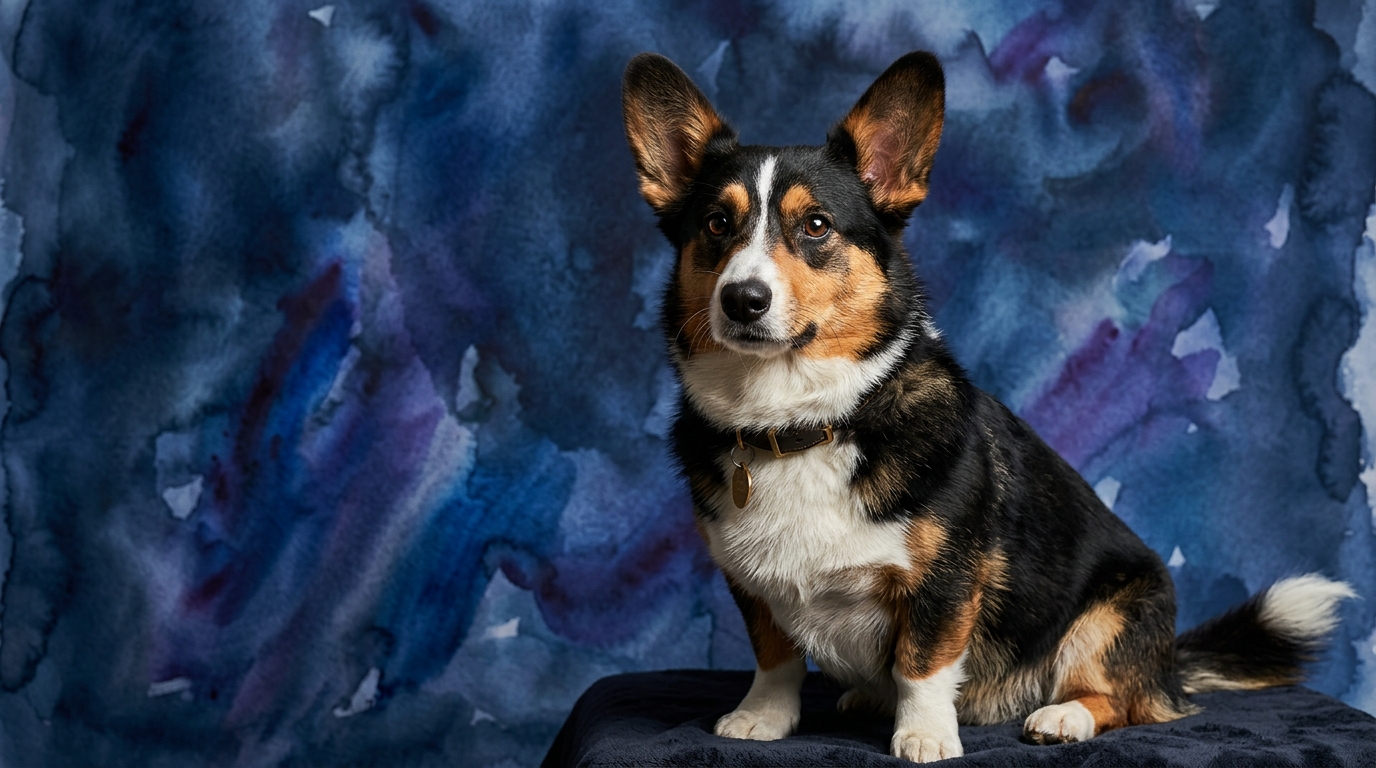
The Cardigan Welsh Corgi, a member of the Herding group and ranked #26 by Stanley Coren, exhibits a robust cognitive profile tailored for intricate tasks. Their Problem Solving is rated 4/5, reflecting an aptitude for understanding multi-step commands and navigating environmental challenges, like strategically moving livestock. Training Speed also scores 4/5, indicating a quick grasp of new cues and a readiness to learn, often requiring fewer repetitions than many other breeds. Memory, at 4/5, underpins this training efficiency, allowing them to retain a vast repertoire of commands and routines over time. Social Intelligence stands at 3/5, suggesting a capacity for cooperative interaction and reading human cues, though perhaps with a degree of independent thought. Their Instinctive Drive, also 3/5, points to a moderate herding inclination that can be channeled into productive activities, but isn't overwhelmingly dominant in all individuals.
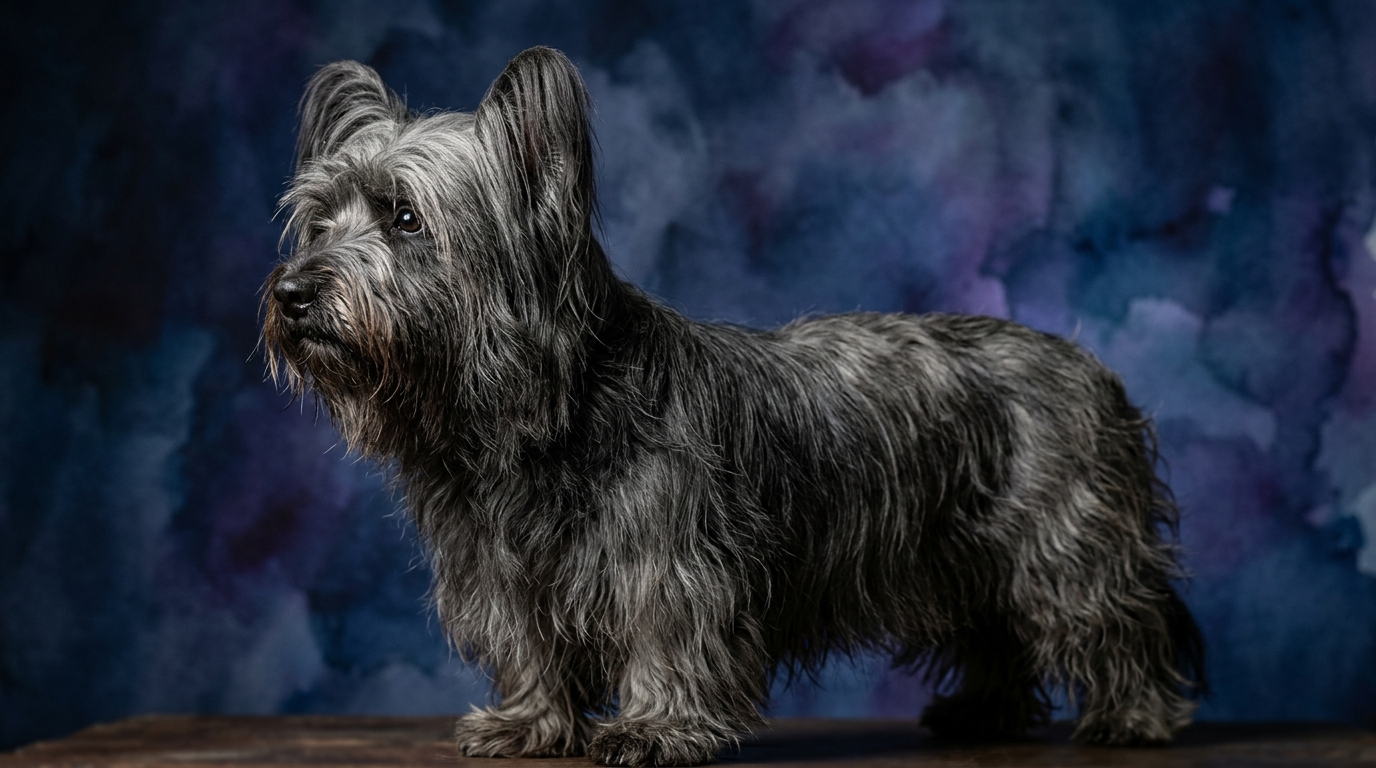
In contrast, the Skye Terrier, a breed from the Terrier group, does not appear on Coren's ranking, which often signifies a different, rather than lesser, approach to intelligence. Across the board, the Skye Terrier registers a consistent 3/5 in our IQ dimensions. Their Problem Solving capacity, rated 3/5, suggests they can tackle practical challenges, particularly those involving pursuit or exploration, but might approach abstract puzzles with less immediate enthusiasm than a Corgi. Training Speed, at 3/5, implies a steady learning pace, where consistency and motivation are key to solidifying new behaviors. Memory, also 3/5, allows them to recall learned patterns, though perhaps with a need for more regular reinforcement compared to breeds with higher scores. Social Intelligence at 3/5 indicates an ability to form bonds and understand family dynamics, often expressed through loyalty, but they may exhibit a more reserved or selective sociability. Finally, their Instinctive Drive, at 3/5, reflects their terrier heritage—a persistent, independent drive for digging, chasing, and investigating, which is a hallmark of their original purpose.
Where the Cardigan Welsh Corgi Excels Cognitively
The Cardigan Welsh Corgi truly shines in areas demanding structured learning and adaptable problem-solving. Their 4/5 rating in Problem Solving means they can swiftly analyze situations, such as figuring out how to retrieve a toy stuck under furniture or learning complex agility courses that require sequential actions and quick adjustments. This cognitive flexibility, honed by generations of managing livestock, allows them to process information and formulate solutions with remarkable efficiency. Furthermore, their 4/5 Training Speed is a distinct advantage; Corgis often pick up new commands in just a few repetitions, making advanced obedience or trick training a rewarding experience for both dog and owner. This rapid acquisition is bolstered by their 4/5 Memory, enabling them to retain a broad vocabulary of cues and routines, allowing for a sophisticated level of communication and interaction over their lifetime. These combined strengths make them exceptional candidates for roles requiring precision, quick thinking, and a reliable recall of learned behaviors.
Where the Skye Terrier's Mind Triumphs
While the Skye Terrier's scores are consistently 3/5, their cognitive strengths lie in areas that reflect their terrier lineage: tenacity, independent thinking, and a keen focus on their immediate environment. Their 3/5 Problem Solving manifests as a determined persistence in tasks related to their original purpose, such as figuring out how to access a scent or uncover a hidden object. They might not solve abstract puzzles with the Corgi's speed, but they excel at practical, goal-oriented challenges requiring single-minded focus and physical effort. The Skye Terrier's 3/5 Instinctive Drive, while not numerically superior, is expressed through an unwavering determination and a selective prey drive; once they fixate on a task or scent, they exhibit remarkable endurance and focus, often tuning out distractions. This drive, combined with their moderate Social Intelligence, means they can be incredibly loyal and discerning, forming deep bonds with their chosen few, and applying their cognitive energy to protecting or engaging with their inner circle. Their intelligence is less about broad, rapid learning and more about depth, perseverance, and a strong sense of self-purpose.
Training Dynamics: Corgi vs. Skye Terrier
When considering ease of training, the Cardigan Welsh Corgi generally presents a more straightforward path for the average owner. Their 4/5 Training Speed means they absorb new commands quickly, often responding well to positive reinforcement methods and showing eagerness to please. Their background as herding dogs means they are predisposed to working in partnership with humans, understanding complex instructions, and exhibiting a desire for structured activity. This inherent biddability, coupled with superior Problem Solving and Memory, allows them to grasp advanced concepts like multi-step commands or intricate agility sequences with relative ease. In contrast, the Skye Terrier, with its 3/5 Training Speed and strong independent streak characteristic of terriers, typically requires a more patient, consistent, and creative training approach. Their problem-solving often leans towards self-directed ventures rather than human-directed tasks, making them appear more stubborn. They respond best to training that makes sense to them, appeals to their chase drive, or offers high-value rewards, rather than simply complying for compliance's sake. Owners must be prepared for a dog that will question commands and prioritize its own agenda, demanding clear boundaries and consistent expectations to achieve desired behaviors.
Lifestyle Match: Active vs. Relaxed Owners
For owners seeking a companion that thrives on structured activity and mental engagement, the Cardigan Welsh Corgi is often an excellent fit. Their heritage demands regular physical exercise, such as brisk walks, short runs, or engaging in dog sports like agility or herding trials, to keep their body and mind stimulated. An active owner who enjoys consistent training sessions and providing varied intellectual challenges will find the Corgi to be a willing and enthusiastic participant, preventing boredom-induced behaviors. While not requiring extreme endurance, they do need consistent outlets for their cognitive and physical energy. The Skye Terrier, on the other hand, can suit both moderately active and more relaxed owners, but with a nuanced understanding of their needs. They appreciate a focused daily walk or two, where they can explore scents and satisfy their investigative drive, but they are not typically candidates for extensive jogging or high-impact sports. Their independent nature means they can be content with less constant human interaction than a Corgi, often enjoying quiet companionship. However, a 'relaxed' owner must still be prepared to manage their innate terrier instincts, providing mental stimulation through puzzle toys or supervised digging opportunities, and ensuring robust socialization to channel their discerning social intelligence positively. They are not high-energy but require thoughtful engagement to prevent boredom and undesirable behaviors.
The Verdict
Choose a Cardigan Welsh Corgi if you value a highly trainable, versatile companion eager to engage in structured learning and participate in a variety of dog sports, thriving on consistent mental and physical challenges.
Opt for a Skye Terrier if you appreciate a loyal, independent companion with a discerning personality, willing to engage on their own terms, and you are prepared for patient, consistent training that respects their terrier tenacity.
🧠 Find Your Pet's IQ Score
Our Pet IQ Lab assessment covers 25+ tests across 5 cognitive dimensions — personalized to your breed.
Take the Full IQ Test →Frequently Asked Questions
Are Cardigan Welsh Corgis good for first-time dog owners?
Yes, their biddability and eagerness to learn often make them suitable for first-time owners who are committed to consistent positive reinforcement training and providing adequate mental stimulation. Their moderate energy levels are manageable, but their herding instincts require early guidance.
Do Skye Terriers shed a lot?
Skye Terriers have a double coat that does shed, but typically less than many other breeds. Regular brushing, at least twice a week, is necessary to prevent matting and manage shedding effectively, keeping their long coat healthy.
What kind of mental stimulation do Skye Terriers need?
Skye Terriers benefit from activities that engage their independent, investigative nature, such as scent work, puzzle toys, and supervised 'digging' boxes. Training sessions should be kept short, positive, and varied to maintain their interest and prevent boredom.