Side-by-Side IQ Profile: Corgi vs. Wheaten
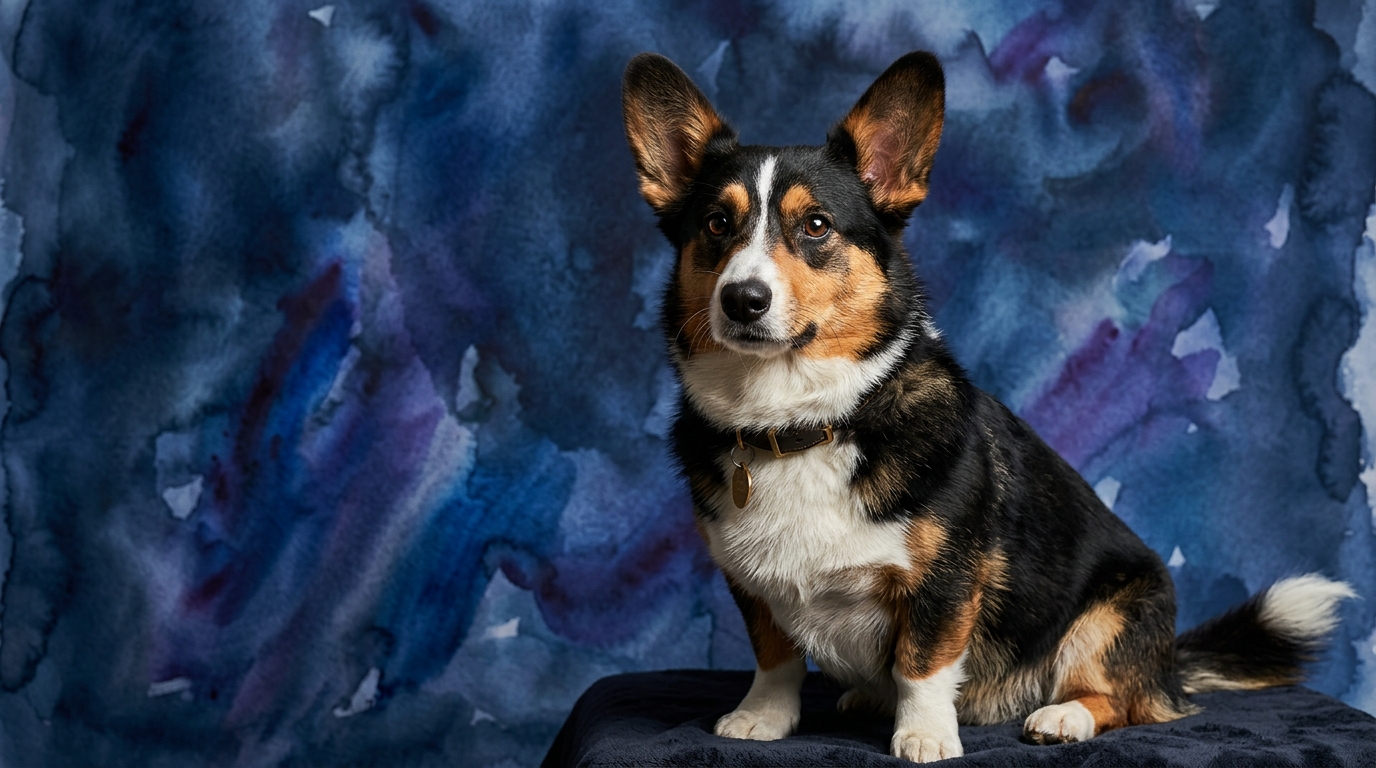
At The Cosmic Pet Pet IQ Lab, we evaluate canine intelligence across five key dimensions. For the Cardigan Welsh Corgi, a Herding breed ranked #26 by Coren, we observe a Problem Solving score of 4/5, indicating a strong capacity for strategic thought and independent solutions. Their Training Speed also stands at 4/5, reflecting a readiness to learn and a cooperative nature. Social Intelligence is rated 3/5, suggesting a balanced approach to interactions, while Instinctive Drive is 3/5, manifesting as manageable herding tendencies. Finally, their Memory is strong at 4/5, aiding in retaining complex information and routines.
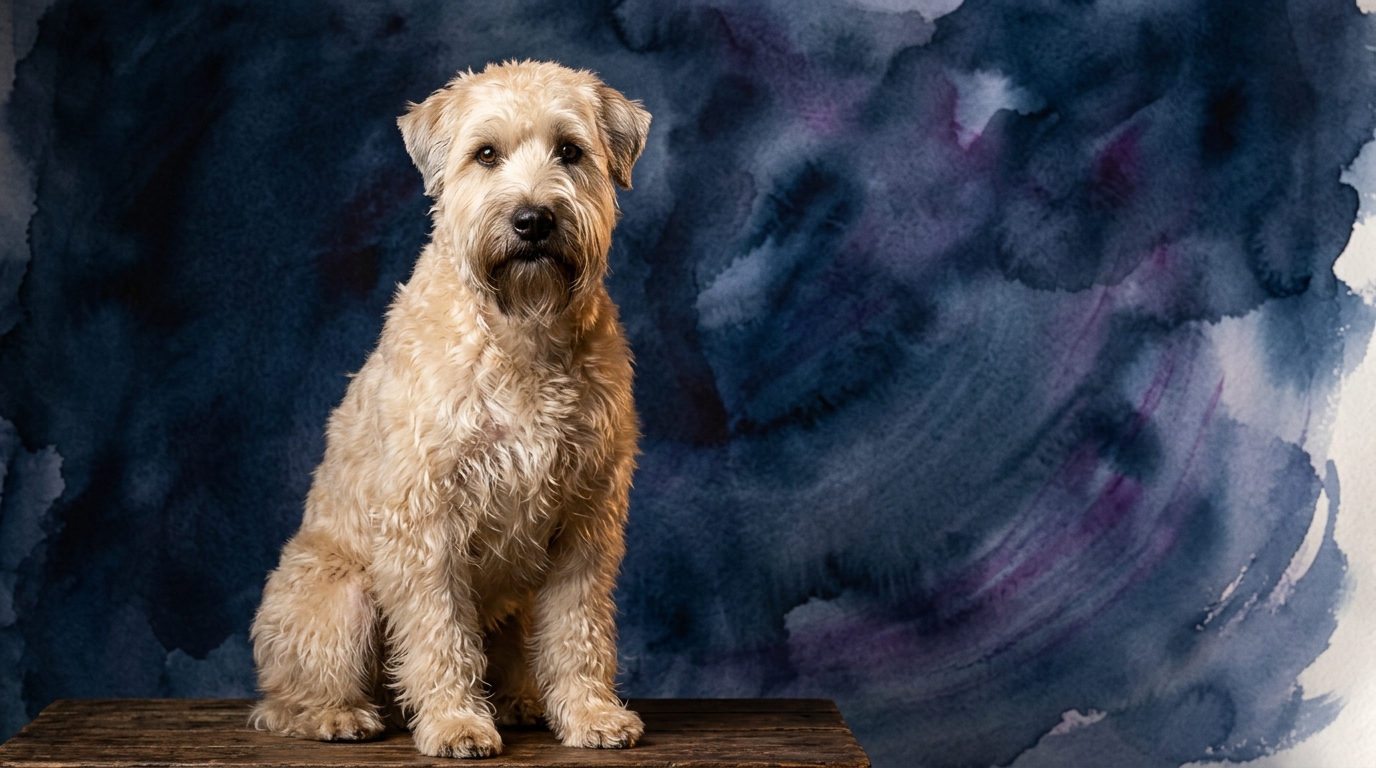
The Soft Coated Wheaten Terrier, a charming Terrier breed not Coren-ranked, presents a slightly different cognitive profile. Their Problem Solving is 3/5, characterized by persistence rather than complex strategy. Training Speed is 3/5, indicating they learn at a moderate pace, often with a touch of terrier independence. Social Intelligence is 3/5, marked by their enthusiastic greetings and playful nature. Instinctive Drive is 3/5, primarily expressed through chasing and digging, typical of their terrier heritage. Their Memory is also 3/5, functional for routines but perhaps less for intricate details than some other breeds.
Where the Cardigan Welsh Corgi Wins Cognitively
The Cardigan Welsh Corgi demonstrates clear cognitive advantages in several areas. Their Problem Solving at 4/5, compared to the Wheaten’s 3/5, highlights a greater capacity for strategic thinking. Corgis are more likely to analyze a situation and devise a multi-step solution, a trait honed by their herding duties where outsmarting livestock was essential. This translates to them figuring out complex puzzle toys or navigating environmental obstacles with a more calculated approach.
In Training Speed, the Corgi's 4/5 score outshines the Wheaten’s 3/5. This reflects their inherent willingness to cooperate and quickly grasp new commands, making them generally quicker to pick up new skills and obedience routines. Their herding background instilled a strong desire to work in partnership with humans. Furthermore, the Corgi’s 4/5 Memory rating, superior to the Wheaten’s 3/5, means they retain learned behaviors and environmental cues with greater fidelity, contributing to consistent performance and faster recall of past experiences.
Where the Soft Coated Wheaten Terrier Wins Cognitively
While the Wheaten Terrier’s raw scores might not surpass the Corgi’s, their cognitive strengths lie in the unique *nature* of their traits. Their 3/5 Problem Solving, though lower, is characterized by an unwavering tenacity. Wheatens excel at persistent effort, often demonstrating a singular focus on a goal, such as digging to reach a scent or relentlessly trying to access a toy. This specific kind of determined problem-solving can be a valuable asset for owners who appreciate a dog with relentless drive towards a chosen objective, even if the method is less strategic.
The Wheaten’s Social Intelligence, also 3/5, manifests in their distinctive 'wheaten greetin'' – a joyful, bouncy welcome. This immediate, effusive social engagement allows them to quickly establish positive connections, even if sometimes boisterous. This contrasts with the Corgi's more reserved initial assessment of social situations. The Wheaten's boundless optimism and resilience, while not a quantifiable score, are also unique cognitive qualities that foster an uplifting and engaging companionship, allowing them to bounce back quickly from minor setbacks.
Training: Corgi's Cooperation vs. Wheaten's Independence
When it comes to ease of training, the Cardigan Welsh Corgi generally holds an advantage. Their 4/5 Training Speed and cooperative herding instincts mean they are typically eager to please and respond well to consistent direction. Corgis are less likely to exhibit 'selective hearing' and often find satisfaction in performing tasks for their handler, making them amenable to learning complex sequences in obedience or agility.
The Soft Coated Wheaten Terrier, with a 3/5 Training Speed and a strong streak of terrier independence, can present more of a challenge. Wheatens understand commands but often require more patience, creative motivation, and consistency to ensure compliance. Their problem-solving (3/5) is driven by persistence, which can mean they persist in undesirable behaviors if not properly redirected. They may test boundaries and require an owner who can make training engaging and rewarding, often needing compelling reasons to choose handler-directed activity over self-initiated exploration.
Matching Canine Cognition to Lifestyle: Active vs. Relaxed Owners
For active owners, both breeds offer engaging companionship, but with different needs. The Cardigan Welsh Corgi thrives with structured activities like obedience, agility, or even herding trials, benefiting from an owner who can provide consistent mental stimulation and physical exercise. They appreciate having a 'job' to do and excel in environments where their intelligence is regularly challenged through learning and problem-solving games. Their stamina, despite their short legs, means they enjoy long walks and hikes.
The Soft Coated Wheaten Terrier suits active owners who enjoy playful, spontaneous engagement. Their energy is often expressed in bursts of enthusiastic play, chasing, and supervised digging. They need an owner who can channel their terrier exuberance into fun, interactive outlets, and who appreciates their sometimes-boisterous nature. While they enjoy walks, their exercise needs often lean towards playful interaction and exploration rather than formal, highly structured tasks.
For owners seeking a more relaxed pace, neither breed is truly suited for minimal interaction, as both require significant engagement. However, a Cardigan Welsh Corgi might be slightly more adaptable to an owner who prefers less intense physical activity but can commit to ample mental stimulation through puzzle toys, indoor games, and consistent training sessions. They are often content with shorter, frequent walks supplemented by brain games. The Wheaten Terrier, conversely, is less suited for a truly relaxed owner. Their playful energy and need for interaction mean they can become restless or destructive without sufficient outlets, demanding an owner ready for their spontaneous bursts of enthusiasm and playful demands.
The Verdict
If you value a dog that quickly learns complex commands, enjoys structured mental challenges, and exhibits a strategic approach to problem-solving, the Cardigan Welsh Corgi's herding intellect will be a rewarding match.
Opt for the Soft Coated Wheaten Terrier if you appreciate a dog with tenacious persistence, a joyful social demeanor, and a playful spirit that thrives on engaging, sometimes boisterous, interaction and needs an owner who can channel that independent spark.
🧠 Find Your Pet's IQ Score
Our Pet IQ Lab assessment covers 25+ tests across 5 cognitive dimensions — personalized to your breed.
Take the Full IQ Test →Frequently Asked Questions
Is the Cardigan Welsh Corgi always easier to train than the Wheaten Terrier?
Generally, yes, due to their higher training speed and cooperative nature stemming from their herding background. However, individual personalities vary, and a Wheaten with strong motivation can still be a quick learner, just often requiring more creative engagement from the owner.
How do their problem-solving styles differ in a home environment?
A Cardigan Corgi might strategically figure out how to open a cabinet by observing mechanisms, while a Wheaten Terrier is more likely to persistently paw, push, or dig at the cabinet until it yields. The Corgi often uses observation and planning, the Wheaten tenacity.
Do Soft Coated Wheaten Terriers have any unique cognitive strengths not captured by the 5 dimensions?
While not explicitly higher in score, their boundless optimism and 'joie de vivre' can be seen as a unique cognitive trait that fosters resilience and an unwavering positive outlook. This can make them particularly engaging and uplifting companions, even when faced with challenges.