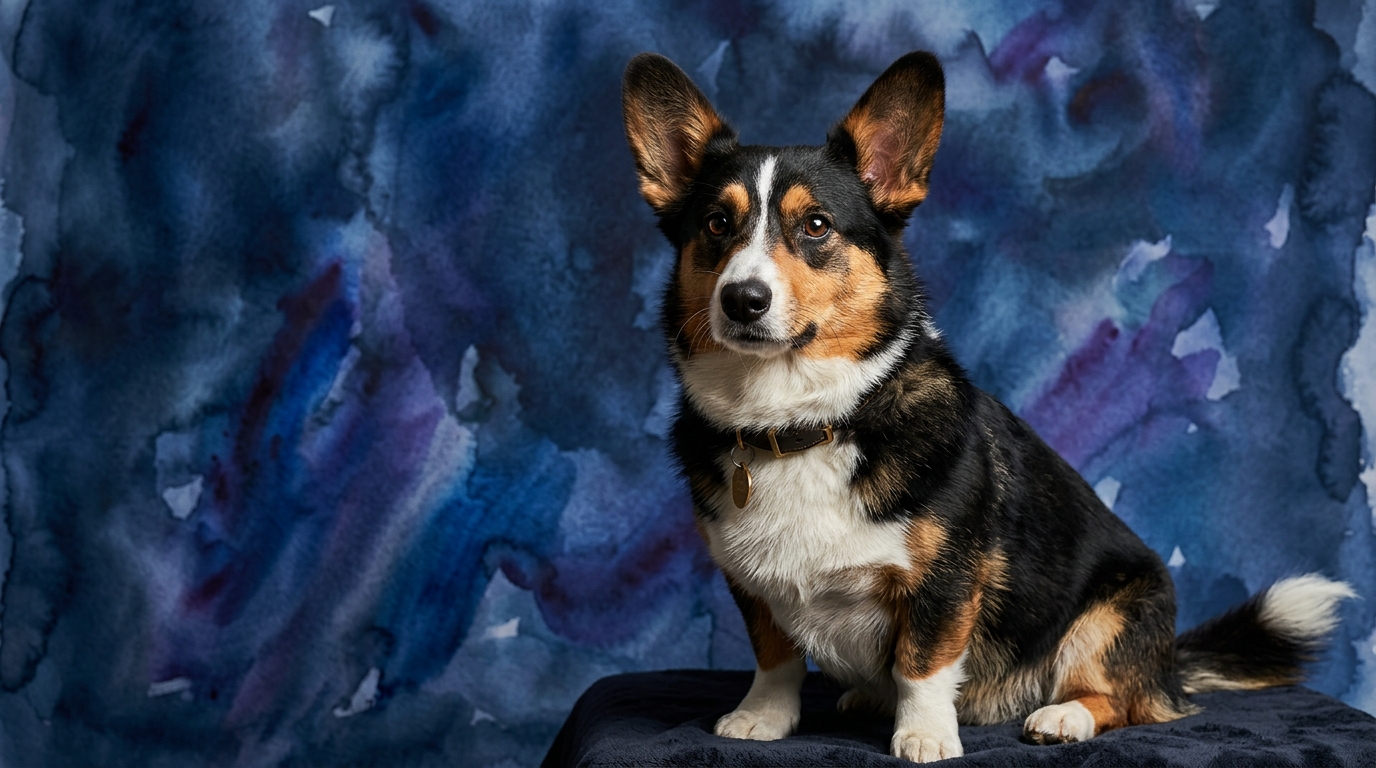
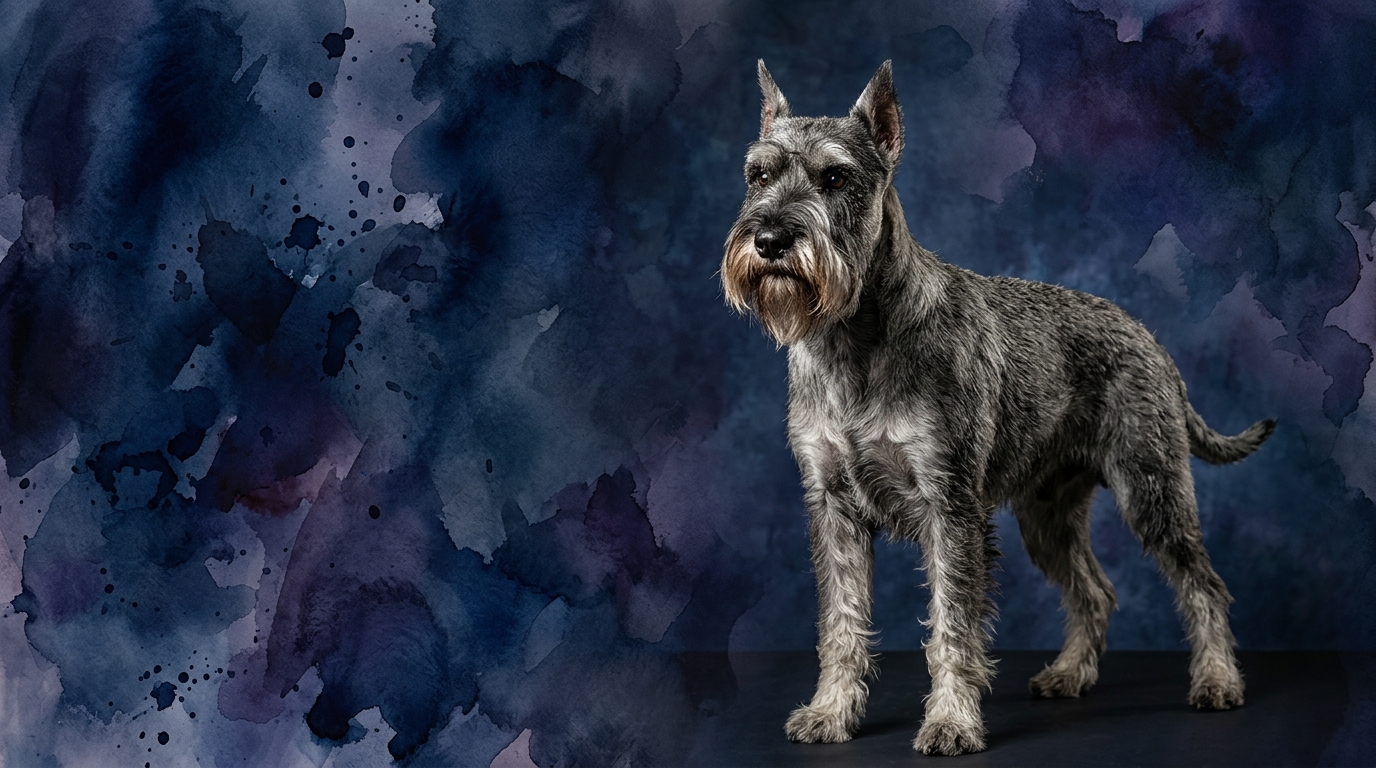
Side-by-Side Cognitive Profile
The Cosmic Pet Pet IQ Lab's assessment offers a granular view of each breed's cognitive strengths. Both the Cardigan Welsh Corgi and the Standard Schnauzer achieve a 4/5 in Problem Solving, indicating a robust capacity for independent thought and navigating complex situations. For the Corgi, this often manifests in their herding lineage, where they independently assess and maneuver livestock, demonstrating strategic spatial reasoning. The Schnauzer's problem-solving acumen, conversely, shines in its historical role as a farm dog, adept at vermin control and assessing potential threats with a discerning eye.
In Training Speed, both breeds again score an impressive 4/5. This suggests that both are quick to grasp new commands and routines, though the underlying motivations for this rapid learning can differ. A Corgi's responsiveness often stems from an eagerness to engage with their handler and channel their innate herding drive into directed tasks. The Schnauzer, while equally swift in learning, approaches training with a purposeful focus, often viewing commands as a 'job' to be efficiently executed, reflecting its working dog heritage.
Social Intelligence stands at 3/5 for both, indicating a moderate level of attunement to human cues and social dynamics. Corgis, while affectionate with their families, maintain a degree of independent thought that can sometimes override strict adherence to social niceties, particularly when their herding instincts are triggered. Schnauzers, fiercely loyal to their immediate family, can be reserved and discerning with strangers, their social intelligence geared more towards protecting their inner circle rather than universal amiability.
Instinctive Drive is rated 3/5 for both, highlighting purposeful, ingrained behaviors. The Corgi's drive is primarily rooted in herding, manifesting as a desire to gather, direct, and sometimes 'manage' their environment and its inhabitants, including human family members. The Schnauzer's instinctive drive is multi-faceted, encompassing a strong prey drive for small vermin, a vigilant territorial instinct, and a protective loyalty that underpins its working capabilities. These drives, while moderate, require thoughtful channeling.
Finally, Memory is rated 4/5 for both breeds. This robust memory allows Corgis to retain complex routines, remember boundaries, and recall learned commands over extended periods, crucial for effective herding. Standard Schnauzers similarly exhibit excellent memory, vital for remembering specific training sequences, recognizing familiar faces, and maintaining spatial awareness of their designated territories, ensuring consistent performance in their roles.
Where the Cardigan Welsh Corgi Wins Cognitively
While their IQ scores appear strikingly similar, the Cardigan Welsh Corgi distinguishes itself in its application of problem-solving within dynamic, fluid environments, particularly those requiring nuanced, non-verbal communication. Their herding background has honed an exceptional ability to read subtle cues from livestock and adjust their tactics instantly, often without direct command. This involves complex spatial reasoning – predicting movements, anticipating reactions, and strategically positioning themselves to guide animals. Their problem-solving isn't just about following instructions; it's about independent, adaptive decision-making in a constantly changing field.
The Corgi's memory, rated 4/5, is particularly adept at recalling sequences of actions and understanding cause-and-effect in a practical sense, such as remembering which actions elicit desired responses from livestock or people. This allows them to develop sophisticated strategies for 'managing' their environment, often leading them to be quite resourceful in manipulating situations to their advantage, whether it's herding children away from danger or orchestrating playtime. Their capacity for self-directed initiative within a complex, unstructured task gives them a unique cognitive edge.
Where the Standard Schnauzer Wins Cognitively
The Standard Schnauzer's cognitive strengths lean towards vigilance, strategic defense, and a steadfast focus on utilitarian tasks, a testament to its Coren rank of #22, slightly ahead of the Corgi's #26. Their problem-solving (4/5) is often applied to discerning threats and executing precise, goal-oriented actions, such as effective vermin control or guarding. This involves a higher degree of sustained attention and a methodical approach to tasks that require precision and determination. They excel at understanding and executing multi-step commands, particularly when the task has a clear objective.
Their memory (4/5) is keenly tuned to remembering specific protocols and recognizing patterns associated with security and territory. A Schnauzer will remember who belongs and who doesn't, and will recall specific training routines with impressive fidelity, making them exceptionally reliable in roles requiring consistency. Their social intelligence, while rated 3/5, is specifically geared towards loyalty and protection, meaning they are acutely aware of their family's safety and well-being, often demonstrating a sophisticated understanding of subtle changes in their human companions' demeanor that might signal a need for their protective instincts to activate.
Which is Easier to Train and Why
Both breeds boast a training speed of 4/5, suggesting rapid learning, but the 'ease' of training is highly dependent on the handler's approach and understanding of their inherent behavioral nuances. The Cardigan Welsh Corgi is generally eager to please and responsive to positive reinforcement, often thriving in engaging, game-based training. However, their independent herding nature means they can be opinionated and occasionally stubborn, particularly if they perceive a task as illogical or if their herding instincts clash with a command. They might attempt to 'manage' the training session themselves, requiring a handler who can channel their drive constructively.
The Standard Schnauzer, while equally quick to learn, often requires a more structured, consistent approach. Their working dog mentality means they appreciate clear expectations and firm, fair leadership. They are less forgiving of inconsistencies in training and can become frustrated or pushy if they sense a lack of direction. While they learn quickly, their strong will and protective instincts necessitate early and consistent socialization and obedience to ensure they channel their impressive capabilities appropriately. Neither is inherently 'easier,' but the Corgi might be more amenable to a flexible, playful trainer, while the Schnauzer thrives under a confident, consistent leader who provides purpose-driven tasks.
Which Suits Active Owners vs Relaxed Owners
Neither the Cardigan Welsh Corgi nor the Standard Schnauzer can be accurately described as suitable for truly 'relaxed' owners in the sense of a low-energy, minimal-engagement companion. Both breeds possess significant mental and physical energy that requires consistent outlets. The Cardigan Welsh Corgi, despite its short stature, is a robust herding dog requiring daily physical activity like long walks, hikes, or engaging dog sports such as agility or herding trials. Their sharp minds also demand mental stimulation through puzzle toys, training sessions, and interactive play; without adequate engagement, they can become bored and resourceful in undesirable ways. They need owners who are active and willing to provide consistent mental challenges.
The Standard Schnauzer, with its working dog background, demands an even more intensive lifestyle. They are robust, athletic, and possess a tenacious drive that requires substantial daily exercise – think vigorous runs, advanced obedience, tracking, or protection work. Their mental needs are equally high; they thrive on having a 'job' and can become destructive or vocal if under-stimulated. Owners seeking a Standard Schnauzer should be highly active, committed to structured training, and prepared to integrate their dog into a busy, purposeful lifestyle. They are not suited for owners seeking a low-maintenance companion.
The Verdict
Choose a Cardigan Welsh Corgi if you seek a clever, adaptable companion who enjoys engaging in varied activities, appreciates a dog with an independent streak, and can manage a strong herding drive in a home setting with consistent mental and physical engagement.
Opt for a Standard Schnauzer if you are an active owner who thrives on providing structured training and a 'job' for your dog, enjoys robust outdoor activities, and appreciates a discerning, protective companion with a serious work ethic and strong personality.
🧠 Find Your Pet's IQ Score
Our Pet IQ Lab assessment covers 25+ tests across 5 cognitive dimensions — personalized to your breed.
Take the Full IQ Test →Frequently Asked Questions
Are Cardigan Welsh Corgis prone to stubbornness?
Cardigan Welsh Corgis can exhibit what appears to be stubbornness, but it often stems from their independent herding intelligence and strong will. They are capable of making their own decisions in the field, so they may question commands if they don't perceive a clear purpose, requiring patient and consistent motivation.
Do Standard Schnauzers bark excessively?
Standard Schnauzers have a natural inclination to be vigilant and protective, which means they can be prone to barking as a warning or to alert their family. Early training and socialization are crucial to manage this instinct, teaching them when it's appropriate to vocalize and when to remain quiet.
Which breed is better with children?
Both breeds can be good with children, but require supervision and proper socialization due to their instincts. Corgis, with their herding drive, might try to 'herd' children by nipping at heels, while Schnauzers, being protective, need careful introduction to ensure they discern friends from perceived threats, especially with boisterous play.