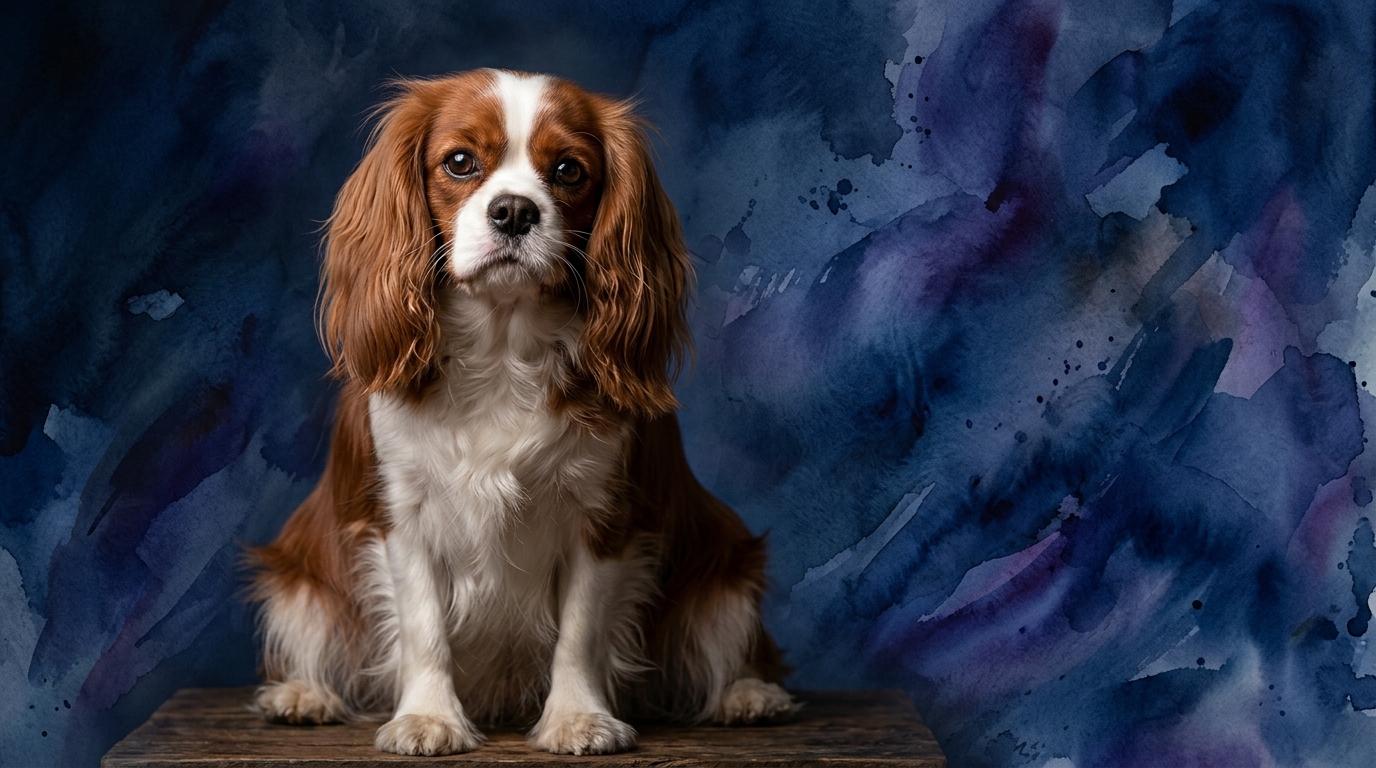
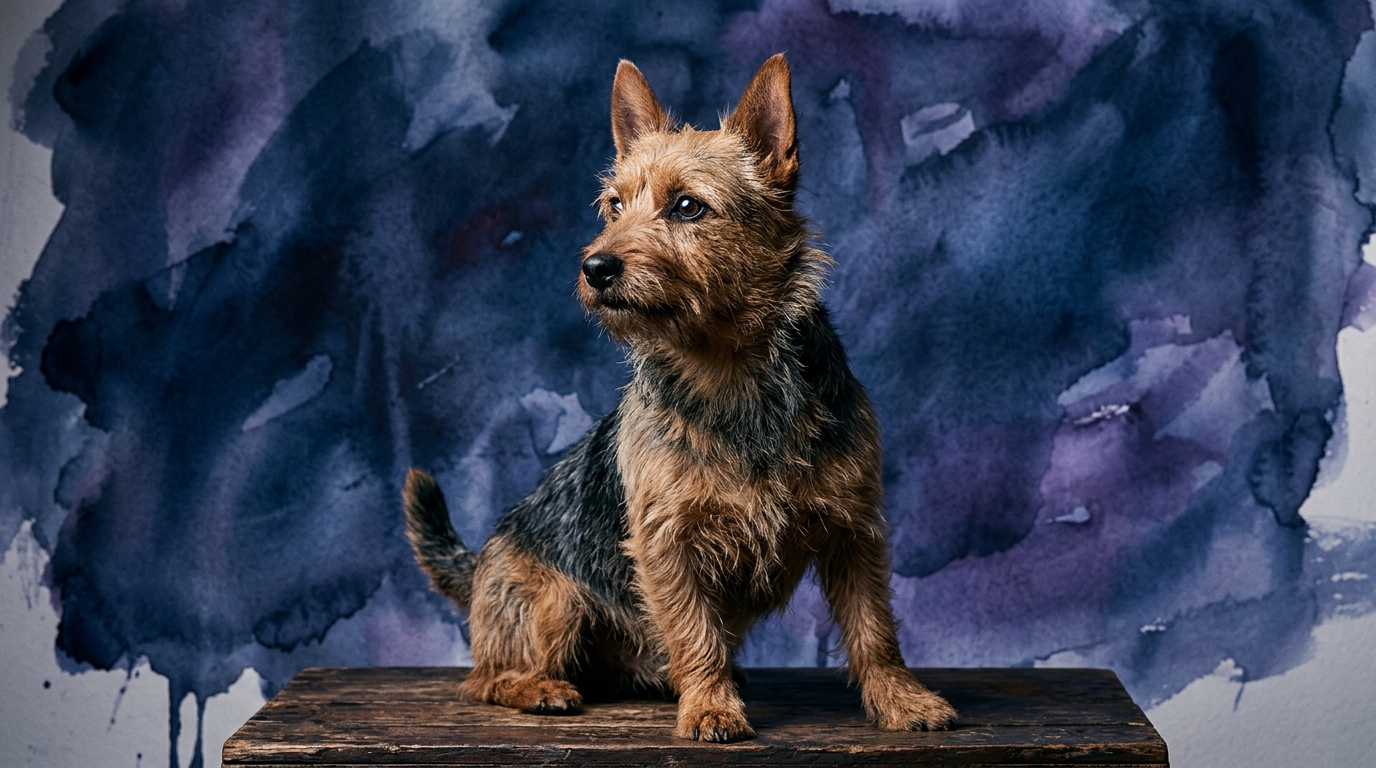
Side-by-Side IQ Profile: Cavalier King Charles Spaniel vs Australian Terrier
The Cosmic Pet Pet IQ Lab provides a five-dimensional cognitive framework to understand canine intelligence, moving beyond simple obedience to encompass a holistic view of a dog's mental landscape. For the Cavalier King Charles Spaniel, their profile reveals a particular strength in social understanding, while the Australian Terrier, though sharing some similar ratings, applies its cognitive skills with a distinct terrier tenacity.
**Cavalier King Charles Spaniel IQ Profile:** Problem Solving (3/5): Cavaliers possess a moderate capacity for independent problem-solving. They can figure out simple puzzles or routines but might rely more on human guidance for complex tasks rather than persistent trial-and-error. Their approach is often cooperative, seeking interaction rather than solitary conquest of a challenge. Training Speed (3/5): These companion dogs learn new commands at a steady pace. While not the fastest to grasp complex sequences, their eagerness to please and strong bond with their handler make them receptive to consistent, positive reinforcement training methods. They respond well to gentle persuasion. Social Intelligence (5/5): This is where Cavaliers truly shine. Their exceptional social intelligence allows them to keenly read human emotions, intentions, and social cues. They excel at forming deep emotional bonds, understanding household dynamics, and adapting their behavior to maintain harmony, making them superb emotional support animals. Instinctive Drive (3/5): Cavaliers retain a moderate level of instinctive drive, primarily related to their historical role as lap dogs and gentle companions. While they may show a mild interest in chasing small critters, their prey drive is generally low, and their herding instincts are minimal. Their primary instinct is often to be near their people. Memory (3/5): Their memory is solid for routines, familiar people, and learned commands. They can recall training cues and recognize faces and places over time, though perhaps not with the same precision as breeds bred for complex, multi-stage tasks. Consistency in training reinforces their recall.
**Australian Terrier IQ Profile:** Problem Solving (3/5): Australian Terriers demonstrate a capable level of problem-solving, particularly when it involves reaching a desired object or navigating an obstacle. Their terrier tenacity means they might approach challenges with more independent persistence than a Cavalier, driven by their inherent drive to investigate and overcome. Training Speed (3/5): Similar to Cavaliers, Australian Terriers learn new commands at a moderate pace. However, their training speed can be influenced by their independent terrier spirit. While they are capable of learning, their attention might sometimes be diverted by environmental stimuli, requiring engaging and consistent methods to maintain focus. Social Intelligence (3/5): Australian Terriers possess a practical social intelligence. They understand pack hierarchies and can bond strongly with their families, but their primary focus isn't necessarily on mirroring human emotions to the extent of a Cavalier. They are observant and can read cues, but might interpret them through a lens of self-interest or a desire for action. Instinctive Drive (3/5): Their instinctive drive, while rated similarly to the Cavalier, manifests very differently. Australian Terriers carry the strong terrier drive for digging, chasing small prey, and patrolling. This drive is rooted in their history as vermin hunters and can be a significant factor in their daily behavior and training needs. Memory (3/5): Australian Terriers exhibit a reliable memory for routines, learned commands, and particularly for the location of interesting smells or potential “prey” in their environment. They recall past experiences, both positive and negative, influencing their future reactions to similar situations.
Where the Cavalier King Charles Spaniel Wins Cognitively
The Cavalier's unparalleled Social Intelligence (5/5) is its defining cognitive advantage, setting it apart in emotional and relational capacities. This isn't merely about being friendly; it's a sophisticated ability to interpret subtle human cues, emotional states, and social dynamics with remarkable accuracy. A Cavalier can often sense when its owner is distressed and offer comfort without explicit prompting, or adapt its play style to a gentle child, demonstrating a profound empathy and attunement to the emotional climate of its human family. This emotional resonance translates into a dog that often anticipates needs, responds intuitively to mood shifts, and integrates seamlessly into the family's emotional landscape, creating a bond that feels deeply reciprocal. Their cognitive strength lies in understanding and navigating the complexities of human-canine social interaction with remarkable finesse, making them exceptionally responsive and intuitive companions who excel at fostering deep, comforting connections.
Where the Australian Terrier Wins Cognitively
While their Problem Solving (3/5) and Training Speed (3/5) are rated similarly to the Cavalier, the Australian Terrier's cognitive advantage comes from how these traits combine with their distinctive terrier tenacity and Instinctive Drive (3/5). When faced with a task, an Aussie is more likely to apply persistent, independent thought to overcome it, especially if the challenge involves digging, chasing, or manipulating objects to achieve a goal. Their cognitive strength lies in a robust, self-directed engagement with their environment, driven by an innate curiosity and a desire to 'work' at tasks they find stimulating. This manifests as a resourceful determination to explore, investigate, and sometimes outsmart their surroundings, making them adept at navigating complex outdoor environments or engaging with puzzle toys that require a more hands-on, persistent approach. Their cognitive 'win' is in their unwavering, independent resolve to solve practical, often physically demanding, problems.
Which is Easier to Train and Why
The Cavalier King Charles Spaniel generally presents as the easier breed to train due to its exceptional Social Intelligence (5/5) and lower, more manageable instinctive drives. Cavaliers are inherently motivated to please their human companions and thrive on positive interaction, making them highly receptive to instruction. Their strong desire for connection means they are often eager to comply, viewing training as an opportunity to deepen their bond. While their Training Speed is 3/5, their willingness to engage and their cooperative nature mean they are less likely to become distracted by external stimuli or exhibit stubbornness. They respond beautifully to gentle, consistent reinforcement, making the training process a rewarding experience for both dog and owner, building a foundation of trust and understanding.
The Australian Terrier, with its Problem Solving (3/5) and Training Speed (3/5) matching the Cavalier, can also be trained effectively, but their strong Instinctive Drive (3/5) and more independent Social Intelligence (3/5) introduce different considerations. Their terrier heritage imbues them with a natural inclination to explore, dig, and chase, which can sometimes override their desire to comply. Training an Australian Terrier requires more creativity, engaging their intelligence with varied tasks, and consistent management of their innate drives. They might be less inclined to blindly follow commands if something more interesting, like a squirrel or a captivating scent, captures their attention. Success with an Aussie hinges on making training fun, stimulating, and demonstrating why cooperation benefits them, rather than simply relying on their desire to please. This isn't to say they are difficult, but rather that their independent spirit requires a more nuanced, engaging approach than the naturally compliant Cavalier.
Which Suits Active Owners vs. Relaxed Owners
For relaxed owners seeking a devoted, emotionally attuned companion, the Cavalier King Charles Spaniel is an ideal fit. Their moderate instinctive drive and profound social intelligence mean they are content with gentle walks, cuddle sessions on the couch, and being an integral part of daily family life without demanding intense physical exertion. While they certainly enjoy play, their energy levels are generally manageable, and their greatest joy comes from close companionship, making them perfect for those who prioritize quiet connection over strenuous activity. Their adaptability allows them to thrive in various living situations, from apartments to larger homes, as long as they receive consistent human interaction and affection, truly embodying the role of a gentle lapdog.
Active owners who appreciate a spirited, tenacious companion will find the Australian Terrier more suitable. Despite their small size, Aussies possess a robust energy level and a strong desire for engagement that aligns well with an active lifestyle. Their innate drives for exploration and 'work' mean they benefit from regular walks, opportunities for off-leash play in secure areas, and mental stimulation through training, puzzle toys, or even dog sports like agility. They thrive with owners who can channel their terrier enthusiasm into constructive activities, providing outlets for their digging, chasing, and investigating instincts. An Australian Terrier needs more than just a relaxed presence; they need an owner ready to actively engage their body and mind with purpose and consistency.
The Verdict
Choose the Cavalier King Charles Spaniel if your priority is an exceptionally empathetic, emotionally responsive companion who excels at social bonding and provides gentle, unwavering affection, fitting seamlessly into a relaxed household.
Opt for the Australian Terrier if you seek a plucky, independent, and energetic companion who thrives on engagement, enjoys problem-solving tasks, and aligns with an owner prepared for consistent mental and physical stimulation.
🧠 Find Your Pet's IQ Score
Our Pet IQ Lab assessment covers 25+ tests across 5 cognitive dimensions — personalized to your breed.
Take the Full IQ Test →Frequently Asked Questions
Are Cavaliers or Australian Terriers better with children?
Cavaliers, with their superior social intelligence and gentle nature, often adapt exceptionally well to children, especially when properly socialized, becoming patient and affectionate playmates who understand boundaries. Australian Terriers can also be good with children, but their terrier energy and independent streak mean they might prefer slightly older, respectful children who understand how to interact with a more spirited dog.
Do Australian Terriers require more grooming than Cavaliers?
Australian Terriers have a wiry, double coat that requires regular brushing to prevent matting and occasional hand-stripping or professional grooming to maintain its texture and health, making their grooming needs somewhat more involved. Cavaliers have a silky, medium-length coat that requires frequent brushing to prevent tangles and moderate attention to feathering, but generally less specialized grooming than an Aussie.
How do their barking habits compare?
Cavaliers are generally not excessive barkers, typically vocalizing to alert their owners or express excitement, making them relatively quiet companions. Australian Terriers, being terriers, are more prone to barking as part of their instinctive drive to alert or react to perceived intruders or interesting stimuli, requiring consistent training to manage their vocal tendencies.