
Side-by-Side IQ Profile: A Tale of Two Canines
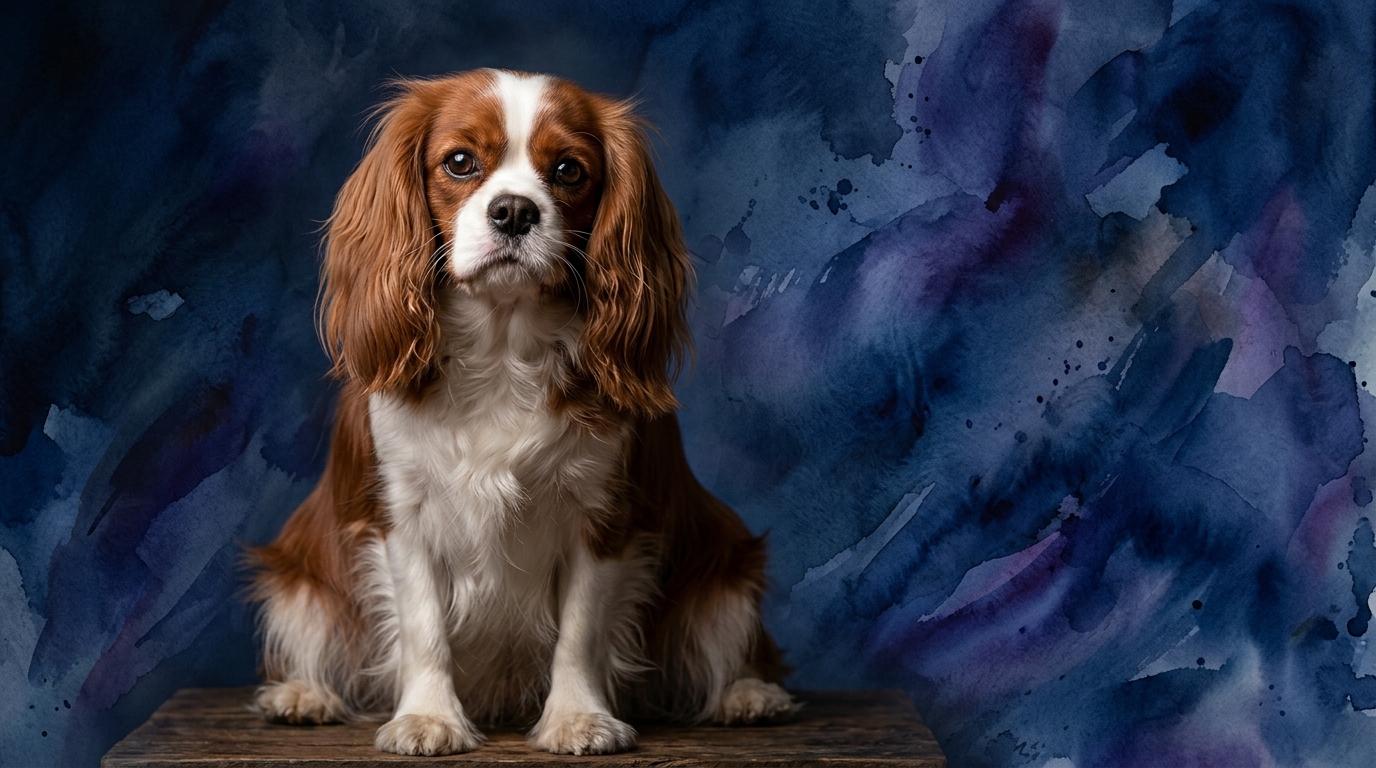
**Cavalier King Charles Spaniel (Coren Rank #44):** This breed, often celebrated for its gentle nature, presents a distinct cognitive blueprint. Their Problem Solving (3/5) indicates a moderate capacity for navigating novel challenges, often relying on human companions for guidance rather than independent strategizing. Their Training Speed (3/5) suggests they acquire new commands at an average pace, responding well to consistent positive reinforcement. However, their Social Intelligence (5/5) is a standout trait; Cavaliers excel at understanding human emotions, cues, and intentions, forming exceptionally attuned, empathetic bonds. Their Instinctive Drive (3/5), while present with curiosity and a mild prey drive, is generally balanced and rarely overrides their desire for human interaction. Finally, their Memory (3/5) is average for commands, routines, and experiences, though refreshers may be needed for less frequent tasks.
**Basset Hound (Coren Rank #71):** The Basset Hound, with its distinctive appearance and history as a scent hound, demonstrates a different cognitive emphasis. Their Problem Solving (3/5) is less about abstract reasoning and more about persistent, methodical exploration of their environment, primarily through their nose. Their Training Speed (3/5) is moderate, but their independent nature and strong olfactory focus can sometimes make them appear less eager to comply, requiring immense consistency and patience. Basset Hounds show a Social Intelligence (3/5) that focuses more on pack dynamics; while affectionate, they are less intensely "tuned in" to nuanced human emotional mirroring compared to some breeds. Their Instinctive Drive (3/5) is profoundly centered around scent work, possessing an unwavering determination to follow a trail, a powerful trait that forms the core of their being. Their Memory (3/5) is average for routes, scent trails, and routines, particularly remembering places associated with interesting smells.
Where the Cavalier King Charles Spaniel Shines Cognitively
The Cavalier King Charles Spaniel truly shines in social intelligence, scoring a perfect 5/5. This remarkable aptitude means they possess an innate ability to read and respond to human emotions and intentions with exceptional sensitivity. They are masters of empathy, often anticipating their owner's needs and offering comfort precisely when desired. This high social IQ translates into a dog deeply connected to its human family, understanding subtle cues from tone of voice and body language. Their problem-solving often involves seeking human assistance, highlighting their reliance on this social bond. This strength makes them unparalleled companions for those seeking a deeply empathetic and responsive canine presence.
Where the Basset Hound Demonstrates Unique Strengths
While not outscoring the Cavalier in all numerical terms, the Basset Hound's cognitive strengths are profoundly unique and specialized, particularly in their instinctive drive and its application to problem-solving. Their 3/5 instinctive drive is a powerful, singular focus on scent. A Basset's problem-solving (also 3/5) is intrinsically linked to their olfactory prowess; they excel at unraveling complex scent puzzles, meticulously tracking trails that overwhelm other breeds. Their cognitive process is one of relentless, low-to-the-ground investigation, employing an unparalleled sense of smell to navigate their world. This persistence, combined with their extraordinary nose, allows them to 'solve' environmental mysteries invisible to humans, making their profile uniquely adapted for tasks requiring unwavering scent focus.
Trainability: A Question of Motivation and Connection
When comparing trainability, both breeds share a 3/5 training speed, suggesting they learn new commands at a moderate pace. However, the *ease* of training differs significantly due to their distinct social intelligence and instinctive drives. The Cavalier King Charles Spaniel, with its exceptional 5/5 social intelligence, often proves easier to train from a handler's perspective. Their profound desire to please, coupled with their ability to read human cues, makes them highly responsive to positive reinforcement and eager to engage in training as a form of bonding. They are motivated by praise and affection, which helps them overcome any moderate learning speed.
In contrast, the Basset Hound's training experience can be more nuanced. While capable learners (3/5 training speed), their 3/5 social intelligence means they are less driven by a strong desire to please and more by their own internal motivations, especially their powerful instinctive drive for scent. A Basset might understand a command but choose not to execute it if a compelling scent trail captures their attention. Training a Basset requires immense patience, consistency, and finding motivators that can compete with their olfactory interests. Their independent nature means they respond best to clear boundaries and a trainer who understands their innate priorities. Thus, while both learn at similar speeds, the Cavalier's social attunement generally makes the process feel more cooperative and less challenging for the average owner.
Lifestyle Match: Active Companion vs. Relaxed Explorer
The cognitive profiles offer clear indicators for owner lifestyles. The Cavalier King Charles Spaniel, with its 5/5 social intelligence and moderate instinctive drive, is ideal for owners seeking a deeply connected, responsive presence. They thrive on human interaction and emotional reciprocity, perfect for relaxed owners who enjoy quiet evenings, gentle walks, and constant companionship. Their moderate problem-solving and training speed mean they appreciate engaging activities but don't demand intense mental challenges or strenuous physical exertion. They are content being a beloved family member, easily adapting as long as they receive ample affection.
The Basset Hound suits owners appreciating a more independent, albeit affectionate, canine presence, particularly those who cater to a strong instinctive drive. While not requiring intense physical activity, Bassets need opportunities to engage their powerful olfactory senses. This means relaxed owners who enjoy leisurely, scent-driven walks where the Basset can "read the newspaper" (explore smells) will find a perfect match. Their problem-solving is often self-directed through scent, so owners shouldn't expect constant human-initiated games. They are content to potter about the yard, following interesting smells, then settling for a nap. An owner respecting the Basset's unique priorities – independent exploration and affectionate lounging – will find a rewarding relationship.
The Verdict
Opt for a Cavalier if you prioritize a highly empathetic, emotionally responsive companion who thrives on close human connection and will eagerly participate in family life, offering gentle affection and easy trainability.
Select a Basset Hound if you appreciate an independent, good-natured companion with an unparalleled sense of smell, and you're prepared to accommodate their strong instinctive drive for scent exploration during relaxed, meandering outings.
🧠 Find Your Pet's IQ Score
Our Pet IQ Lab assessment covers 25+ tests across 5 cognitive dimensions — personalized to your breed.
Take the Full IQ Test →Frequently Asked Questions
Is a Cavalier King Charles Spaniel good with children?
Yes, their high social intelligence and gentle nature make them excellent with children, as they are typically patient, adaptable, and enjoy being part of family activities, often forming strong bonds with young ones.
Do Basset Hounds bark a lot?
Basset Hounds are known for their distinctive "baying" bark, which they use to alert or express themselves, especially when following a scent. While not constant, their vocalizations can be deep and resonant, and they will use them when motivated.
What kind of mental stimulation do these breeds need?
Cavaliers thrive on social interaction, gentle play, and basic obedience training, finding mental stimulation in their bond with humans. Bassets require mental engagement through scent work, such as structured sniff games or allowing ample time for sniffing on walks, which satisfies their innate drive.