
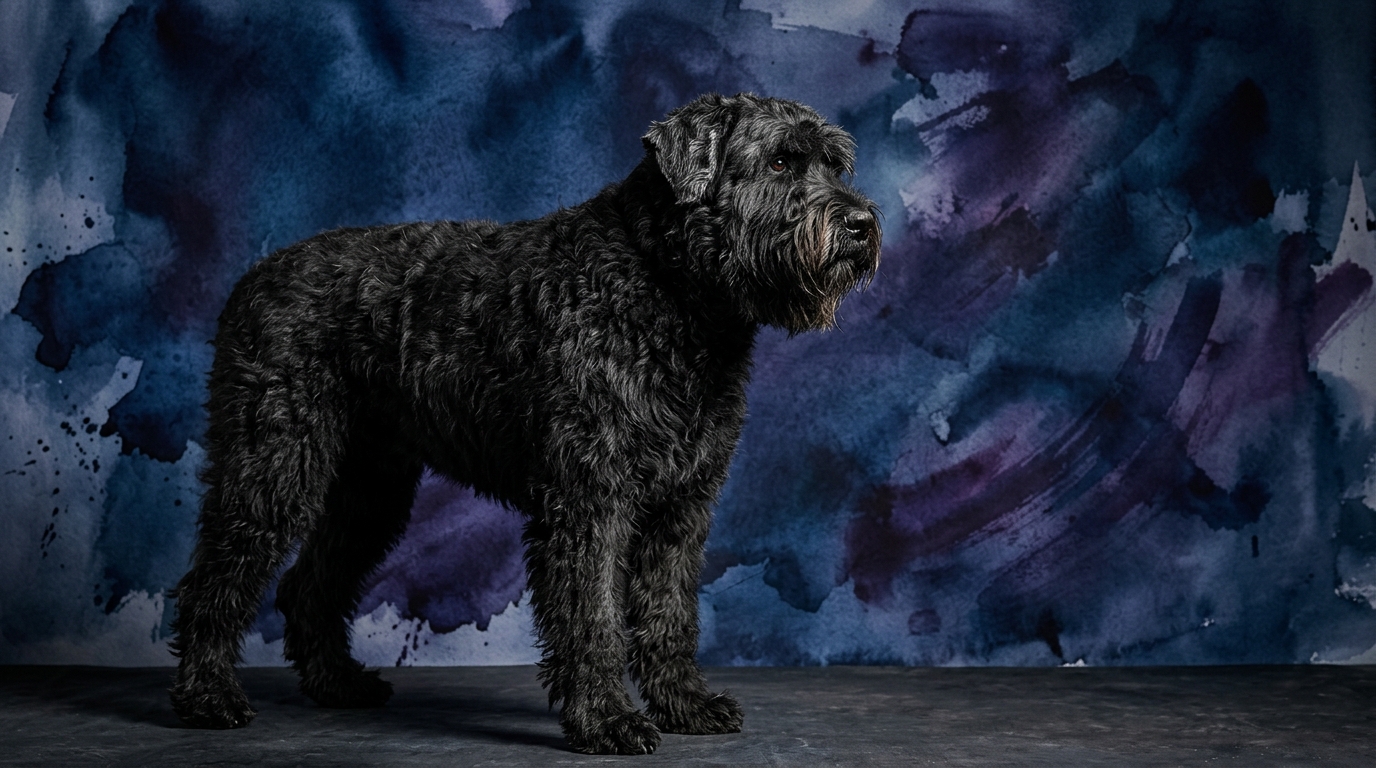
Side-by-Side IQ Profile: Cavaliers and Bouviers
The Cosmic Pet Pet IQ Lab employs five key dimensions to map a breed's cognitive strengths, offering a nuanced look beyond simple rankings. For the Cavalier King Charles Spaniel, a Coren rank of #44 places them squarely within the average working/intelligence category for obedience and working IQ, indicating a capable learner. Their Problem Solving is rated at 3/5, suggesting they can navigate moderately complex scenarios and adapt to routines with a reasonable degree of ingenuity. Training Speed also scores 3/5, meaning they absorb new commands at a moderate pace, typically requiring consistent but not overly repetitive instruction. Where Cavaliers truly shine is their Social Intelligence, earning a perfect 5/5. This dimension reflects an exceptional attunement to human emotions, intentions, and subtle social cues, making them profoundly empathetic and cooperative companions. Their Instinctive Drive is 3/5, indicating a moderate level of inherent urges like chasing or scenting, which are generally manageable and not dominant in their behavioral profile. Finally, their Memory is 3/5, allowing them to retain learned information, commands, and past experiences with moderate reliability.
In contrast, the Bouvier des Flandres, a breed not specifically ranked by Coren, presents a profile marked by steadfastness and a working heritage. Their Problem Solving mirrors the Cavalier at 3/5, demonstrating an ability to assess situations and find solutions, often with a more independent, task-oriented approach suited to their original roles. Training Speed also sits at 3/5, suggesting they learn new commands at a moderate rate. However, their learning process often benefits from clear, purposeful direction rather than solely social motivation. The Bouvier's Social Intelligence is 3/5, indicating a strong bond with their family but a more reserved demeanor with strangers and less reliance on overt human social cues for motivation compared to the Cavalier. Their Instinctive Drive, also 3/5, manifests as a strong working ethic, guarding instincts, and a desire for purpose, which needs appropriate channeling. Their Memory, at 3/5, is sufficient for retaining complex working sequences and established routines, critical for a breed historically tasked with demanding duties.
Where the Cavalier King Charles Spaniel Excels Cognitively
The Cavalier King Charles Spaniel's undisputed cognitive strength lies in their exceptional Social Intelligence, scoring a full 5/5. This isn't merely about being friendly; it's a profound ability to interpret and respond to human emotions and intentions with remarkable accuracy. Cavaliers are masters of reading their owners' moods, often anticipating needs for comfort or companionship without explicit commands. This makes them unparalleled emotional support animals and deeply intuitive family members. Their high social cognition allows them to integrate seamlessly into diverse household dynamics, adapting their behavior to suit the energy and routines of those around them. This empathetic connection fosters a unique level of mutual understanding, making cohabitation remarkably harmonious and their presence genuinely comforting.
Where the Bouvier des Flandres Shows Unique Cognitive Strengths
While the Bouvier des Flandres shares 3/5 scores across most dimensions with the Cavalier, their cognitive strengths manifest in the *application* of these scores, particularly in their purposeful independence and steadfastness. Their 3/5 Problem Solving, combined with a 3/5 Instinctive Drive rooted in herding and guarding, means they excel in tasks requiring self-reliance and thoughtful execution. Unlike the Cavalier's socially-driven approach, the Bouvier's cognitive process is geared towards assessing a situation and acting with a degree of autonomous judgment, essential for a working dog. They can process commands and situations, then apply their moderate memory and problem-solving skills to complete a task, even if it requires a sustained, independent effort. This isn't about seeking constant human affirmation, but about fulfilling a perceived purpose with a serious, focused intensity that makes them formidable partners in demanding roles.
Ease of Training: Cavalier vs. Bouvier
When considering ease of training, the Cavalier King Charles Spaniel generally presents a more straightforward experience for the average owner. Their 5/5 Social Intelligence fuels a strong desire to please and connect with their handler, making them highly receptive to positive reinforcement. While their Training Speed is 3/5, their eagerness to cooperate often makes the learning process feel quicker and more intuitive, as they are actively seeking to understand and comply with human cues. Their moderate instinctive drives are less likely to conflict with training goals, allowing for a smoother, more companion-focused learning curve.
The Bouvier des Flandres, despite also having a 3/5 Training Speed, requires a more consistent, experienced, and confident trainer. Their 3/5 Social Intelligence means they value their bond but aren't solely motivated by pleasing. They respond best to clear, firm, and fair leadership that establishes a respectful partnership. Their working dog heritage and independent streak mean they might 'think' about a command rather than offering immediate, reflexive compliance. Training a Bouvier involves channeling their significant working drive and ensuring they understand the 'why' behind the task, making it a more engaging, but ultimately rewarding, challenge for those who appreciate a dog that thinks for itself.
Suitability for Active vs. Relaxed Owners
The Cavalier King Charles Spaniel is an ideal match for more relaxed owners. Their moderate exercise requirements mean they are content with daily walks and indoor playtime, thriving on companionship and close proximity to their family. They adapt readily to quieter household routines and are perfectly happy to curl up on the sofa for extended periods, making them excellent companions for those with a less active lifestyle or who live in smaller spaces. Their primary need is social interaction and affection, not intense physical exertion.
Conversely, the Bouvier des Flandres thrives with active owners who can provide ample physical and mental stimulation. As a former herding and cattle-driving dog, they possess a robust energy level and a strong desire for purpose. They require significant daily exercise, structured training, and ideally, a 'job' to do, whether it's advanced obedience, agility, protection work, or simply consistent, engaging outdoor adventures. Owners who appreciate a steadfast, capable partner for hiking, sports, or demanding training regimens will find the Bouvier a rewarding match, but those seeking a low-maintenance, sedentary companion will likely find their needs challenging to meet.
The Verdict
Choose the Cavalier King Charles Spaniel if you desire an emotionally attuned, adaptable companion who integrates seamlessly into family life, offering profound comfort and social connection.
Opt for the Bouvier des Flandres if you seek a steadfast, capable working partner or a robust family guardian who thrives on purpose, consistent leadership, and significant physical activity.
🧠 Find Your Pet's IQ Score
Our Pet IQ Lab assessment covers 25+ tests across 5 cognitive dimensions — personalized to your breed.
Take the Full IQ Test →Frequently Asked Questions
Is the Bouvier des Flandres difficult to train?
The Bouvier des Flandres isn't inherently difficult to train, but they require a consistent, confident leader who understands their independent and working temperament. They learn effectively with clear guidance and purpose, rather than relying solely on social cues for motivation.
Are Cavalier King Charles Spaniels good with children?
Yes, Cavalier King Charles Spaniels are typically excellent with children due to their high social intelligence, gentle nature, and adaptability. They are generally patient and enjoy being part of family activities, making them wonderful companions for young ones.
Does a Bouvier des Flandres need a 'job'?
While not always a formal occupation, a Bouvier des Flandres benefits greatly from having a purpose or consistent activity that channels their instinctive drive. This could include advanced obedience, agility, protection training, or simply engaging, structured daily exercise and mental challenges to keep them fulfilled.