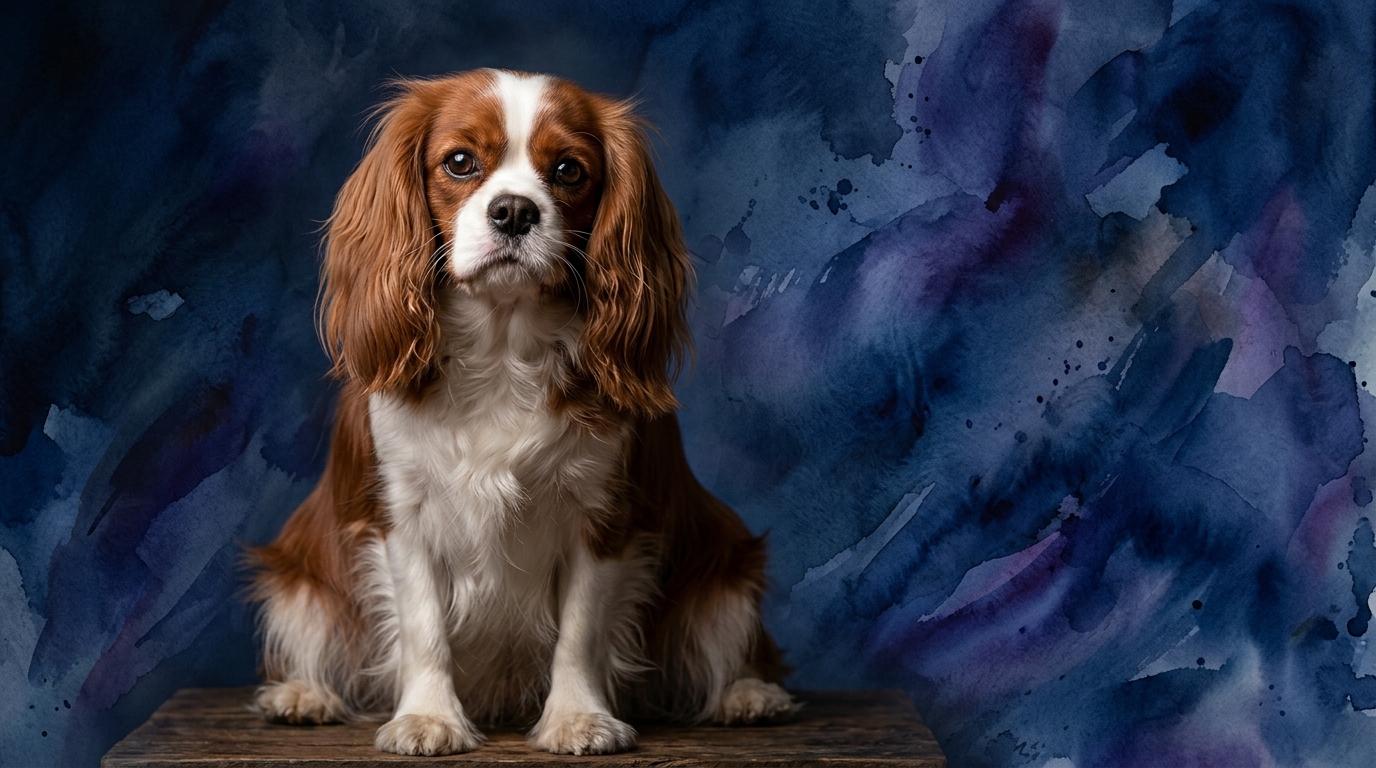
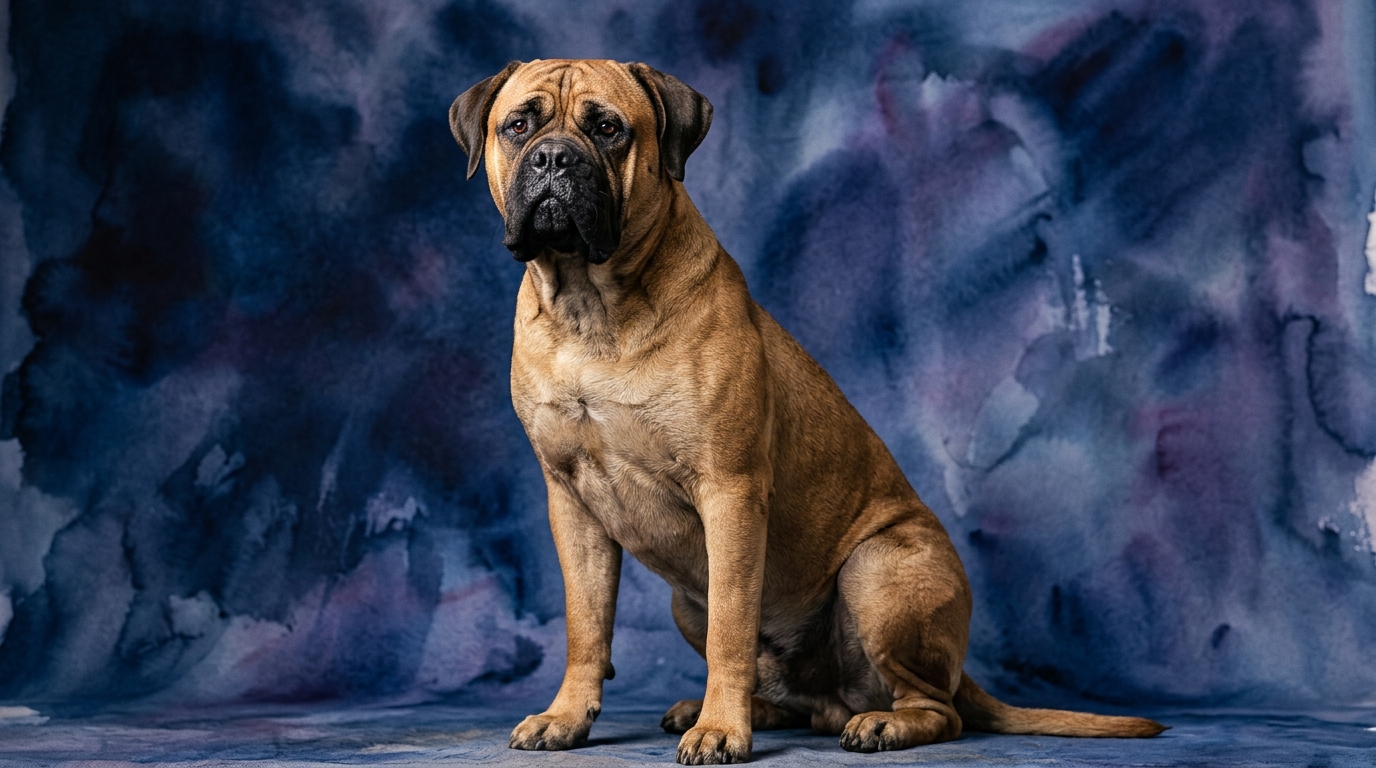
Side-by-Side Cognitive Profiles: Cavalier vs. Bullmastiff
At The Cosmic Pet Pet IQ Lab, we delve into five key dimensions of canine intelligence to provide a comprehensive understanding of each breed's cognitive make-up. For the Cavalier King Charles Spaniel, a Toy breed ranked #44 by Coren, and the Bullmastiff, a Working breed ranked #69, their scores illuminate their unique mental aptitudes.
The Cavalier King Charles Spaniel exhibits a Problem Solving score of 3/5, indicating a moderate ability to navigate challenges, often relying on their human companions for guidance in complex situations. Their Training Speed is also 3/5, meaning they grasp new commands at an average pace, yet their eagerness to connect can make them seem more responsive. Where they truly excel is in Social Intelligence, scoring a remarkable 5/5, reflecting an exceptional capacity for empathy and understanding human emotional states. Their Instinctive Drive is 3/5, primarily focused on companionship, with Memory also rated at 3/5, allowing them to recall routines and learned behaviors consistently.
The Bullmastiff, while having similar raw scores in many areas, applies its intelligence differently due to its working heritage. They also score 3/5 in Problem Solving, often approaching tasks with a deliberate, observational method, especially when assessing their environment for security. Their Training Speed is 3/5, suggesting they learn at a steady rate, though their significant size and independent nature necessitate clear, consistent instruction. Social Intelligence for the Bullmastiff is 3/5; they form deep bonds within their family but express their social awareness with a more reserved, protective demeanor. Their Instinctive Drive, also 3/5, is profoundly shaped by their guarding instincts, manifesting as a watchful, territorial awareness. Memory for the Bullmastiff is 3/5, enabling them to retain training and recognize familiar faces and patterns over time.
Where the Cavalier King Charles Spaniel Excels Cognitively
The Cavalier King Charles Spaniel distinctively shines in the realm of Social Intelligence, boasting a perfect 5/5 score compared to the Bullmastiff’s 3/5. This elevated capacity translates into an extraordinary ability to tune into human emotions and intentions. A Cavalier can often discern a subtle shift in its owner's mood, offering comfort or companionship precisely when needed, showcasing remarkable empathy. Their cognitive strength lies in processing complex social cues, making them exceptionally intuitive and responsive companions.
This social acuity enables them to thrive in roles requiring emotional support, such as therapy work, where understanding and reacting appropriately to diverse human states is paramount. Furthermore, despite both breeds sharing a 3/5 Training Speed score, the Cavalier's significantly higher Coren rank of #44 (versus the Bullmastiff's #69) indicates a quicker understanding of new commands and a greater capacity for consistent obedience in typical household settings. This isn't just about repetition; it reflects a cognitive readiness to absorb and apply human directives with less effort, driven in part by their strong social drive to please and connect. Their intelligence is finely tuned for harmonious human-canine cohabitation, prioritizing emotional connection and responsive interaction.
Where the Bullmastiff Demonstrates Unique Cognitive Strengths
While the Bullmastiff shares several 3/5 scores with the Cavalier, its cognitive strengths are uniquely tailored to its heritage as a working guardian breed. The Bullmastiff's Instinctive Drive, rated 3/5, is specifically oriented towards protection and territorial awareness. This isn't about raw intellect being 'higher,' but about a specialized application of problem-solving and memory in a protective context. A Bullmastiff demonstrates a nuanced understanding of its environment, processing sensory information to identify potential threats or anomalies with a calm, discerning focus.
Their cognitive processes are constantly evaluating situations for the safety of their family and territory, a form of active, real-world problem-solving that differs from a Cavalier's more socially-driven approach. Their Problem Solving (3/5) and Memory (3/5) are deployed in a manner consistent with their role: remembering boundaries, assessing strangers, and maintaining vigilance. For instance, a Bullmastiff might 'problem solve' by strategically positioning itself to observe an entrance or by remembering patterns of activity in its neighborhood, demonstrating a practical intelligence focused on security. This involves a cognitive patience and a deliberate assessment of situations, rather than impulsive reactions, which is a hallmark of their protective intelligence.
Training Dynamics: Which Breed is Easier to Guide?
When considering ease of training, the Cavalier King Charles Spaniel generally presents a more straightforward experience for the average owner. Their Coren rank of #44 suggests a quicker comprehension of new commands, meaning they'll typically understand a new instruction after fewer repetitions than the Bullmastiff. This is heavily supported by their exceptional 5/5 Social Intelligence, which makes them inherently eager to please their human companions. Cavaliers often thrive on positive reinforcement, responding enthusiastically to praise and affection, which makes training sessions feel more like a bonding activity than a chore. Their smaller size also makes them physically easier to manage during early training stages, preventing potential strength-based challenges.
The Bullmastiff, with a Coren rank of #69, requires a more consistent, firm, yet positive training approach. While their Training Speed is also 3/5, their working breed background often means they respond best when they understand the purpose behind a command, rather than solely seeking to please. Their substantial size and inherent independence necessitate early and thorough socialization and obedience training to manage their power and ensure they grow into well-adjusted adults. A Bullmastiff might exhibit more 'selective hearing' if they perceive a command as unnecessary or if their protective instincts are engaged, demanding a trainer who can establish clear leadership and build strong trust. Patience, consistency, and understanding their motivations are key to successful training with a Bullmastiff.
Matching Lifestyles: Active Owners vs. Relaxed Companionship
For relaxed owners seeking a devoted, low-key companion, the Cavalier King Charles Spaniel is an ideal match. Their modest exercise requirements mean they are content with short daily walks and ample indoor playtime, thriving on close human interaction and cuddles on the couch. Their high social intelligence means they are often happiest simply being near their family, making them excellent companions for apartment dwellers or those with less active lifestyles. They are not demanding in terms of physical exertion, preferring mental stimulation through gentle play and social engagement. Their adaptability to various living situations, provided they receive consistent affection, makes them a perfect fit for owners whose primary desire is a warm, emotionally responsive presence.
The Bullmastiff, while possessing a calm and often sedentary demeanor indoors, is better suited for owners who can provide moderately active engagement and structured outdoor time. Despite their imposing size, they aren't marathon runners, but they do require regular, moderate exercise to maintain their physical health and mental well-being, such as daily walks or supervised yard play. They thrive with owners who are calm, confident, and can provide consistent leadership and boundaries. Their protective instincts mean they benefit from a secure environment and an owner who understands the responsibilities of managing a powerful guardian breed. They are not ideal for owners seeking a highly energetic sport dog, but also not for entirely sedentary households; they need an owner who appreciates their quiet watchfulness and can meet their specific needs for physical activity and mental stimulation.
The Verdict
Choose the Cavalier King Charles Spaniel if your lifestyle prioritizes an exceptionally empathetic, emotionally responsive companion who thrives on close social interaction and requires moderate physical activity, making them perfect for relaxed, affectionate households.
Opt for the Bullmastiff if you seek a calm, steadfast, and protective presence, provided you are prepared for consistent training, moderate exercise, and the responsibility of managing a large, devoted guardian with a strong, quiet sense of duty.
🧠 Find Your Pet's IQ Score
Our Pet IQ Lab assessment covers 25+ tests across 5 cognitive dimensions — personalized to your breed.
Take the Full IQ Test →Frequently Asked Questions
Do Cavalier King Charles Spaniels enjoy puzzle toys?
Yes, Cavaliers generally enjoy puzzle toys that offer moderate challenges, aligning with their 3/5 problem-solving score. These toys provide valuable mental stimulation, satisfying their curiosity and engaging their cognitive abilities in a fun, interactive way.
How does a Bullmastiff's protective instinct manifest in daily life?
A Bullmastiff's protective instinct, stemming from its 3/5 instinctive drive, typically manifests as calm vigilance and territorial awareness. They are observant of their surroundings, often positioning themselves to monitor the household, and may display a reserved demeanor towards strangers, acting as a watchful guardian rather than an overtly aggressive one.
Is the Coren rank the ultimate measure of a dog's intelligence?
The Coren rank primarily assesses a dog's working and obedience intelligence, specifically how quickly they learn and obey commands, which is a valuable but not exhaustive measure. The Pet IQ Lab's five dimensions offer a more nuanced view, evaluating social intelligence, problem-solving, and instinctive drives that contribute to a dog's overall cognitive profile beyond just command-following.