A Detailed Look at Their Cognitive Blueprints
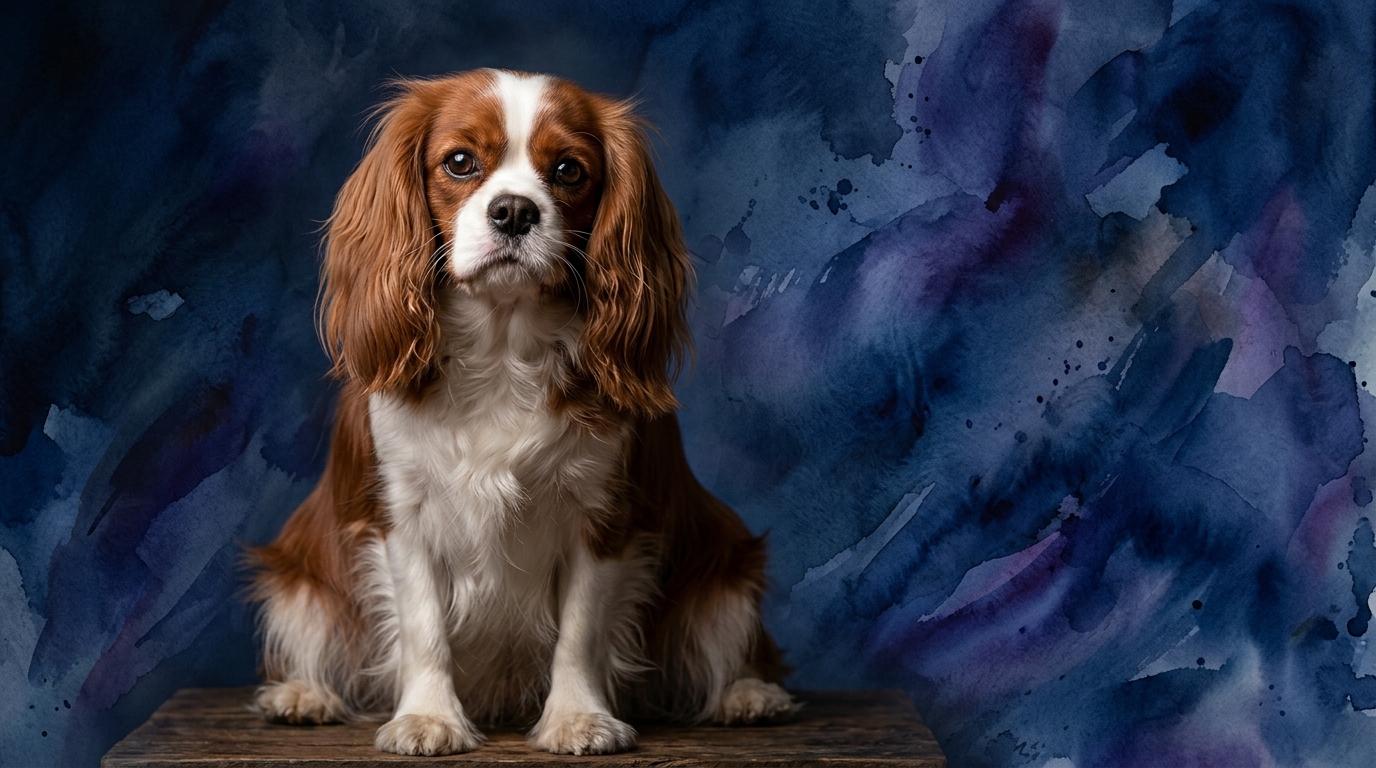
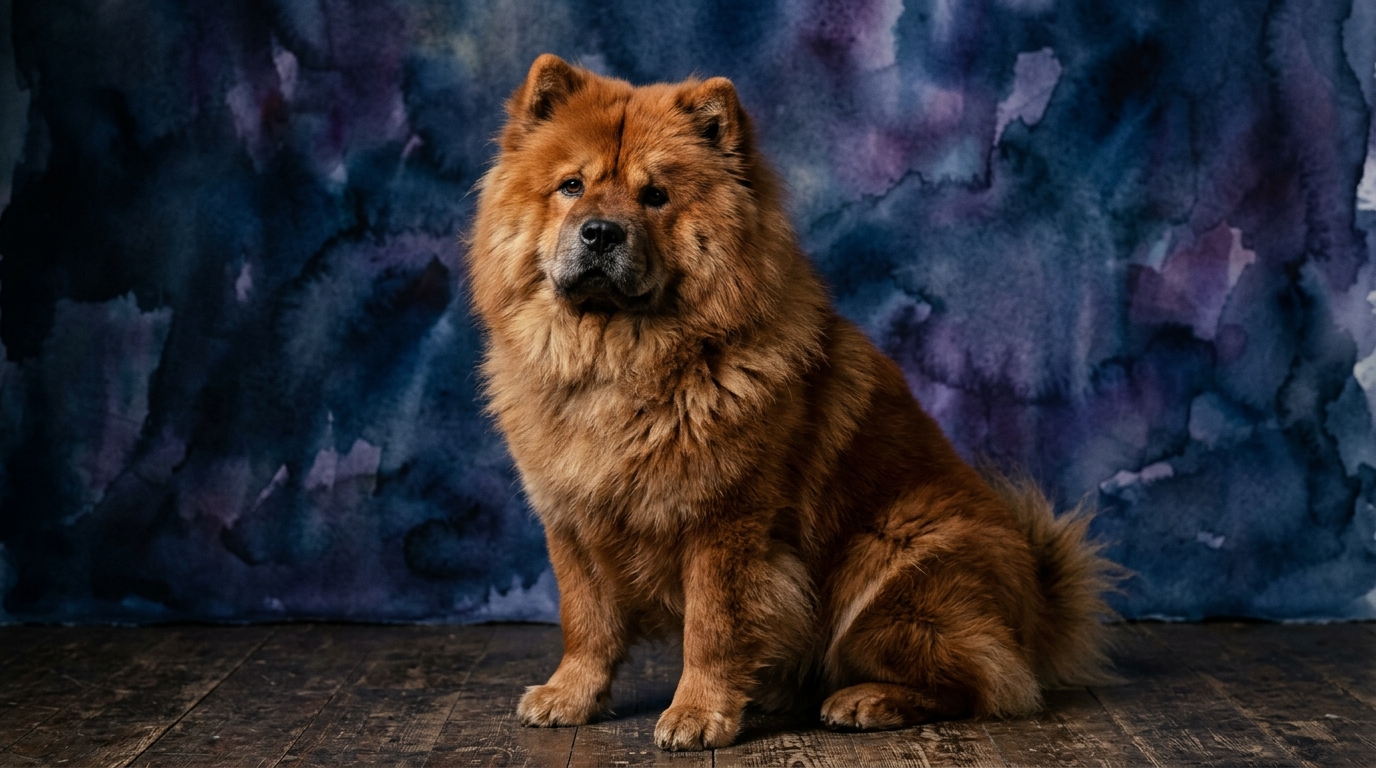
At The Cosmic Pet Pet IQ Lab, we dissect canine cognition across five crucial dimensions, providing a granular view beyond general perceptions. The Cavalier King Charles Spaniel, holding a Coren rank of #44, and the Chow Chow, at #76, offer a compelling contrast in how their minds process and interact with their environments.
For the Cavalier King Charles Spaniel, Problem Solving registers at 3/5, indicating a capacity for navigating moderately complex situations, often with a reliance on learned patterns rather than spontaneous innovation. Its Training Speed is also 3/5, suggesting it learns new tasks with consistent effort and positive reinforcement, neither exceptionally fast nor particularly slow. The breed's Social Intelligence truly shines at 5/5, reflecting an extraordinary attunement to human emotional states and a profound desire for connection. Instinctive Drive stands at 3/5, manifesting as a moderate inclination towards companionship and gentle play, without intense prey or working drives. Finally, Memory is rated 3/5, meaning the Cavalier retains training and experiences adequately, demonstrating reliable recall for established routines.
The Chow Chow presents a different cognitive landscape. Its Problem Solving ability, like the Cavalier, is rated 3/5, demonstrating practical reasoning for everyday challenges without extensive abstract thought. Training Speed also sits at 3/5, implying a similar learning curve for new commands, though its application may be influenced by its independent temperament. Where the Chow Chow diverges significantly is in Social Intelligence, scoring 3/5; this breed acknowledges human presence and family bonds but expresses connection in a more reserved, self-contained manner. Its Instinctive Drive is 3/5, often manifesting as a moderate protective instinct over its territory and loved ones, rather than a drive for active collaboration. Memory for the Chow Chow is 3/5, indicating an average retention of past events and learned behaviors, consistent with its generally pragmatic cognitive approach.
The Cavalier's Social and Emotional Edge
The Cavalier King Charles Spaniel's undeniable cognitive strength lies in its exceptional Social Intelligence, scoring a perfect 5/5. This isn't merely about friendliness; it signifies a profound ability to interpret human cues, understand emotional nuances, and adapt its behavior to foster connection. A Cavalier can often 'read the room,' sensing when an owner needs comfort or when playtime is appropriate, demonstrating a sophisticated emotional responsiveness.
This superior social cognition translates into practical advantages for owners. Cavaliers are adept at forming deep, empathic bonds, making them outstanding therapy dogs where sensitivity to human emotional states is paramount. Their eagerness to engage and their capacity to mirror human moods means they are often perceived as highly interactive and intuitive companions, constantly seeking to understand and participate in their human family's emotional world. This cognitive trait minimizes misunderstandings and maximizes harmonious cohabitation, making them profoundly attuned family members.
The Chow Chow's Independent Mind and Observational Acuity
While the Chow Chow's IQ scores may not show a numerical lead in specific dimensions over the Cavalier, its unique cognitive profile presents distinct advantages, particularly in areas of independence and self-reliance. Its 3/5 Social Intelligence, though lower than the Cavalier's, is not a deficit but rather an indicator of a more self-possessed nature. This cognitive trait means a Chow Chow is less prone to excessive reliance on human interaction for emotional regulation, fostering a calm, self-contained presence.
The Chow Chow's moderate Instinctive Drive and practical Problem Solving (both 3/5) combine to create a dog that is often highly observant of its surroundings, assessing situations with a quiet discernment. This breed doesn't necessarily seek constant human instruction for every action, instead processing environmental information to make independent decisions, especially concerning its perceived territory or family. This cognitive self-sufficiency can be a significant benefit for owners who appreciate a dignified companion capable of occupying itself contentedly without constant supervision or emotional input, translating into a dog less prone to separation-induced distress.
Training Dynamics: Eagerness vs. Independence
Despite both breeds sharing a Training Speed score of 3/5, their overall trainability experiences differ significantly due to their divergent social intelligence. The Cavalier King Charles Spaniel's 5/5 Social Intelligence makes it inherently more eager to please and responsive to human direction. This breed finds intrinsic reward in cooperative learning and positive feedback from its owner, making training sessions often feel like a shared, engaging activity.
Conversely, the Chow Chow’s 3/5 Social Intelligence and inherent independence mean that while it is capable of learning at a moderate pace, motivation must be approached differently. A Chow Chow may understand a command but choose whether or not to comply based on its own assessment of the situation or its perceived value. Training a Chow Chow requires immense consistency, patience, and a deep understanding of its self-reliant nature; it responds best to clear, fair leadership and positive reinforcement, rather than relying on an innate desire to simply 'make you happy.' This means owners must work to earn its respect and cooperation, rather than expecting eager compliance.
Lifestyle Compatibility: Matching Cognitive Needs to Owner Lifestyles
When considering lifestyle compatibility, the cognitive profiles of these two breeds offer clear guidance. The Cavalier King Charles Spaniel, with its high Social Intelligence and moderate Instinctive Drive, thrives in environments where it can be an integral part of daily family life. It is an ideal companion for relaxed owners who desire a constant, affectionate presence, enjoying gentle walks, snuggle sessions on the couch, and participating in quiet household activities. Its adaptability means it can also keep up with moderately active owners who enjoy short hikes or park visits, as long as it remains close to its human companions.
The Chow Chow, with its reserved social intelligence and self-possessed nature, suits owners who appreciate a more independent companion. While it requires regular exercise, its engagement style is often less overtly demanding than the Cavalier's. This breed is better suited for relaxed owners who desire a dignified, observant presence that is content to patrol its yard or rest nearby, rather than constantly seeking interaction. Owners who understand and respect a Chow Chow’s need for personal space and its capacity for self-entertainment will find its cognitive makeup aligns well with a less 'hands-on' companionship style, though consistent training and socialization remain crucial.
The Verdict
Choose the Cavalier King Charles Spaniel if you seek a deeply empathetic, highly interactive companion eager to participate in your emotional world and daily routines. Its exceptional social intelligence makes it an ideal family dog that thrives on connection and offers abundant affection.
Opt for the Chow Chow if you value a dignified, independent companion that offers a more reserved form of affection and possesses a strong sense of self. It suits owners who appreciate a dog capable of self-sufficiency and are prepared to earn its respect through consistent, patient guidance.
🧠 Find Your Pet's IQ Score
Our Pet IQ Lab assessment covers 25+ tests across 5 cognitive dimensions — personalized to your breed.
Take the Full IQ Test →Frequently Asked Questions
Does the Cavalier's high social intelligence make it prone to separation anxiety?
Yes, a Cavalier's exceptional social intelligence and strong desire for companionship can predispose it to separation anxiety if not properly managed. Early training for independence and ensuring it doesn't spend excessive time alone are crucial for its well-being.
Does a Chow Chow's reserved nature mean it can't be affectionate?
A Chow Chow expresses affection differently; it's often more subtle and directed towards its primary family members rather than strangers. While not overtly demonstrative like some breeds, it forms deep bonds and shows loyalty through quiet presence and protective instincts.
How does Coren rank relate to the specific IQ dimensions provided?
Coren's rank primarily reflects 'obedient intelligence' – a dog's ability to learn and comply with human commands. Our IQ dimensions offer a more granular view, dissecting cognitive functions like social understanding and problem-solving, which contribute to, but are not solely defined by, the Coren rank.