Side-by-Side Cognitive Profiles: Cavaliers vs. Clumbers
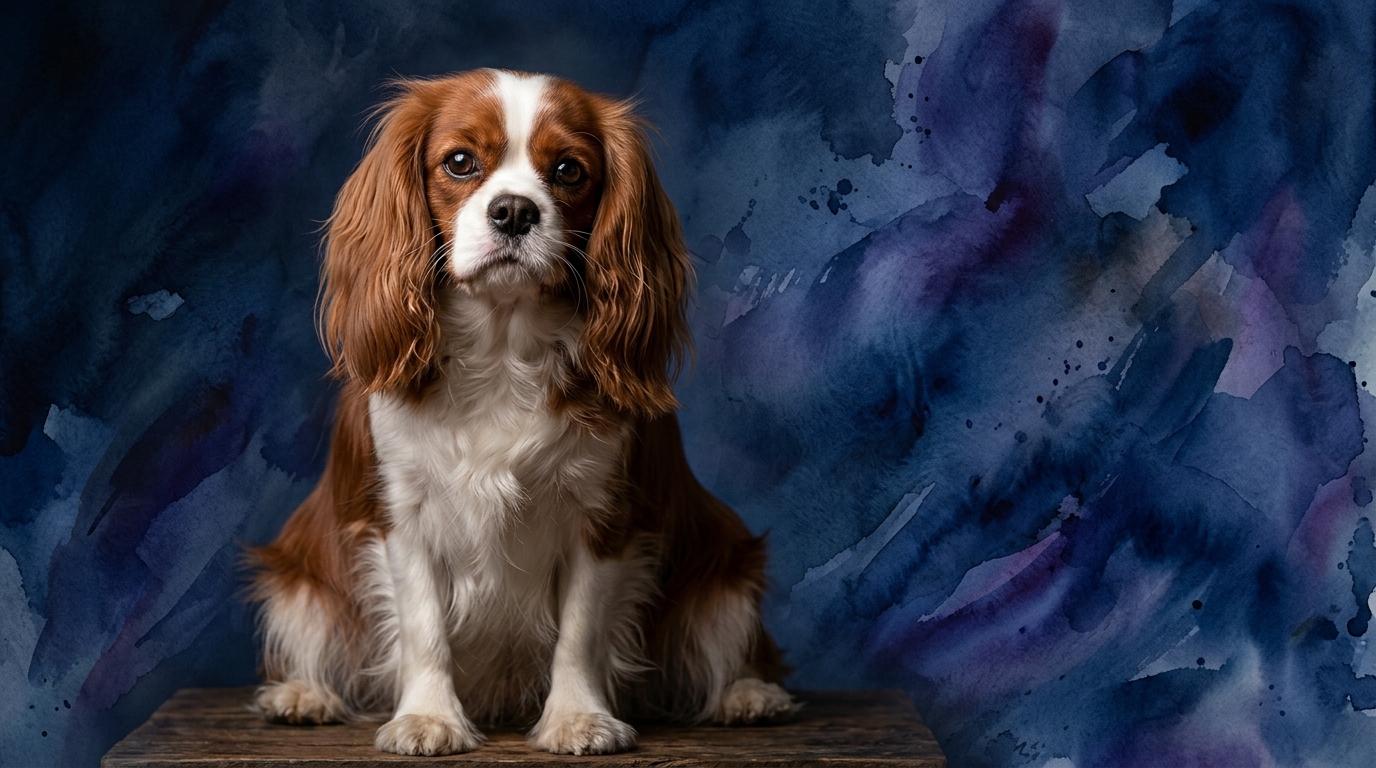
The Cosmic Pet Pet IQ Lab provides a nuanced framework for understanding canine cognition, breaking down intelligence into five key dimensions. For the Cavalier King Charles Spaniel, categorized as a Toy breed with a Coren rank of #44, their profile is marked by an outstanding Social Intelligence score, while other facets show steady capability. Their Problem Solving registers at 3/5, indicating an ability to navigate moderate challenges without being primarily driven by complex puzzle-solving. Training Speed is also 3/5, suggesting they learn at a consistent, positive-reinforcement-responsive pace. Their Social Intelligence truly shines at 5/5, reflecting an exceptional capacity for reading human emotions and forming deep bonds. Instinctive Drive is 3/5, meaning they possess some natural curiosity and basic canine instincts, but are not overtly driven by specialized working tasks. Lastly, their Memory stands at 3/5, reliably retaining learned commands and experiences over time.
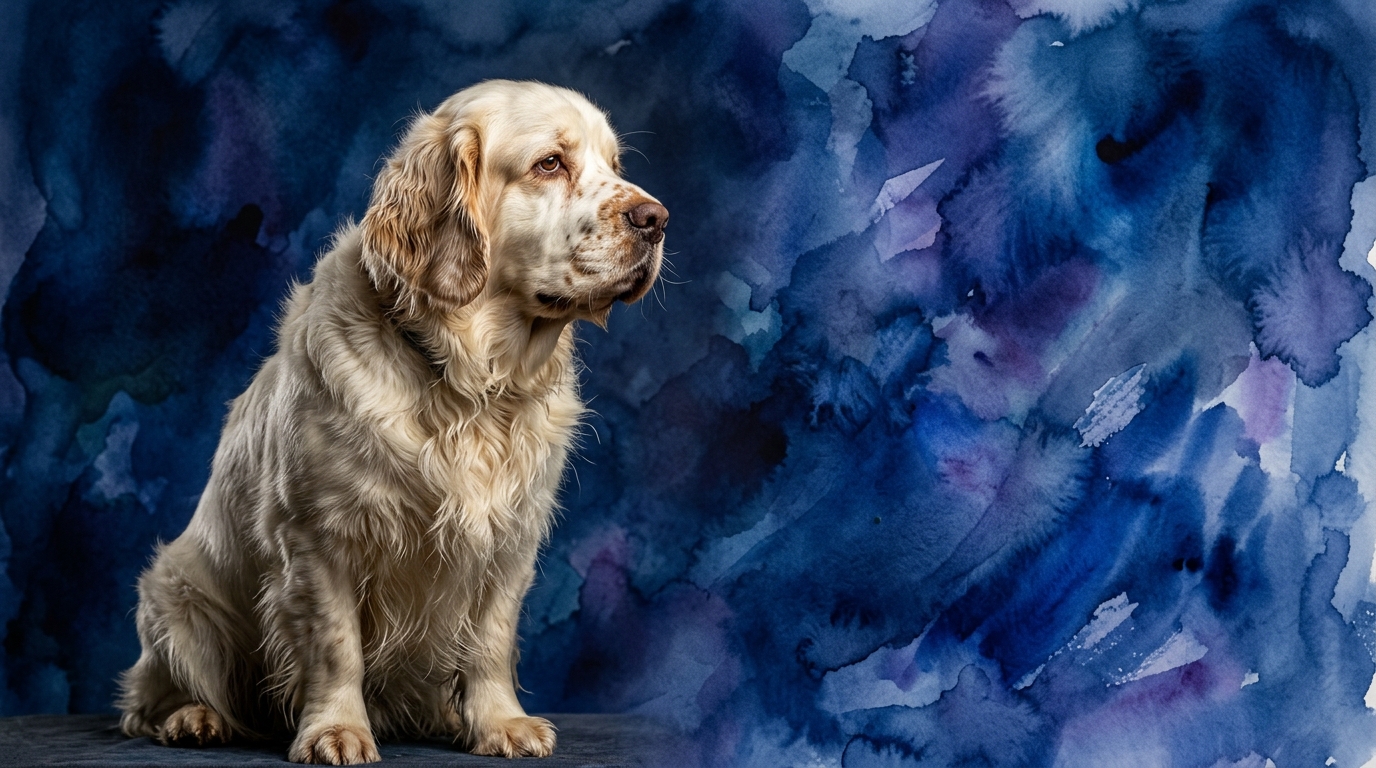
In contrast, the Clumber Spaniel, a Sporting breed ranked #55 by Coren, presents a remarkably consistent cognitive profile across the board. Their Problem Solving is 3/5, demonstrating practical intelligence for tasks but often with a methodical rather than rapidly innovative approach. Training Speed mirrors the Cavalier at 3/5, indicating they learn effectively with patient, consistent methods at a moderate rate. Their Social Intelligence is 3/5, signifying their capacity to form loyal bonds and understand human interaction, albeit with a more reserved or independent demeanor compared to the Cavalier's effusiveness. Instinctive Drive is 3/5, reflecting a focused and reliable drive for scent work and flushing, integral to their traditional role. Their Memory also scores 3/5, showcasing good retention for commands and routines, which is essential for consistent field performance. The primary cognitive distinction between these two spaniels, therefore, lies starkly in their social acumen.
Where the Cavalier King Charles Spaniel Excels Cognitively
The Cavalier King Charles Spaniel's undeniable cognitive strength lies in its exceptional Social Intelligence, scoring a rare 5/5. This isn't merely about being affectionate; it represents a profound capacity to interpret the subtle nuances of human emotion, body language, and vocal tone with remarkable precision. Cavaliers possess an innate ability to connect deeply, often anticipating their owner's moods or needs, which makes them extraordinarily empathetic and responsive companions. This high social acumen allows them to adapt seamlessly to various social situations and family dynamics, thriving on harmonious interaction and providing comfort. Their drive to align their behavior with human expectations is a direct manifestation of this cognitive prowess, fostering profound, intuitive bonds. While their Problem Solving, Training Speed, Instinctive Drive, and Memory all register a steady 3/5, it is this superior social understanding that defines their cognitive niche, enabling them to navigate complex human relationships with an almost uncanny intuition. This contrasts sharply with the Clumber’s more moderate 3/5 in social intelligence, highlighting the Cavalier’s unique gift for companionship.
Where the Clumber Spaniel Excels Cognitively
While the Clumber Spaniel’s individual cognitive scores across Problem Solving, Training Speed, Social Intelligence, Instinctive Drive, and Memory are consistently moderate at 3/5, their excellence isn't found in a single towering score. Instead, it emerges from the reliable and purposeful application of their instinctive drive within their traditional working role. Their 3/5 in instinctive drive, though numerically equal to the Cavalier's, translates into a focused, methodical approach to scent work and flushing game, demonstrating steadfast determination in the field. They exhibit a persistent and deliberate problem-solving style when faced with tracking challenges, relying on their sensory input and endurance rather than rapid innovation. This breed's moderate social intelligence means they are loyal and affectionate, yet often display a more independent and self-assured demeanor. They are less prone to anxiety or over-reliance on constant human direction, a trait that can be advantageous in working environments where a degree of autonomy is beneficial. This unique blend of steady drive, practical problem-solving, and independent spirit allows them to excel in tasks requiring patience, singular focus, and a resilient, unflappable nature.
Training Dynamics: Which Breed is Easier to Shape?
Both the Cavalier King Charles Spaniel and the Clumber Spaniel share a Training Speed score of 3/5, indicating that neither breed is exceptionally quick nor particularly slow to grasp new commands. However, the pivotal difference in their trainability stems from their contrasting Social Intelligence. The Cavalier, with its outstanding 5/5 social intelligence, possesses a strong innate desire to please and an intuitive understanding of human expectations, which significantly streamlines the training process. They are highly motivated by praise, affection, and the strengthening of their bond with their trainer, readily engaging in cooperative learning. Their sensitivity to human cues means they often respond well to subtle corrections and thrive on gentle, consistent guidance, always aiming to maintain harmony and connection.
Conversely, the Clumber Spaniel, while possessing a respectable 3/5 in social intelligence, tends to be more independent and self-possessed. They respond effectively to training, but their motivation might be more task-oriented or driven by a patient, reward-based system rather than an overarching need for constant human approval. Clumbers can be thoughtful and occasionally exhibit a stubborn streak, necessitating consistent, clear communication and a trainer who respects their methodical nature. While both breeds are certainly trainable, the Cavalier's inherent social attunement often makes them perceive training as a collaborative, enjoyable activity, potentially leading to faster initial uptake and greater enthusiasm in cooperative exercises, whereas the Clumber might require a more structured, persistent approach to harness their focused yet independent spirit.
Lifestyle Suitability: Active Adventurers vs. Relaxed Companions
The Cavalier King Charles Spaniel, despite their moderate Instinctive Drive (3/5), is a highly adaptable companion that flourishes in a variety of home environments. Their moderate energy levels make them ideal for owners who enjoy regular, but not overly strenuous, walks and engaging playtime. Their exceptional Social Intelligence (5/5) means they are happiest when deeply integrated into family life, craving constant interaction and companionship. They are well-suited for relaxed owners who prioritize indoor bonding, cuddles, and consistent presence, though they still benefit immensely from daily mental and physical enrichment. They are not typically suited for highly active, outdoor-centric lifestyles that demand prolonged physical exertion or independent working tasks, preferring to be close to their human family.
The Clumber Spaniel, also with a moderate Instinctive Drive (3/5), is a sporting breed whose historical purpose necessitates endurance and methodical activity. They require regular exercise that allows them to engage their senses, such as long walks where they can sniff and explore, or engaging scent games in a secure yard. They are well-suited for owners who appreciate a more robust, independent companion and are willing to provide consistent, moderate physical activity. While affectionate, their 3/5 social intelligence means they might not be as overtly clingy as a Cavalier and can be content with a more relaxed presence once their exercise needs are met. They are an excellent fit for owners who enjoy a steady, calm presence but are prepared to engage in regular, purposeful outdoor excursions that tap into their natural instincts, rather than just quick potty breaks.
The Verdict
Opt for a Cavalier if your priority is an exceptionally empathetic, highly socially intelligent companion who thrives on close interaction and provides profound emotional connection within a relaxed, family-centric lifestyle.
Select a Clumber if you appreciate a loyal, more independent companion with a steady temperament, and are prepared to provide consistent, moderate exercise that engages their methodical instincts, valuing substance over effusive social displays.
🧠 Find Your Pet's IQ Score
Our Pet IQ Lab assessment covers 25+ tests across 5 cognitive dimensions — personalized to your breed.
Take the Full IQ Test →Frequently Asked Questions
Are Cavalier King Charles Spaniels good with children?
Yes, their exceptional social intelligence and gentle nature typically make them wonderful family dogs, adapting well to the dynamics of a household with children, provided proper introductions and supervision occur. They instinctively seek to be part of the family unit.
Do Clumber Spaniels require a lot of grooming?
Clumber Spaniels have a dense, weather-resistant coat that requires regular grooming, including brushing several times a week to prevent matting and manage shedding. Occasional trimming, especially around their ears, feet, and feathering, is also necessary to maintain coat health and cleanliness.
Which breed is more prone to separation anxiety?
Due to their very high social intelligence and strong desire for constant companionship, Cavalier King Charles Spaniels can be more prone to separation anxiety if left alone for extended periods. Clumber Spaniels, with their more independent streak and calmer demeanor, may cope better with moderate alone time, provided their exercise needs are met.