Side-by-Side Cognitive Profiles
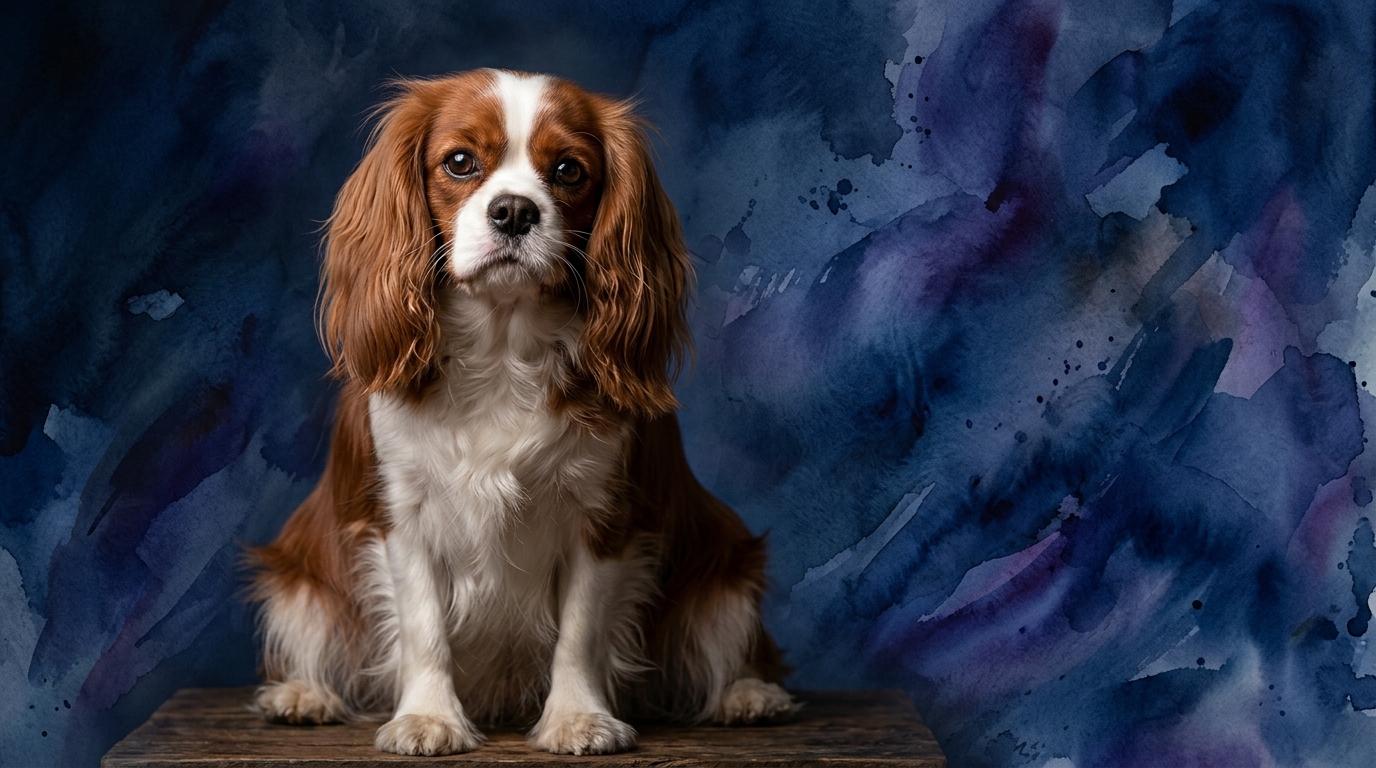
The Cosmic Pet Pet IQ Lab assesses canine intelligence across five key dimensions, providing a nuanced understanding beyond simple obedience. For the Cavalier King Charles Spaniel, ranked #44 by Coren, its profile paints a picture of a devoted companion. Its Problem Solving ability is rated 3/5, indicating it can navigate common household challenges and learn routines, but isn't typically a strategist for complex puzzles. Training Speed is 3/5, meaning it responds well to patient, positive methods, though consistency is vital for cementing behaviors. The Cavalier truly shines in Social Intelligence at 5/5, demonstrating an exceptional capacity to read human emotions, understand subtle cues, and form deep, empathetic bonds. Its Instinctive Drive is 3/5, showing a moderate interest in chasing small critters or exploring, but primarily driven by the desire for companionship. Memory is 3/5, allowing it to recall routines and learned commands adequately, though not with the extensive detail required for complex working tasks.
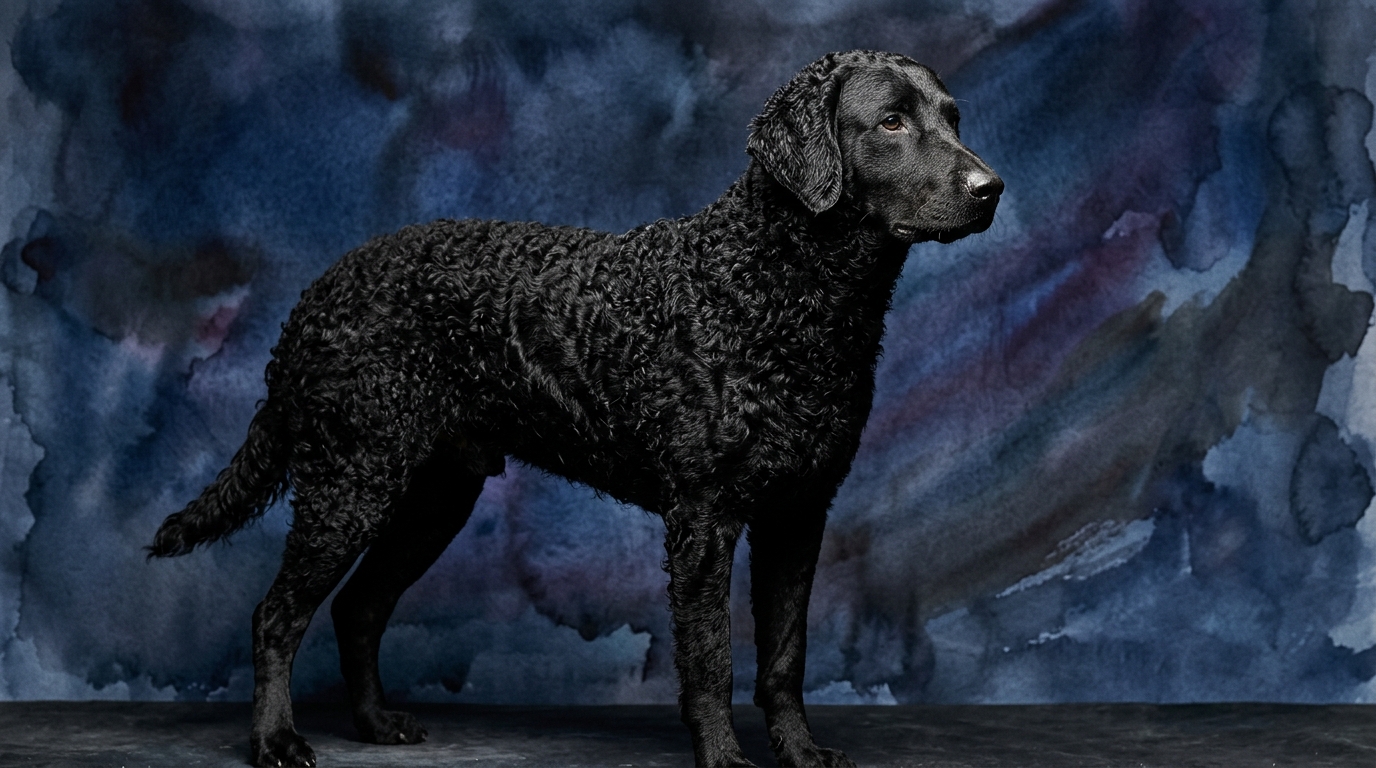
In contrast, the Curly-Coated Retriever, with a Coren rank of #41, presents a profile geared for purpose and activity. Its Problem Solving score is 3/5, reflecting an aptitude for figuring out practical solutions related to its environment or retrieving tasks, such as finding a hidden toy or navigating obstacles. Training Speed also sits at 3/5; these dogs can learn quickly, but their independent streak means training must be engaging and purposeful to maintain their focus. Social Intelligence for the Curly-Coated Retriever is 3/5; while they form strong, loyal bonds with their families, their expression of social attunement is less overtly empathetic than a companion breed, valuing a working partnership over constant emotional mirroring. Its Instinctive Drive is 3/5, characterized by a natural retrieving fervor, a love for water, and a robust curiosity for exploration. Memory is where the Curly-Coated Retriever demonstrates a distinct advantage at 4/5, enabling it to recall complex sequences of commands, remember the locations of multiple retrieves, and retain training lessons with impressive reliability over time.
Where the Cavalier King Charles Spaniel Cognitively Excels
The Cavalier King Charles Spaniel's undeniable cognitive strength lies in its Social Intelligence, rated a perfect 5/5 compared to the Curly-Coated Retriever's 3/5. This isn't merely about being friendly; it's a sophisticated capacity for emotional attunement and reading subtle human cues. A Cavalier can often sense an owner's mood shifts, providing comfort or gentle companionship without explicit prompting. They excel at processing social information, understanding nuances in tone of voice, body language, and facial expressions, which allows them to integrate seamlessly into family life and anticipate needs. This high social acumen makes them superb therapy dogs, offering solace and connection, or simply the most understanding presence in a quiet home. They thrive on close interaction and are motivated by the desire to maintain harmony and connection within their human pack, a behavioral trait deeply rooted in their cognitive makeup.
Where the Curly-Coated Retriever Cognitively Excels
The Curly-Coated Retriever's standout cognitive advantage is its superior Memory, scoring 4/5 against the Cavalier's 3/5. This enhanced memory is fundamental to its heritage as a working retriever. A Curly can reliably recall complex chains of commands, remember the precise landing spots of multiple birds in a field, or navigate an intricate agility course with precision. This isn't just about remembering a simple 'sit' command; it's about retaining a vast repertoire of skills and applying them accurately and consistently, even in distracting environments or after a period of inactivity. This cognitive strength allows them to be highly capable in dog sports, field trials, or any activity requiring sustained focus and application of learned tasks. While both breeds have an Instinctive Drive of 3/5, the Curly's drive is distinctly channeled towards purposeful activities like retrieving, swimming, and exploration, making them more resilient and focused in task-oriented scenarios, leveraging their strong memory to achieve objectives.
Training Ease: Motivations and Methods
While both breeds share a Training Speed rating of 3/5, the path to successful training diverges significantly due to their differing primary motivators and cognitive leanings. The Cavalier King Charles Spaniel, with its exceptional Social Intelligence, is primarily driven by the desire to please its owner and maintain a harmonious connection. They respond exquisitely to praise, gentle encouragement, and positive reinforcement, often eager to comply because it strengthens their bond with their human. Their sensitivity means they pick up on subtle handler cues quickly and are generally forgiving of novice trainers, making them feel like willing partners in the learning process. Training a Cavalier often feels like a cooperative effort rooted in affection.
The Curly-Coated Retriever, conversely, requires a training approach that caters to its independence and purposeful drive. While equally capable of learning, they can become bored or disengaged with repetitive drills that lack a clear objective. Their training thrives on variety, challenge, and methods that tap into their natural retrieving instincts and problem-solving abilities. Engaging their strong memory with multi-step commands or scent work can be highly effective. Trainers often find that Curlys benefit from a confident, consistent leader who understands how to make training feel like a stimulating game or a 'job' rather than rote memorization. They might be easier to train for experienced handlers who appreciate the working breed mindset, as their independence requires more creative and engaging motivational strategies.
Matching Breeds to Lifestyles: Active vs. Relaxed Owners
The distinct cognitive profiles of these two breeds naturally align them with different owner lifestyles. For relaxed owners seeking a calm, affectionate presence, the Cavalier King Charles Spaniel is an exemplary fit. Their moderate instinctive drive means they are content with leisurely walks, garden play, and ample cuddle time on the sofa. Their high social intelligence makes them adaptable to apartment living and sensitive to the quiet rhythms of a peaceful household. They thrive on constant companionship and are less demanding of strenuous physical or mental exercise, valuing proximity and gentle interaction above all else. Owners who enjoy quiet evenings and intimate connection will find the Cavalier to be an ideal, undemanding partner.
Conversely, the Curly-Coated Retriever is best suited for active owners who enjoy outdoor adventures and are prepared to provide consistent physical and mental stimulation. Their robust build, strong retrieving instincts, and superior memory for tasks mean they flourish with owners who engage them in activities like hiking, swimming, competitive dog sports such as agility or obedience, or even field work. They need a 'job' or regular, purposeful activity to channel their energy and prevent boredom, which can manifest as undesirable behaviors. An owner who can provide consistent training, varied exercises, and opportunities for exploration will find the Curly-Coated Retriever to be a resilient, enthusiastic, and highly capable partner, always ready for the next challenge.
The Verdict: When to Choose Each Breed
The Verdict
Choose the Cavalier King Charles Spaniel if you prioritize a deeply empathetic, socially attuned companion who thrives on close human connection and gentle interaction, adapting seamlessly to a calmer household rhythm.
Opt for the Curly-Coated Retriever if you seek an active, resilient partner for outdoor adventures, dog sports, or a working role, who values purposeful activity and can remember complex tasks with impressive recall.
🧠 Find Your Pet's IQ Score
Our Pet IQ Lab assessment covers 25+ tests across 5 cognitive dimensions — personalized to your breed.
Take the Full IQ Test →Frequently Asked Questions
Are Curly-Coated Retrievers good family dogs despite their lower social intelligence rating?
Yes, Curly-Coated Retrievers can be excellent family dogs, forming strong, loyal bonds with their human pack. Their social intelligence rating reflects a preference for working partnerships rather than overt emotional mirroring, meaning they express affection differently but are deeply devoted to their family members.
Do Cavalier King Charles Spaniels require a lot of exercise?
Cavalier King Charles Spaniels have a moderate instinctive drive, meaning they enjoy daily walks and playtime but do not require extensive, high-intensity exercise. They are generally content with shorter, leisurely outings and thrive on mental stimulation through interaction and companionship.
Which breed is generally better for first-time dog owners?
The Cavalier King Charles Spaniel is often considered more suitable for first-time owners due to their eager-to-please nature and high social intelligence, which makes training more forgiving. The Curly-Coated Retriever, while capable, benefits from an owner who understands working breed dynamics and can provide consistent, engaging training.