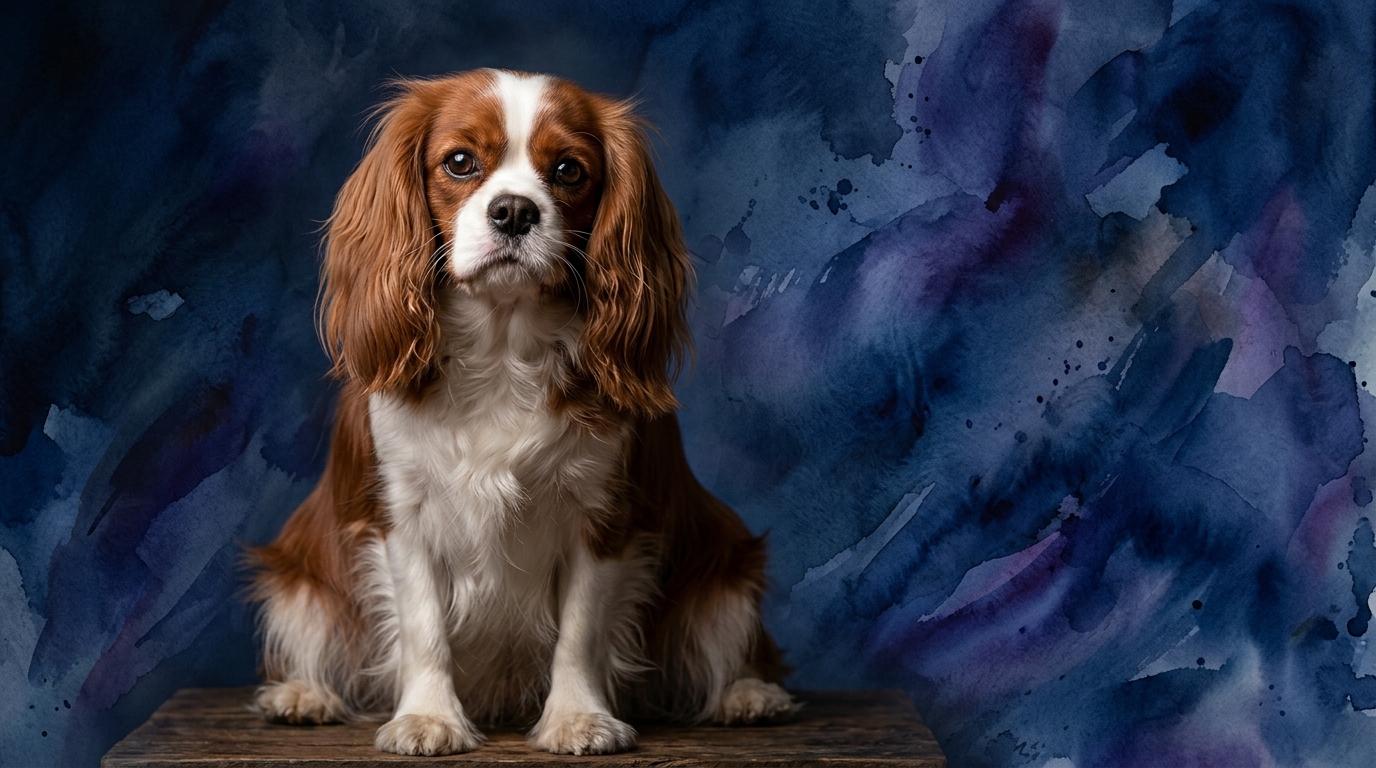
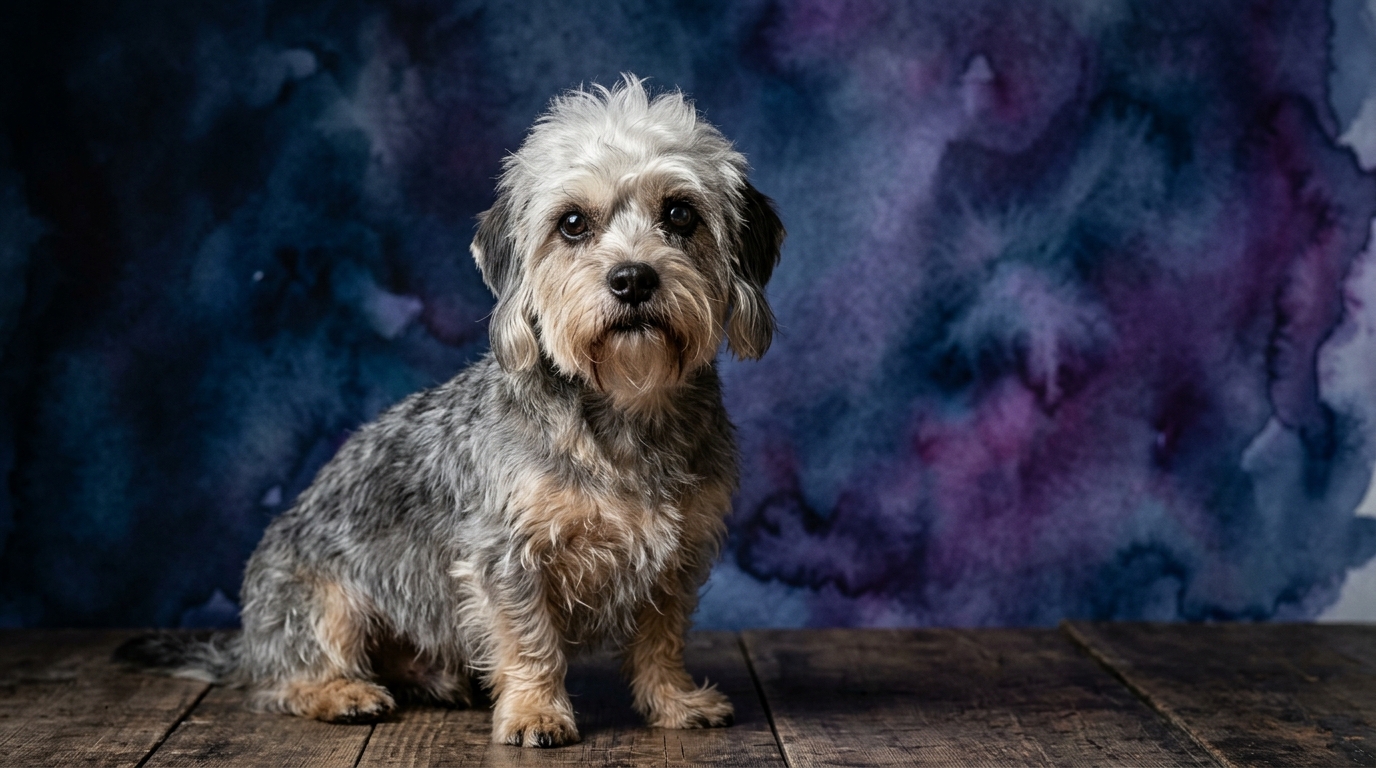
Side-by-Side IQ Profile: Cavalier vs. Dandie
At The Cosmic Pet Pet IQ Lab, we evaluate canine intelligence across five key dimensions. While the Cavalier King Charles Spaniel holds a respectable Coren rank of #44, the Dandie Dinmont Terrier is not included in Coren's traditional ranking, necessitating a direct comparison of their individual cognitive scores to understand their unique aptitudes.
The Cavalier King Charles Spaniel presents a balanced cognitive profile with a notable strength in social understanding. They score 3/5 in Problem Solving, indicating an ability to navigate familiar challenges and learn established routines, though they may not be the first to invent novel solutions to complex, new puzzles. Their Training Speed is 3/5; they learn new commands at an average pace, responding well to consistent, positive reinforcement, often motivated by a desire to please their human companions. Where Cavaliers truly distinguish themselves is in Social Intelligence, earning a perfect 5/5. This reflects an exceptional capacity to interpret human emotions, intentions, and subtle social cues, fostering deep, intuitive bonds. Their Instinctive Drive is a moderate 3/5, with ancestral purposes as lap companions softening intense hunting or guarding behaviors, manifesting more as a gentle drive for play and interaction. Memory for the Cavalier is 3/5, allowing them to retain learned commands, routines, and familiar faces with solid recall.
The Dandie Dinmont Terrier, while unranked by Coren, shares several cognitive similarities with the Cavalier, alongside distinct Terrier characteristics. Their Problem Solving ability is rated at 3/5. Dandies can learn to overcome environmental obstacles, especially if it leads to a desired reward or navigation of known spaces, but they aren't typically predisposed to inventing intricate solutions. Their Training Speed is also 3/5; they learn at a moderate pace, though their independent Terrier spirit often requires more engaging and patient methods to maintain focus and compliance. In Social Intelligence, Dandies score 3/5. While affectionate with their families, they exhibit a more reserved social aptitude compared to the Cavalier, often focusing on their own interests and being less attuned to subtle human emotional shifts. They can be more wary of strangers. Their Instinctive Drive is 3/5, stemming from their historical role as vermin hunters, which means they possess a moderate, inherent drive for chasing, digging, and investigation, influencing their engagement with their surroundings. Memory for the Dandie is 3/5, allowing them to recall commands, routines, and familiar environments reliably, though perhaps without the same social depth as a Cavalier.
Where the Cavalier King Charles Spaniel Excels Cognitively
The Cavalier King Charles Spaniel's clear cognitive advantage lies in its exceptional Social Intelligence (5/5). This isn't merely about being friendly; it reflects a profound ability to read and respond to human emotions and intentions with remarkable accuracy. Cavaliers are masters at interpreting subtle cues, understanding when their human is happy, sad, or stressed, and often adjusting their behavior accordingly. This deep empathy allows them to be incredibly intuitive companions, offering comfort or initiating play at just the right moment without explicit direction.
Their advanced social cognition translates into seamless integration into family life. They adapt readily to household routines and moods, seeking to maintain harmony. For owners, this means a dog that often anticipates needs, responds sensitively to vocal tone, and forms exceptionally strong, almost telepathic bonds. This cognitive strength makes them outstanding emotional support animals and ideal companions for individuals or families seeking a deeply connected canine presence, a nuance that their similar scores in other IQ dimensions with the Dandie Dinmont Terrier do not fully capture.
Where the Dandie Dinmont Terrier Shines Cognitively
While the Dandie Dinmont Terrier shares similar scores in most cognitive dimensions, its unique strengths stem from the *application* of its instincts and its distinct Terrier temperament. The Dandie's moderate Instinctive Drive (3/5), rooted in its heritage as a working terrier, gives it a specific cognitive edge in tasks requiring persistence and independent investigation. This drive translates into a tenacious problem-solving approach when it comes to exploring scents, navigating complex terrains, or pursuing a perceived "prey" item.
Their independent streak, while sometimes perceived as stubbornness during training, can also be viewed as a cognitive win in situations demanding self-reliance. A Dandie might be more self-motivated to pursue a goal that aligns with its inherent drives, even if it requires clever manipulation of its environment or sustained effort. This isn't necessarily about superior problem-solving *speed*, but rather a distinct *kind* of effective problem-solving driven by perseverance and a refusal to give up, making them adept at tasks that reward sustained focus and an autonomous approach.
Trainability: Which Breed is Easier and Why?
When it comes to trainability, both breeds share a Training Speed score of 3/5, but their underlying motivations and social intelligence create different training experiences. The Cavalier King Charles Spaniel is generally considered easier to train due to its exceptional Social Intelligence (5/5) and strong desire to please its human companions. Cavaliers are highly receptive to human direction; they excel in understanding what is expected of them by interpreting subtle cues and responding well to positive reinforcement and affection. This makes obedience training, learning tricks, and adapting to household rules a smoother process, as they are intrinsically motivated by the bond they share with their owner and eager to cooperate.
The Dandie Dinmont Terrier, despite having the same Training Speed score, presents a different challenge. Their lower Social Intelligence (3/5) and independent Terrier spirit mean that while they are capable of learning, their compliance is often tied more closely to their own interests or tangible rewards. Dandies can be more easily distracted if the training isn't engaging or if they perceive a more interesting alternative. Trainers may need to employ more creative methods, linking commands to games or scent work, to maintain their focus. Consistency, patience, and a deep understanding of their independent nature are paramount. A Dandie learns well but might choose when and whether to demonstrate that knowledge, requiring a more persuasive and less demanding approach.
Matching Breeds to Lifestyles: Active vs. Relaxed Owners
Understanding the cognitive and behavioral nuances of these two breeds is crucial for matching them with the right owner lifestyle. The Cavalier King Charles Spaniel, with its moderate Instinctive Drive (3/5) and exceptional Social Intelligence (5/5), is an ideal fit for relaxed owners who prioritize companionship and gentle interaction. They are content with moderate daily walks and playtime, but their primary joy comes from being included in family activities, regardless of their intensity. Cavaliers thrive in environments where they receive ample affection and close human contact, making them perfect lap dogs and adaptable companions for quiet evenings at home or gentle social outings.
The Dandie Dinmont Terrier, while also having a moderate Instinctive Drive (3/5), channels this drive through its Terrier heritage, requiring a more purposeful outlet. They benefit from owners who appreciate a dog with a charmingly independent streak and are willing to engage them in consistent mental and physical stimulation. Dandies need daily walks and opportunities for structured play, scent work, or even earthdog-style activities to satisfy their innate curiosity and digging instincts. They are well-suited for active owners who enjoy exploring, moderate hiking, or providing regular training challenges to keep their sharp minds engaged, preventing boredom and channeling their natural drives constructively. While not requiring extreme athleticism, they need an owner committed to providing purpose beyond simple companionship.
The Verdict
Choose the Cavalier King Charles Spaniel if your priority is an emotionally attuned companion who thrives on social interaction and gentle companionship. Their exceptional social intelligence makes them highly responsive to human moods and eager to please, fitting seamlessly into a relaxed home environment.
Opt for the Dandie Dinmont Terrier if you appreciate a dog with a charmingly independent spirit and a moderate, purposeful drive. They suit owners who enjoy engaging their dog in consistent training and activities that satisfy their terrier instincts, offering a loyal but self-possessed companion.
🧠 Find Your Pet's IQ Score
Our Pet IQ Lab assessment covers 25+ tests across 5 cognitive dimensions — personalized to your breed.
Take the Full IQ Test →Frequently Asked Questions
Are Cavalier King Charles Spaniels good with children?
Yes, Cavaliers are generally patient and affectionate with children, making them suitable family pets. Their high social intelligence helps them navigate interactions gently, though supervision is always advised to ensure respectful play.
Do Dandie Dinmont Terriers shed a lot?
Dandie Dinmont Terriers have a double coat that sheds moderately. Regular brushing, typically a few times a week, can help manage loose hair and keep their distinctive coat healthy and free of mats.
What kind of exercise do Dandie Dinmont Terriers need?
Dandies require moderate daily exercise, including walks and playtime, to satisfy their moderate instinctive drive. Engaging them in activities like scent games or puzzle toys can also provide crucial mental stimulation to prevent boredom.