The Cosmic Pet Pet IQ Lab: Side-by-Side Cognitive Profiles
At The Cosmic Pet Pet IQ Lab, we delve beyond superficial observations to understand the intricate cognitive architecture of each breed. Our five-dimensional IQ framework provides a nuanced look at how different dogs perceive, learn, and interact with their world. For the Cavalier King Charles Spaniel and the German Pinscher, this comparative analysis highlights both surprising similarities and crucial distinctions that influence their suitability as companions and working partners.
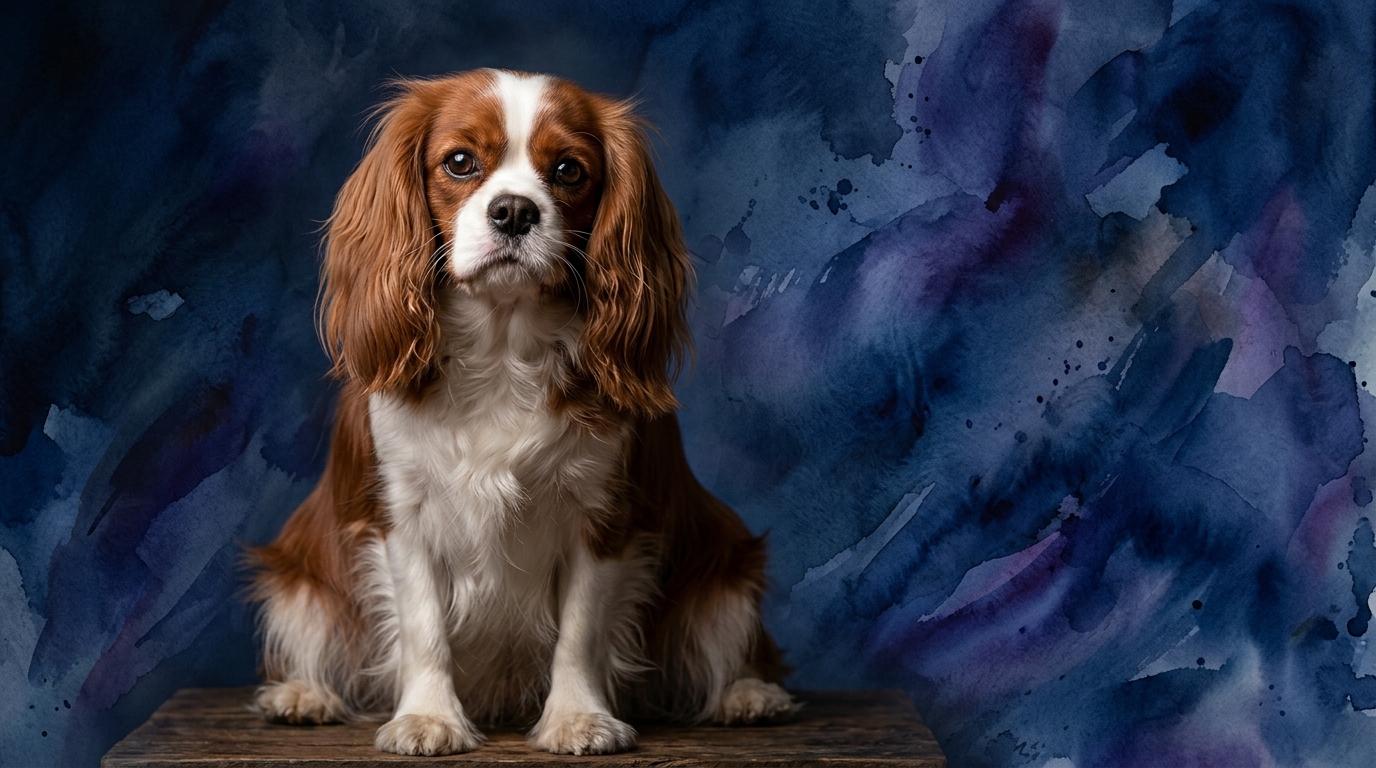
The Cavalier King Charles Spaniel, a beloved member of the Toy group, is ranked #44 by Stanley Coren for its working and obedience intelligence, placing it in the 'Average Working/Obedience Intelligence' category. Our lab's specific breakdown reveals a unique cognitive blueprint centered around connection and emotional attunement. Their Problem Solving score of 3/5 indicates a moderate capacity for figuring out environmental challenges and novel situations; they can adapt to routines and learn household rules effectively, but aren't typically driven to complex independent strategizing. Training Speed, also at 3/5, suggests they learn new commands at a steady, consistent pace, responding well to positive reinforcement. However, their true cognitive standout is Social Intelligence, rated an exceptional 5/5. This reflects their profound ability to read human emotions, seek harmonious interaction, and form deep, intuitive bonds, making them highly responsive to subtle social cues. Their Instinctive Drive is a moderate 3/5, meaning they possess some residual chasing instincts but are primarily motivated by companionship rather than strong prey or guarding drives. Finally, their Memory, at 3/5, allows them to retain learned behaviors, routines, and associations with people and places reliably.
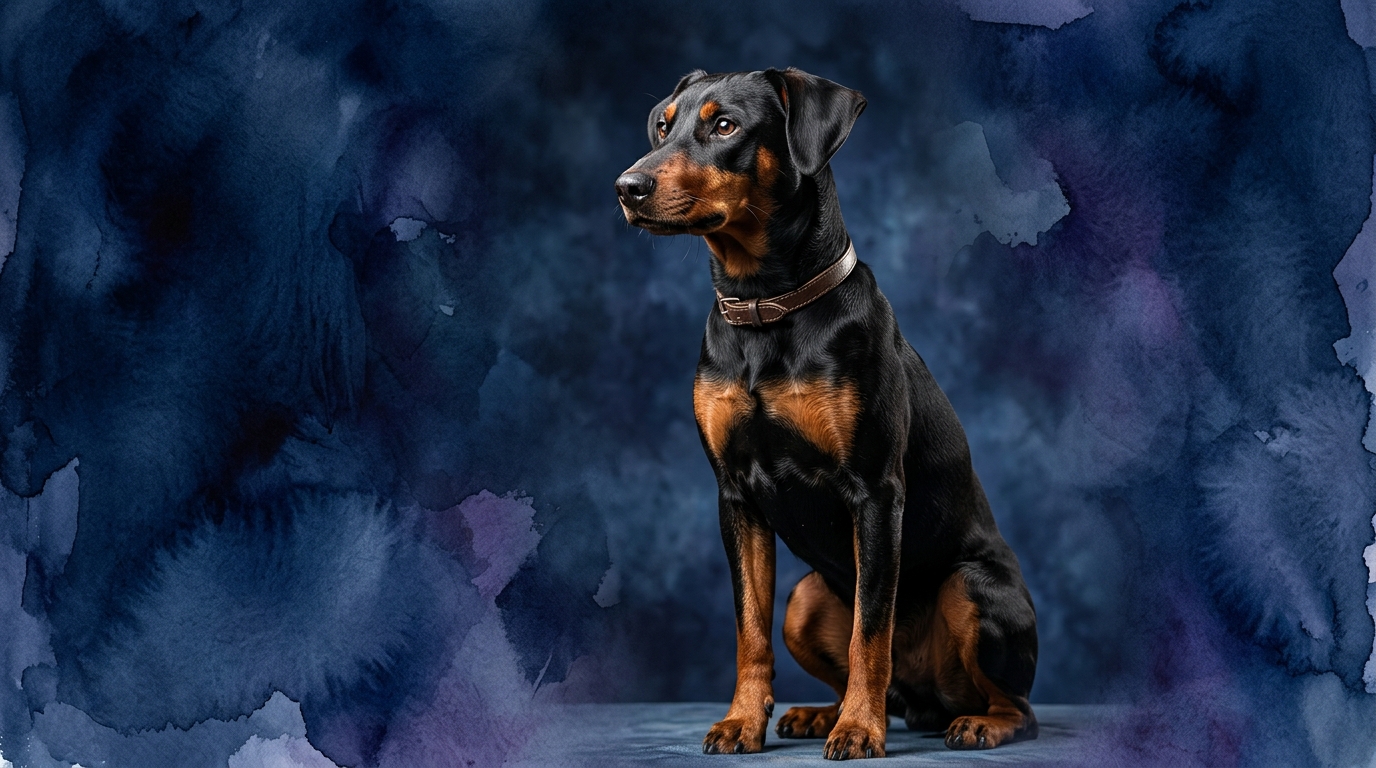
The German Pinscher, a robust member of the Working group, is not specifically ranked by Coren, but our lab's assessment provides a detailed cognitive profile that underscores its heritage of vigilance and independent action. Its Problem Solving ability is rated 3/5, mirroring the Cavalier, yet it often applies this skill to practical, self-directed tasks like figuring out how to access a desired area or circumvent an obstacle. Their Training Speed, also 3/5, means they learn new commands at a moderate pace, but their independent nature often requires a firm, consistent approach to maintain focus. The German Pinscher's Social Intelligence is 3/5, indicating a good understanding of human communication and social structures within their family unit, though they are generally more reserved with strangers and less overtly emotionally expressive than the Cavalier. Their Instinctive Drive, also 3/5, manifests as a stronger innate desire for territorial monitoring and vermin control, providing a more proactive and alert cognitive posture. Lastly, their Memory, rated 3/5, ensures they effectively recall training, boundaries, and past interactions, which contributes to their reliability and consistency once a behavior is established.
Where the Cavalier King Charles Spaniel Shines Cognitively
The Cavalier King Charles Spaniel's cognitive strength lies almost entirely in its unparalleled Social Intelligence, scoring a perfect 5/5. This isn't merely about being friendly; it's a deep, intuitive understanding of human emotional states and social dynamics. Cavaliers possess an exceptional ability to read subtle cues, anticipate human needs for comfort or companionship, and adjust their behavior to foster harmony within their human family. This cognitive attunement allows them to form incredibly profound emotional bonds, making them highly responsive to the nuances of human interaction. Their mental energy is heavily invested in maintaining social cohesion and providing emotional support, a trait that is less pronounced in the more independent German Pinscher. This superior social processing makes them inherently empathetic companions, often seeming to know exactly what their human needs without a spoken word, which is a specific cognitive advantage in a home environment focused on close interaction.
Where the German Pinscher's Mind Excels
While the German Pinscher shares a 3/5 score in Problem Solving with the Cavalier, the *application* of this cognitive ability is where its distinct advantage lies. The Pinscher's problem-solving is often coupled with its moderate Instinctive Drive (3/5) to create a more proactive and independently minded approach to its environment. This manifests as a keen awareness of its surroundings, a natural inclination to investigate novelties, and a capacity for self-directed actions aimed at maintaining its perceived territory or ensuring the well-being of its family. Unlike the Cavalier, whose problem-solving might be directed towards pleasing its owner, the Pinscher's cognitive focus is often on practical, real-world challenges, such as figuring out how to access a secure area or identifying potential changes in its environment. This combination of problem-solving and alertness makes them highly vigilant and capable of independent decision-making in situations requiring a watchful presence, a cognitive trait directly linked to their working heritage.
Training Aptitude: Which Breed Offers an Easier Path?
When considering ease of training, the Cavalier King Charles Spaniel generally presents a smoother experience, primarily due to its exceptional Social Intelligence (5/5). While both breeds have a Training Speed of 3/5, the Cavalier's profound desire to please its human and its innate capacity for social bonding serve as powerful motivators. A Cavalier views training as an opportunity for connection and positive interaction, making them highly cooperative and eager to engage. They are less likely to challenge commands or become distracted, often seeking guidance and approval from their owner. This strong social drive means that even when a Cavalier might not grasp a concept instantly, their willingness to try and their responsiveness to praise and affection make the learning process a joyful collaboration.
The German Pinscher, despite having the same 3/5 Training Speed, can be more challenging to train due to its lower Social Intelligence (3/5) and its more independent, self-assured nature. Pinschers require a confident, consistent, and clear trainer who can establish firm boundaries and provide compelling motivation. Their problem-solving abilities (3/5) and instinctive drives (3/5) mean they are always assessing situations and may, at times, prioritize their own perceived solutions or environmental distractions over immediate compliance. They are less inherently motivated by the desire to simply please and respond better to a training regimen that provides structure, purpose, and clear rewards for correct behavior. Success with a German Pinscher often hinges on building a strong, respectful working relationship where the dog understands its role and the benefits of cooperation, rather than relying solely on their innate desire for companionship.
Matching Minds: Active vs. Relaxed Lifestyles
For active owners seeking a companion that thrives on engagement and purposeful activity, the German Pinscher is the more suitable choice. Their cognitive profile, with its emphasis on practical problem-solving and an instinctive drive for alertness, means they require regular mental and physical stimulation to remain content and well-adjusted. These dogs benefit immensely from structured activities such as advanced obedience, agility, scent work, or even just consistent, challenging walks and exploration. Their minds are wired to be vigilant and proactive, and without appropriate outlets for this energy, they can easily become bored or restless, potentially leading to undesirable behaviors. Owners who enjoy incorporating their dog into a dynamic, active lifestyle will find the Pinscher a willing and capable partner, whose cognitive abilities are best expressed through consistent engagement and tasks.
Conversely, for relaxed owners who prioritize a calm, emotionally supportive presence, the Cavalier King Charles Spaniel is an ideal match. Their exceptional Social Intelligence means their primary cognitive need is companionship and close interaction with their human family. While they certainly enjoy walks and gentle play, their requirement for intense physical or mental challenges is significantly lower than that of the Pinscher. Cavaliers are content to be near their people, participating in quiet home activities, offering comfort, and soaking up affection. Their cognitive focus is on maintaining emotional harmony and providing unconditional companionship, making them perfectly suited for owners who seek a constant, gentle, and emotionally intuitive presence in their daily lives. They thrive in environments where their social needs are met through abundant human interaction rather than demanding physical tasks.
The Verdict: When to Choose Each Breed
The Verdict
Choose the Cavalier King Charles Spaniel if your lifestyle prioritizes an emotionally intuitive companion deeply attuned to your moods, offering unwavering affection and a gentle, comforting presence within a relaxed home environment. Their cognitive strength in social bonding makes them unparalleled companions for those seeking profound emotional connection.
Opt for the German Pinscher if you desire an alert, proactive companion capable of independent thought, thriving on structured engagement, and providing a vigilant presence for an active lifestyle. Their cognitive profile suits owners who can provide consistent training and outlets for their inherent drive and problem-solving abilities.
🧠 Find Your Pet's IQ Score
Our Pet IQ Lab assessment covers 25+ tests across 5 cognitive dimensions — personalized to your breed.
Take the Full IQ Test →Frequently Asked Questions
Do Cavalier King Charles Spaniels learn tricks quickly?
While their training speed is moderate (3/5), their strong social intelligence and desire to please their owners make them willing participants. With positive reinforcement and consistent practice, Cavaliers can certainly learn a variety of tricks at a steady pace, as their motivation often comes from the shared interaction itself.
Is a German Pinscher easily bored if not given enough to do?
Yes, a German Pinscher can become bored and potentially destructive if their cognitive and physical needs are not met. Their problem-solving ability and instinctive drive mean they require regular mental stimulation and physical activity to prevent them from creating their own 'entertainment,' which might include digging or chewing on household items.
How do their memories compare for past experiences?
Both breeds have a solid memory score of 3/5, meaning they can recall past experiences, learned commands, and associations with people or places effectively. The difference lies more in what they prioritize remembering; Cavaliers might recall emotional interactions with greater nuance, while Pinschers might prioritize boundaries or environmental details relevant to their watchfulness.