Side-by-Side IQ Profile: Cavalier King Charles Spaniel vs. Giant Schnauzer
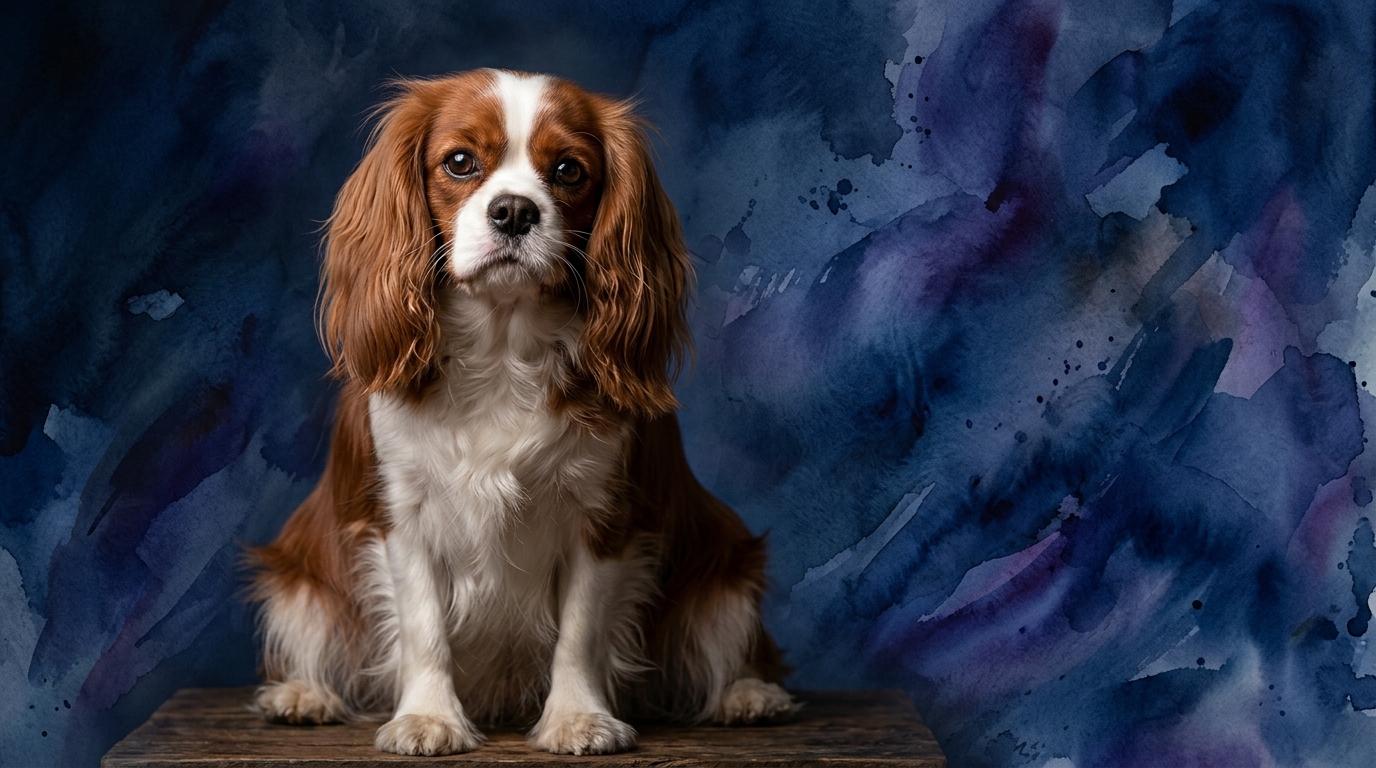
The Cavalier King Charles Spaniel, a delightful member of the Toy group, holds a Coren rank of #44, indicating a respectable capacity for obedience and working intelligence. Their cognitive profile reveals a Problem Solving score of 3/5, suggesting they can navigate moderate challenges but might not excel at intricate puzzles. Training Speed also sits at 3/5, meaning they learn new commands at an average pace, requiring consistent, positive reinforcement to solidify behaviors. Where Cavaliers truly shine is in Social Intelligence, earning a perfect 5/5; they are exceptionally attuned to human emotions and social cues, making them intuitive companions. Their Instinctive Drive is moderate at 3/5, reflecting a balanced predisposition without overwhelming prey or herding urges. Finally, their Memory is rated 3/5, allowing them to retain learned information with regular practice.
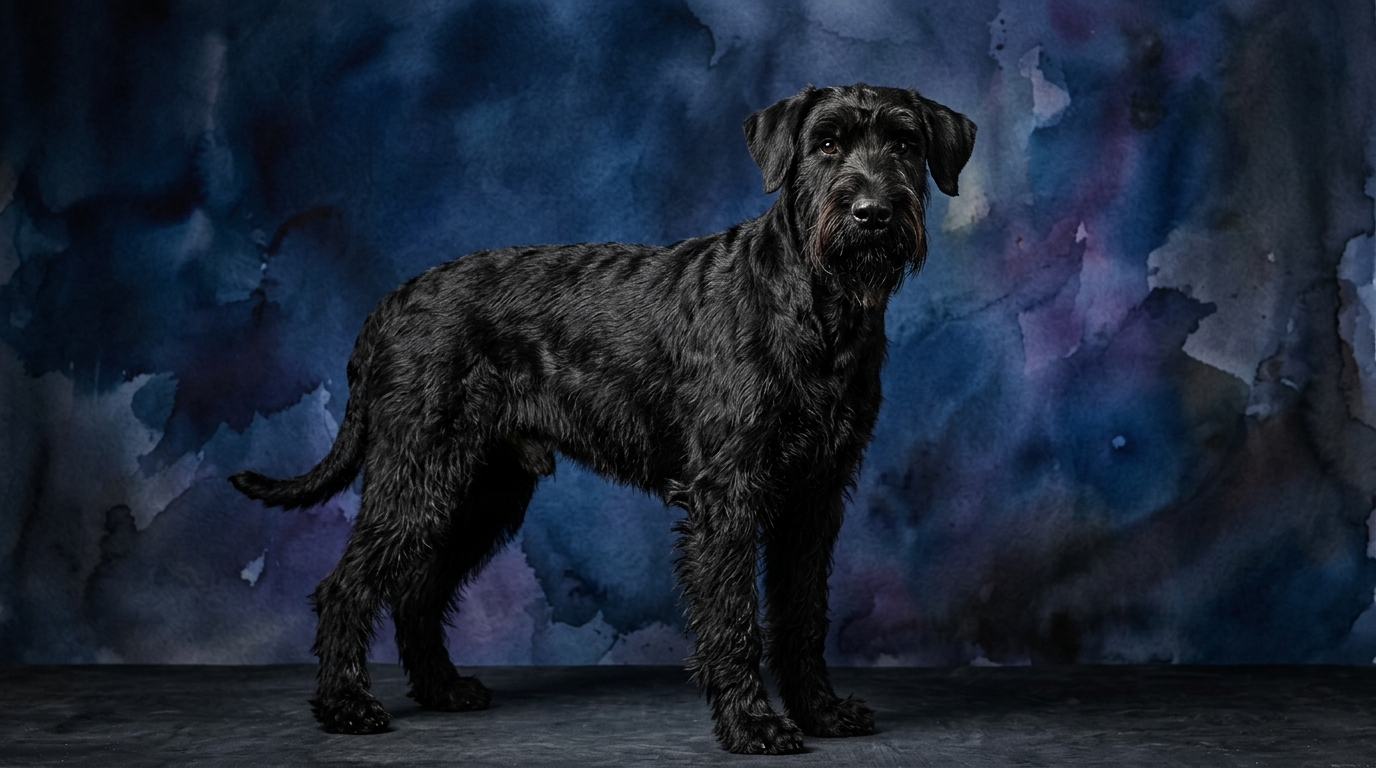
In contrast, the Giant Schnauzer, a robust member of the Working group, commands a higher Coren rank of #28, positioning them among breeds that generally learn new commands with fewer repetitions. Their cognitive scores reflect this distinction: Problem Solving is a solid 4/5, indicating a strong aptitude for tackling complex mental tasks and figuring out solutions independently. Training Speed also registers at 4/5, meaning they grasp new concepts relatively quickly and are eager to engage in structured learning. Their Social Intelligence is a moderate 3/5; while capable of forming strong bonds, their focus is often more task-oriented than emotionally intuitive. Instinctive Drive matches the Cavalier at 3/5, though its manifestation can be more robust given their protective and working lineage. Memory is rated 4/5, suggesting a superior ability to recall training and experiences over extended periods.
Where the Cavalier King Charles Spaniel Wins Cognitively
The Cavalier King Charles Spaniel’s preeminent cognitive strength lies in their exceptional Social Intelligence, scoring a perfect 5/5. This isn't merely about being affectionate; it represents a profound capacity to read and respond to human emotions, making them unparalleled emotional support animals and deeply empathetic companions. A Cavalier can often sense a change in an owner's mood, offering comfort or soliciting play with uncanny accuracy, a trait far beyond simple learned behaviors. This high social acumen means they excel in environments where understanding human nuance is paramount, thriving on interaction and forming incredibly strong, reciprocal bonds. Their moderate Instinctive Drive (3/5) also provides a cognitive 'win' in certain contexts; unlike breeds with intense working drives, Cavaliers are less likely to become restless or destructive if not given a specific 'job.' This makes them inherently more adaptable to a relaxed home environment where their primary role is companionship, without the constant mental demand for complex tasks that might frustrate other breeds. They are content to be present, observant, and emotionally available, a cognitive advantage for owners seeking a serene yet deeply connected canine partner.
Where the Giant Schnauzer Wins Cognitively
The Giant Schnauzer’s cognitive profile showcases distinct strengths rooted in their working heritage, particularly in Problem Solving, Training Speed, and Memory, all rated 4/5. Their superior Problem Solving ability means they are adept at navigating complex situations, whether it's figuring out how to open a gate or learning intricate sequences in advanced obedience work. This isn't just about following commands; it's about processing information and applying learned concepts to new challenges. Coupled with a swift Training Speed, they absorb new commands and routines with remarkable efficiency, often requiring fewer repetitions than many other breeds to achieve mastery. This makes them highly responsive to consistent, structured training, capable of progressing rapidly through different levels of complexity. Furthermore, their robust Memory (4/5) ensures that these learned skills and solutions are retained over time, making their training durable and reliable. Owners can expect a Giant Schnauzer to recall commands and established routines even after a break, demonstrating a lasting cognitive imprint. These combined strengths make the Giant Schnauzer an exceptional candidate for roles requiring sustained mental engagement, precision, and reliable performance, such as protection work, competitive dog sports, or service animal tasks.
Which is Easier to Train and Why
Assessing ease of training involves more than just raw intelligence; it encompasses temperament, motivation, and inherent drive. The Giant Schnauzer, with its 4/5 scores in Training Speed and Memory, generally presents as easier to train for complex, command-based tasks. Their working dog lineage means they possess an innate desire for purpose and structure, translating into a strong focus during training sessions. They respond well to clear, consistent instruction and thrive on the mental stimulation of learning new behaviors. Their quick grasp of concepts and excellent retention means they can progress rapidly through advanced obedience, agility, or protection training. However, their moderate social intelligence (3/5) and strong personality mean training must be engaging and delivered by a confident, consistent handler to maintain their attention and respect.
The Cavalier King Charles Spaniel, with 3/5 scores in Training Speed and Memory, requires a different approach. While they might take longer to master complex commands, their exceptional Social Intelligence (5/5) makes them highly motivated by human approval and connection. They are eager to please and respond beautifully to positive reinforcement, especially when it involves praise and affection. Their training 'difficulty' doesn't stem from a lack of willingness, but rather from a potentially shorter attention span for repetitive tasks not directly linked to social interaction, and a lesser inherent drive for 'work.' Teaching a Cavalier involves leveraging their desire for companionship, making training a bonding experience rather than a rigorous task. They excel in basic manners and house training when the process is gentle, consistent, and emotionally rewarding, though they might not reach the same level of complex task proficiency as a Giant Schnauzer.
Suitability for Active vs. Relaxed Owners
The choice between these two breeds largely hinges on an owner’s lifestyle and capacity for engagement. The Giant Schnauzer is undeniably suited for active owners who are prepared to meet their significant mental and physical exercise requirements. Their superior problem-solving skills and quick training speed mean they thrive when given a 'job' – whether that's advanced obedience, agility, protection training, or even just long, structured walks with purpose. Owners who enjoy competitive dog sports, long hikes, or simply dedicating substantial time to training and mental enrichment will find the Giant Schnauzer a rewarding partner. Without adequate stimulation, their keen intellect and robust physical nature can lead to boredom, frustration, and potentially destructive behaviors. They require an owner who can provide firm, consistent leadership and channel their intelligence into productive outlets.
Conversely, the Cavalier King Charles Spaniel is an ideal match for more relaxed owners seeking a devoted, emotionally intuitive companion. Their perfect 5/5 Social Intelligence means they flourish in environments rich with human interaction and affection, content to be a constant, comforting presence. While they enjoy gentle walks and play, their moderate instinctive drive and problem-solving scores mean they don't demand intense physical exertion or complex mental tasks to be content. They are perfectly happy snuggling on the couch, observing household activities, or accompanying their owners on leisurely strolls. Owners who prioritize companionship, emotional connection, and a relatively low-maintenance activity schedule will find the Cavalier to be an exceptionally harmonious fit, enriching their lives with their gentle nature and profound emotional awareness.
The Verdict
Choose a Cavalier King Charles Spaniel if your priority is an emotionally attuned companion who thrives on close social bonds and fits seamlessly into a relaxed, affectionate household.
Opt for a Giant Schnauzer if you are an active owner prepared to engage a robust working dog with complex training, mental challenges, and a structured environment.
🧠 Find Your Pet's IQ Score
Our Pet IQ Lab assessment covers 25+ tests across 5 cognitive dimensions — personalized to your breed.
Take the Full IQ Test →Frequently Asked Questions
Do Cavalier King Charles Spaniels require much mental stimulation?
While not driven by complex tasks like some working breeds, Cavaliers benefit from interactive play, puzzle toys, and consistent, gentle training to keep their moderate problem-solving and memory engaged. Their primary mental need is often social interaction and companionship.
Can Giant Schnauzers be good family dogs despite their working background?
Yes, Giant Schnauzers can be devoted family members when properly socialized and trained, but their strong protective instincts and need for mental engagement mean they thrive best in homes with experienced owners who can provide clear boundaries and consistent leadership. Their social intelligence is moderate, so early exposure to various people and situations is key.
How do the Coren ranks reflect their daily behavior?
The Coren rank broadly indicates a breed's 'working and obedience intelligence,' meaning a lower number like the Giant Schnauzer's #28 suggests they generally learn new commands faster and obey them more reliably than a Cavalier at #44. This translates to the Giant Schnauzer often being more responsive to structured command-based training, while the Cavalier's strengths lie more in their social and emotional responsiveness.