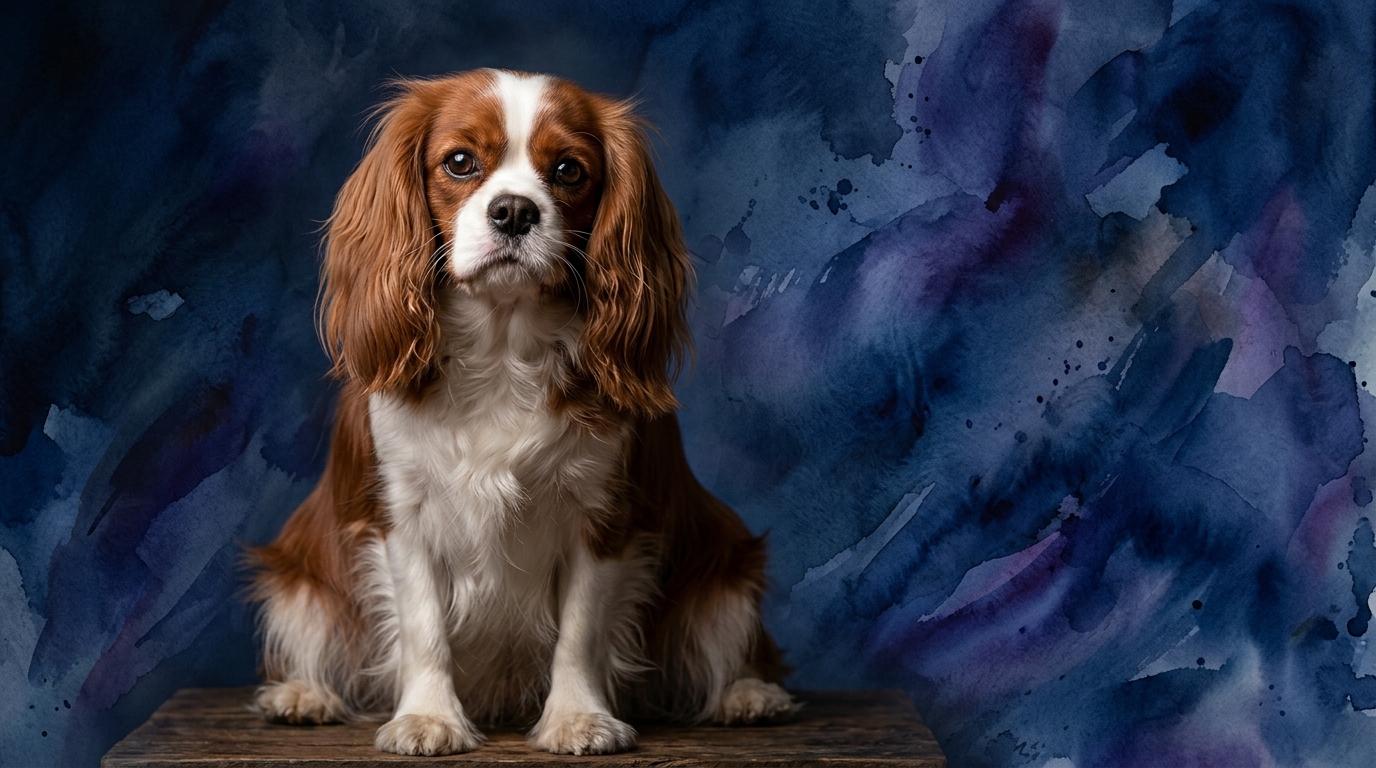
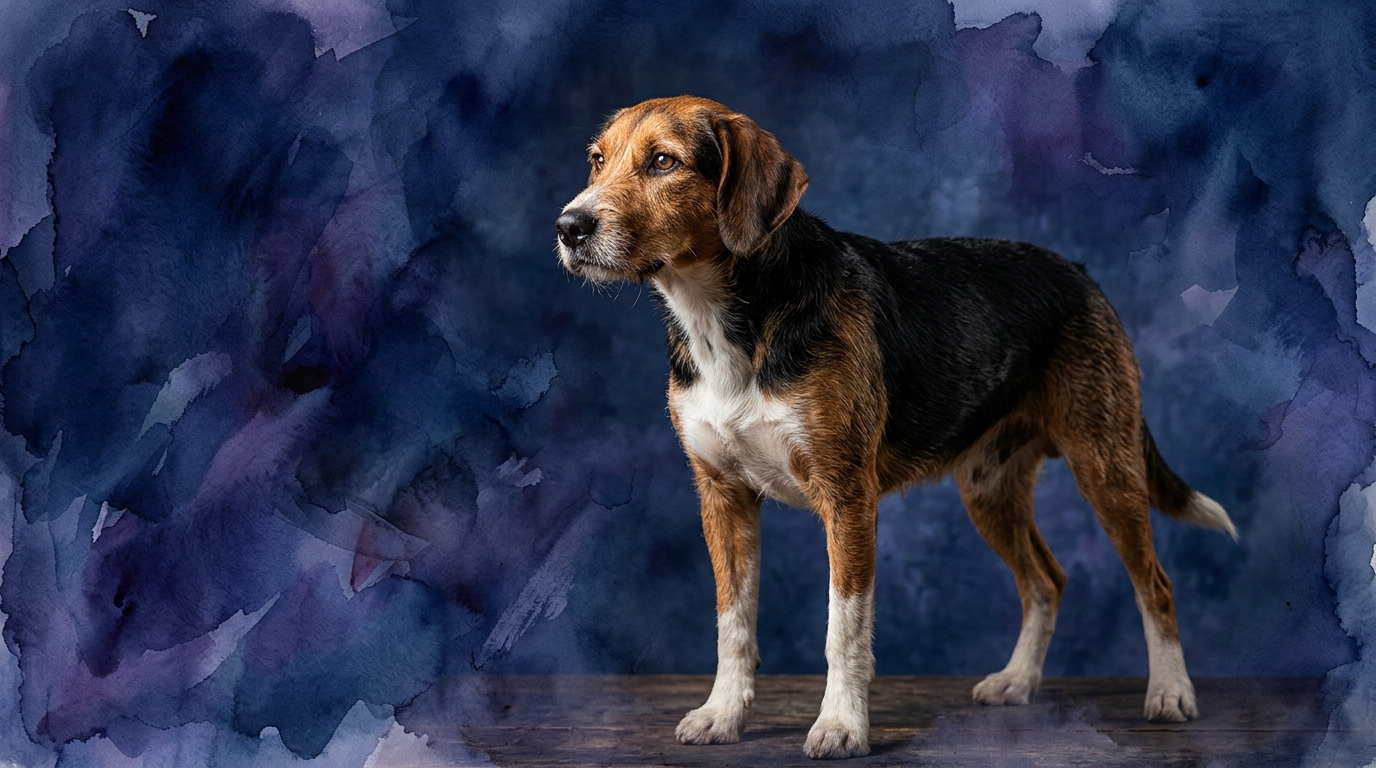
Side-by-Side IQ Profile: Cavalier King Charles Spaniel vs. Harrier
To understand the cognitive nuances of these two breeds, The Cosmic Pet Pet IQ Lab assesses five key dimensions:
**Cavalier King Charles Spaniel:** Problem Solving 3/5, Training Speed 3/5, Social Intelligence 5/5, Instinctive Drive 3/5, Memory 3/5.
**Harrier:** Problem Solving 3/5, Training Speed 3/5, Social Intelligence 3/5, Instinctive Drive 3/5, Memory 3/5.
**Cavalier King Charles Spaniel:** Problem Solving (3/5): Cavaliers possess a moderate capacity for navigating novel situations and figuring out solutions to simple environmental puzzles. They can learn routines, adapt to changes in their environment, and understand cause-and-effect relationships for basic tasks, but aren't typically strategizing complex escapes or intricate object manipulations. Their approach to challenges is often more about seeking human assistance or finding the most direct, uncomplicated route to a desired outcome. Training Speed (3/5): Their teachability is moderate; they respond well to positive reinforcement and clear, consistent cues, but require repeated practice to solidify new behaviors. While they aren't instant learners, their eagerness to please and desire for interaction make them willing participants in training, often enjoying the process as a bonding activity. Consistency is key to unlocking their full training potential. Social Intelligence (5/5): This is where Cavaliers truly shine. They exhibit exceptional ability to read human emotions, respond to subtle shifts in tone and body language, and form deep, empathic bonds. Their understanding of social cues makes them incredibly attuned companions, capable of anticipating needs and offering comfort. This profound social awareness allows them to integrate seamlessly into family life and understand complex social dynamics within a household. Instinctive Drive (3/5): While primarily bred for companionship, Cavaliers retain some moderate instinctive drives. This might manifest as a curiosity for scents, a playful chase instinct for toys, or a strong desire for comfort and closeness. These drives are generally manageable and often complement their companion role, providing opportunities for gentle play and engagement without overwhelming their primary function as a lap dog. Memory (3/5): Cavaliers have a moderate capacity for retaining learned commands, familiar faces, and past experiences. They'll remember their training, the people they love, and positive or negative associations with certain places or events. This memory contributes to their consistent behavior once trained and their strong bonds with family members over time.
**Harrier:** Problem Solving (3/5): Harriers also show a moderate aptitude for problem-solving. They can navigate complex terrains, find their way back over long distances, and overcome simple obstacles in pursuit of a goal, often scent-related. Their solutions are generally practical and direct, focused on efficiency in their primary task of tracking. They excel at figuring out how to get to a scent source or follow a fading trail. Training Speed (3/5): Like Cavaliers, Harriers have a moderate training speed. They are capable of learning commands and routines, but their independent hound nature means they require patient, consistent training and strong motivation, often food or scent-based, to overcome distractions. Their focus can be singular when on a scent, making it challenging to redirect their attention to human commands without compelling incentives. Social Intelligence (3/5): Harriers possess a moderate level of social intelligence. They are capable of forming bonds with their human family and interacting effectively with other dogs, often in a pack context. However, their primary social focus is less on nuanced human emotional reading and more on cooperative action and communication necessary for hunting, demonstrating a different form of cognitive collaboration for shared goals rather than individual human emotional attunement. Instinctive Drive (3/5): For Harriers, this 3/5 score translates to a pronounced prey drive and an innate desire to follow a scent trail. This is a core part of their being, driving their stamina, focus, and determination during outdoor activities. This powerful instinctive drive is a significant aspect of their cognitive makeup, dictating much of their behavioral responses in stimulating environments. Memory (3/5): Harriers exhibit a moderate memory for training, complex scent trails, and familiar environments. They will remember where they found a good scent, the route they took on a previous hunt, or the location of specific resources. However, their recall for human-centric commands might be overshadowed by a compelling scent or a strong instinctive urge if not reinforced consistently with high-value rewards.
Where the Cavalier King Charles Spaniel Wins Cognitively
The Cavalier King Charles Spaniel distinguishes itself primarily through its superior social intelligence. At a perfect 5 out of 5, their capacity for emotional attunement is exceptional, far surpassing the Harrier's 3/5. This means a Cavalier is profoundly adept at interpreting human moods, responding to subtle shifts in tone and body language, and offering comfort precisely when needed. Their cognitive strength lies in fostering deep, symbiotic relationships, making them incredibly intuitive companions. This heightened social awareness also contributes significantly to their adaptability within a family setting, as they quickly learn household dynamics and individual preferences, often anticipating human desires for connection or play before a command is even given. Their drive for companionship is so strong that it often acts as a powerful motivator for learning and compliance, making them remarkably easy to integrate into a human-centric lifestyle.
Where the Harrier Wins Cognitively
While their raw cognitive scores appear similar across several dimensions, the Harrier's specific cognitive strengths are deeply rooted in its ancestral purpose as a scent hound. Their 3/5 instinctive drive, while numerically identical to the Cavalier's, manifests as an unwavering focus and endurance when tracking a scent. This isn't just a physical trait; it's a profound cognitive ability to process complex olfactory information, maintain concentration over long periods, and apply problem-solving skills to follow a trail despite diversions or environmental challenges. Their moderate social intelligence, while lower than the Cavalier's, is geared towards effective cooperation within a working pack, demonstrating a different form of cognitive collaboration for shared goals rather than individual human bonding. Their memory, while 3/5, is particularly robust for scent profiles and terrain navigation, critical for their working role, allowing them to recall specific scents and routes with impressive accuracy over time.
Which is Easier to Train and Why
When considering ease of training, the Cavalier King Charles Spaniel generally presents a more straightforward experience. Despite both breeds sharing a 3/5 training speed, the Cavalier's paramount social intelligence (5/5) means they are intrinsically motivated to please their human companions and eager to engage in cooperative activities. Their responsiveness to subtle cues and desire for connection translates into a dog that is typically more attentive during training sessions and more inclined to comply with commands to maintain harmony. They often view training as an extension of their bond with their owner, making them highly receptive. In contrast, the Harrier, with its 3/5 social intelligence and strong instinctive drives, can be more independently minded. While they are capable learners, their powerful scent drive can easily override human directives, making consistency and high-value rewards essential to keep their focus. Training a Harrier often involves working *with* their instincts, rather than expecting them to easily suppress them, requiring a more nuanced, persistent, and often creative approach to channel their natural drives into desired behaviors.
Which Suits Active Owners vs. Relaxed Owners
The choice between a Cavalier King Charles Spaniel and a Harrier largely hinges on an owner's lifestyle and expectations for canine companionship. For relaxed owners seeking an emotionally attuned and gentle presence, the Cavalier is an ideal match. Their strong social intelligence and moderate energy levels mean they thrive on companionship, cuddles, and quiet indoor activities interspersed with gentle walks. They are content to be a devoted lap dog, offering intuitive emotional support and adapting readily to a calmer household rhythm. Conversely, the Harrier is best suited for active owners who relish outdoor adventures and can provide ample opportunities for physical and mental stimulation. Their robust build, endurance, and profound scent drive demand regular, vigorous exercise and engagement in activities like hiking, scent work, or even dog sports. A Harrier will not be content with a sedentary lifestyle; they need an owner who can channel their working instincts into productive and fulfilling outlets, understanding that their cognitive drive is towards exploration and pursuit.
The Verdict
Choose a Cavalier King Charles Spaniel if your primary desire is an intimately connected, emotionally responsive companion dog that thrives on human interaction and provides intuitive comfort, fitting seamlessly into a more relaxed household rhythm.
Opt for a Harrier if you are an active individual or family seeking a robust, resilient dog with a strong working drive, capable of sustained outdoor activity, and enjoy engaging in scent-based pursuits or long, vigorous treks.
🧠 Find Your Pet's IQ Score
Our Pet IQ Lab assessment covers 25+ tests across 5 cognitive dimensions — personalized to your breed.
Take the Full IQ Test →Frequently Asked Questions
Do Cavalier King Charles Spaniels make good therapy dogs?
Yes, their exceptional social intelligence (5/5) makes them particularly well-suited for therapy work. They possess an innate ability to read and respond to human emotions, offering comfort and connection in various settings, which is a key cognitive advantage for such roles.
How does a Harrier's instinctive drive impact daily life?
A Harrier's 3/5 instinctive drive manifests primarily as a powerful scenting ability and prey drive, meaning they are often compelled to follow interesting smells. This requires secure fencing, leash walking in unfenced areas, and consistent training to manage their natural inclination to pursue a trail.
Are Harriers difficult to live with due to their Coren ranking being 'Not Ranked'?
The 'Not Coren-ranked' status for Harriers doesn't imply difficulty, but rather indicates they weren't included in that specific study's methodology. Their moderate problem-solving and training speed scores suggest they are capable learners, but their independent hound nature and strong drives necessitate an owner who understands and can consistently manage these specific cognitive traits.