Side-by-Side IQ Profile: A Closer Look at Cognitive Dimensions
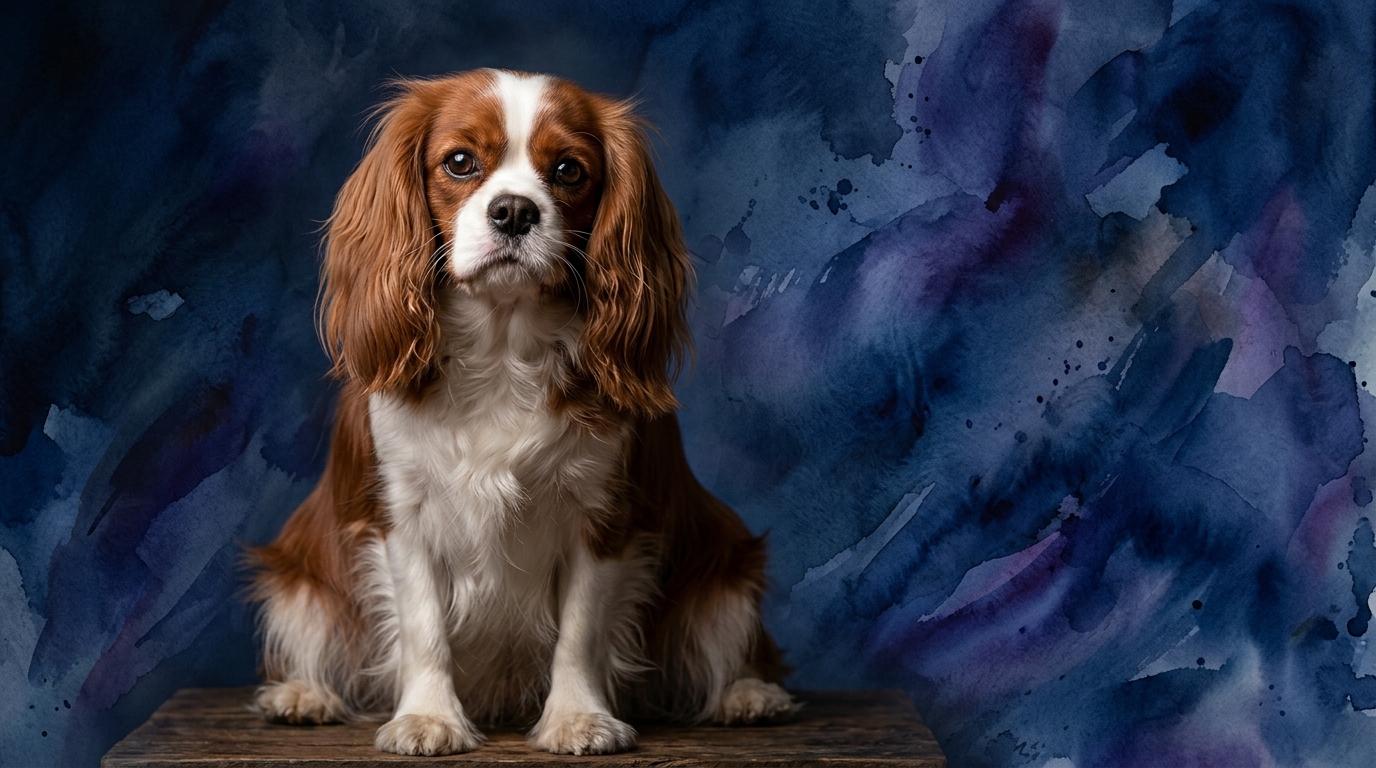
The Cosmic Pet Pet IQ Lab employs a five-dimensional framework to assess canine intelligence, offering a granular view beyond simple obedience. For the Cavalier King Charles Spaniel, ranked #44 by Coren, we observe a balanced cognitive profile: Problem Solving at 3/5, Training Speed at 3/5, Social Intelligence at an impressive 5/5, Instinctive Drive at 3/5, and Memory at 3/5. This suggests a dog that can navigate moderate challenges, learn at a reasonable pace, connect deeply with humans, possesses a moderate natural drive, and retains information adequately.
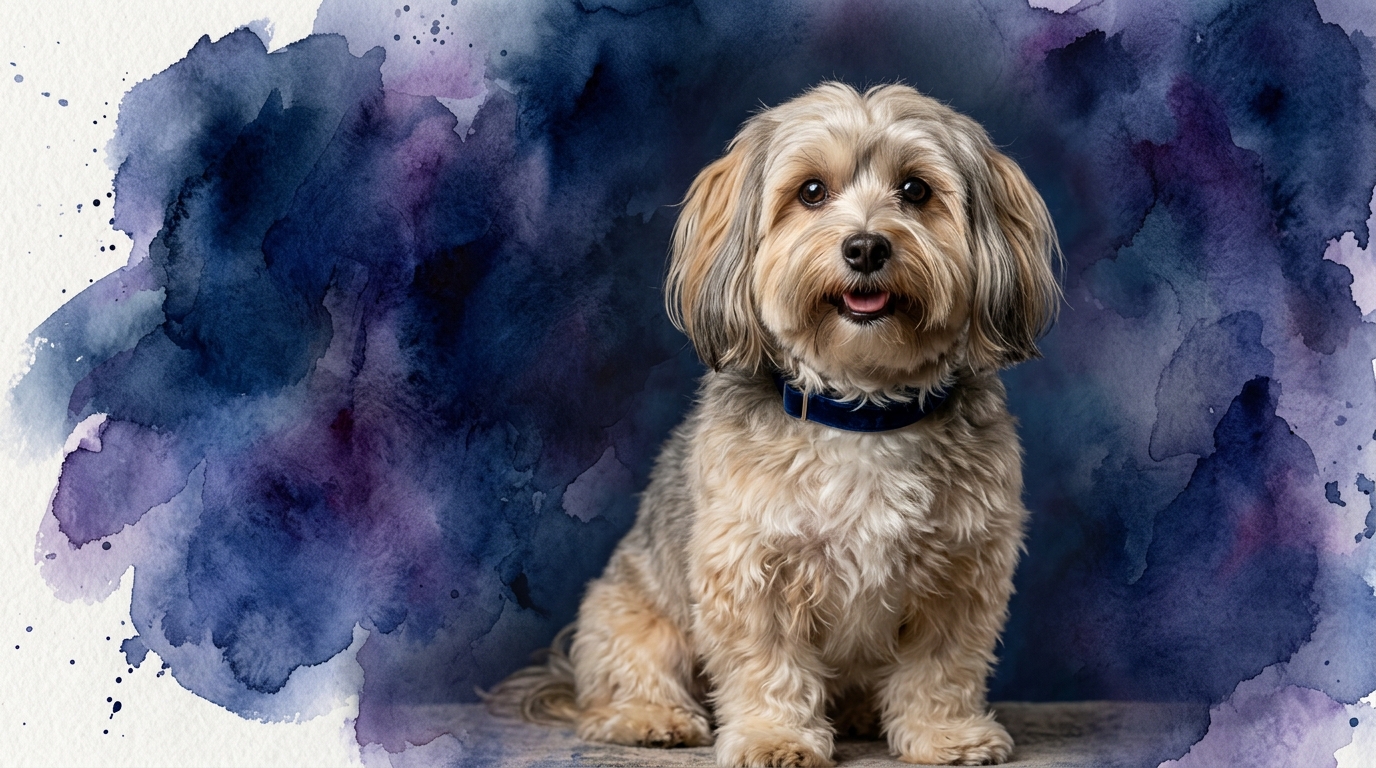
The Havanese, while not Coren-ranked, presents a remarkably similar profile across most dimensions: Problem Solving at 3/5, Training Speed at 3/5, Social Intelligence matching the Cavalier at 5/5, and Memory also at 3/5. The key distinction emerges in their Instinctive Drive, where the Havanese scores 2/5 compared to the Cavalier's 3/5. This subtle yet significant difference points to a divergence in their inherent motivations and how they interact with their environment, which ultimately influences their behavior and training responsiveness.
Where the Cavalier King Charles Spaniel Excels Cognitively
The Cavalier King Charles Spaniel's cognitive edge primarily lies in its slightly more robust Instinctive Drive, rated at 3/5. This higher score suggests a breed with a marginally stronger innate inclination towards exploring its surroundings, engaging with novel stimuli, and potentially demonstrating a greater persistence in tasks that tap into natural canine behaviors, such as gentle retrieving or following a scent trail. While still a calm companion, this dimension implies a slightly more engaged and curious approach to the world compared to its Havanese counterpart.
This moderate instinctive drive, combined with its Coren ranking, indicates a dog that can be more readily motivated by activities that involve a degree of exploration or interaction with objects, rather than solely human attention. They might show a bit more enthusiasm for a varied walking route or a simple game of fetch in the yard, translating to a dog that, while equally affectionate, also appreciates opportunities to exercise its natural inclinations in a gentle manner. Their cognitive makeup allows them to be adaptable, comfortable with both quiet companionship and mild, structured engagement.
Where the Havanese Holds a Cognitive Advantage
The Havanese's distinct cognitive strength, paradoxically, stems from its lower Instinctive Drive, rated at 2/5. While a lower drive might seem like a disadvantage in some contexts, for a dedicated companion breed, it translates into a dog that is exceptionally content with a more sedentary, human-centric existence. This reduced inclination for independent exploration or strong prey drive means the Havanese is often more focused on its human companions, less prone to chasing small animals or wandering off, and generally more satisfied with indoor activities and close proximity to its family.
This cognitive profile makes the Havanese an unparalleled lap dog and an ideal choice for individuals seeking constant companionship without the need for extensive outdoor ventures driven by innate urges. Their profound Social Intelligence (5/5) is amplified by this lower drive, ensuring that their primary focus and source of contentment are their human relationships, making them incredibly attentive and eager to please in social contexts. They win in the realm of pure, unwavering companionship, where their cognitive focus is almost entirely on their people.
Which is Easier to Train and Why: Real Behavioral Differences
Both the Cavalier King Charles Spaniel and the Havanese share a Training Speed of 3/5, indicating they learn new commands at a similar, moderate pace. However, the *ease* of training can differ based on their differing Instinctive Drives and how these interact with their high Social Intelligence. The Cavalier, with its 3/5 Instinctive Drive, might respond well to training that incorporates gentle games like retrieving or seeking, as these tap into its natural inclinations. Their Coren rank suggests they are generally amenable to obedience training, thriving on positive reinforcement that acknowledges their eagerness to please and mild exploratory nature.
The Havanese, with its 2/5 Instinctive Drive, might be less distracted by environmental stimuli like scents or distant movement, making them highly attentive to their handler during training sessions. Their 5/5 Social Intelligence means they are profoundly motivated by human approval and interaction, making them eager to perform for praise, treats, and affection. While they might not be as inclined towards complex scent work, their focus on the human element can make them exceptionally responsive to trick training, cooperative games, and basic obedience within a home environment, where the reward is primarily social connection.
Suitability for Active vs. Relaxed Owners: Matching Cognitive Needs
For owners who enjoy gentle activity and a bit of outdoor exploration, the Cavalier King Charles Spaniel's cognitive profile, particularly its Instinctive Drive of 3/5, makes it a suitable choice. They appreciate varied walks, light play in the park, and mild engagement with their surroundings, without being overly demanding. Their balanced problem-solving and memory scores mean they can enjoy learning new routes or simple interactive toys, making them adaptable companions for those who want a dog that can participate in low-key adventures while still being a devoted lap dog at home.
Conversely, the Havanese, with its lower Instinctive Drive of 2/5, is an ideal match for more relaxed owners or those in smaller living spaces. Their profound Social Intelligence (5/5) ensures they are deeply content with indoor play, short strolls, and primarily, being close to their human family. They thrive on companionship and attention, requiring less external stimulation to be happy and well-adjusted. This cognitive makeup means they are perfectly suited for a lifestyle where the primary activity is shared quiet time, affection, and gentle indoor interaction, making them the ultimate relaxed companion.
The Verdict
Choose the Cavalier King Charles Spaniel if you desire a highly social companion with a gentle curiosity for the world, capable of enjoying varied, low-key activities alongside abundant cuddles.
Opt for the Havanese if your priority is an intensely devoted, low-drive companion who thrives on constant human presence and is perfectly content with a more relaxed, indoor-focused lifestyle.
🧠 Find Your Pet's IQ Score
Our Pet IQ Lab assessment covers 25+ tests across 5 cognitive dimensions — personalized to your breed.
Take the Full IQ Test →Frequently Asked Questions
Do Cavalier King Charles Spaniels and Havanese have similar problem-solving abilities?
Yes, both breeds score 3/5 in problem-solving, suggesting they possess a moderate capacity for figuring out puzzles or navigating new situations. They are capable of learning and adapting, though not typically considered master strategists among canines.
How does their social intelligence compare, and what does it mean for owners?
Both breeds boast a perfect 5/5 in social intelligence, indicating an exceptional ability to bond with humans and understand social cues. This means both the Cavalier and Havanese are incredibly affectionate, eager to please, and thrive on close companionship, making them wonderful family pets.
Is one breed significantly better at remembering commands or routines than the other?
No, both breeds have a Memory score of 3/5, suggesting they retain learned information at a similar, moderate rate. With consistent positive reinforcement, both the Cavalier King Charles Spaniel and the Havanese will reliably remember commands and routines.