
Side-by-Side IQ Profile
Cavalier King Charles Spaniel: Ranked #44 by Coren, indicating a solid capacity for understanding new commands. Their Problem Solving score of 3/5 suggests a moderate ability to navigate novel situations or puzzles, often relying on established routines or human guidance rather than independent strategizing. Training Speed, also at 3/5, implies they learn at an average pace, responding well to consistent, positive reinforcement. Where Cavaliers truly shine is in Social Intelligence, earning a perfect 5/5. This reflects an exceptional attunement to human emotions, social cues, and interaction dynamics, making them profoundly empathetic and intuitive companions. Their Instinctive Drive is a moderate 3/5, manifesting as a gentle curiosity or a mild chase instinct for small, fast-moving objects, but generally well-contained within a domestic setting. Memory at 3/5 means they retain learned behaviors and experiences adequately.
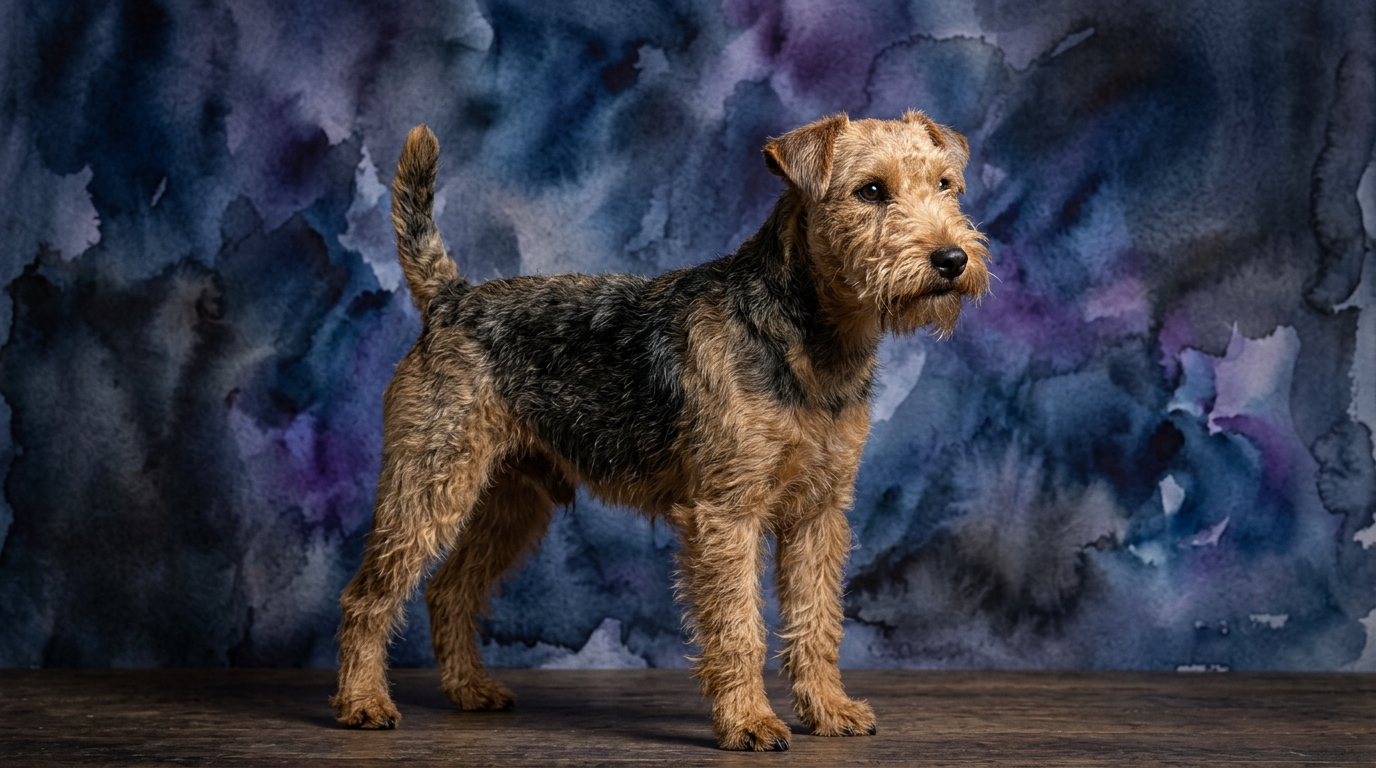
Lakeland Terrier: Not Coren-ranked, suggesting their working breed independence might not align perfectly with Coren's specific obedience-focused criteria, rather than indicating a lack of capacity. Like the Cavalier, the Lakeland scores 3/5 in Problem Solving, but this ability is often applied with a tenacious, independent flair typical of terriers, such as figuring out how to bypass an obstacle in pursuit of a scent. Their Training Speed is also 3/5, meaning they learn new tasks at a similar pace, but their strong will can sometimes make application of learned behaviors conditional on their own motivation. Social Intelligence stands at 3/5, indicating they understand social cues but tend to be more self-reliant and less overtly people-pleasing than the Cavalier; they respect boundaries but may not constantly seek emotional connection. Instinctive Drive is 3/5, but this score for a Lakeland translates into a pronounced prey drive, a persistent digging impulse, and a bold, independent spirit rooted in their history as vermin hunters. Memory, like the Cavalier, is 3/5, allowing them to recall tasks and experiences, often prioritizing those that align with their strong independent nature.
Where Cavalier King Charles Spaniel Wins Cognitively
The Cavalier's undeniable cognitive strength lies in its extraordinary Social Intelligence, scoring a perfect 5/5. This is not merely about being "friendly"; it reflects a profound capacity for emotional attunement and empathetic understanding. Cavaliers excel at reading human body language, facial expressions, and vocal tones, often anticipating their owner's moods and needs. This high social IQ allows them to adapt their behavior seamlessly to social contexts, offering comfort when sensing distress or engaging in playful antics when the mood is light. They are masters of the subtle art of companionship, using their keen perception to foster deep, intuitive bonds. This cognitive advantage makes them exceptionally responsive to human interaction and highly motivated by social rewards, making communication with them feel remarkably natural and reciprocal.
Where Lakeland Terrier Wins Cognitively
While the raw IQ scores for Problem Solving, Training Speed, Instinctive Drive, and Memory are similar to the Cavalier at 3/5, the Lakeland Terrier's cognitive advantages stem from the application and persistence of these abilities, shaped by its working heritage. Its Problem Solving at 3/5 often manifests as robust ingenuity in navigating complex physical environments or overcoming obstacles independently, such as finding a way through dense undergrowth or outmaneuvering small prey. This isn't about solving human-designed puzzles for praise, but about practical, goal-oriented problem-solving. Similarly, its Instinctive Drive, also 3/5, is a focused, unwavering determination. This tenacity allows them to pursue a task with remarkable single-mindedness, whether it's tracking a scent, digging for hours, or persistently engaging with a challenging toy. This combination of practical problem-solving and persistent drive makes them exceptionally resilient and self-sufficient in situations requiring independent action and resolve, qualities that are highly valued in a working terrier.
Which is Easier to Train and Why
Despite both breeds scoring 3/5 in Training Speed, the Cavalier King Charles Spaniel is generally perceived as the easier of the two to train for obedience and general household manners. This perception is largely due to their exceptional 5/5 Social Intelligence. Cavaliers are inherently eager to please their human companions, deeply motivated by affection, praise, and the desire for social connection. Their strong attunement to human cues means they often pick up on intentions and expectations quickly, and their willingness to cooperate makes training a cooperative venture. They thrive on positive reinforcement that strengthens the bond, and their gentle nature means they are less likely to challenge authority or become easily distracted by external stimuli when focused on their owner.
The Lakeland Terrier, while equally capable of learning at an average pace (3/5 Training Speed), presents a different training dynamic. Their moderate 3/5 Social Intelligence, combined with their pronounced independent spirit and strong instinctive drives, means they often require a more patient, consistent, and creative approach. A Lakeland might learn a command quickly but choose to execute it only if it aligns with their current interest or if the reward is sufficiently compelling. Their terrier tenacity can sometimes translate into stubbornness, especially if they perceive a more exciting alternative, like a captivating scent or a potential chase. Training a Lakeland often involves convincing them that following commands is more rewarding than pursuing their own agenda, demanding an owner who understands and respects their inherent independence and working drive.
Which Suits Active Owners vs Relaxed Owners
For owners seeking a relaxed, devoted companion, the Cavalier King Charles Spaniel is an ideal match. Their moderate Instinctive Drive and Problem Solving scores, coupled with their outstanding Social Intelligence, mean they are most content when integrated fully into family life, thriving on close companionship and shared affection. They enjoy gentle walks, leisurely play sessions, and are perfectly happy to curl up on the couch for extended periods. Their primary need is human connection, making them excellent companions for individuals or families who prefer a calmer pace of life and can offer consistent, loving attention. They adapt well to various living situations, from apartments to larger homes, as long as their need for social interaction is met.
Conversely, the Lakeland Terrier is better suited for active owners who appreciate and can channel a dog's independent spirit and zest for life. While their IQ scores in Problem Solving and Instinctive Drive are 3/5, these manifest as a robust need for mental and physical engagement. Lakelands require regular, invigorating exercise that goes beyond a simple walk; they excel in activities like hiking, earthdog trials, agility, or extensive scent work that allows them to utilize their keen senses and problem-solving tenacity. Their moderate Social Intelligence means they value their human bond but are also perfectly content and often prefer to pursue their own interests, exploring their environment with curiosity and determination. Owners who enjoy an active outdoor lifestyle and are prepared to provide consistent mental and physical challenges will find a rewarding partnership with a Lakeland Terrier.
The Verdict
Opt for a Cavalier if your lifestyle prioritizes deep emotional connection, intuitive companionship, and a dog that thrives on shared affection within a relatively calm and predictable home environment.
Select a Lakeland if you appreciate an independent spirit, enjoy engaging in active pursuits and challenging mental games, and value a tenacious, curious companion with a robust, self-reliant personality.
🧠 Find Your Pet's IQ Score
Our Pet IQ Lab assessment covers 25+ tests across 5 cognitive dimensions — personalized to your breed.
Take the Full IQ Test →Frequently Asked Questions
Are Cavaliers typically good with children?
Yes, their high social intelligence and gentle nature generally make Cavalier King Charles Spaniels wonderful companions for children, provided interactions are supervised and respectful.
Do Lakeland Terriers require a lot of grooming?
Lakeland Terriers have a wiry double coat that requires regular hand-stripping or professional grooming several times a year to maintain its texture and health, in addition to weekly brushing.
Can a Cavalier King Charles Spaniel live in an apartment?
Absolutely, Cavaliers are highly adaptable and can thrive in apartment living, provided they receive sufficient social interaction, regular gentle exercise, and mental stimulation through companionship.