Side-by-Side Cognitive Profile: Cavalier King Charles Spaniel vs. Lhasa Apso
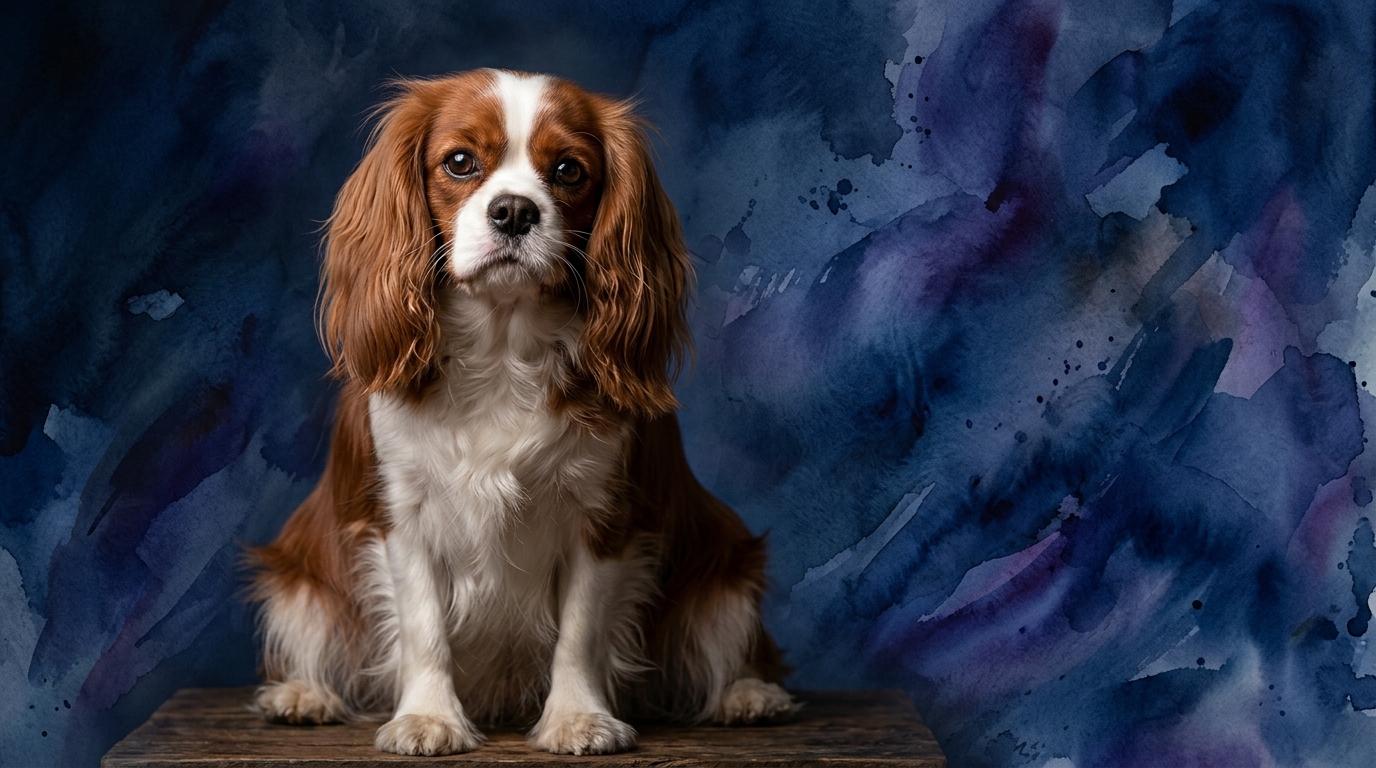
Delving into the specific cognitive dimensions for both the Cavalier King Charles Spaniel and the Lhasa Apso reveals a nuanced landscape of abilities. The Cavalier King Charles Spaniel (Coren rank #44) presents a profile strong in companionship and intuitive understanding. Their Problem Solving is rated 3/5, indicating an average capacity to navigate novel challenges or figure out how to access a desired item, relying often on human cues or established routines rather than complex, independent strategizing. Training Speed for Cavaliers also sits at 3/5, suggesting they grasp new commands at a moderate pace, typically requiring consistent, positive reinforcement to solidify learning. A standout trait is their Social Intelligence at 5/5, reflecting an exceptional ability to read human emotions, understand social cues, and form deep, empathetic bonds, making them highly attuned to their family's mood and desires. Instinctive Drive is 3/5, meaning their inherent breed-specific behaviors, like a gentle chase instinct or a desire to retrieve, are present but not overwhelmingly dominant. Finally, their Memory is 3/5, allowing them to retain learned behaviors and recognize familiar faces and places without extraordinary recall.
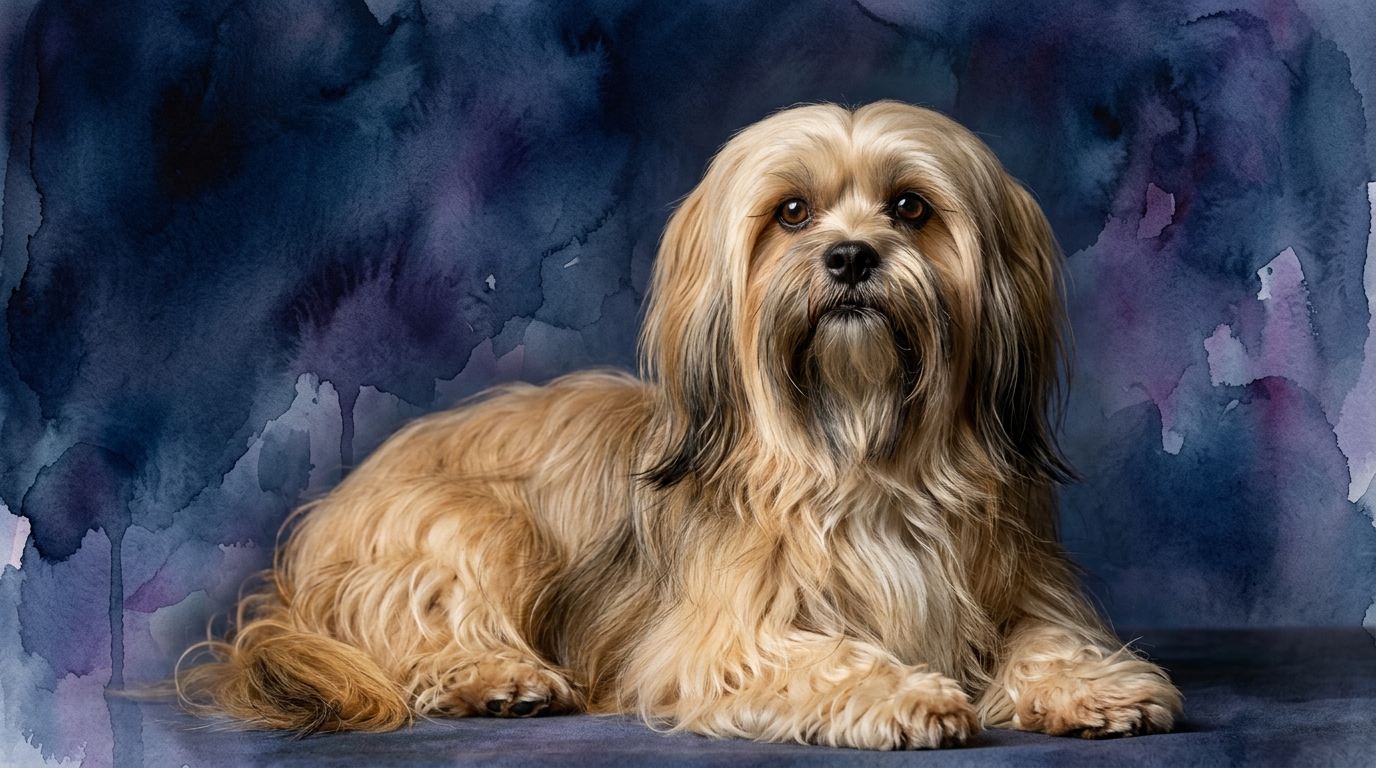
In contrast, the Lhasa Apso (Coren rank #68) exhibits a cognitive profile more aligned with their historical role as watchful guardians. Their Problem Solving also scores 3/5, similar to the Cavalier, suggesting they can tackle everyday dilemmas but might require some guidance for more intricate tasks. Their Training Speed, too, is 3/5, meaning they learn at a moderate pace, but this can sometimes be influenced by their independent nature, requiring patience and clear motivation from their trainer. Social Intelligence for the Lhasa Apso is 3/5, indicating a capacity for connection but often with a more selective and reserved approach compared to the Cavalier; they appreciate their family but may not constantly seek interaction or emotional mirroring. Their Instinctive Drive is 3/5, which for a Lhasa Apso often manifests as a strong territorial instinct and an alertness to their surroundings, rather than a strong prey drive. Memory for the Lhasa Apso is also 3/5, enabling them to remember commands, routines, and who belongs in their inner circle, though their recall might be more selective based on perceived necessity or motivation.
Where the Cavalier King Charles Spaniel Cognitively Excels
The Cavalier King Charles Spaniel's undeniable cognitive strength lies in their remarkable Social Intelligence, scoring a perfect 5/5 compared to the Lhasa Apso's 3/5. This isn't merely about being friendly; it signifies a profound capacity to interpret human emotions, body language, and vocal tones with exceptional accuracy. A Cavalier can often anticipate their owner's needs or mood changes, offering comfort or companionship precisely when it's most desired, without needing explicit commands. This high social acumen translates into a dog that integrates seamlessly into a family unit, forming incredibly strong, empathetic bonds. They are masters of co-regulation, often mirroring their human's emotional state, which makes them uniquely suited as therapeutic companions or simply as highly intuitive family members who enrich the household dynamic through their sensitive presence. This deep understanding of social cues also aids in their adaptability to various social situations, making them generally more comfortable and less stressed in novel environments with new people or animals, as they quickly assess the social climate.
Where the Lhasa Apso's Cognitive Traits Shine
While the Lhasa Apso doesn't outscore the Cavalier in any specific cognitive dimension, their unique blend of scores—particularly their 3/5 Social Intelligence alongside 3/5 Problem Solving and Memory—creates a cognitive profile that excels in self-reliance and discerning judgment, characteristics rooted in their historical role as temple guardians. Their moderate social intelligence means they form strong bonds, but they are not defined by a constant need for human validation or interaction. This independence allows them to process information and make decisions based on their own assessment of a situation, rather than relying solely on human direction. For owners who appreciate a dog with a strong sense of self and an innate ability to observe and protect their domain, the Lhasa Apso's cognitive makeup is a distinct advantage. They are not easily swayed or overly dependent, bringing a steadfast, watchful presence that provides a sense of security and a quiet dignity. Their cognitive profile supports a focused, almost meditative vigilance, making them exceptionally good at discerning friend from stranger and alerting their family to perceived anomalies, a 'win' for those seeking a dog with an inherent sense of duty and a less emotionally demanding companionship style.
Trainability: Cavalier King Charles Spaniel vs. Lhasa Apso
When considering ease of training, the Cavalier King Charles Spaniel generally presents a more straightforward experience than the Lhasa Apso, despite both having a Training Speed rating of 3/5. The critical difference lies in their Social Intelligence scores: the Cavalier's 5/5 versus the Lhasa Apso's 3/5. A Cavalier's profound desire to please and their innate ability to understand human intent makes them highly motivated to cooperate. They thrive on positive reinforcement and the approval of their owner, often showing eagerness to learn new commands simply for the joy of interaction and connection. This means that while they learn at a moderate pace, their willingness to engage and their sensitivity to social cues significantly smooth the training process. They are less likely to intentionally ignore commands and more likely to try and figure out what their human wants.
The Lhasa Apso, while equally capable of learning at a moderate pace (3/5 Training Speed), approaches training with a more independent mindset due to their 3/5 Social Intelligence. They are not inherently driven by a strong desire to please or constant human validation. Instead, a Lhasa Apso needs to understand the 'why' behind a command or perceive a clear benefit for themselves. This can sometimes be interpreted as stubbornness, but it's more accurately described as a strong sense of self-possession. Training a Lhasa Apso requires patience, consistency, and a clear, fair approach, often relying on high-value rewards and making the training feel like a collaborative effort rather than a directive. They will learn, but they might take more convincing and respond better to a respectful partnership than to a demanding trainer. Their social independence means they're less likely to 'give in' simply because you asked, requiring trainers to be more creative and persistent in finding their motivation.
Suitability for Active vs. Relaxed Owners
The cognitive profiles of these two breeds offer distinct advantages for different owner lifestyles. The Cavalier King Charles Spaniel, with their exceptionally high Social Intelligence and moderate Instinctive Drive, is an ideal match for relaxed owners seeking a devoted, emotionally attuned companion. Their cognitive makeup drives them to be highly present and engaged with their human family, thriving on gentle companionship, cuddle sessions, and moderate daily walks. They are content to mirror their owner's pace, whether that's an afternoon on the couch or a stroll in the park. Their lower problem-solving and training speed scores, combined with their biddable nature, mean they generally don't require complex mental stimulation or rigorous training regimes to be content. They are most fulfilled when deeply integrated into the family's social fabric, offering empathetic presence and unwavering affection.
Conversely, the Lhasa Apso, with their moderate Social Intelligence and strong sense of self, is better suited for owners who appreciate a dog with a distinct personality and a more independent streak, whether active or relaxed in other aspects. While not high-energy, their cognitive bent towards observation and self-possession means they appreciate a routine and a clear 'job' within the household, even if that job is simply being a watchful companion. They don't demand constant attention or emotional mirroring, making them suitable for owners who might have busy schedules but can still provide consistent engagement and training. Owners who enjoy a dog that thinks for itself, even if it sometimes means a challenge in training, will find the Lhasa Apso's steadfast and discerning nature rewarding. They thrive with owners who respect their independence and provide consistent, fair guidance, fostering a bond based on mutual respect rather than constant emotional dependence.
The Verdict: When to Choose Each Breed
Choosing between a Cavalier King Charles Spaniel and a Lhasa Apso ultimately depends on the specific type of companionship and cognitive interaction an owner desires. Both are endearing, but their internal workings lead to very different daily experiences.
The Verdict
Choose the Cavalier King Charles Spaniel if you seek an exceptionally empathetic, emotionally attuned companion who thrives on close social interaction and integrates seamlessly into a relaxed family life with a strong desire to please. Their high social intelligence makes them devoted and intuitive partners.
Opt for the Lhasa Apso if you value a dog with a strong, independent personality, a discerning nature, and a watchful presence, appreciating a companion who forms deep bonds but maintains a self-possessed demeanor. Their cognitive profile suits owners who respect a dog's autonomy and enjoy a less overtly clingy, yet steadfast, companion.
🧠 Find Your Pet's IQ Score
Our Pet IQ Lab assessment covers 25+ tests across 5 cognitive dimensions — personalized to your breed.
Take the Full IQ Test →Frequently Asked Questions
Is the Cavalier King Charles Spaniel good with children?
Yes, their 5/5 Social Intelligence makes Cavalier King Charles Spaniels generally excellent with children, as they are often patient, gentle, and highly attuned to family dynamics. They tend to adapt well to the energy of a household with kids, offering a calm and affectionate presence.
Are Lhasa Apsos difficult to train due to their independence?
Lhasa Apsos are not necessarily difficult, but their 3/5 Social Intelligence means they are less motivated by a desire to please and more by clear, consistent guidance and personal benefit. Training requires patience, positive reinforcement, and understanding their self-reliant nature, rather than expecting automatic obedience.
Which breed requires more mental stimulation?
Neither breed demands exceptionally high levels of complex mental stimulation, both having 3/5 Problem Solving and Memory scores. However, the Cavalier thrives on social interaction and gentle training, while the Lhasa Apso benefits from consistent routines and opportunities to observe their environment, fulfilling their natural watchful tendencies.