Side-by-Side IQ Profile: Cavalier King Charles Spaniel vs. Miniature Bull Terrier
To understand the unique mental makeup of these two breeds, The Cosmic Pet Pet IQ Lab employs five key dimensions of intelligence. Let's break down how each breed scores.
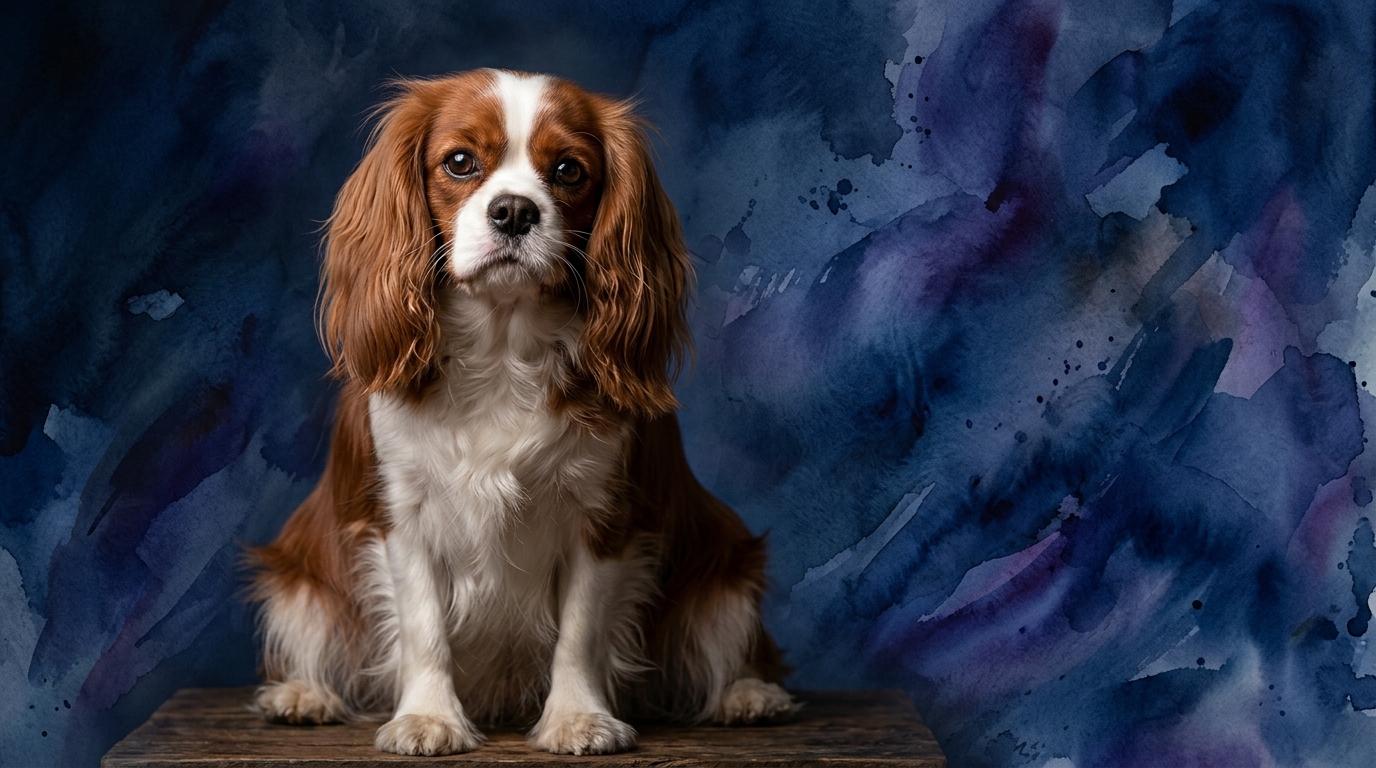
**Cavalier King Charles Spaniel (Toy Group)**
**Problem Solving (3/5):** Cavaliers typically look to their humans for guidance rather than independently devising intricate solutions to complex environmental puzzles. Their cognitive strength is more about understanding human cues than self-directed problem-solving.
**Training Speed (3/5):** They learn new commands at a moderate pace, eager to please but sometimes with a gentle focus. Consistent, positive reinforcement works best, as they respond well to calm instruction rather than intense pressure.
**Social Intelligence (5/5):** This is their standout trait. Cavaliers possess an exceptional ability to read human emotions and social dynamics, forming deep bonds and offering comfort. They seamlessly adapt to family routines and emotional states, making them highly empathetic companions.
**Instinctive Drive (3/5):** Their instinctive drive is moderate, primarily geared towards companionship. While retaining some gentle spaniel traits like a desire to flush, these are typically subdued, not driving strong independent working behaviors.
**Memory (3/5):** Cavaliers have a solid memory, retaining learned commands, routines, and experiences. They remember family members, places, and past interactions, contributing to their consistent and adaptable nature within a familiar environment.
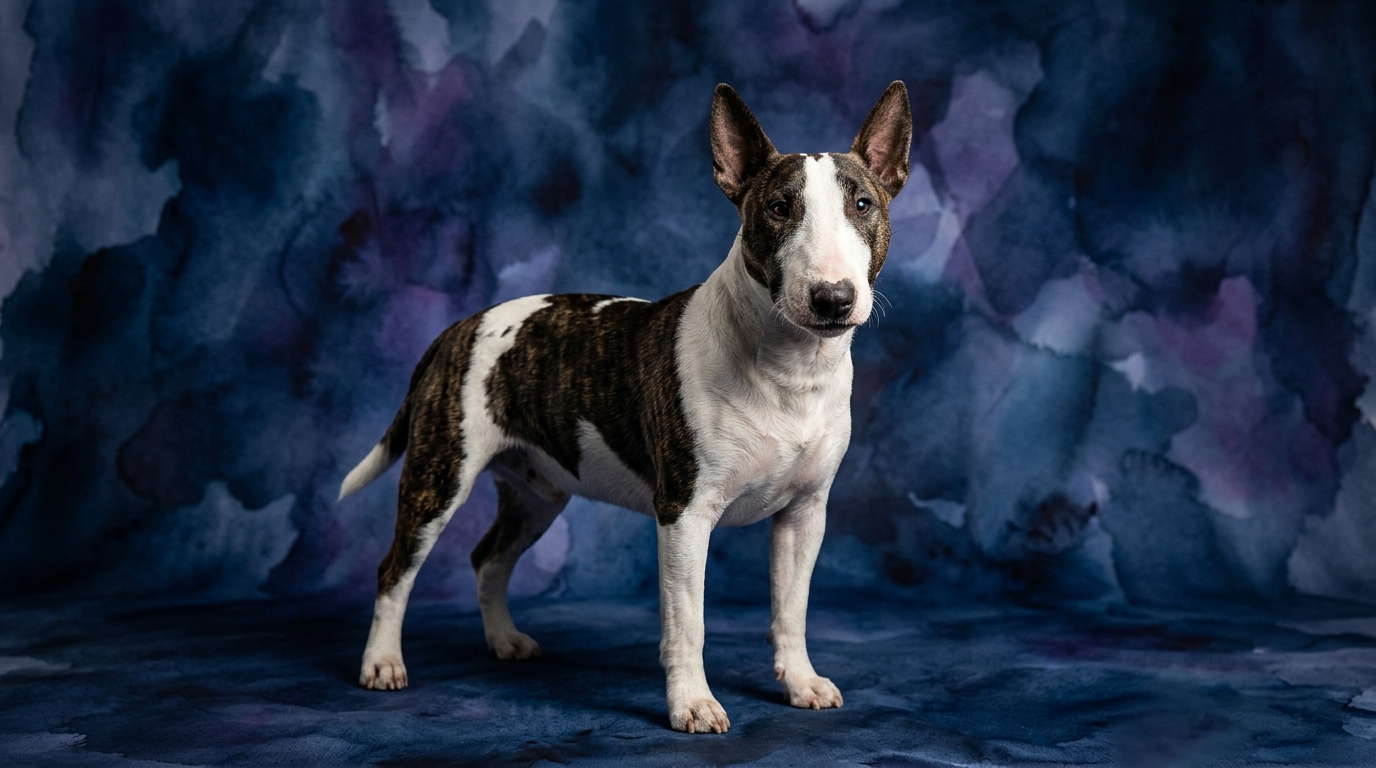
**Miniature Bull Terrier (Terrier Group)**
**Problem Solving (3/5):** Miniature Bull Terriers approach challenges with a tenacious spirit. While their score matches the Cavalier, their method is distinct; they might try various physical approaches and exhibit stubborn persistence rather than immediately seeking human input.
**Training Speed (3/5):** MBTs learn at a moderate pace, but their independent terrier nature demands patient, firm, and consistent training. They might understand quickly but choose to comply based on their own motivation, making training more about engagement and negotiation.
**Social Intelligence (3/5):** They show a moderate level of social intelligence, bonding deeply with family but often being reserved with strangers. Their understanding of subtle human cues is present but not as outwardly expressive or finely tuned as pure companion breeds.
**Instinctive Drive (3/5):** As terriers, they possess a moderate to strong prey drive and a determined spirit for activities like digging or chasing. This instinctive drive influences their curiosity and focus, requiring appropriate outlets for these natural behaviors.
**Memory (3/5):** MBTs possess a good memory for routines, commands, and experiences. They recall past interactions, which shapes their responses and contributes to their strong loyalty within their inner circle or their sometimes-selective obedience.
Where the Cavalier King Charles Spaniel Wins Cognitively
The Cavalier King Charles Spaniel's clear cognitive advantage lies in its superior social intelligence, rated at 5/5 compared to the Miniature Bull Terrier's 3/5. This isn't merely about general friendliness; it's a sophisticated capacity to deeply read and respond to human emotional states and social cues. Cavaliers are exceptionally attuned to subtle shifts in their owner's mood, often instinctively offering comfort or adjusting their behavior to align with the family's emotional climate. For instance, a Cavalier might curl up closer when sensing distress, demonstrating an advanced understanding of empathy and social boundaries. This translates into seamless integration into family life, making them remarkably intuitive companions who anticipate needs and foster deep, reciprocal emotional connections. Their capacity for social learning, observing and mimicking human behaviors within a social context, is also notably higher, promoting harmonious cohabitation.
Where the Miniature Bull Terrier Wins Cognitively
While their raw IQ scores are numerically similar across most dimensions, the Miniature Bull Terrier's cognitive strengths manifest uniquely, particularly in their approach to problem-solving and inherent tenacity. Where a Cavalier might seek human assistance, an MBT often exhibits a more independent, persistent drive to figure things out themselves, even if it involves trial and error or a degree of stubbornness. This isn't about superior abstract reasoning, but a resolute determination to achieve a goal, whether accessing a forbidden treat or navigating a perceived barrier. Their terrier heritage imbues them with a certain "grit" that means they are less likely to give up on a task once committed. This independent problem-solving, coupled with their moderate instinctive drive, allows them to engage with the world in a more self-directed, exploratory manner, often demonstrating cleverness in navigating their environment on their own terms.
Which is Easier to Train and Why
The Cavalier King Charles Spaniel is generally considered easier to train due to its exceptional social intelligence and strong desire to please. Their 5/5 social intelligence means they are highly motivated by positive human interaction and feedback, quickly understanding and striving to meet owner expectations to maintain harmony. They respond very well to gentle, consistent positive reinforcement, thriving on praise and affection. Their moderate training speed (3/5) is effectively enhanced by their eagerness to cooperate, making them generally receptive to learning commands and routines without significant resistance.
In contrast, the Miniature Bull Terrier, despite sharing a 3/5 training speed, presents more of a training challenge due to its independent nature and lower social intelligence (3/5). While capable of learning, MBTs often possess a "what's in it for me?" attitude and a strong will. They require a handler who makes training engaging and fun, often needing creative approaches to maintain focus. Their inherent tenacity, while a cognitive strength in problem-solving, can translate into stubbornness during training if they don't perceive a clear benefit or if methods aren't stimulating. Early, consistent socialization and training are crucial to channel their independent spirit constructively.
Which Suits Active Owners vs. Relaxed Owners
For relaxed owners seeking a devoted, emotionally attuned companion, the Cavalier King Charles Spaniel is an excellent match. Their moderate instinctive drive and temperament mean they are content with moderate daily walks and enjoy ample cuddle time. Their high social intelligence makes them adept at fitting into a calm household routine, providing comfort and companionship without demanding constant high-energy engagement. They thrive on close human interaction and are typically happy to mirror their owner's pace of life, making them ideal for individuals or families preferring a tranquil lifestyle.
The Miniature Bull Terrier, with its moderate instinctive drive and tenacious spirit, is better suited for active owners who appreciate a dog with a robust personality and a need for engaging activities. While not requiring extreme endurance, MBTs benefit from regular exercise that challenges both body and mind, such as structured walks, playtime, or dog sports. Their independent streak means they enjoy having a "job" or mental stimulation, preventing boredom. Owners who enjoy training, outdoor adventures, or simply a playful, spirited companion will find the MBT a rewarding partner, provided they commit to consistent engagement and activity.
The Verdict
Choose Cavalier King Charles Spaniel if you prioritize a deeply empathetic, socially intuitive companion who thrives on close emotional connection and a relaxed, harmonious home environment. Their unparalleled ability to understand and respond to human emotions makes them exceptional comfort providers and adaptable family members.
Choose Miniature Bull Terrier if you seek a spirited, tenacious, and independently clever companion who enjoys engaging activities and thrives with consistent, creative training from an active owner. Their unique charm lies in their determined personality and ability to approach challenges with a distinct, self-reliant flair.
🧠 Find Your Pet's IQ Score
Our Pet IQ Lab assessment covers 25+ tests across 5 cognitive dimensions — personalized to your breed.
Take the Full IQ Test →Frequently Asked Questions
Are Cavalier King Charles Spaniels good with children?
Yes, Cavaliers are typically excellent with children due to their high social intelligence and gentle nature. They are patient, adaptable, and enjoy being part of family activities, making them wonderful companions for respectful children.
Do Miniature Bull Terriers require a lot of exercise?
Miniature Bull Terriers have a moderate energy level and benefit from daily exercise, but not necessarily extreme amounts. Regular walks, playtime, and mental stimulation are important to keep them content and prevent boredom, channeling their natural tenacity.
What is the biggest difference in trainability between these two breeds?
The main difference lies in motivation: Cavaliers are eager to please and respond well to positive reinforcement due to their high social intelligence, while Miniature Bull Terriers, with their independent streak, require more consistent, engaging, and sometimes creative training to maintain their focus and cooperation.